
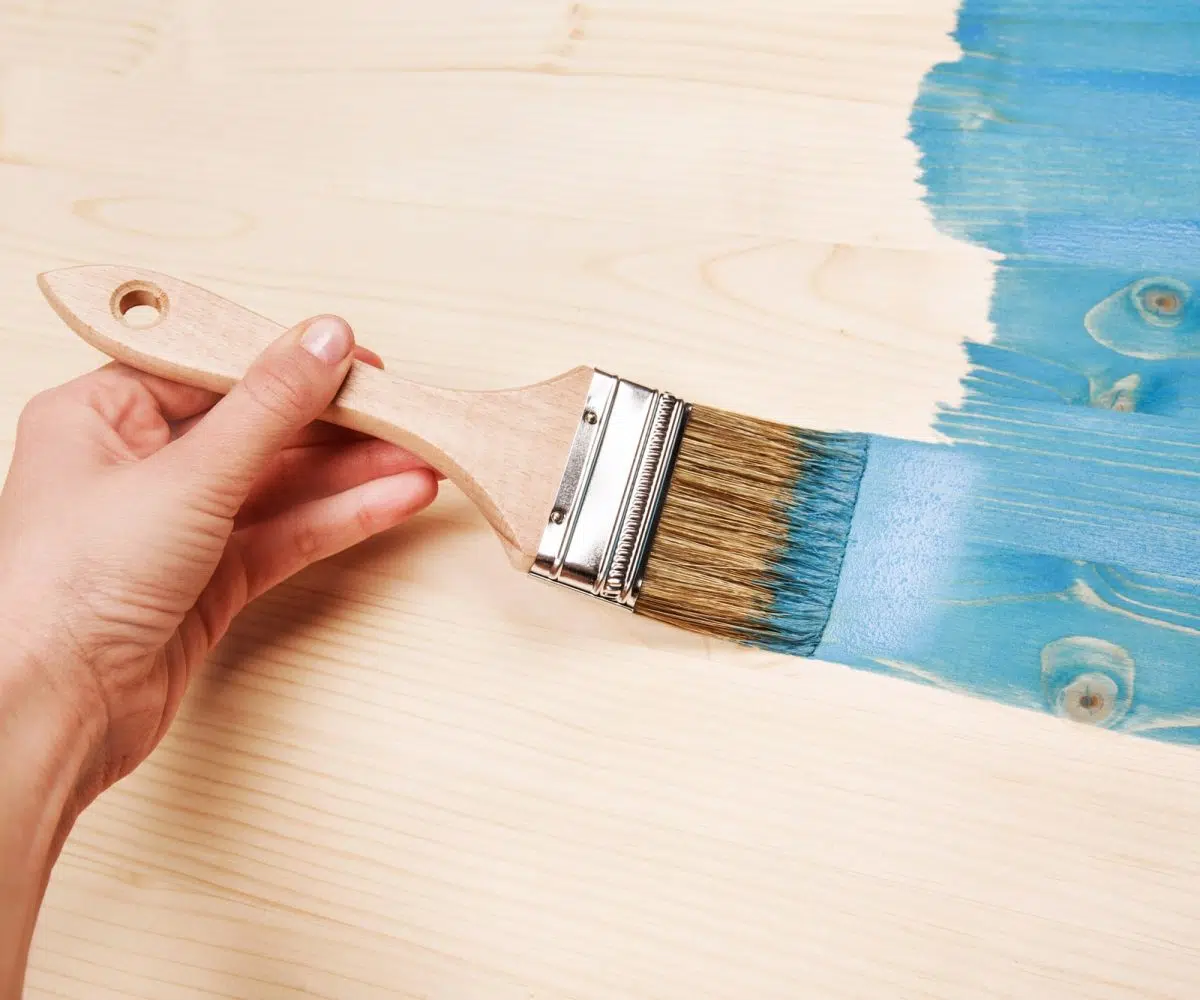
Painting the hive protects the wood, helps regulate its temperature and helps bees find their own hive. But not all paints are suitable: what determines the choice is the material of the box. Standard enamel paint dissolves polystyrene, while wood stain does not protect it. And there are two rules that must not be broken: paint only on the outside and ventilate for one week before introducing bees.
Paint according to material
| Type | Wood | Polystyrene | Advantage | Disadvantage |
|---|---|---|---|---|
| Water-based | Yes | Yes | Low VOC content, easy to apply and clean, dries quickly | Lower durability; may require several coats |
| Wood stain | Yes | No | Penetrates, allows wood to breathe, resists UV | More expensive; requires surface preparation |
| Enamel | Yes | No* | Highly durable, resists wear and moisture | Contains VOCs; difficult to apply and long drying time |
| Eco-friendly | Yes | Yes | Natural ingredients, low VOC, allows breathability | More expensive and less widely available |
| Specific for polystyrene | — | Yes | Formulated not to attack the material | Less versatile and more expensive |
| Ochre + linseed oil | Yes | No | Natural, safe for bees, penetrates wood | Long drying time; does not protect polystyrene |
In this guide
- why hives are painted and the basic rules;
- how bees perceive colours;
- the six types of paint, one by one;
- how to prepare the mixture of ochre and linseed oil;
- the alternatives to paint: paraffin, oils, wax.
Why hives are painted
Protecting your hives made of wood or polystyrene is essential for their longevity and for bee health. The ochre and linseed oil mixture is the classic choice for wood, but there are other equally valid and applicable options for polystyrene.
Protecting your wooden or polystyrene hives is essential for extending their service life and safeguarding your bees. Although a mixture of micaceous iron oxide powder and linseed oil is a popular choice for wooden hives, other paints can be equally effective and suitable for polystyrene hives. This article compares different types of hive paint and explains how they suit different materials, with their respective advantages and disadvantages, so you can make an informed choice for your hives.
Reasons to paint hives:
- Protect the wood: Paint protects the external surfaces of hives from exposure to sunlight, rain, and temperature fluctuations, preventing wood from deteriorating rapidly.
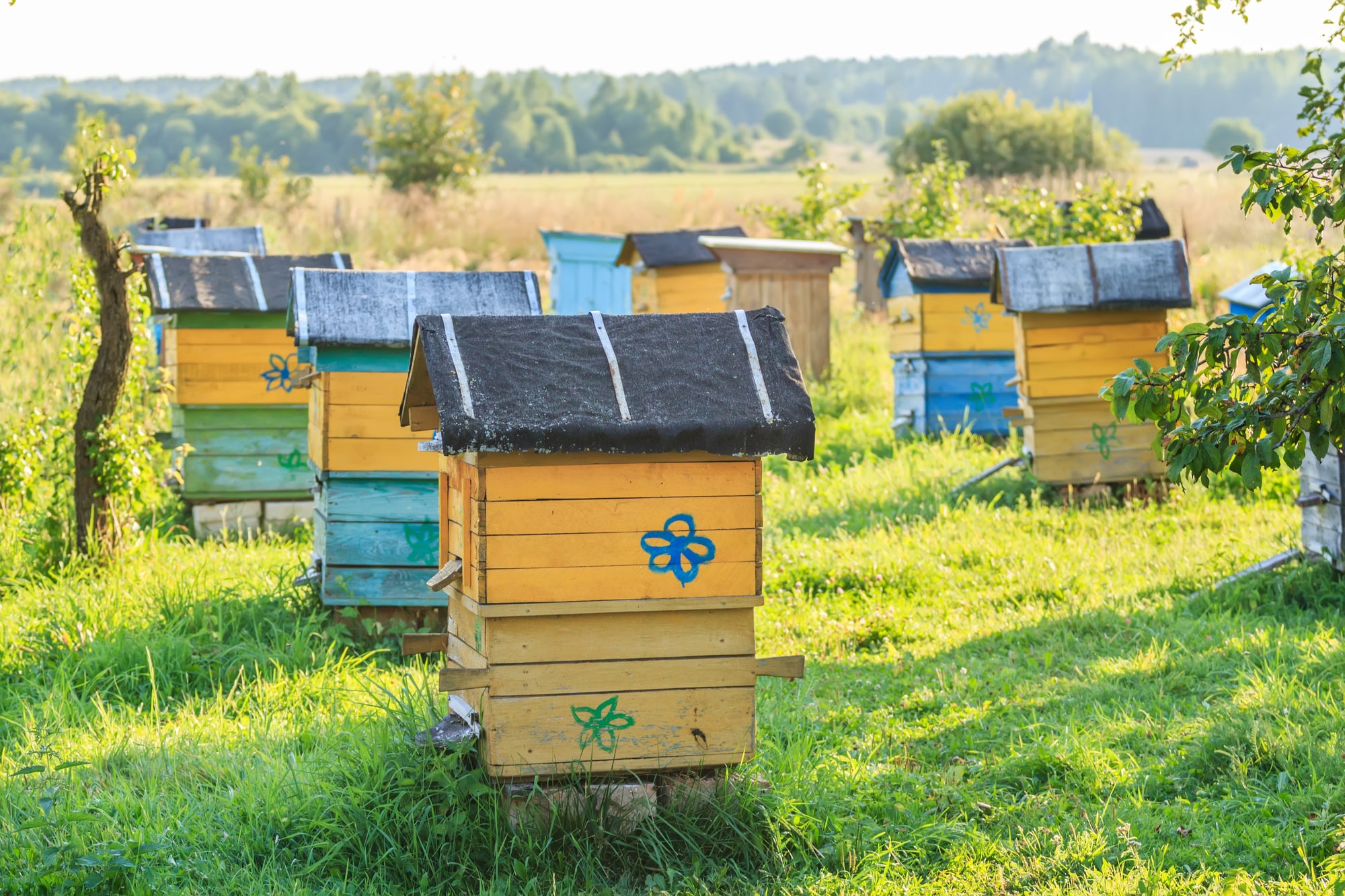
- Help hives blend into the environment: Many beekeepers paint their hives to help them integrate better into their surroundings, using colours similar to nearby buildings or surrounding vegetation.
- Temperature regulation: The colour of the paint can influence the internal temperature of the hive. In warm climates, light and reflective colours keep hives cool, while dark colours in colder climates can help absorb more solar heat.
- Organisation: Some beekeepers use a colour system to distinguish between the different sizes and types of hive in their apiary.
Recommendations to consider when painting hives:
- Paint only the surfaces exposed to sunlight and rain, such as the exterior of the hives.
- Do not paint interior surfaces, entrances or internal components such as frames, as this may affect bee health and behaviour. The bees will coat and polish the inside with their own propolis, which helps disinfect the surfaces and seal cracks.
- Paint hives outdoors in good weather and allow them to ventilate for at least one week before placing them in the apiary. This will help dissipate any chemical odours and reduce bee exposure to potentially toxic compounds.
- Apply thin layers of paint and allow proper drying between each layer. Avoid applying thick layers of paint, as excess material will be difficult to remove and will also prolong drying time.
Take great care with excess driers, as they often contain metallic and chemical compounds that can be toxic to bees. Some of these compounds may be released into the air or leach into the hive’s wood, potentially negatively affecting bee health and honey quality.
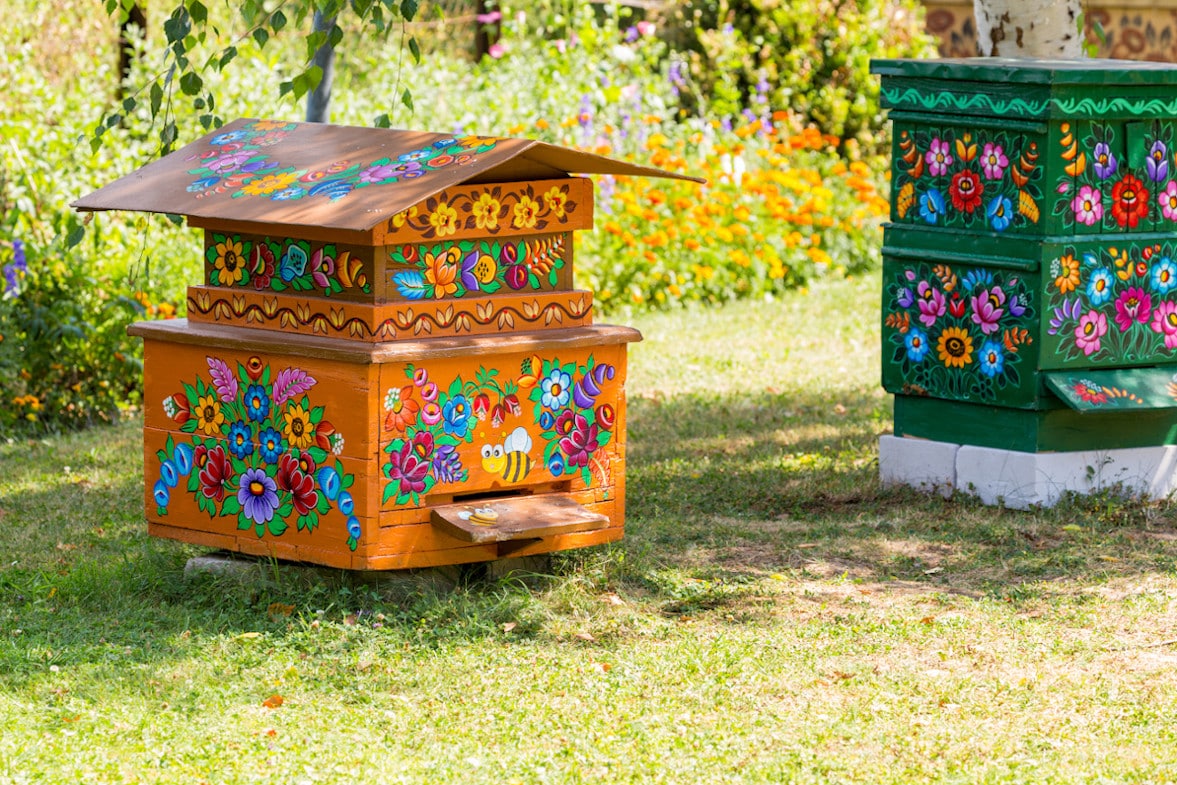
How bees perceive colours and their relationship to hive painting
Bees perceive colours differently from humans. Humans can see a wide range of colours, including red, whereas bees cannot see red and perceive it as black. Bees can, however, see ultraviolet wavelengths that are invisible to the human eye.
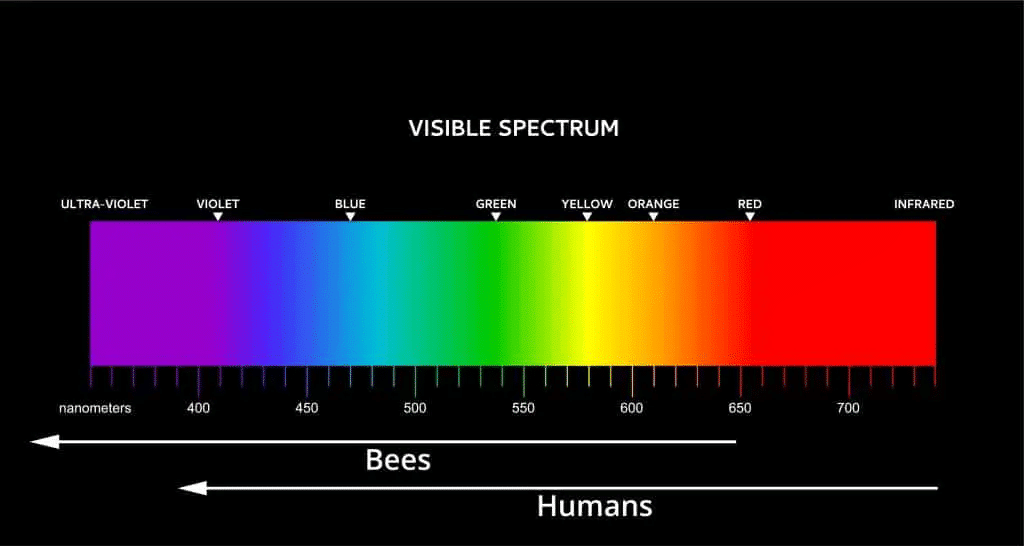
When choosing a colour to paint hives, it is helpful to consider how bees perceive colour to ensure they can find their own hives. Most professional beekeepers paint their hives white to reflect light and heat and keep the hive interior cool.
The following are considerations for choosing paint colours with bee vision in mind:
- Avoid red: As bees perceive red as black, it is not advisable to paint hives red. Black absorbs more heat than other colours, which could increase the internal hive temperature on hot days.
- Contrast and patterns: Bees can easily distinguish patterns and contrasts. Painting hives with contrasting colours or distinctive patterns may help bees recognise and locate their homes more easily.
- Flowers and colours that attract bees: Bees are attracted to certain colours and patterns on flowers, such as blue, violet, yellow, and white. Painting hives with these colours may help bees find and identify them as their home.
- Ultraviolet: Although humans cannot see ultraviolet colours, bees can. Some studies have shown that bees can be attracted to ultraviolet patterns on flowers. While it is not practical for beekeepers to use ultraviolet paint on hives, it is interesting to note how bee vision differs from ours and how it influences their behaviour.
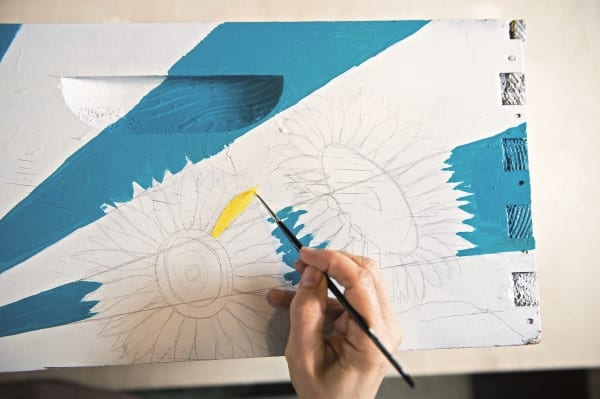
In summary, when painting hives, it is important to consider how bees perceive colour and how this may affect their ability to orient themselves and find their own hives. Avoid red and choose colours and patterns that facilitate hive identification by bees.
What types of paint can I use to paint my hives?
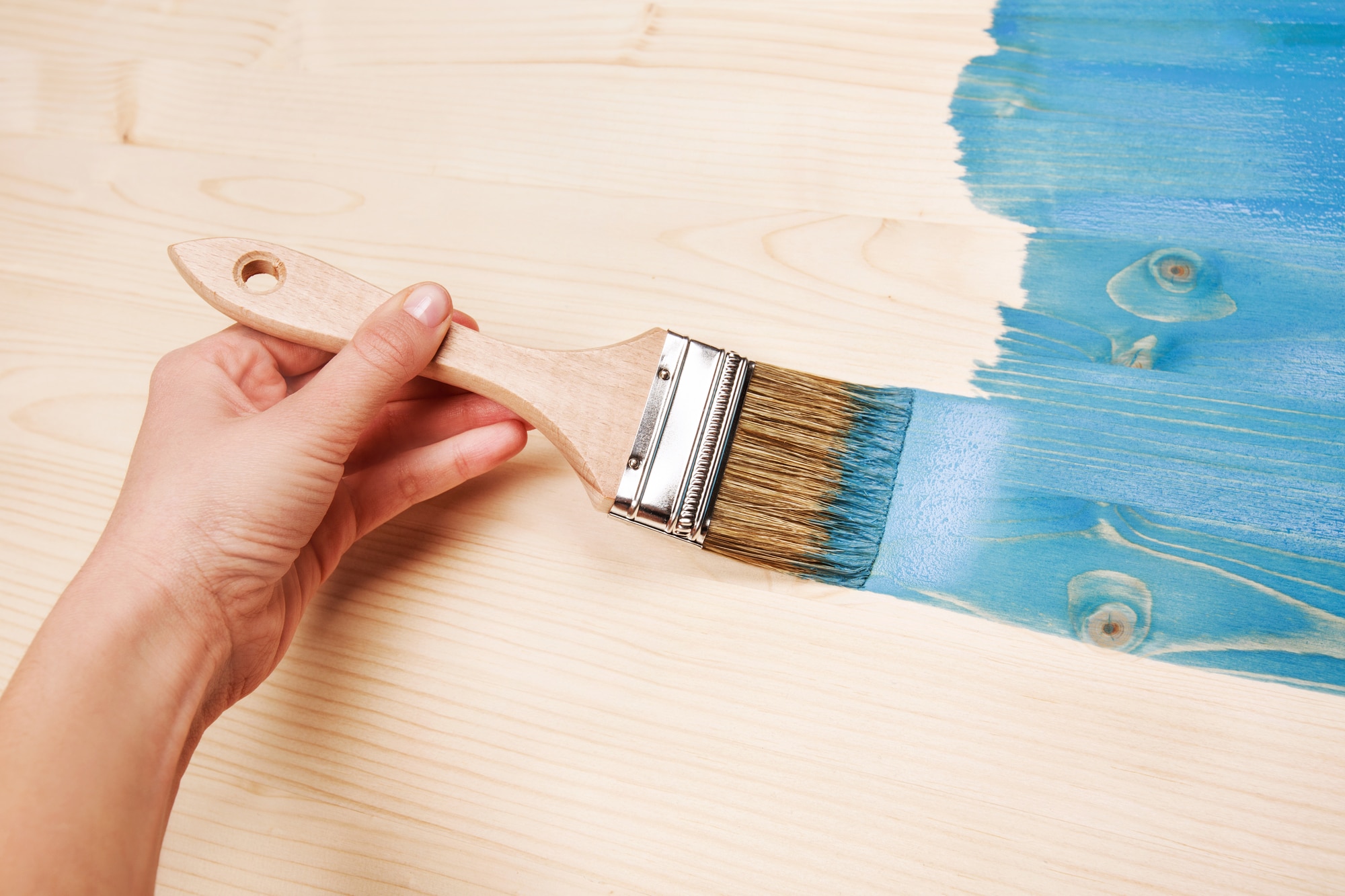
Water-based paints
Suitable for both wooden and polystyrene hives, water-based paints are a versatile option. Some water-based paints specifically formulated for polystyrene are designed to prevent the material from dissolving.
- Low in VOCs, environmentally friendly.
- Easy to apply and clean, quick drying.
- Lower durability, may require multiple coats.
- Suitable for wood and polystyrene.
Wood stains
Primarily recommended for wooden hives, as they penetrate the material and enhance its natural beauty. Not suitable for polystyrene hives, as they do not provide effective protection on this material.
- Penetrate the wood, protect against moisture and insects.
- Allow the wood to breathe, UV resistant.
- More expensive, require surface preparation.
- Recommended only for wooden hives.
Enamels
Suitable for wooden hives, but not recommended for polystyrene hives, as they may contain solvents that damage the material. Ensure you use a polystyrene-specific enamel if you choose this type of paint.
- High durability, resistant to wear and moisture.
- Contain VOCs, may be harmful to bees and the environment.
- Difficult to apply and clean, long drying time.
- Suitable only for wooden hives.
Eco-friendly paints
These paints are suitable for both wooden and polystyrene hives, as they are formulated with natural and non-toxic ingredients. Some eco-friendly paints for polystyrene are designed not to damage the material.
- Formulated with natural and non-toxic ingredients.
- Low in VOCs, allow wood to breathe.
- More expensive, limited availability.
- Suitable for wood and polystyrene.
Polystyrene-specific paints
There are paints specifically designed for polystyrene hives that are wear-resistant and do not damage the material. Ensure you follow the manufacturer’s instructions when applying this type of paint.
- Specific formula to protect and preserve polystyrene hives.
- Do not damage the material, wide range of colours and finishes.
- Less versatile and more expensive than other options.
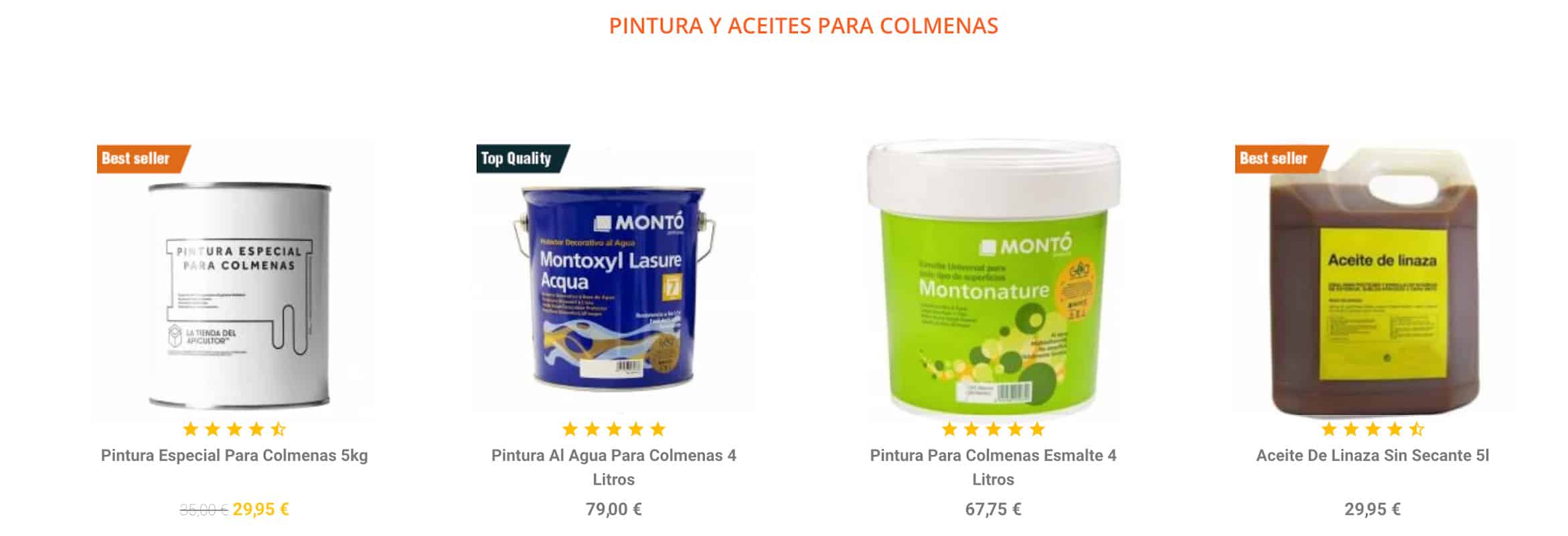
Ochre and linseed oil mixture
The oligisto is a variety of hematites, an iron oxide (Fe2O3), used ground as a mineral pigment and provides colour and additional protection to wood. It is not the same as shadow earth, which is another distinct pigment containing manganese.
This mixture is more suitable for wooden hives, as linseed oil penetrates the wood and protects it from moisture, while micaceous iron oxide acts as a natural pigment and provides additional protection. It is not recommended for polystyrene hives, as linseed oil does not provide effective protection on this material.
- Natural ingredients, safe for bees.
- Penetrates the wood, protects against moisture.
- Not suitable for polystyrene hives, longer drying time.
How to make your own mixture for painting hives with ochre and linseed oil?
Here is a basic process for painting hives with a mixture of micaceous iron oxide and linseed oil:
- Surface preparation: Clean the wooden hives and ensure they are free of dust, dirt and residues. If the hive is new, lightly sand the surface to ensure better paint adhesion. If it has been painted previously, remove any flaking or loose paint.
- Preparing the mixture: mix ochre with linseed oil, in an approximate ratio of 1 part ochre to 2 parts linseed oil. You can adjust it according to desired colour intensity and viscosity. If adding a drier to speed up drying, use it in the minimum possible amount: metallic driers, such as cobalt, are precisely the compounds that require caution regarding excess. Without drier, it takes longer, but it is the safest option for bees.
- Application: Using a brush, apply a uniform layer of the micaceous iron oxide and linseed oil mixture to the hive surface, ensuring all exposed wood areas are covered. Pay special attention to joints and edges, as these are the areas most susceptible to water damage.
- Drying: Allow the mixture to dry completely before handling the hive. Drying time may vary depending on environmental conditions and the amount of drier added, but it is generally recommended to wait at least 24 hours. If necessary, apply a second coat of the mixture to achieve greater protection and a deeper colour.
- Assembly and maintenance: Once the paint is completely dry, you may proceed to assemble the hive and put it into operation. Periodically inspect the hive for signs of wear or damage to the paint, and repeat the painting process as needed to maintain wood protection.
Remember that it is important to use natural and non-toxic products when painting hives, as bees are sensitive to chemicals and these may affect their health and the quality of the honey. The mixture of micaceous iron oxide and linseed oil is an ecological and safe option for this purpose.
Other alternatives to paint for protecting hives
Although paint is a popular choice for protecting and preserving hives, there are several alternatives that beekeepers may consider. These alternatives include paraffin immersion, the use of linseed oil and other natural solutions. This article will explore these options and discuss their advantages and disadvantages.
Paraffin immersion
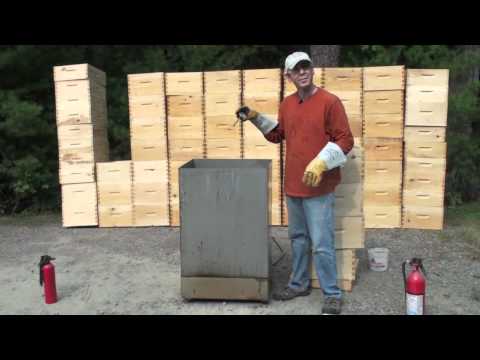
Paraffin immersion is an alternative method for protecting and preserving wooden hives. This treatment involves submerging the hive in hot paraffin to impregnate the wood and create a protective barrier.
However, paraffin immersion can be costly and requires specialised equipment, making it a less practical option for amateur beekeepers or those with a limited number of hives.
Linseed oil
Linseed oil is a natural product derived from flax seeds that can be applied to hives to protect the wood from moisture and other damaging elements. It is easy to apply, economical and environmentally friendly. However, it requires more frequent applications than paint or paraffin dipping to maintain adequate protection. Some beekeepers combine linseed oil with other natural products, such as turpentine, to improve its effectiveness.
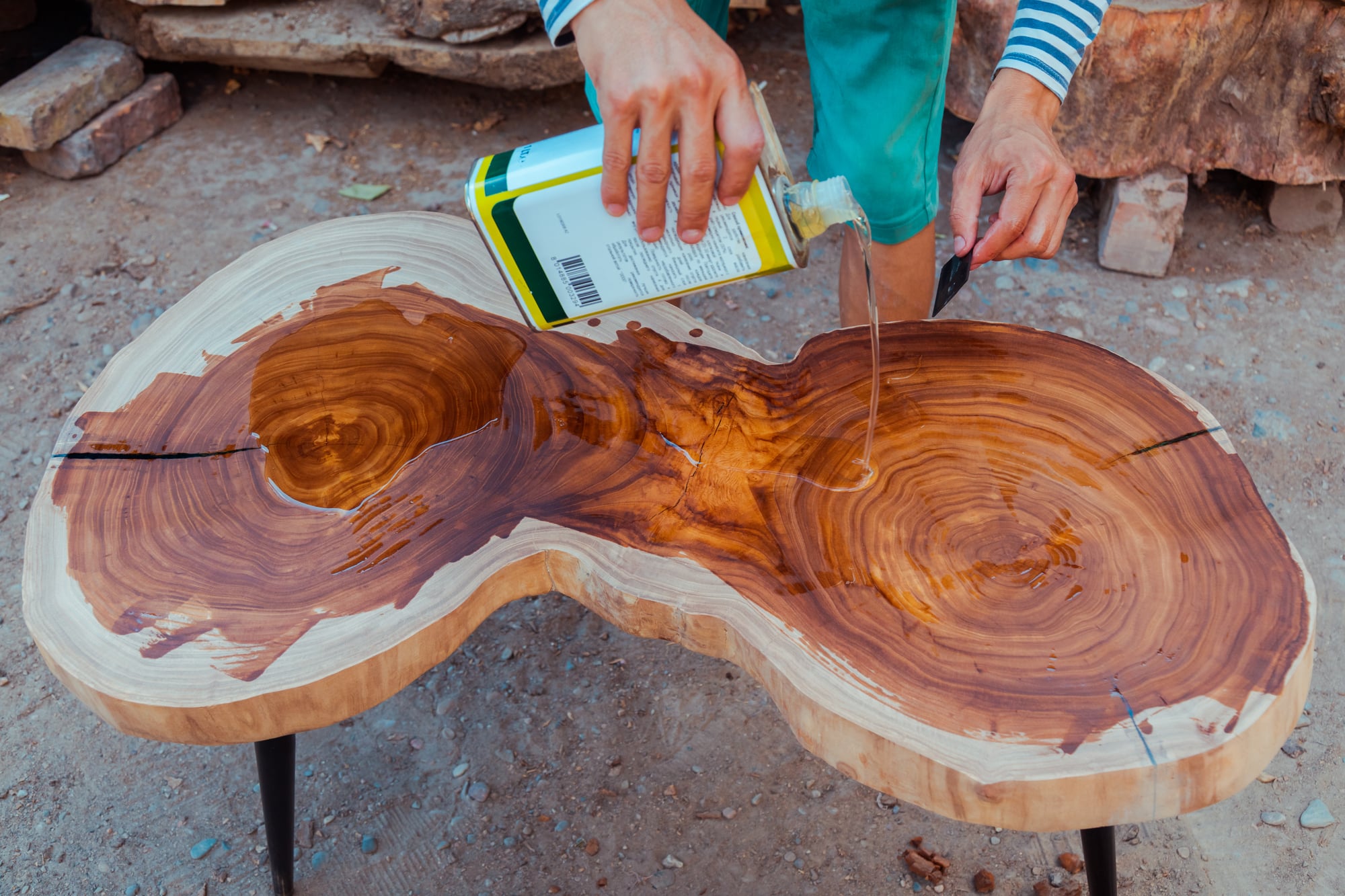
Natural and eco-friendly treatments
There are other natural and ecological alternatives to paint for protecting and preserving hives. Some options include:
- Natural oils: In addition to linseed oil, other natural oils such as tung oil and walnut oil can be used to protect hive wood.
- Water-based varnishes and sealers: Water-based varnishes and sealers are another eco-friendly option for protecting hives. These products have low VOC (volatile organic compound) content and dry quickly, making them a safe and efficient choice.
- Beeswax and resin: Some beekeepers opt to use a mixture of beeswax and natural resin to protect their hives. This mixture can be applied as a thin layer that provides protection against moisture and sun damage, while preserving the natural appearance of the wood.
In summary
When choosing a paint for your hives, consider the material they are made from, as this may affect the effectiveness and durability of the protection. Be sure to research the available options thoroughly and select the paint that best suits your needs and the type of hive you are using. Regardless of the type of paint you choose, remember to follow the manufacturer’s instructions and apply it correctly to achieve the best results and effectively protect your hives.
Frequently asked questions
What is used to paint beehives?
It depends on the material. For wood, water-based paints, wood stains, enamels, eco-friendly paints and the classic mixture of ochre with linseed oil are suitable. For polystyrene, only water-based paints, eco-friendly paints and those specifically formulated for this material are appropriate.
Can a polystyrene hive be painted with enamel?
Only if it is a polystyrene-specific enamel. Standard enamels contain solvents that dissolve the material and damage the box.
Should the inside of the hive be painted?
No. Only the external surfaces exposed to sunlight and rain are painted. The interior, entrances and frames are not painted: bees clean and seal them with their own propolis, which also disinfects.
How long should one wait before introducing bees?
At least one week of outdoor ventilation after painting, to allow chemical odours to dissipate and reduce bees’ exposure to potentially toxic compounds.
What colour are hives painted?
White is most common among professionals because it reflects light and keeps the interior cool. Red should be avoided: bees do not distinguish it and perceive it as black, which absorbs more heat. Blue, violet, yellow and white are easily recognisable to bees.
What is ochre and what is it used for?
It is a variety of hematite, an iron oxide (Fe2O3), ground and used as a mineral pigment. When mixed with linseed oil, it provides colour and protection for wood using natural and bee-safe ingredients.
What proportion of ochre and linseed oil is used?
Approximately one part ochre to two parts linseed oil, adjustable according to desired colour intensity and viscosity. If a drier is added, use it in the minimum possible amount.
Continue reading
- Choosing the right hive, before deciding how to protect it.
- Insulation, condensation and ventilation, the other half of protection.
- Disinfecting beekeeping equipment, the prior step if the hive is second-hand.
- Drifting bees, where hive colour does influence behaviour.

ISNI 0000 0005 1801 1100 | Joshua Ivars is the manager of LA TIENDA DEL APICULTOR and the author of this blog, where he shares technical and practical guidance for beekeepers. Drawing on extensive experience in the beekeeping sector, he offers advice and solutions based on beekeepers’ real needs, sharing his knowledge of equipment and essential beekeeping practices.


