
-
Beehives
- Complete beehive
- Accessories
-
Nuc hives
- Nucs by format
- With bees & mating
- Spare parts
-
Bee equipment
- For the apiary
- For the beekeeper
-
Clothing
- Clothing Accessories
-
Beeswax
-
Pure beeswax
- Beeswax and foundation
- Beeswax foundations
- Melting and rolling beewax
-
Pure beeswax
-
Bee feed
- Accessories and source materials
- Utensils
-
Bee health
- Varroa Treatments
- Diseases control
- Nutraceuticals
-
Extraction and bottling
- Before extraction
- Honey extraction
- After extraction
-
Bee pollen
- Harvest
- Indicted
-
Honey packaging
- Flasks per utility
- Flasks by size
- Other packaging
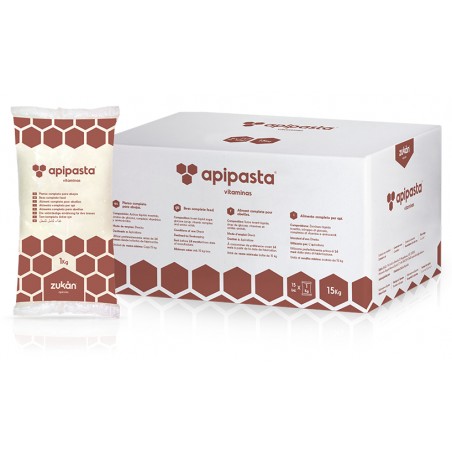
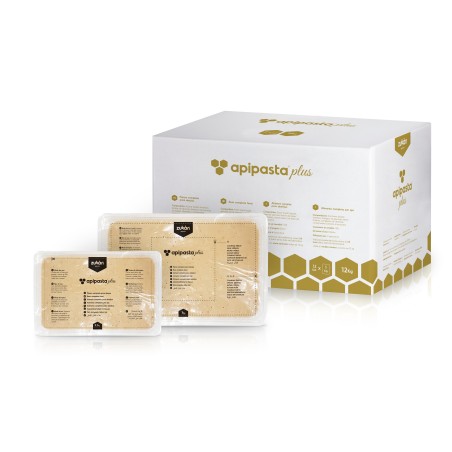
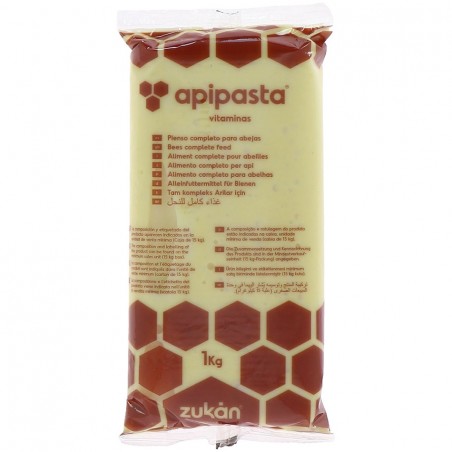
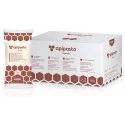 Apipasta with vitamins 15kg
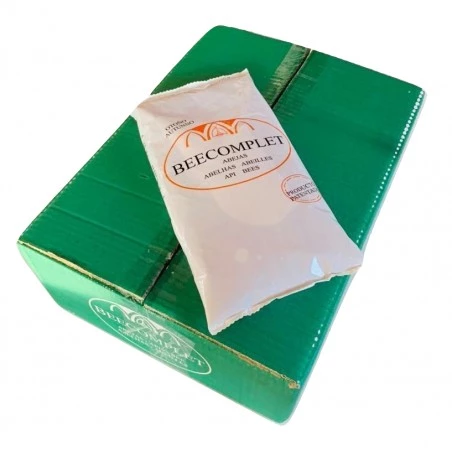
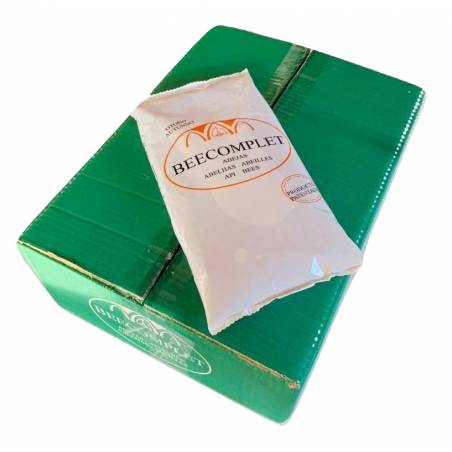
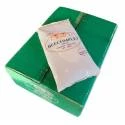 Beecomplet® Spring 14Kg
 Beekeeper suit with round veil
 Oxalic acid 1kg
 Beeswax Foundation 5kg
 Fresh royal jelly 20g
 Classic honey jar 1kg comb-lines TO77 - Pack of 16 units
 Promotor L Apis 1 litre
Bee Feed
Energy and protein feed for bees: syrups, candy, patties and pollen substitutes (MegaBee, Apipollen, BeeStrong, micronised soya flour). 146 references.
- Accessories and source materials
- Utensils
Categories
Brand
Price
-
€0.00 - €4,860.00
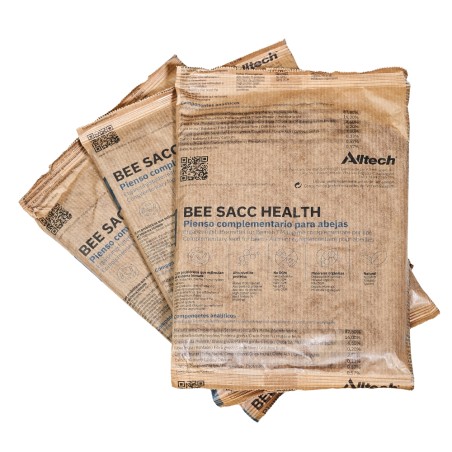
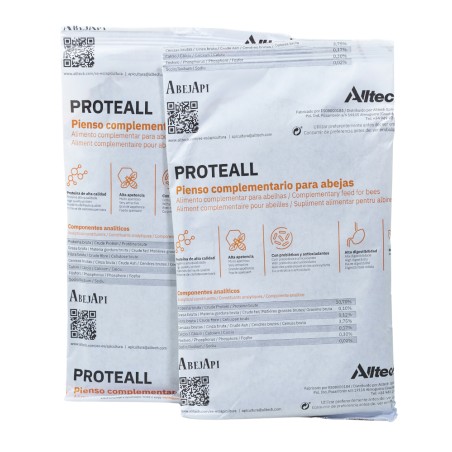
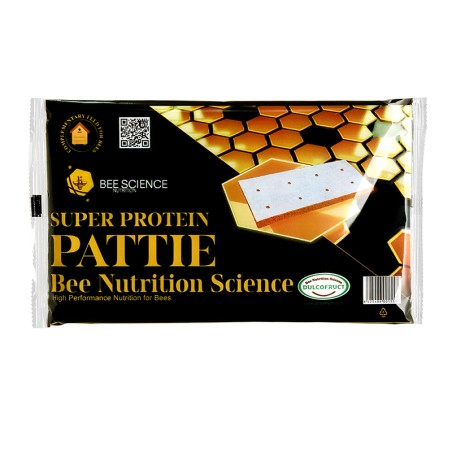
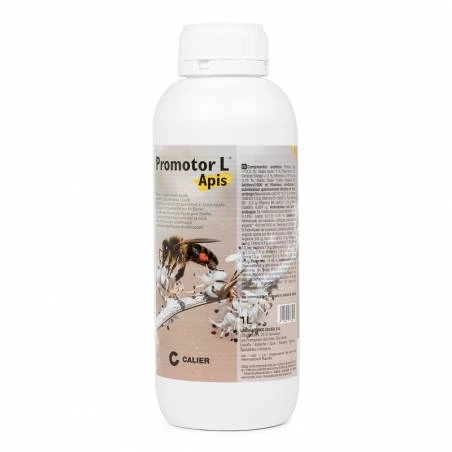
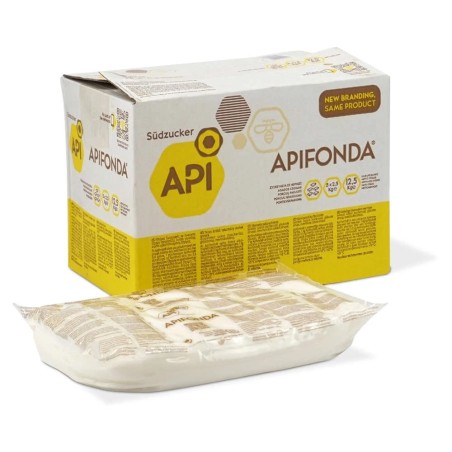
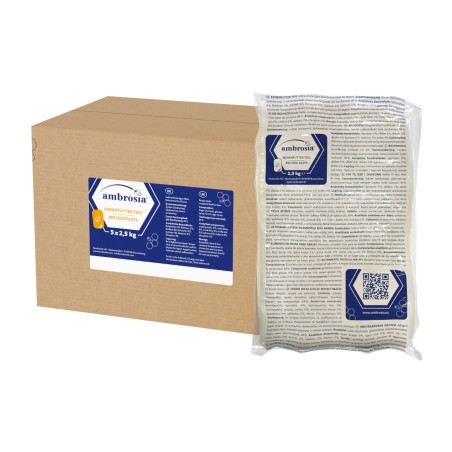
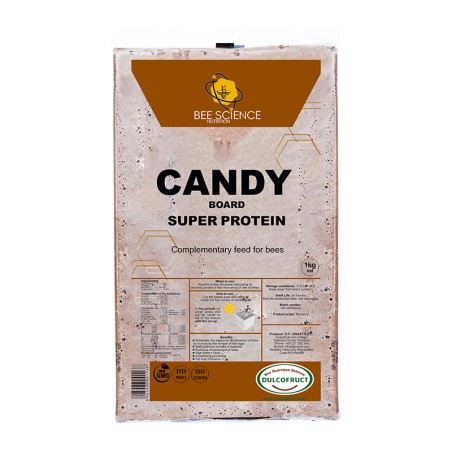
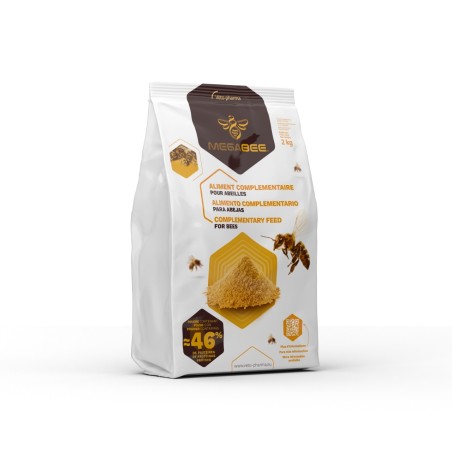
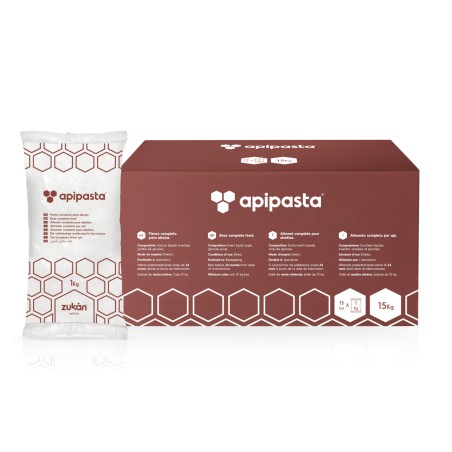
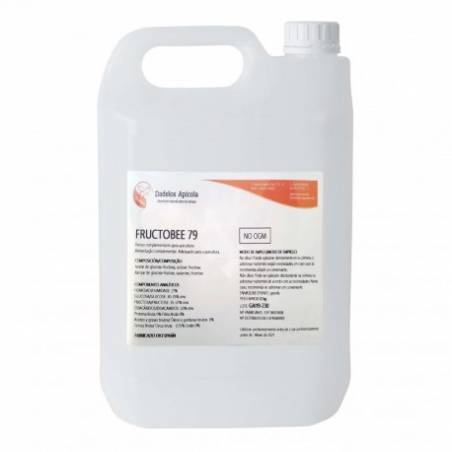
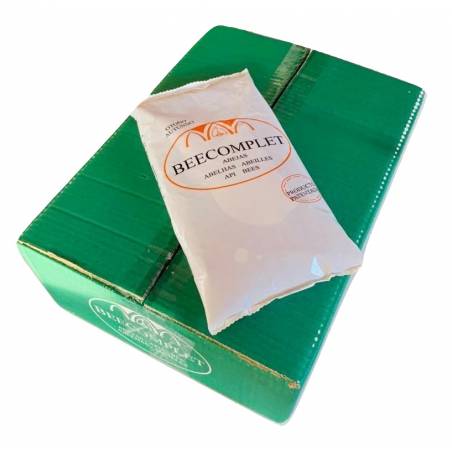
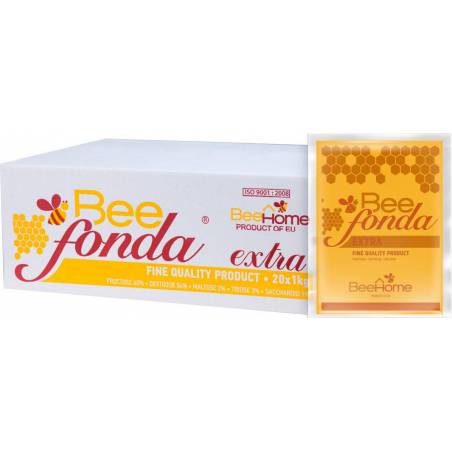
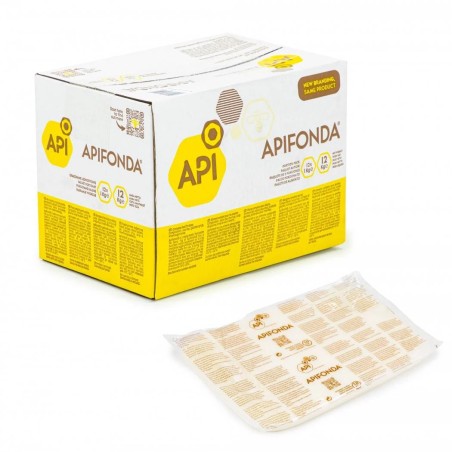
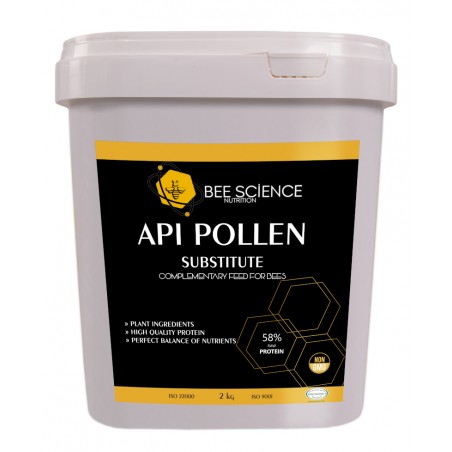
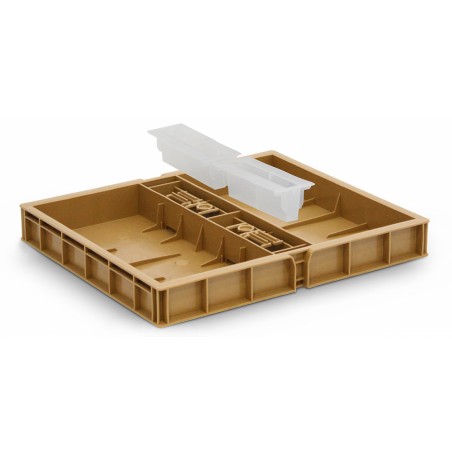
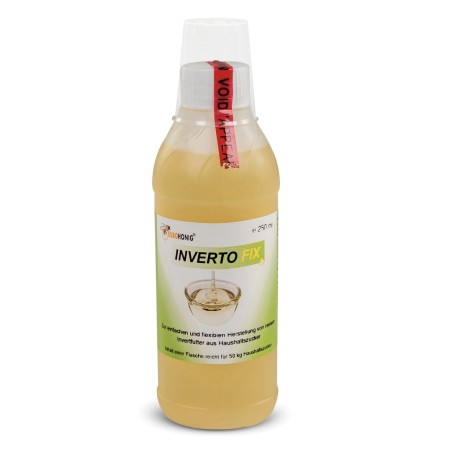
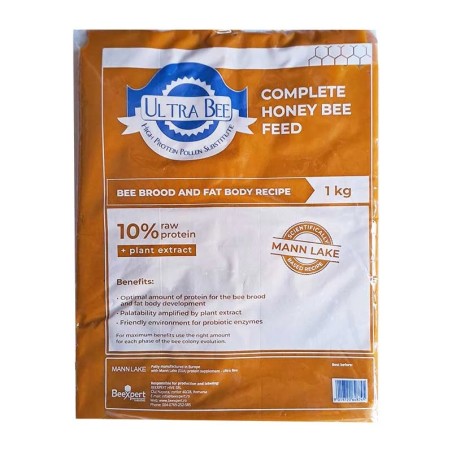
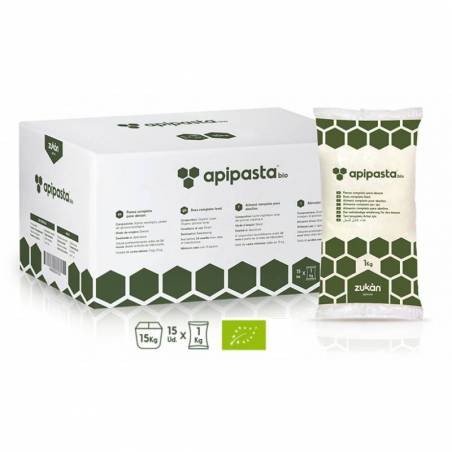
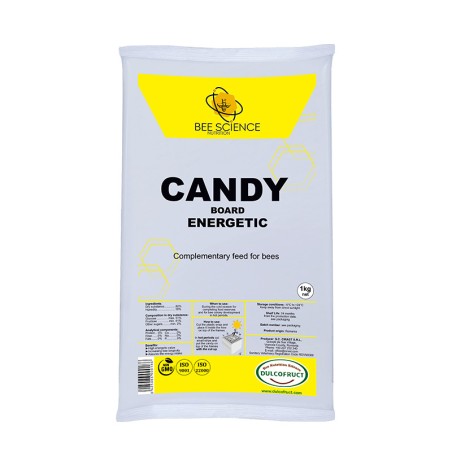
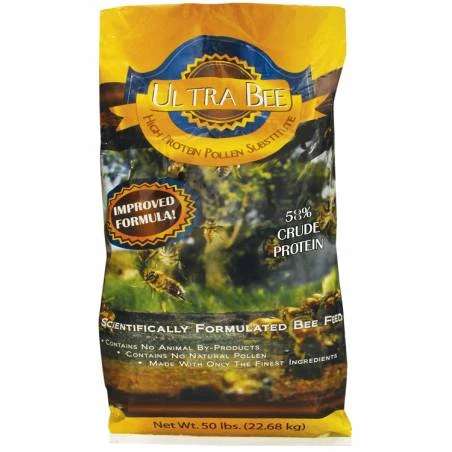
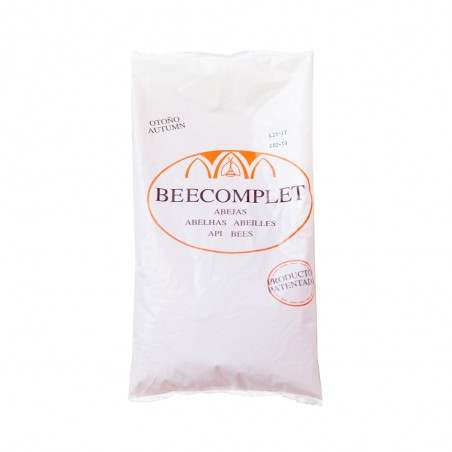
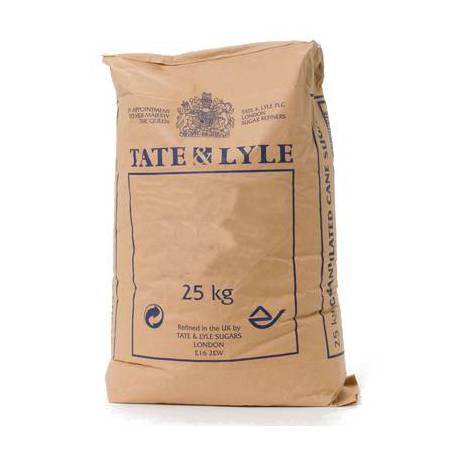
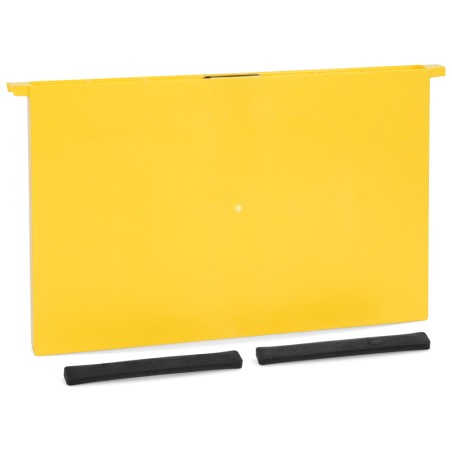
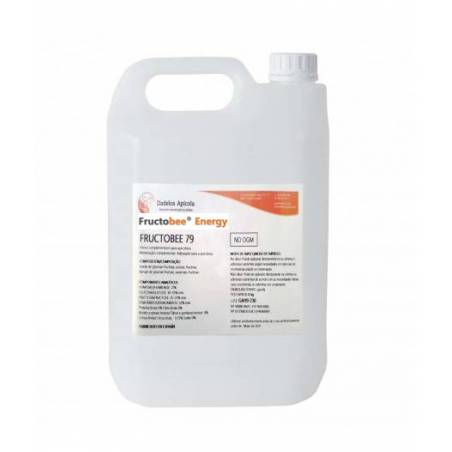
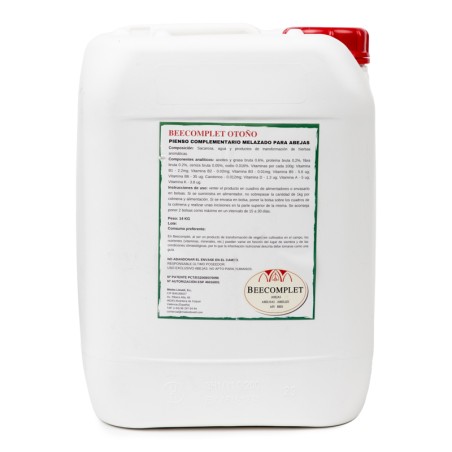
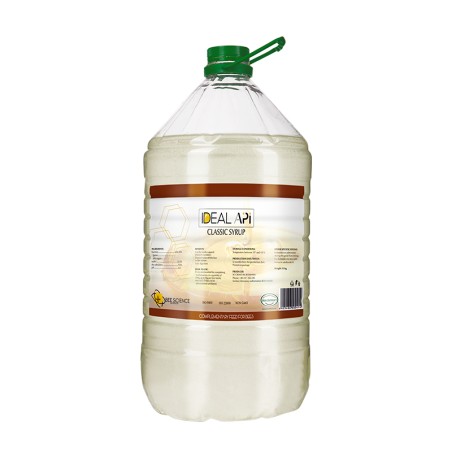
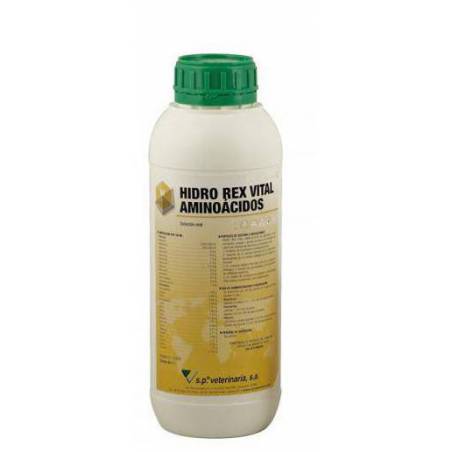
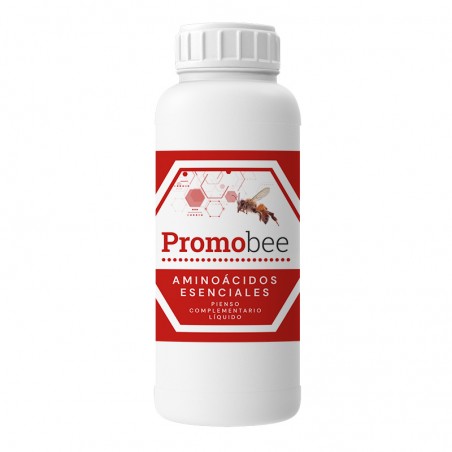
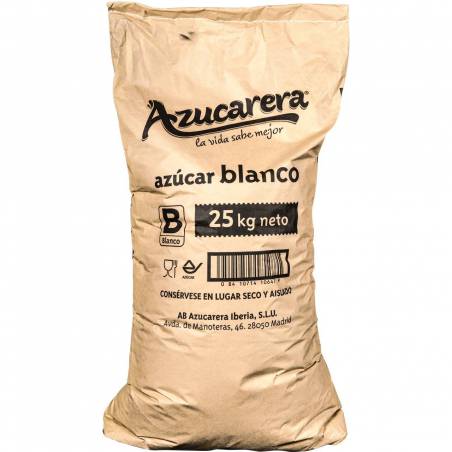
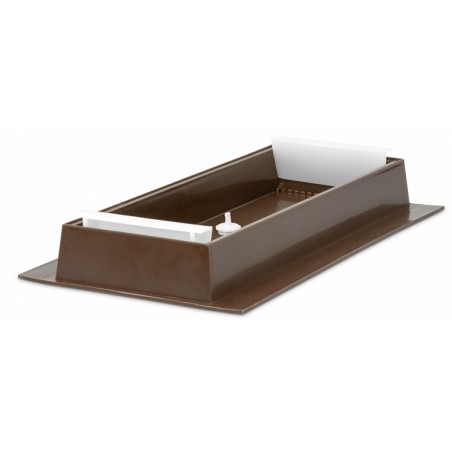
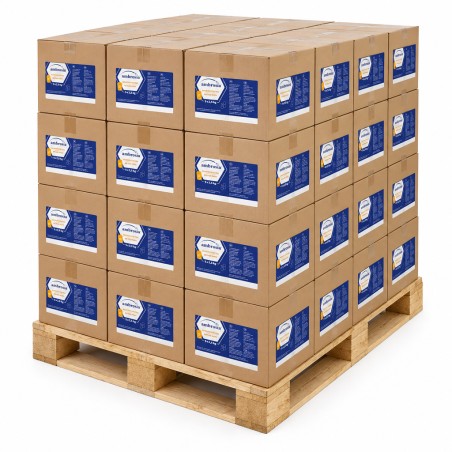
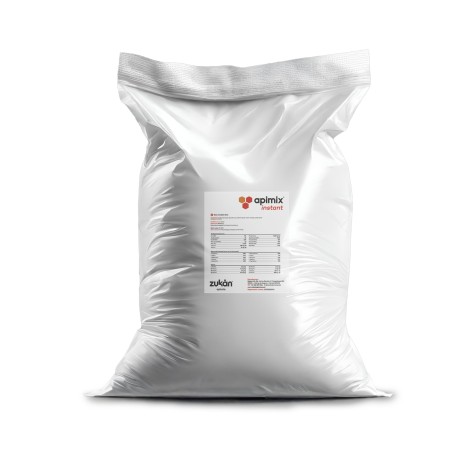
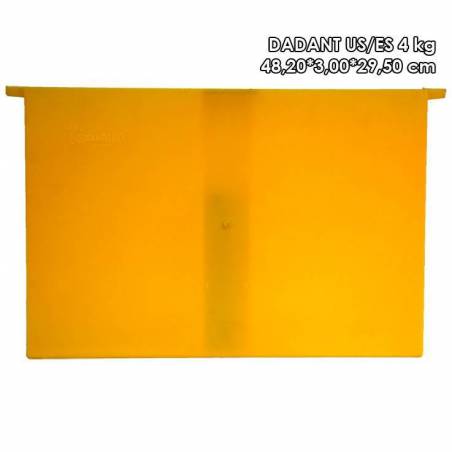
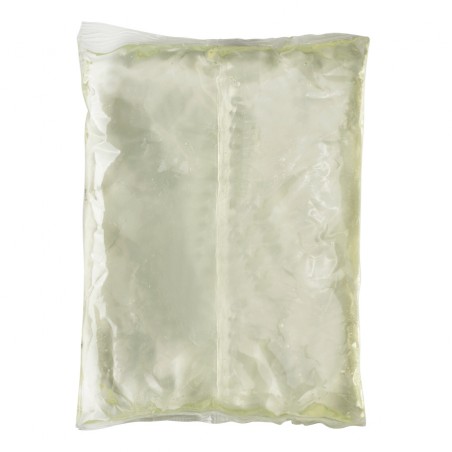

Honey bees require honey and a diverse range of pollen for healthy development. As beekeepers, we depend on strong and healthy colonies that can make the most of the nectar flows and store enough reserves so we can harvest a share. However, at certain times of the year, nutritional deficiencies can occur, which negatively affect bee health.
In Spain, 70% of hives are moved for transhumance in search of early blooms. But the increasing frequency of extreme weather events often leads to poor flowering in some regions, reducing the nutritional resources available to the bees. This is when nutritional supplementation becomes essential to prevent malnutrition and its consequences.
Given the wide variety of supplementary feeds available on the market, it’s vital to understand what the bees actually need, which deficiencies we want to address, and when to provide support.
To make these decisions wisely, we need access to good information. The product label will show the ingredients and the basic nutritional composition, which gives us a first impression. But we need to go further: always ask for the technical data sheet. That’s where you’ll find essential details like the sugar types, amino acids, whether it contains vitamins, and in what amounts.
Practical tip: Feed if necessary — but before you feed, read the technical data sheet.
![Protein supplementation for bees [Complete guide]](https://www.latiendadelapicultor.com/blog/wp-content/uploads/2025/02/mmmnn.png.webp)
Bee Feed
The first decision is not which brand: it is what the colony is short of. Energy and protein are two different problems and they are solved with different products.
Energy or protein
Energy feed — syrups and candy — provides fuel: heat, movement, brood activity and stores. But it does not on its own provide enough protein, fats, vitamins or minerals. If the colony is short of pollen, or what comes in is poor or not varied, syrup does not solve the whole problem however much you give.
Protein feed — patties, powders and substitutes such as MegaBee, Apipollen, BeeStrong or micronised soya flour — covers exactly that gap. It is what you use when brood has to be stimulated without pollen coming in: early build-ups, areas with no protein flow, or producing nucs and packages.
The calendar rules
- Stimulation — thinner syrup, to mimic a nectar flow and get the queen laying when you want to bring development forward.
- Maintenance and stores — thicker syrup or candy, so the colony stores it without spending energy dehydrating it.
- Winter — candy, because the colony cannot process liquid in the cold.
Feeding at the wrong moment has a cost: in full flow it competes with the nectar, and too late in autumn it may be left uncapped.
Two warnings
First: never feed honey of unknown origin. It is the classic route for bringing spores into a healthy apiary. Second: if you are in a varroa treatment campaign, check compatibility and timings on the medicine's own data sheet, because feeding and treating at the same time is not always neutral.
What is the best food for bees?
The best food for bees is nectar and pollen, straight from the flowers. These are not only their natural sources of nutrition, they are also the essential ingredients for making honey and bee bread respectively.
There are periods, however — the winter months, or times of dearth — when bees can struggle to reach those natural sources.
In such cases beekeepers can turn to alternatives such as liquid sugar syrup or fondant, which stand in for nectar and honey, or a protein patty based on plant proteins (yeasts or soya flour, for instance) to make up for the lack of pollen. These supplementary feeds ensure the bees keep a balanced, healthy diet even in lean times.
How can I feed a bee?
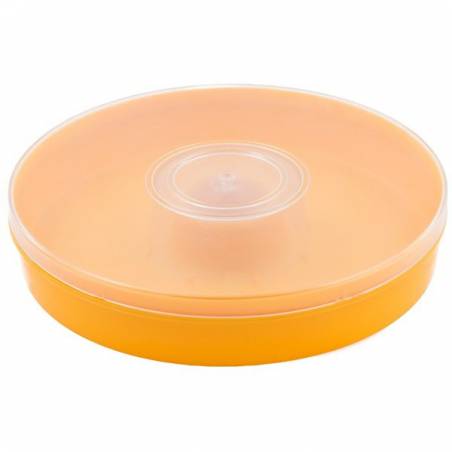
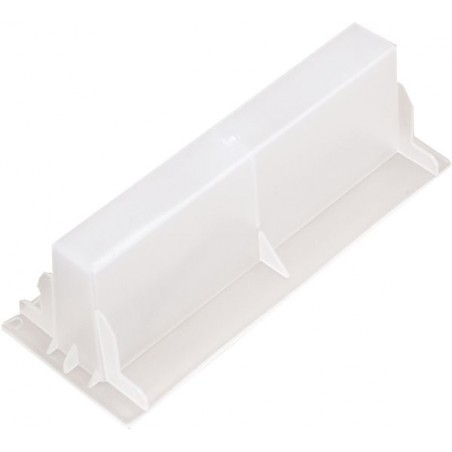
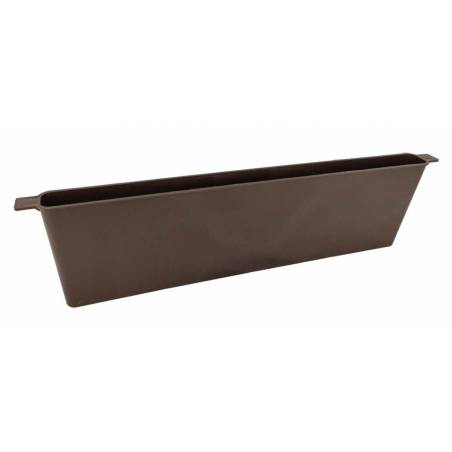
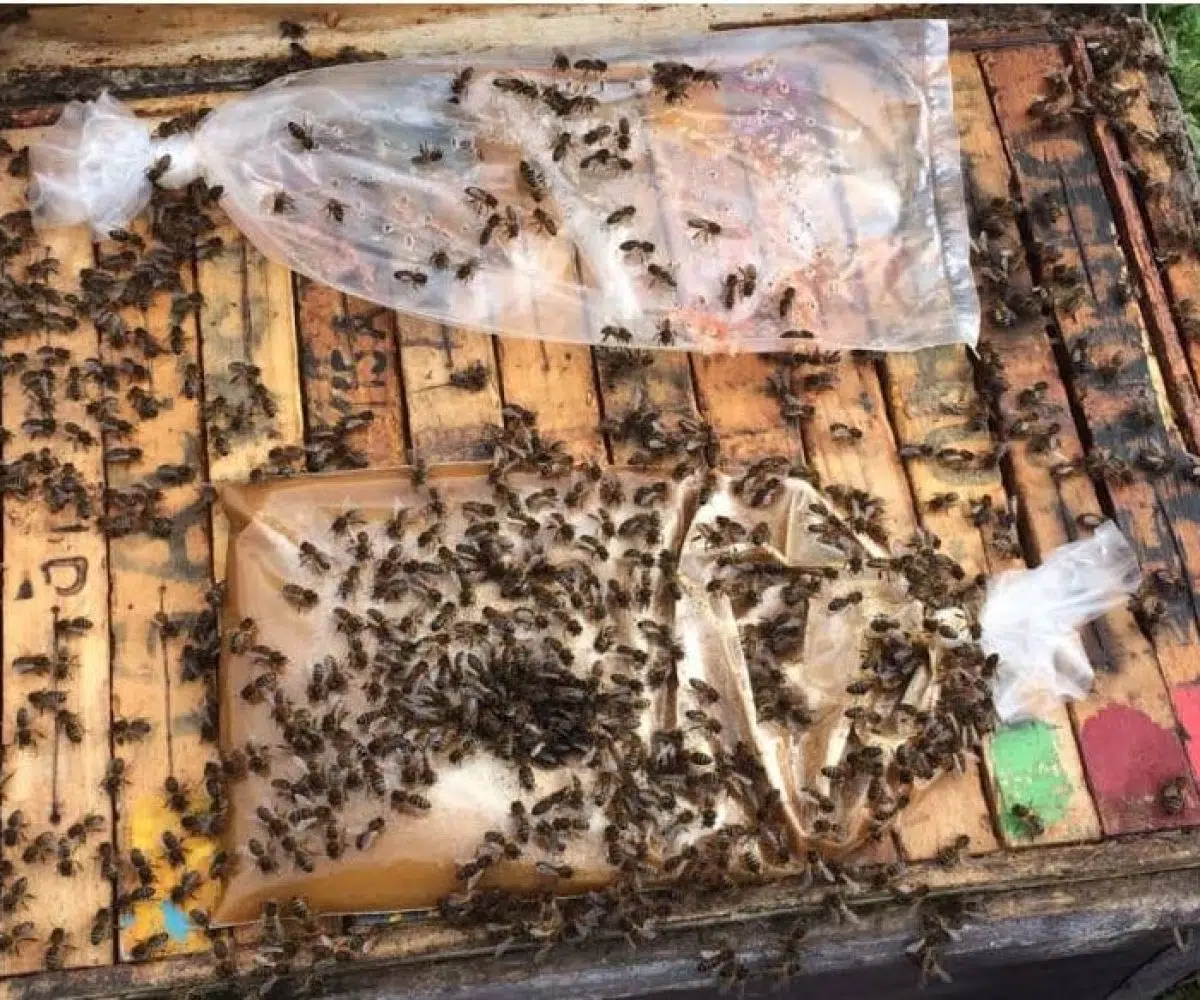
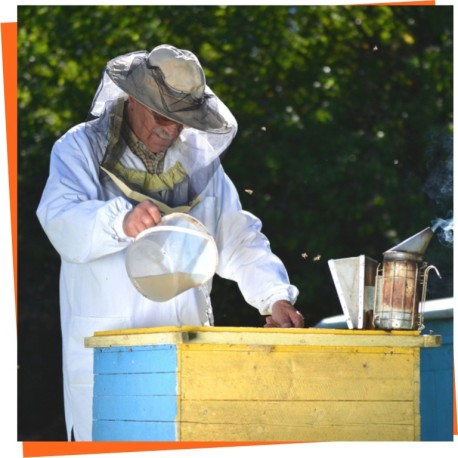
Bees can be fed by providing food substitutes such as sugar syrup, fondant and protein paste, particularly at times when natural foods like nectar and pollen are scarce. To do so, it is best to use a hive feeder, whose design and size can vary with the needs of the colony and the size of its population.
It is important to make sure the supply is steady and sufficient to keep the colony vigorous.
You should bear in mind, however, that bees must not be fed honey or pollen, especially from an unknown source, since these could carry viruses or other pathogens harmful to them.
How do you feed bees in winter?
In winter, bees can face a shortage of natural food because there are no flowers in bloom. It is therefore essential to provide an alternative supply. Beekeepers often give their bees sugar syrup, fondant and protein patties.
Note that sugar syrup given in winter should be more concentrated (2:1, sugar to water) to keep too much moisture out of the hive, which can cause problems in cold conditions.
Feeding bees in winter can be a challenge because of the cold, so bee feeders should be designed to keep the food at a temperature at which the bees can take it, avoiding freezing.
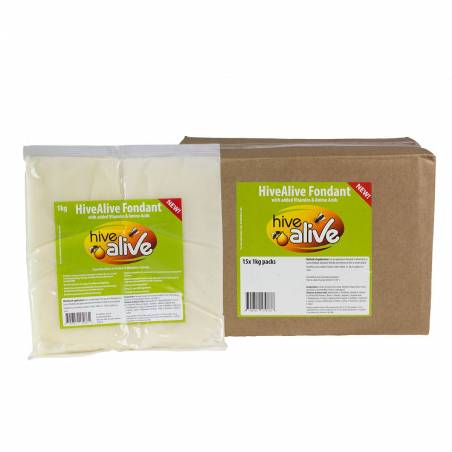
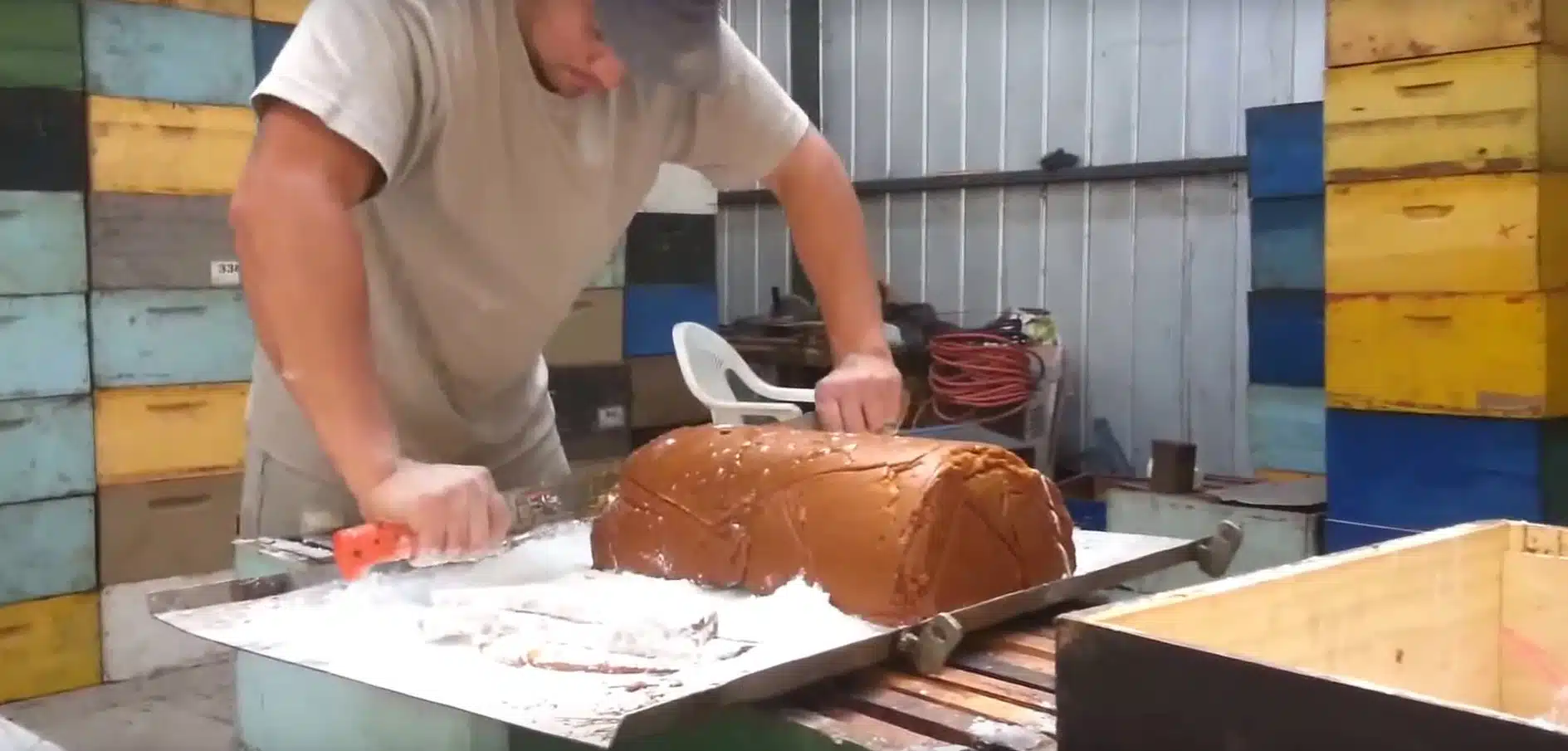
Remember, too, that in winter bees do not leave the hive to defecate, so it is better not to use dark syrups, which can cause dysentery. Use white fondant pastes instead, such as Apifonda, Apipasta and similar.
Finally, never feed bees honey of unknown origin, nor pollen: these could carry diseases that would put the colony at risk. It is better to use specialised food substitutes produced to be safe and nutritious for bees.
How do you make sugar syrup for bees?
Sugar syrup for bees is made by mixing water and sugar. The ratio depends on the time of year and the bees' particular needs. In spring and summer, when bees need more water, you can use a 1:1 ratio of sugar to water. In winter, when they need more energy and less moisture, use 2:1.
To make it, first bring water to the boil. Once it is boiling, add the sugar and stir until it has dissolved completely. Then let the syrup cool before putting it in the feeders. It is important not to add anything else to the syrup — no colourings or flavourings — as these can be harmful to the bees.
It is also essential to remember that you must never feed bees honey of unknown origin or dark sugar syrups, since these could carry diseases that would put the colony at risk. Plain white sugar and water are the safe choice for making the syrup.
Alternatively, if you would rather save time and keep things simple, you can buy ready-made, packaged syrups from specialist shops such as La Tienda del Apicultor. These syrups are usually balanced and safe for bees, and can be a practical option if you have several hives to feed. Even so, always make sure the products you buy are trustworthy and contain no ingredients that could harm the bees.
When is it necessary to feed bees?
Bees need feeding at these key moments:
• Late winter or early spring: stimulative feeding with liquid syrups and protein patties to get the queen laying and boost the brood.
• Pollen dearth: protein feeding (protein patties) to secure balanced nutrition when natural pollen is insufficient.
• During long spells without bloom, or in winter: maintenance feeding with fondant or candy so that colonies have adequate energy reserves.
• After treatments or disease: to strengthen the colony quickly and help it recover.
• When new colonies are created (nucs or packages): to support their initial establishment and growth.
Feeding appropriately for the time of year makes for healthy, strong and productive colonies.
Which type of feed is best for bees?
The best type of feed depends on the aim and the time of year:
• Liquid syrup (stimulation):
• Ideal for late winter and early spring.
• Stimulates the queen's laying and encourages the colony to build up quickly.
• Protein patties (protein supply):
• Essential when natural pollen is scarce or absent.
• Promotes healthy brood and strengthens the colony at key moments such as spring and autumn.
• Fondant or solid candy (maintenance):
• The best option during winter or long spells without bloom.
• Guarantees lasting energy reserves, preventing colony losses through starvation.
In short, there is no universally best feed: each fills a specific role according to what your hives need and the time of year.
How do I know if my hive needs extra feed?
You can tell whether your hive needs extra feed by watching for these key signs:
• Low weight, or a light hive:
If it feels light when you lift it, that can point to a lack of food reserves.
• Little or no visible reserve:
Inspect the frames; if you cannot see enough honey or stored pollen, they will need feeding.
• Less brood, or the queen laying sparsely:
A drop in the amount of brood may be down to a shortage of nutritional resources, protein above all.
• Prolonged adverse weather:
If there are long spells of cold, drought or rain limiting natural foraging, supplementary feeding matters.
• The bees' behaviour:
Sluggish, inactive bees, or bees clustered at the top of the hive, can signal an urgent need for food.
Checking these points regularly will help you decide when to give your hives extra feed.
Is it safe to feed bees white sugar?
Yes, it is safe to feed bees refined white sugar, although the easiest and most advisable route is to use ready-made syrups, so that the proportions and the product are right and you save preparation time. If you decide to make it yourself, remember that the sugar must not be given directly: first dissolve it in clean water to form a syrup (1 part sugar to 1 of water for stimulation, or 2 parts sugar to 1 of water for winter reserves), warming the water slightly to help it dissolve. Then let it cool and place the syrup in dedicated feeders inside the hive, ensuring correct feeding and avoiding risks to the bees.
What is the best way to give bees their feed?
The best way to give bees their feed depends on the aim and the time of year. To stimulate laying and build-up quickly in spring, the ideal is liquid syrup in internal feeders, close to the brood chamber. If you are after protein because pollen is short, protein patties are the most efficient option, laid directly on top of the frames. In winter, on the other hand, or in long spells of dearth, solid fondant placed above the central frames is the most suitable, since it lets the bees reach the food without breaking the warmth inside the hive. In every case the feed should be protected inside the hive, never in the open.