 Apipasta with vitamins 15kg
 Beecomplet® Spring 14Kg
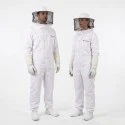 Beekeeper suit with round veil
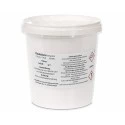 Oxalic acid 1kg
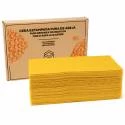 Beeswax Foundation 5kg
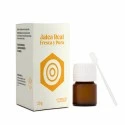 Fresh royal jelly 20g
 Classic honey jar 1kg comb-lines TO77 - Pack of 16 units
 Promotor L Apis 1 litre
- Out of stock

 Share in WhatsApp
65 % CRUDE PROTEIN | <180 µm PARTICLE SIZE |
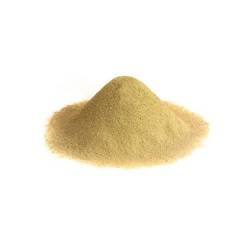
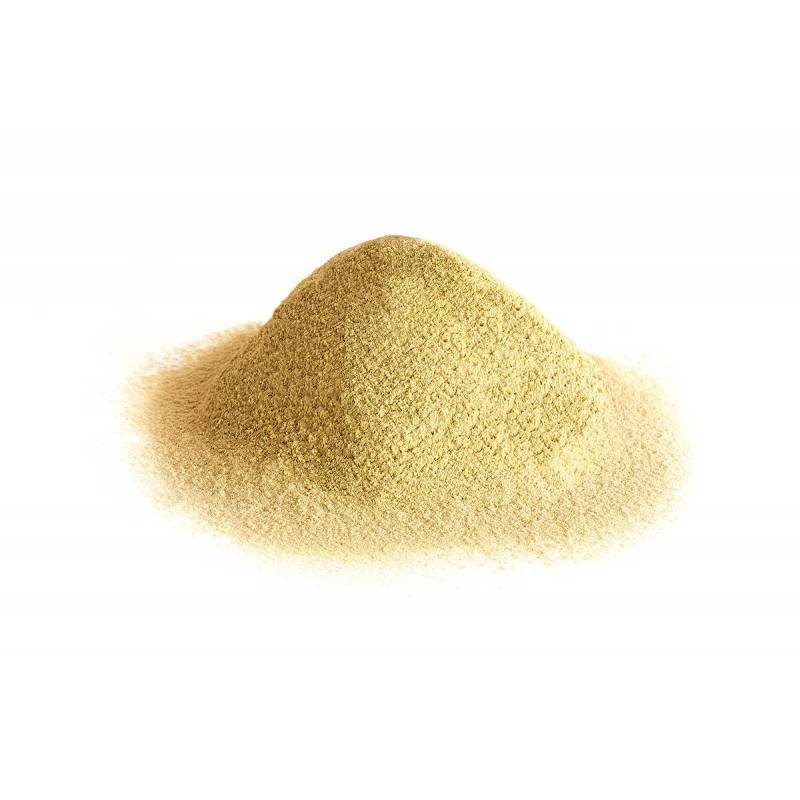
Non-GMO soy concentrate, micronised below 180 microns, for making your own protein patty or candi. A feed raw material, not a finished food.
At 65 % crude protein this is not feed-grade soy flour: it is a concentrate, and the process that concentrates it is exactly what makes it digestible for the bee.
01 · WHEN IT IS NEEDED
Nectar provides energy; protein comes from pollen, and out of it come the nurse bee's hypopharyngeal glands, the jelly she feeds the larva with and the body reserves of the winter bee. When no pollen is coming in and the colony keeps brooding — the February-March start-up, a gap between flows, recovery after a setback — brood is sustained by consuming the nurses' own bodies. That is where a protein substitute comes in. And the other way round: if pollen is coming in, the patty is redundant — bees prefer the real thing and leave it untouched.
02 · NOT ORDINARY SOY FLOUR
Defatted feed-grade soy flour runs at 44-48 % protein; this one reaches 65 % because it undergoes an aqueous-alcoholic extraction that removes the soluble carbohydrates. That fraction also carries away the antinutritional factors — trypsin inhibitors, oligosaccharides, saponins, β-conglycinin — which the bee digests poorly in conventional soy and which are part of why a home-made patty with cheap flour just sits in the feeder. Micronising below 180 µm does the rest: the powder blends into the mix instead of separating out into lumps at the bottom.
03 · HOW IT IS USED
Protein goes in at a low proportion: the base of a patty is still sugar — inverted syrup and dextrose — and the soy is the fraction that supplies the amino acid profile. Specific recipes are on our blog and in the answered questions on this page. It combines well with brewer's yeast, which brings a different amino acid and vitamin profile; many beekeepers use both in the same mix. Two field warnings: a dry patty does not get eaten — it has to stay plastic, not brittle — and whatever is left over in the feeder ends up with wax moth, so put in only what the colony will clear in a week or two.
04 · BEFORE YOU BUY
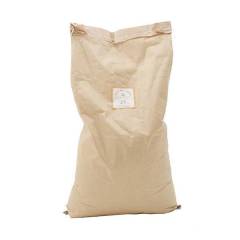
Supplied in 5 kg and 25 kg sacks. It is classified as a feed raw material under regulation (EU) No 68/2013 — an ingredient, not a complete diet, and no full replacement for pollen: it supplies protein, not the lipids and sterols of natural pollen. Keep the sack closed, dry and away from heat.
| ✓ FITS | Making your own protein patty or candi to sustain brood with no pollen coming in. |
| ✕ IT IS NOT | A ready-to-place feed: it has to be formulated with sugar and water. |
| ⚠ NOTE | With pollen coming in the colony will not touch it. Protein is fed when it is missing. |
| LTA reference | 070227 |
|---|---|
| Product | Micronised soy concentrate, non-transgenic (non-GMO) |
| Crude protein | 65 % |
| Particle size | Below 180 microns |
| Process | Aqueous-alcoholic extraction of defatted soy |
| Antinutritional factors | Removed in the process (trypsin inhibitors, oligosaccharides, saponins, β-conglycinin) |
| Classification | Feed raw material · regulation (EU) No 68/2013 |
| Formats | 5 kg sack and 25 kg sack |
| Storage | Original container closed, cool and dry |
1 file available

check_circle
check_circle