
-
Beehives
- Complete beehive
- Accessories
-
Nuc hives
- Nucs by format
- With bees & mating
- Spare parts
-
Bee equipment
- For the apiary
- For the beekeeper
-
Clothing
- Clothing Accessories
-
Beeswax
-
Pure beeswax
- Beeswax and foundation
- Beeswax foundations
- Melting and rolling beewax
-
Pure beeswax
-
Bee feed
- Accessories and source materials
- Utensils
-
Bee health
- Varroa Treatments
- Diseases control
- Nutraceuticals
-
Extraction and bottling
- Before extraction
- Honey extraction
- After extraction
-
Bee pollen
- Harvest
- Indicted
-
Honey packaging
- Flasks per utility
- Flasks by size
- Other packaging
 Apipasta with vitamins 15kg
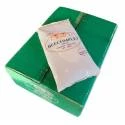 Beecomplet® Spring 14Kg
 Beekeeper suit with round veil
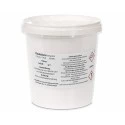 Oxalic acid 1kg
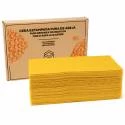 Beeswax Foundation 5kg
 Fresh royal jelly 20g
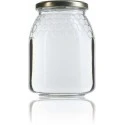 Classic honey jar 1kg comb-lines TO77 - Pack of 16 units
 Promotor L Apis 1 litre
Beehive frames
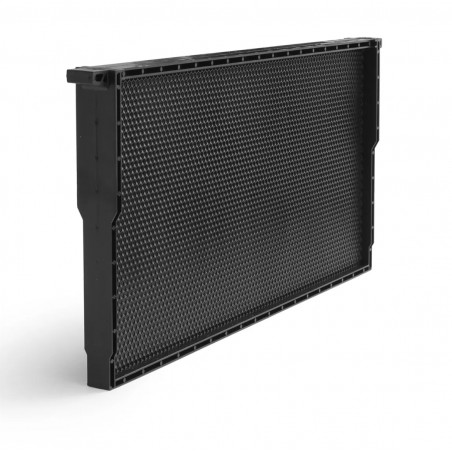
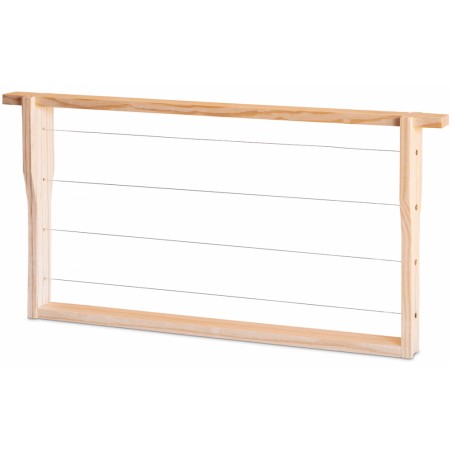
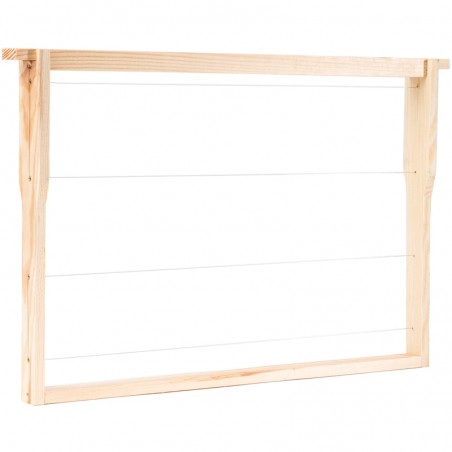
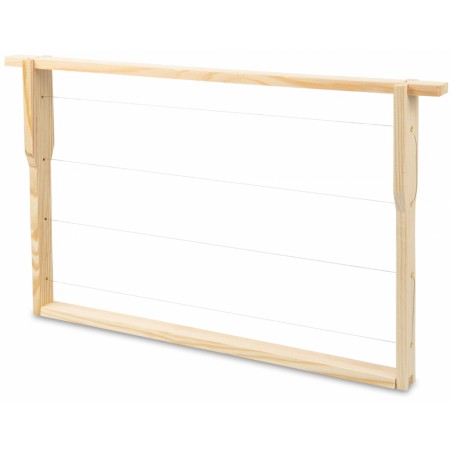
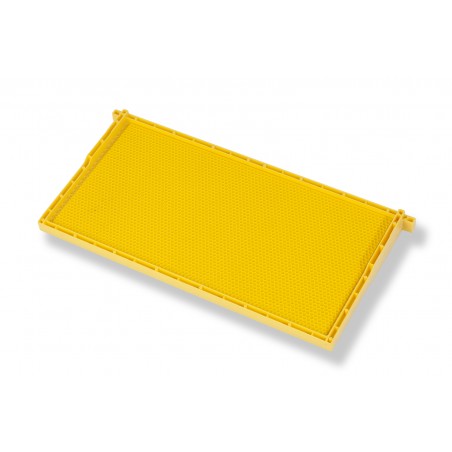
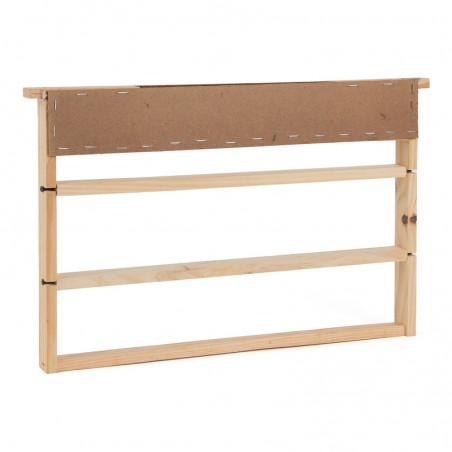
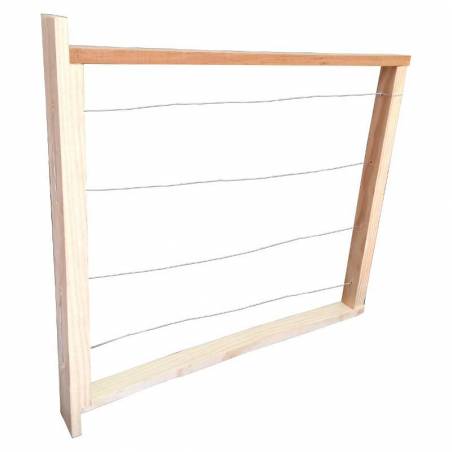
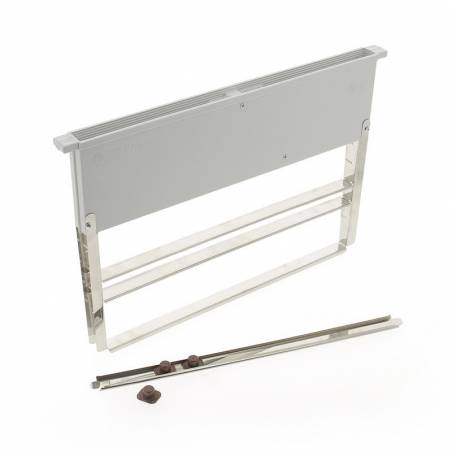
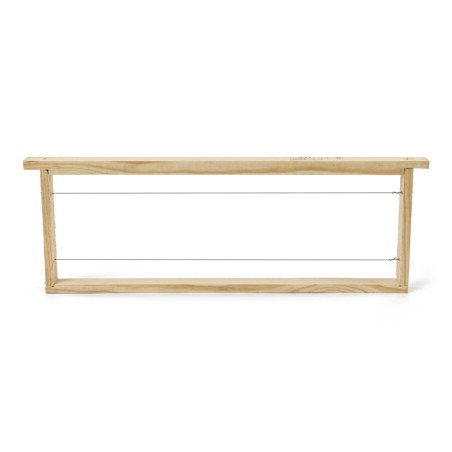
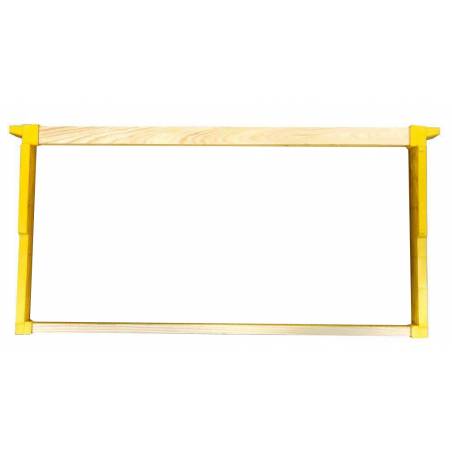
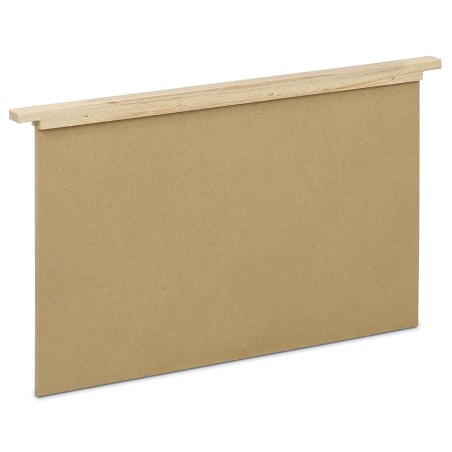
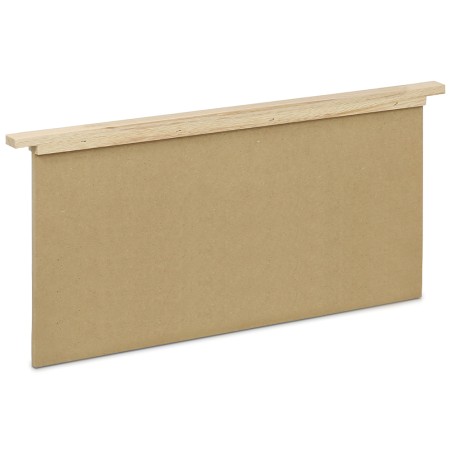
Wooden and plastic frames in every size: Langstroth, Dadant, Layens, shallow super and Kieler nucleus. Straight, Hoffmann, wired and premium with eyelet. From €0.95.
Hive type
Material
Brand
Price
-
€0.00 - €23.00
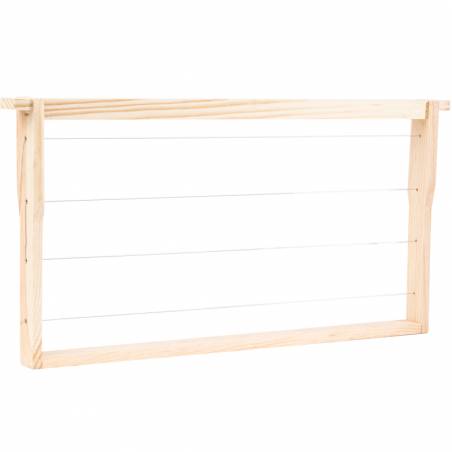
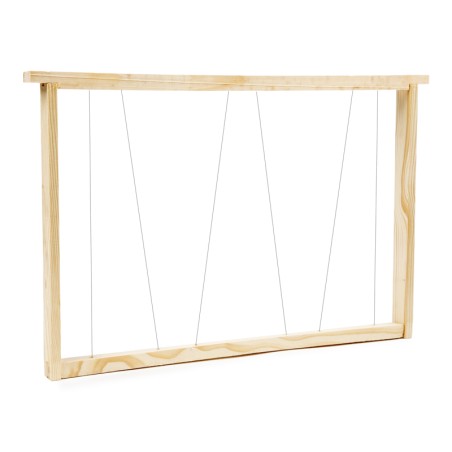
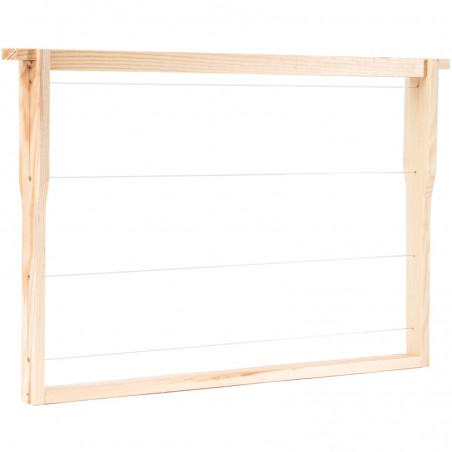
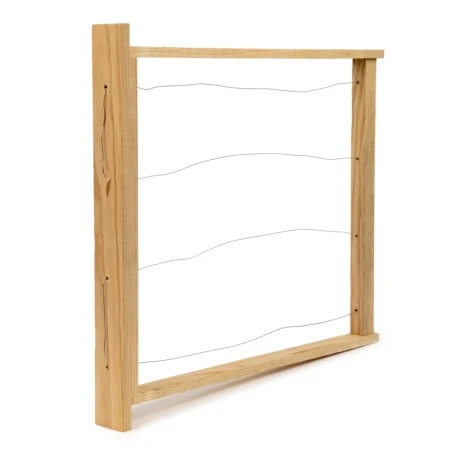
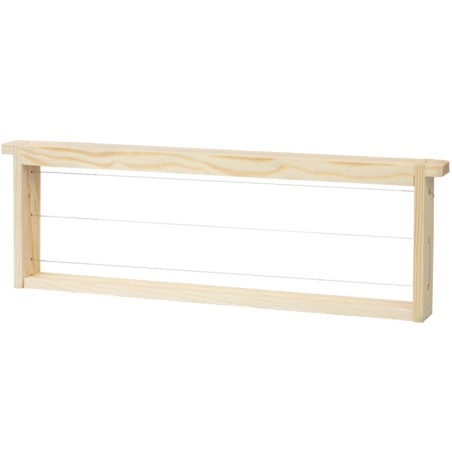
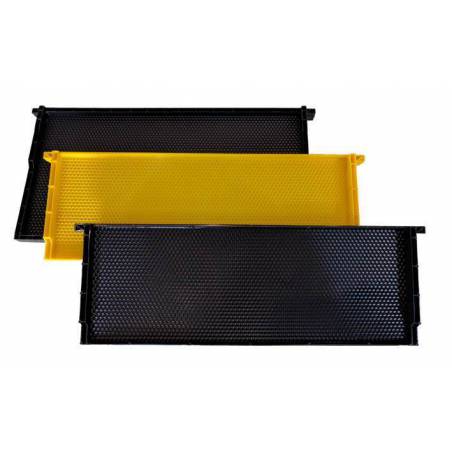
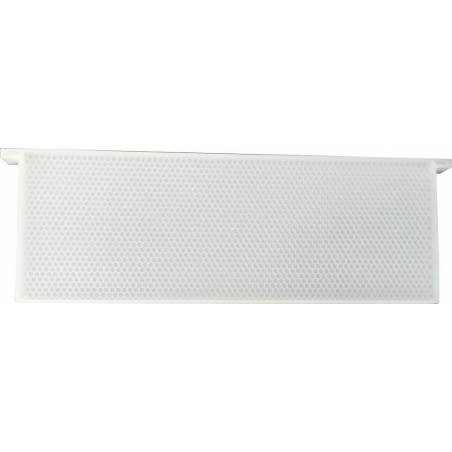
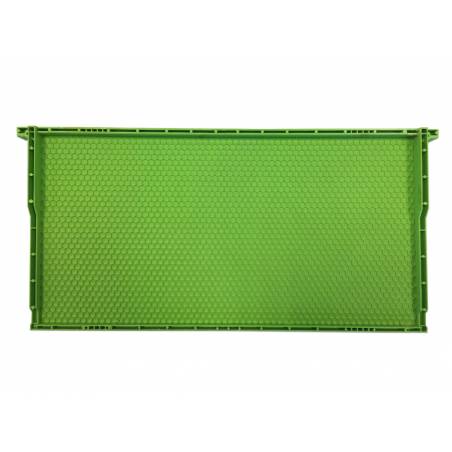
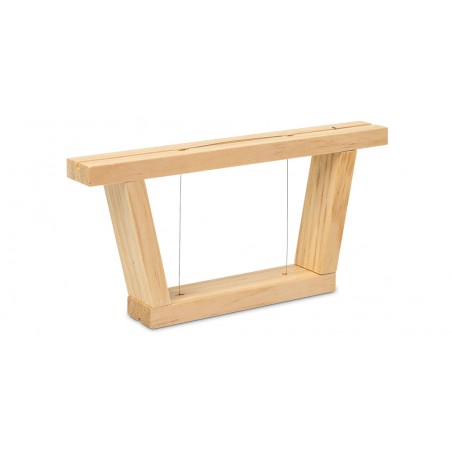
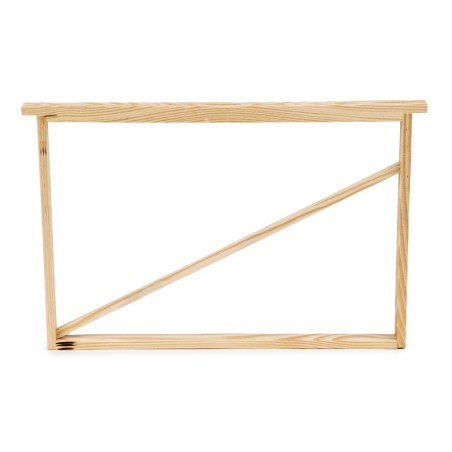
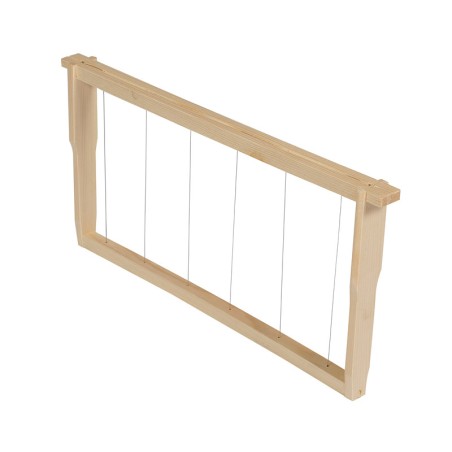
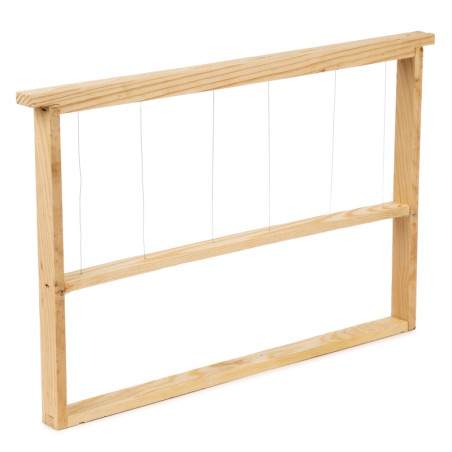
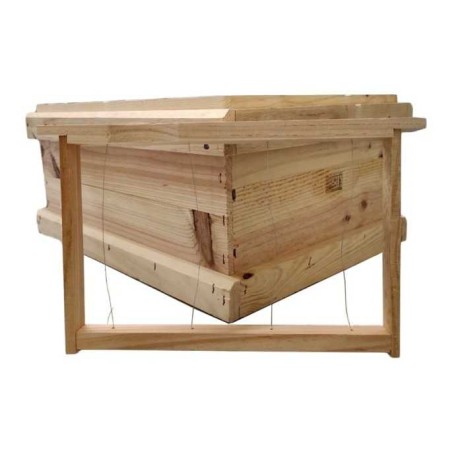
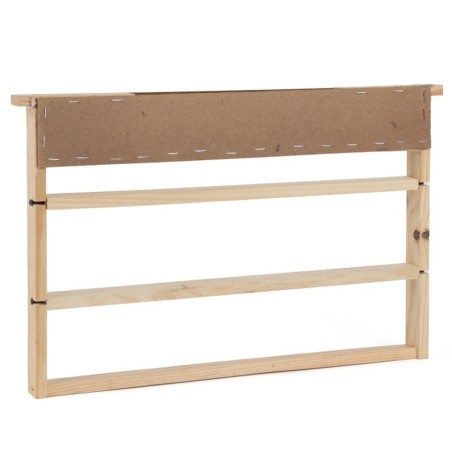
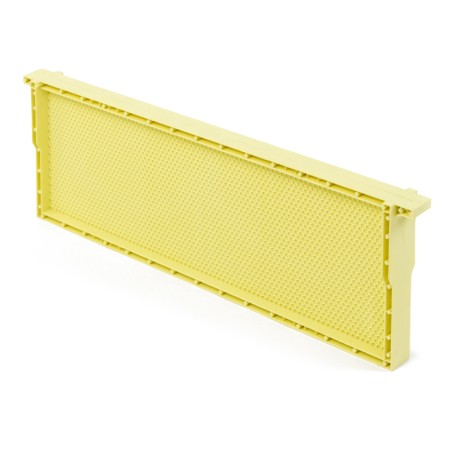
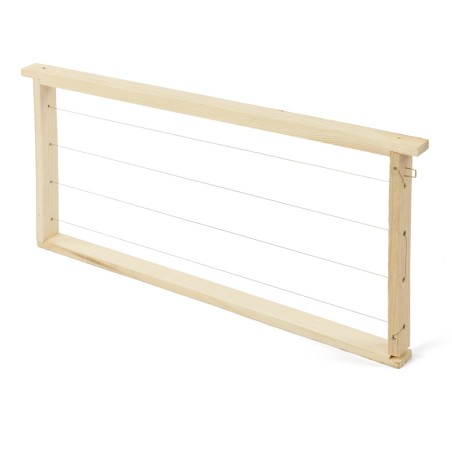
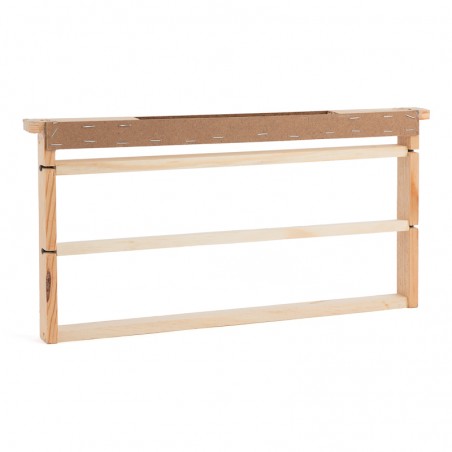
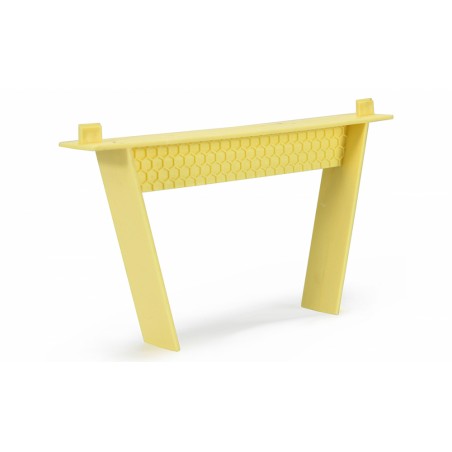
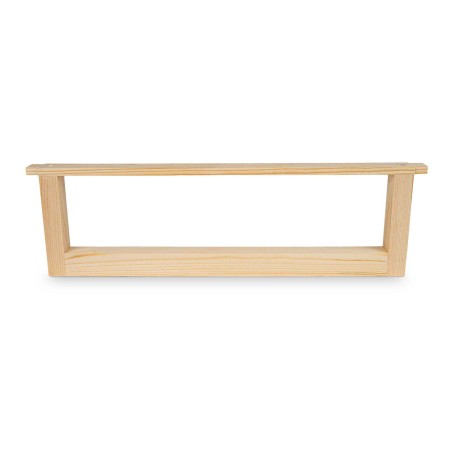

A frame does not cost what the label says: it costs your evenings
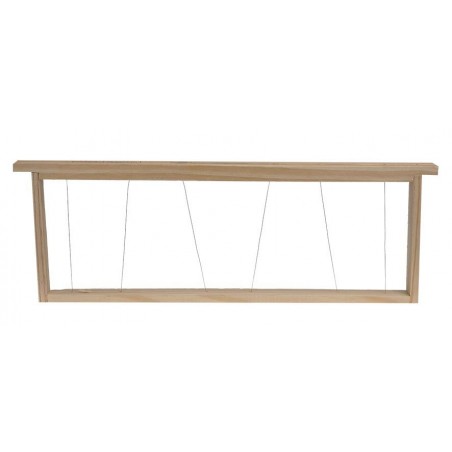
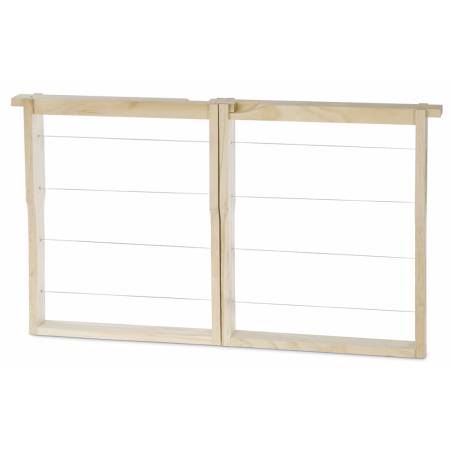
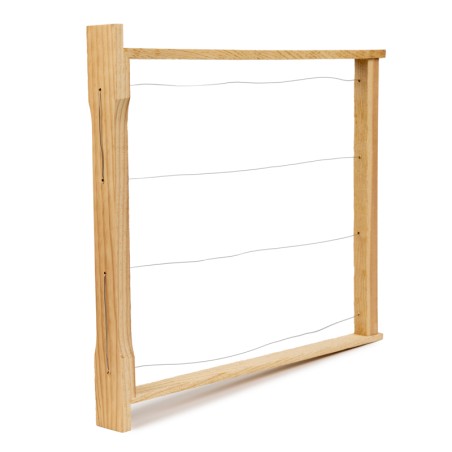
Between a plain frame and one that arrives already wired and tensioned there are a few cents of difference, and almost everyone buys the cheap one. Do the full sum: wiring, tensioning and waxing a frame takes minutes, and on a fifty-hive operation we are talking about hundreds of frames a year across brood boxes, supers and replacement. Those cents buy winter hours, and winter hours are worth money too.
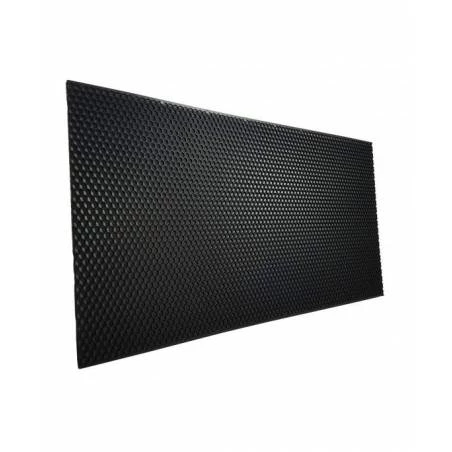
And it is not a one-off purchase: wax is renewed at around 20-30 % a year if you want healthy comb, so the frame is a recurring consumable, not an initial investment. That is why it pays to settle format and supplier calmly once and not keep changing: an apiary with three different frame sizes is an apiary where you can never move a comb from one hive to another — which is exactly what you need most on the day you have to save a colony.
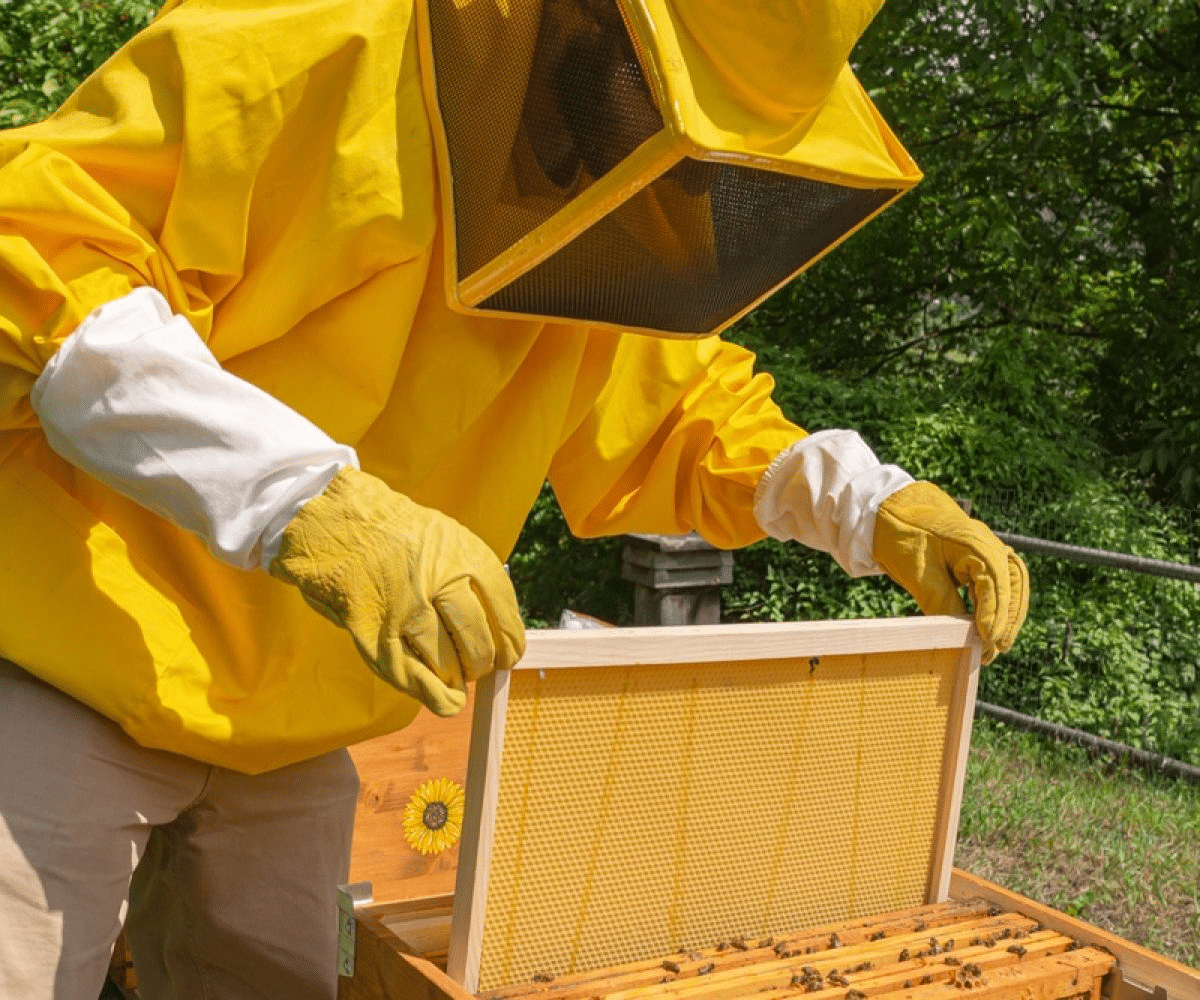
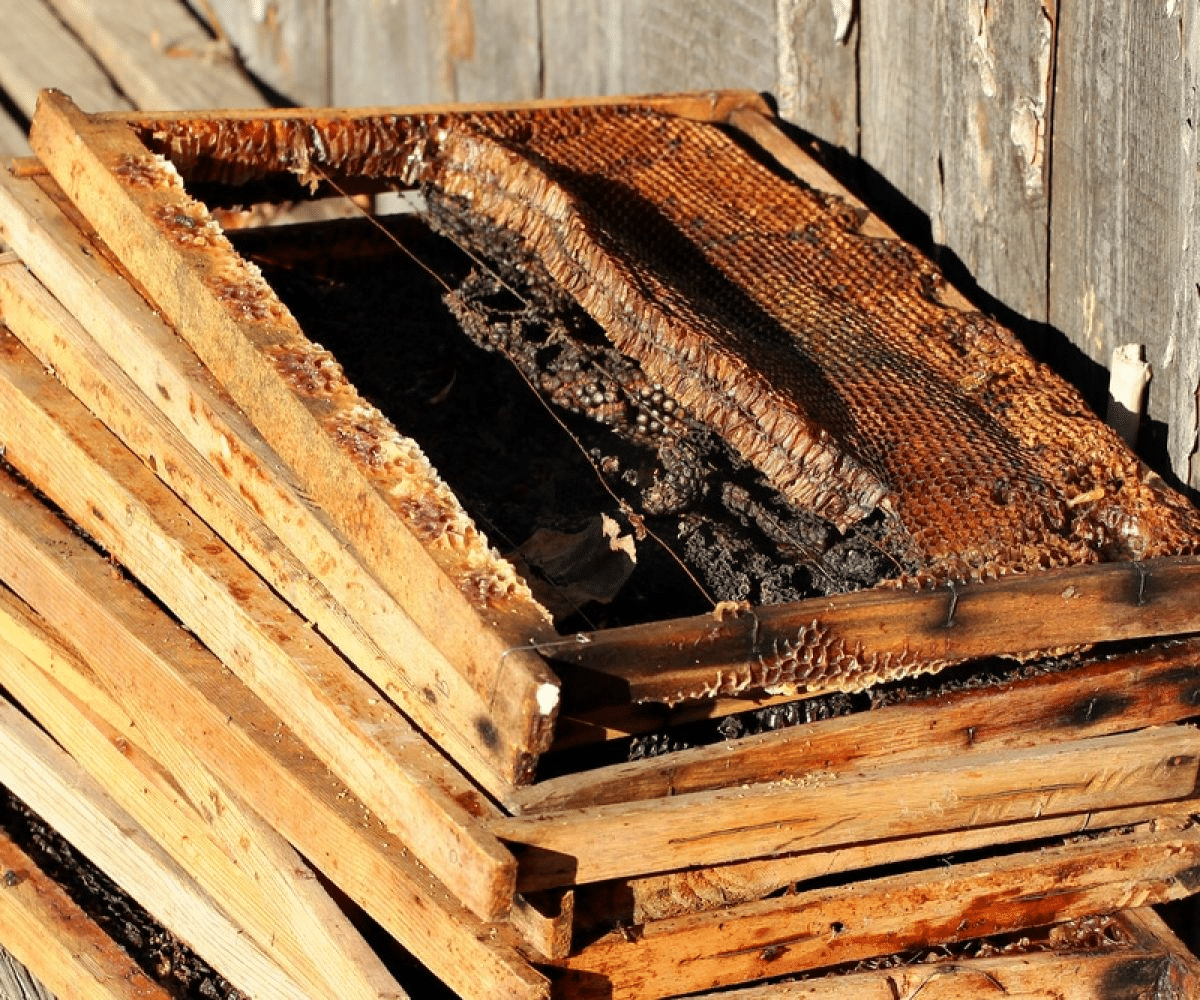
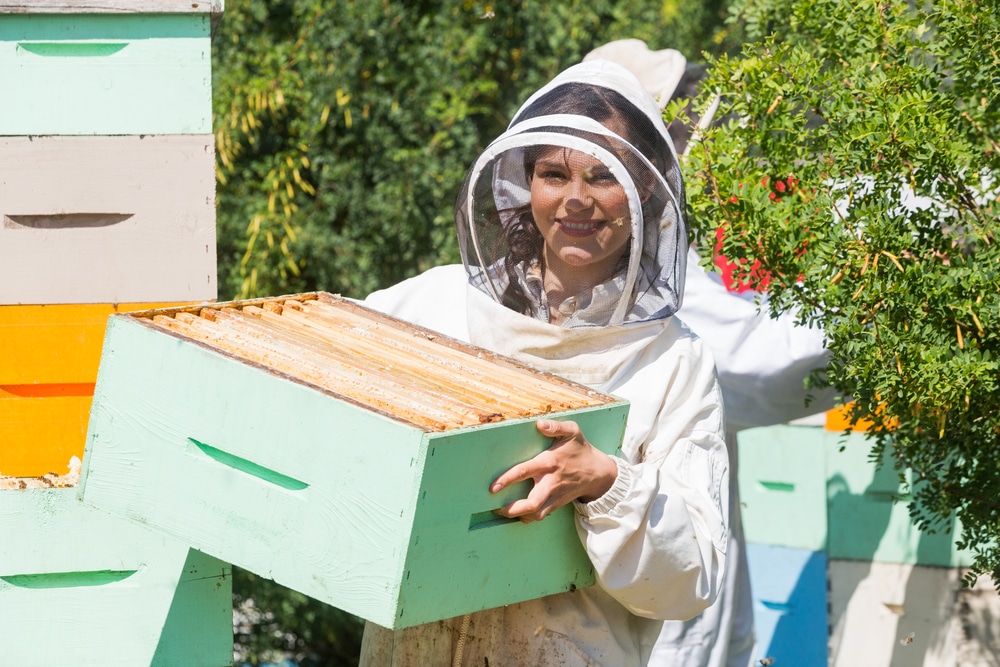
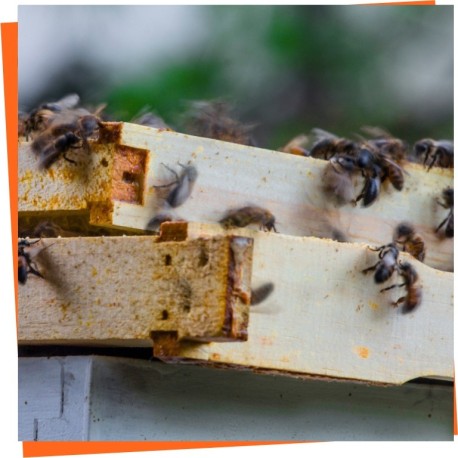
Beehive frames
Before looking at price you have to get the size right, and with frames the size is not deduced from the hive's name: there are regional variants that are not interchangeable.
The sizes
- Langstroth — 42 × 20 cm. The same frame in brood box and full super, which is its great advantage.
- Dadant — 42 × 27 cm in the brood box and 42 × 13 cm in the shallow super. Body and super do not share a frame.
- Layens — 35 × 30 cm, and watch the "Castellón" variant, which is a different size.
- Shallow super and Kieler nucleus — specific formats, from €0.95.
Straight, Hoffmann or premium
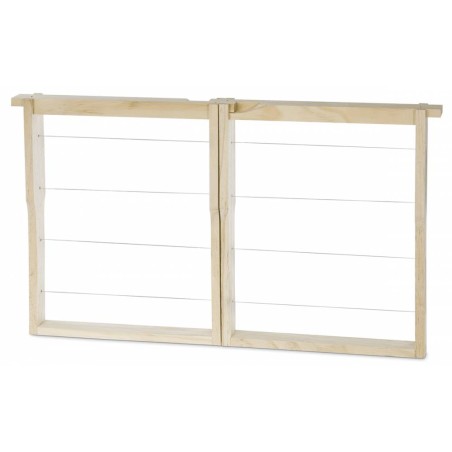
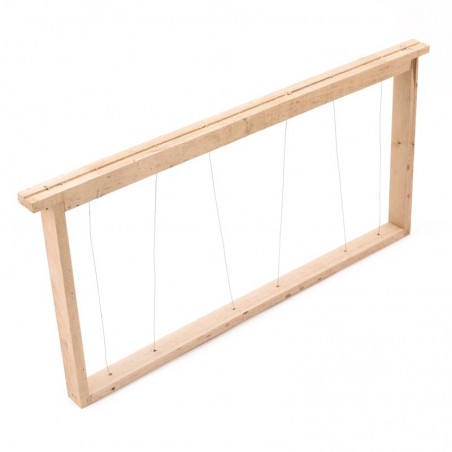
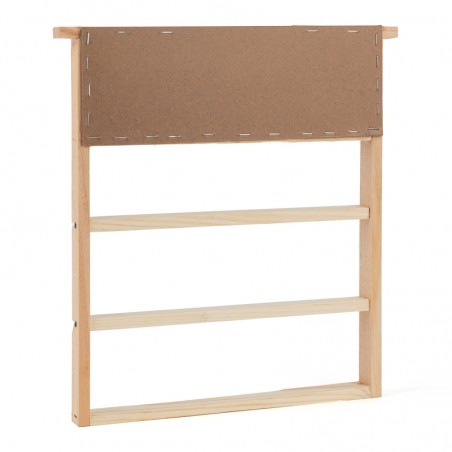
The straight one (from €0.95) is the basic and needs a separate spacer. The Hoffmann has the spacer built into the side bar: a few cents more, and it saves a part and an adjustment per frame, which multiplied by a whole hive is real time.
The premium with eyelet adds a metal reinforcement where the wire passes, so tensioning does not cut the wood. It is the difference between a frame that lasts ten years and one that opens up at three.
Vertical or horizontal wiring
Horizontal stands up better to centrifugal force in extraction, because the wire works in the direction the honey pushes. Vertical is quicker to wire. If you extract radially at high speed, horizontal is the one that saves you trouble.
Wood or plastic
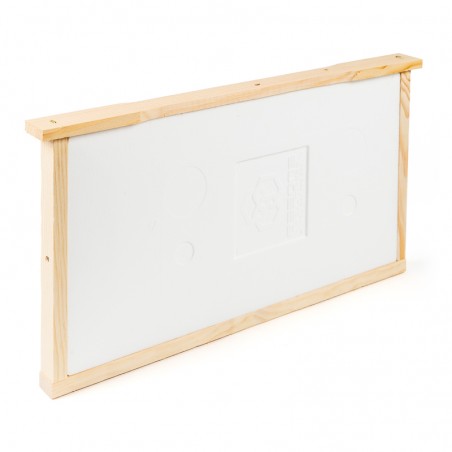
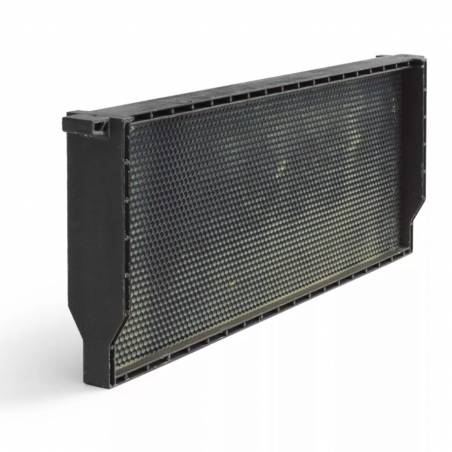
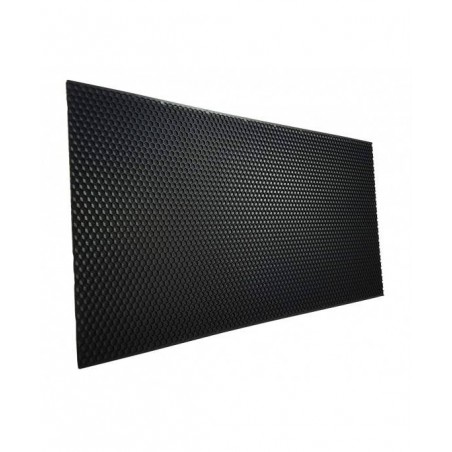
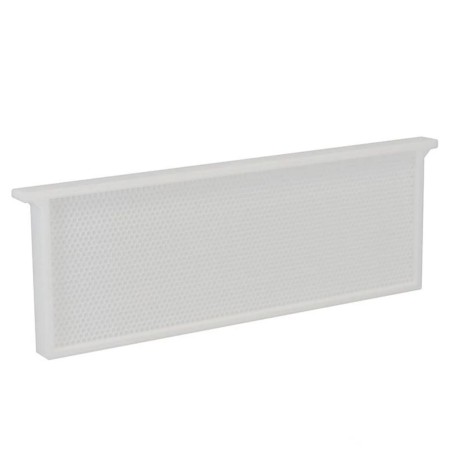
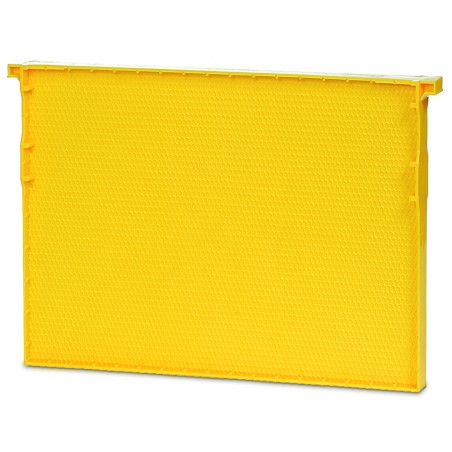
Plastic needs no wiring or waxing and washes with a pressure hose, but the bees accept it less readily than wood with foundation, especially if the comb is cold or the colony is not strong. If you are going to assemble them yourself, count the time: wiring and waxing fifty frames is an afternoon, and the kit for it is in wiring and waxing.