-
Beehives
- Complete beehive
- Accessories
-
Nuc hives
- Nucs by format
- With bees & mating
- Spare parts
-
Bee equipment
- For the apiary
- For the beekeeper
-
Clothing
- Clothing Accessories
-
Beeswax
-
Pure beeswax
- Beeswax and foundation
- Beeswax foundations
- Melting and rolling beewax
-
Pure beeswax
-
Bee feed
- Accessories and source materials
- Utensils
-
Bee health
- Varroa Treatments
- Diseases control
- Nutraceuticals
-
Extraction and bottling
- Before extraction
- Honey extraction
- After extraction
-
Bee pollen
- Harvest
- Indicted
-
Honey packaging
- Flasks per utility
- Flasks by size
- Other packaging
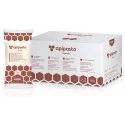 Apipasta with vitamins 15kg
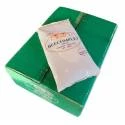 Beecomplet® Spring 14Kg
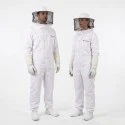 Beekeeper suit with round veil
 Oxalic acid 1kg
 Beeswax Foundation 5kg
 Fresh royal jelly 20g
 Classic honey jar 1kg comb-lines TO77 - Pack of 16 units
 Promotor L Apis 1 litre
Beekeeper Boots
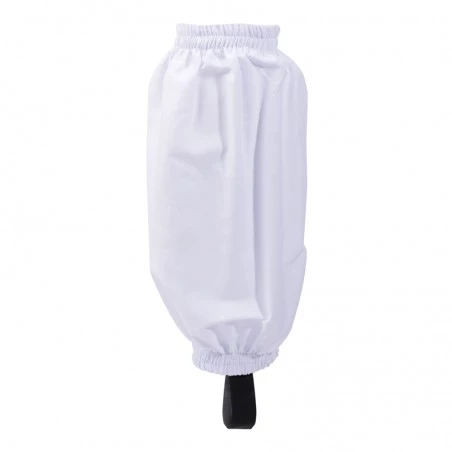
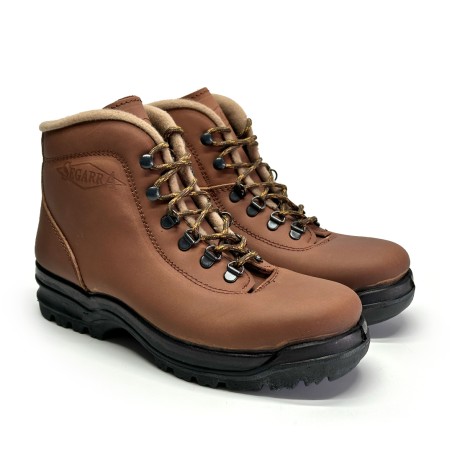
Beekeeping boots in leather and synthetic, from €30.95 to €54.50, and gaiters from €6.90.
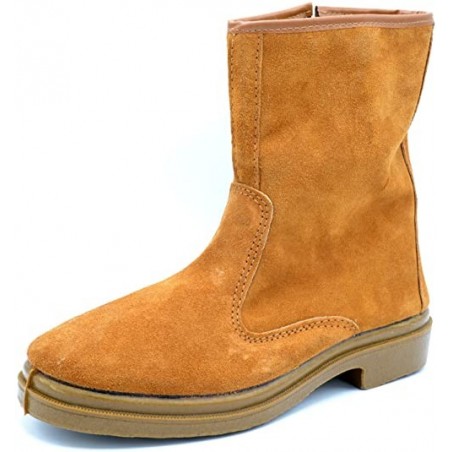
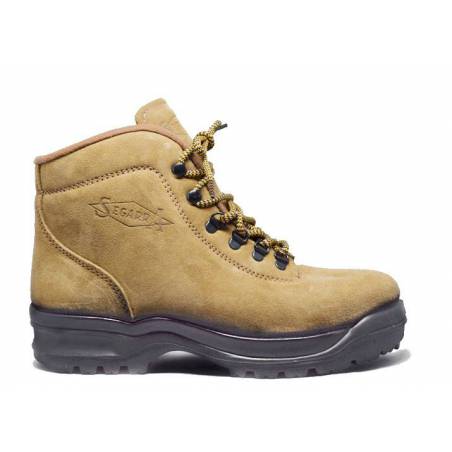
How to choose beekeeping boots
Beekeeping boots aren't just field footwear: they're an important part of the suit's protective closure. Many stings don't come because the suit is bad, but because a gap is left at the ankles, the bottom of the trousers or the shaft area. That's why, to work with hives, I'd always prioritize boots that come up high enough, close well with the trousers or the suit and have a sole with good grip. In an apiary you don't step on perfect ground: there's mud, grass, stones, uneven terrain, moisture and sometimes you work carrying supers, frames or equipment. An uncomfortable or slippery boot doesn't just bother you; it also makes you move worse in front of the bees.
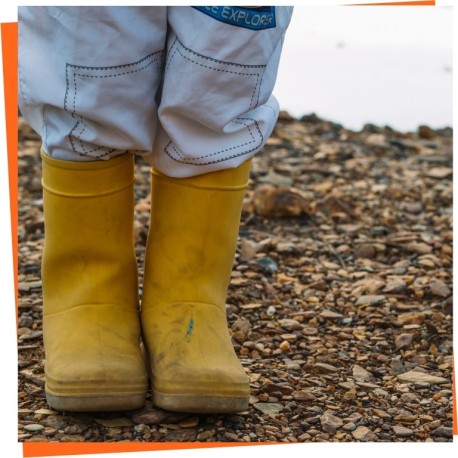
My advice is to choose the material according to how you work. Rubber or PVC boots are usually practical if you want waterproofness, easy cleaning and protection against mud or moisture, although they can be hotter and less breathable in summer. Leather boots usually give more comfort, a better fit and a more natural feel when walking, but they need more care and I wouldn't choose them to go continually into mud or water if they aren't well treated. Gaiters are very useful as reinforcement: they help close the bottom of the trousers and prevent bees from climbing up the leg, but I wouldn't use them as a substitute for a good boot if the ground is hard or wet. For me, the best choice is the one that lets you work safely, with a stable foot and no gaps where bees can get in.
Beekeeper Boots
A beekeeping boot does not protect from the sting: it protects from the ground and, above all, it lets you close the ankle.
Why the shaft matters
The ankle is entry point number one when you crouch beside an entrance. A high-shaft boot lets you tuck the trouser hem inside and close it with velcro or a gaiter; a trainer does not. That detail is worth more than the material.
Leather or synthetic
- Leather (€54.50) — more durable and more comfortable over a long day, but it absorbs and needs care.
- Synthetic (€30.95-43.95) — hoses down, which in a muddy apiary is appreciated, and costs less.
Gaiters (€6.90) are the alternative if you already have footwear that suits you: they cover the boot-trouser join without changing boots.
A note that is not about the boot
Light colour and clean footwear matter: bees react worse to dark things and to smells. A leather boot that has trodden everything and never gets washed carries more alarm signals than you think. The rest of the kit is in suits and clothing.
What features should be present in beekeeping boots?
They should fit snugly around the ankle and allow the trousers or overalls to overlap without gaps. Look for soles with appropriate grip for the terrain, stability, a comfortable size with work socks, and a material suitable for moisture, mud, heat, and frequent cleaning.
A high boot reduces entry points, but it should not limit mobility or increase the risk of tripping. For slopes or long working days, support and the sole are more important than an excessively rigid shaft. If you already have suitable field footwear, compatible gaiters can complete the closure.
What materials are used in beekeeper boots?
Depending on the model, they can be made of rubber or similar waterproof materials, leather, technical fabrics or combinations. Rubber and PVC make cleaning easier and protect against mud, but they offer little breathability; leather provides support and comfort when walking, although it requires drying and maintenance; gaiters add a barrier over other footwear.
Check the datasheet for information on waterproofing, lining, sole and care. 'Beekeeper boot' describes the intended use, not a single material or automatic certification against chemicals or punctures.
Do beekeeping boots prevent stings?
They reduce the access of bees to the feet and ankles, especially when the trousers overlap well with the suit. They do not guarantee total protection: a bee can enter from the top or sting through thin and tight areas.
Close the trousers over the boot or use the system provided by the suit, without leaving open folds. Check for cracks, seams and sole before entering the apiary. Footwear should provide protection against bees while considering the risks of the terrain, such as mud, stones, slopes or tools.
Do all beekeeper boots provide ankle protection?
Not to the same extent. A high boot covers more and reduces the gap with the trousers; an ankle boot may offer better mobility, but it requires a suit closure or gaiter to complete the area. The ankle's mechanical support also varies depending on the sole, shaft and construction.
Check the height and closure system of the model. For work on slopes or transporting supers, prioritise stability and fit as well as coverage. A high but loose boot can allow bees in if not properly secured.
Are beekeeping boots unisex?
Most are offered by size and fit rather than gender. There should be enough room to move the toes and wear the intended sock, without the heel lifting or the foot sliding inside.
Check each brand's chart, as the same size may vary in length or width. In models without laces or adjustments, the fit and shaft circumference are especially important to prevent chafing and maintain the closure with the suit.