
-
Beehives
- Complete beehive
- Accessories
-
Nuc hives
- Nucs by format
- With bees & mating
- Spare parts
-
Bee equipment
- For the apiary
- For the beekeeper
-
Clothing
- Clothing Accessories
-
Beeswax
-
Pure beeswax
- Beeswax and foundation
- Beeswax foundations
- Melting and rolling beewax
-
Pure beeswax
-
Bee feed
- Accessories and source materials
- Utensils
-
Bee health
- Varroa Treatments
- Diseases control
- Nutraceuticals
-
Extraction and bottling
- Before extraction
- Honey extraction
- After extraction
-
Bee pollen
- Harvest
- Indicted
-
Honey packaging
- Flasks per utility
- Flasks by size
- Other packaging
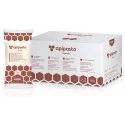 Apipasta with vitamins 15kg
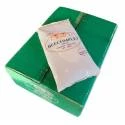 Beecomplet® Spring 14Kg
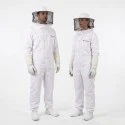 Beekeeper suit with round veil
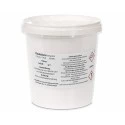 Oxalic acid 1kg
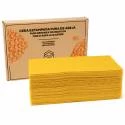 Beeswax Foundation 5kg
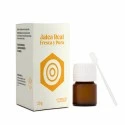 Fresh royal jelly 20g
 Classic honey jar 1kg comb-lines TO77 - Pack of 16 units
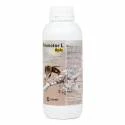 Promotor L Apis 1 litre
Bee Pollen
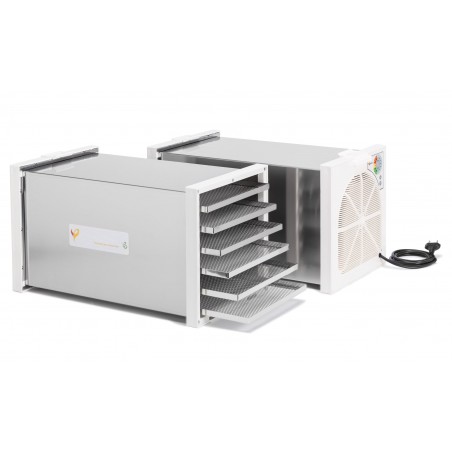
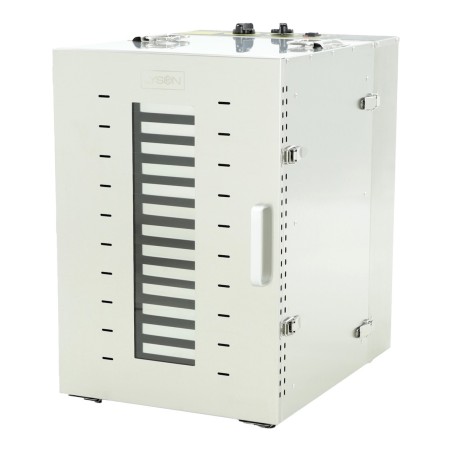
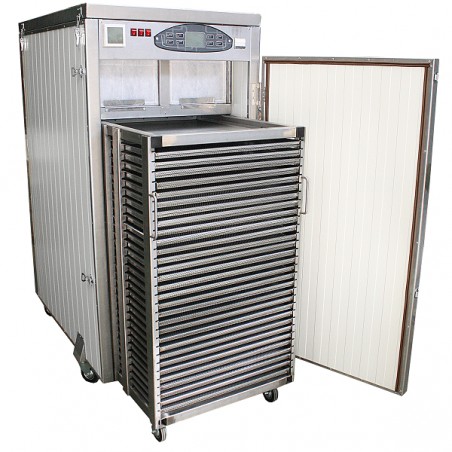
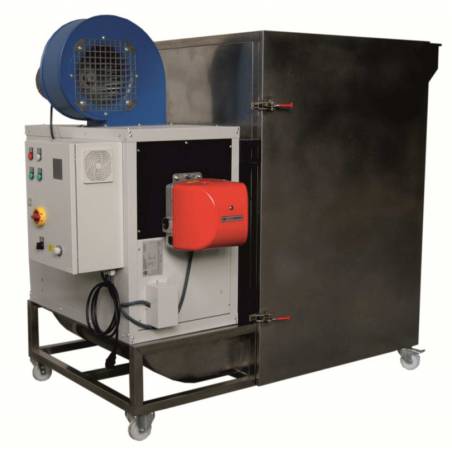
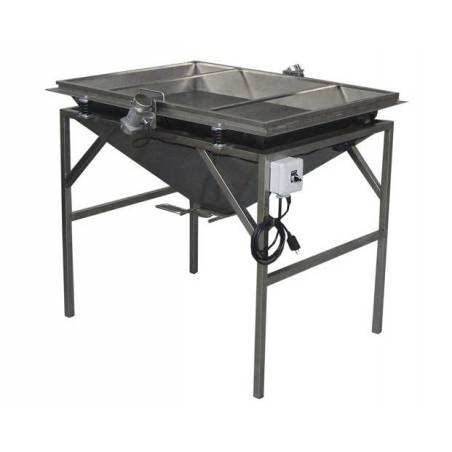
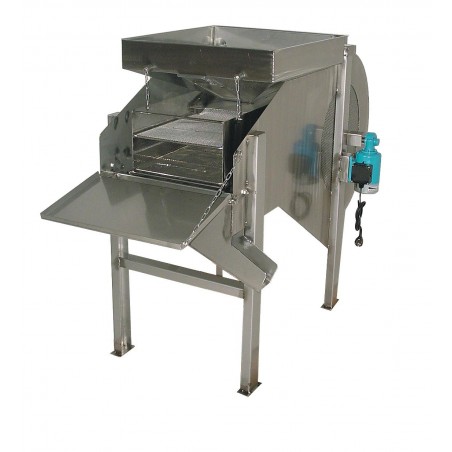
The whole pollen process: traps and grids, trays, food-grade boxes and bags, driers, cleaners and sieves. Forty-one references from €0.29.
- Indicted
Categories
Brand
Price
-
€0.00 - €14,395.00
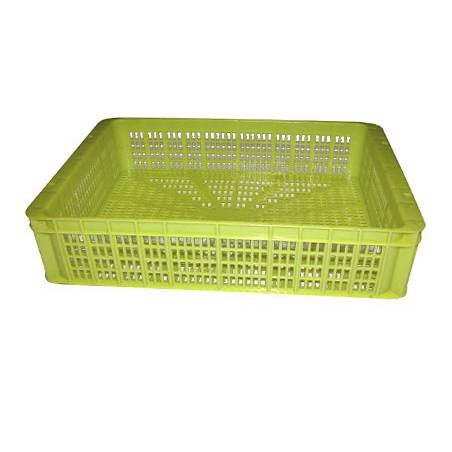
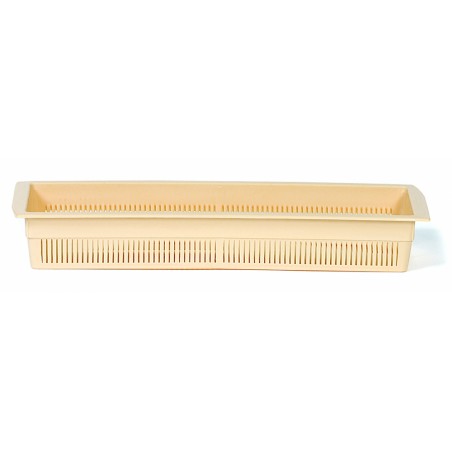
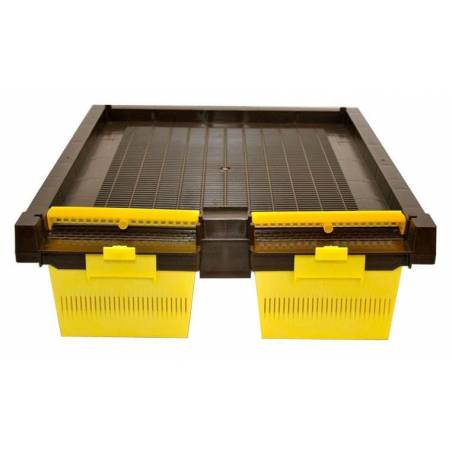
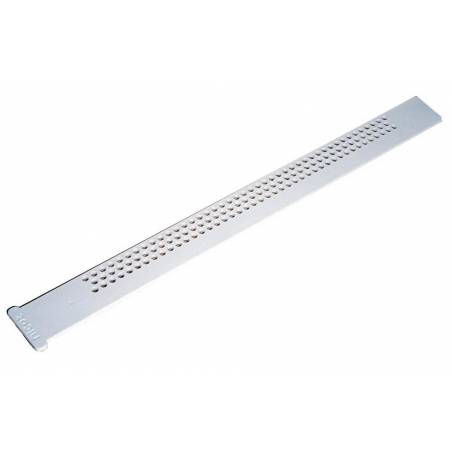
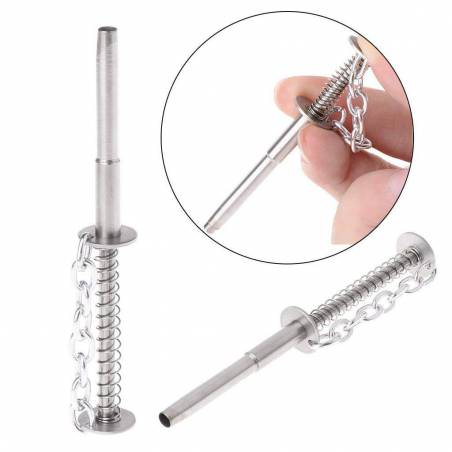
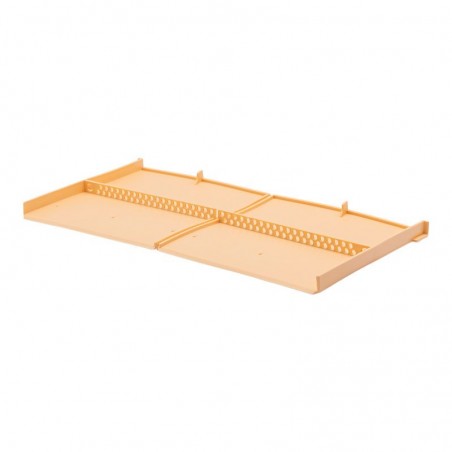
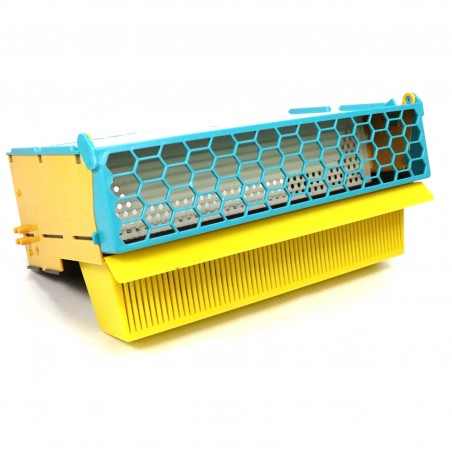
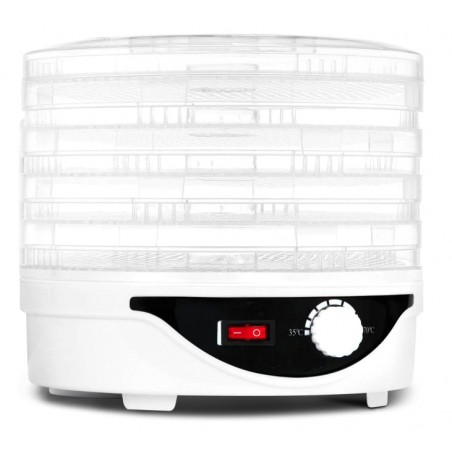
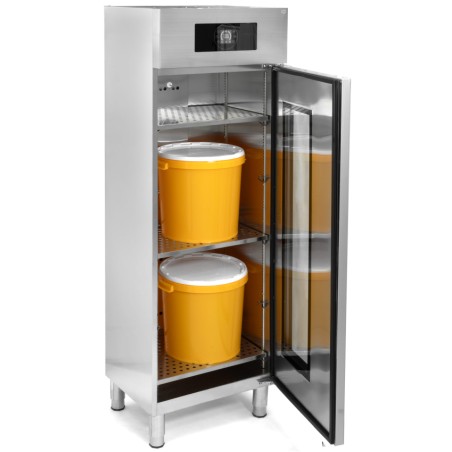
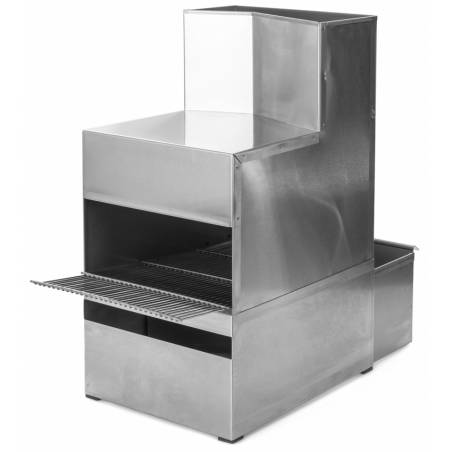
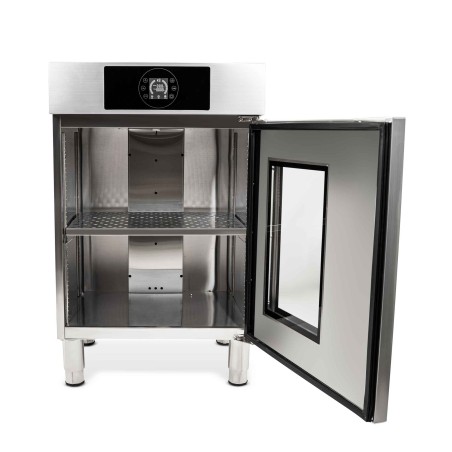
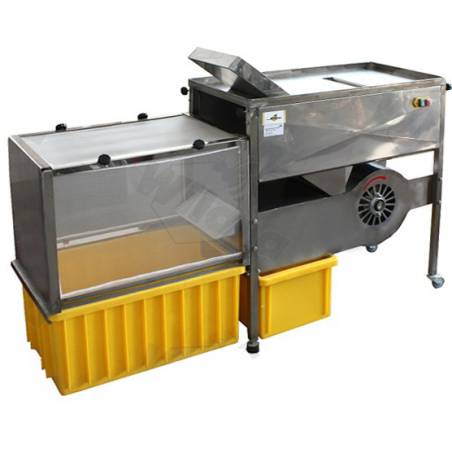
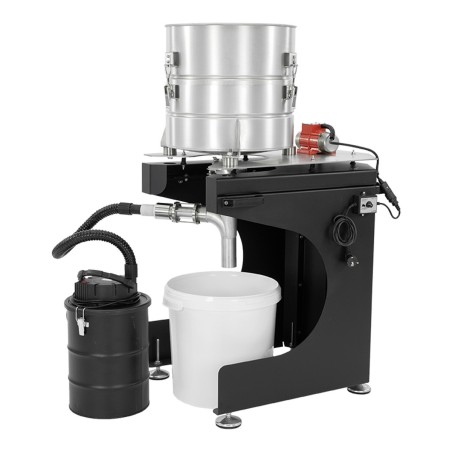
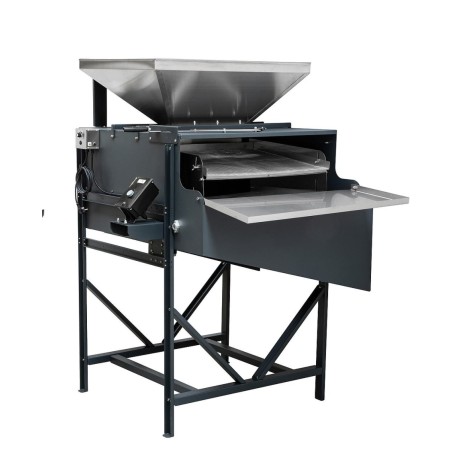
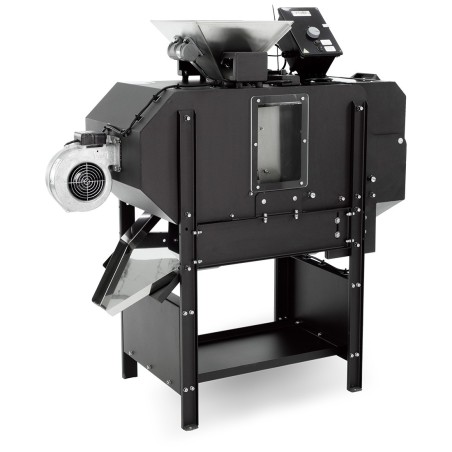
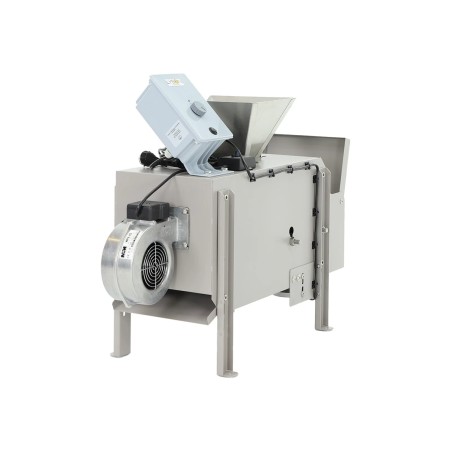
Producing pollen: the trap is only the beginning
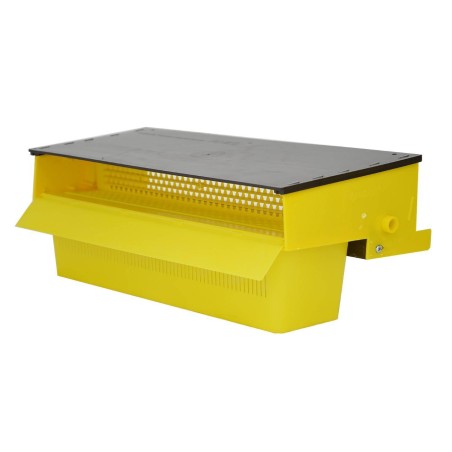
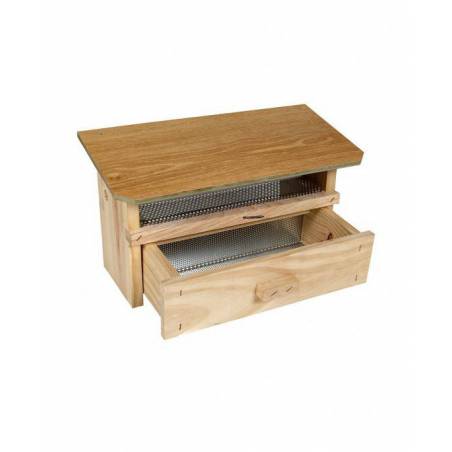
Working with pollen isn't just putting on a pollen trap and emptying the drawer. If you want to get a clean, commercially defensible product, you have to think about the whole chain: a strong colony, a well-placed trap, frequent collection, food-grade transport, quick drying or freezing, cleaning and correct storage. The usual mistake is to buy only the pollen trap and forget about the rest. But fresh pollen is very sensitive: with moisture, heat or dirt it deteriorates fast, can ferment and loses value. Besides, while you're collecting pollen you shouldn't apply acaricide treatments inside the hive, because the product can become contaminated during collection.
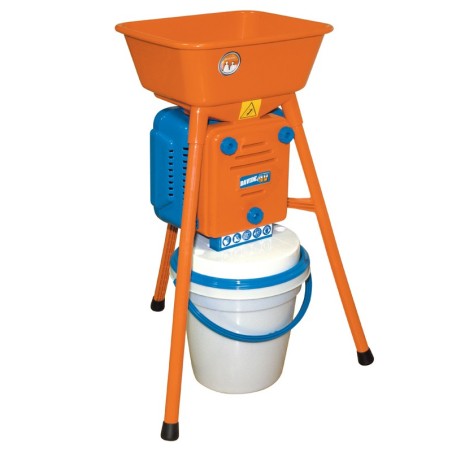
My advice is to choose the equipment according to your real goal. If you're going to try with a few hives, start with a pollen trap that's easy to clean, well ventilated and compatible with your type of hive. If you already want to produce seriously, you'll also need to think about food-grade boxes, a dryer, sieves, cleaning machines and airtight storage. For bee bread, I'd be even more careful: it's an interesting product, but it requires specific extraction, patience and a good selection of combs. And here I'll take a clear stand: before selling pollen, make sure you can process it well the same day. A good pollen trap without drying, cleaning and preservation behind it doesn't give you a good product; it only gives you raw material with risk.
Bee Pollen
Pollen is the hive product that spoils fastest. Between the trap and the jar there are four steps, and each has a narrow window.
1. Collect — daily
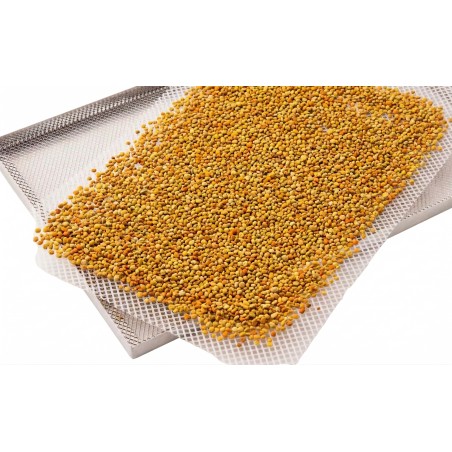
It leaves the trap at 20-30 % moisture. With warmth and that moisture, moulds and yeasts appear within hours. The tray is emptied every day; in dry weather and shade you can stretch to two, no more. From the trap it goes straight to the freezer or the drier.
2. Dry — below 45 ºC
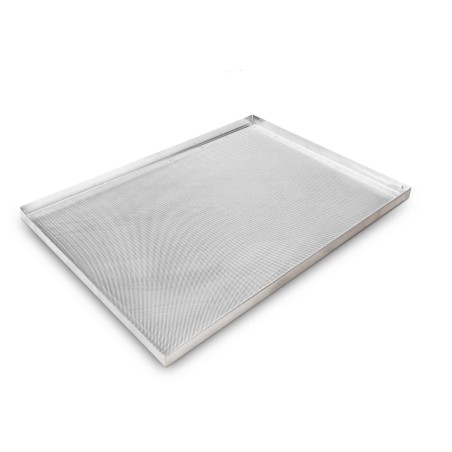
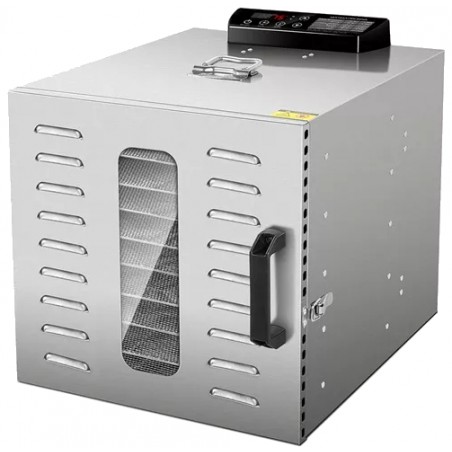
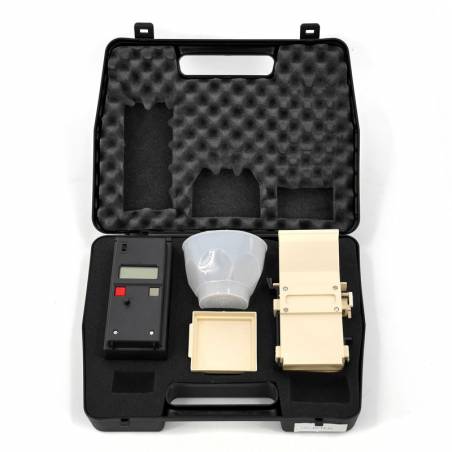
It has to end up in the 6-8 % moisture window —below 6 it is too dry— and never exceed 40-45 ºC: above that, vitamins and amino acids degrade and the grain toasts.
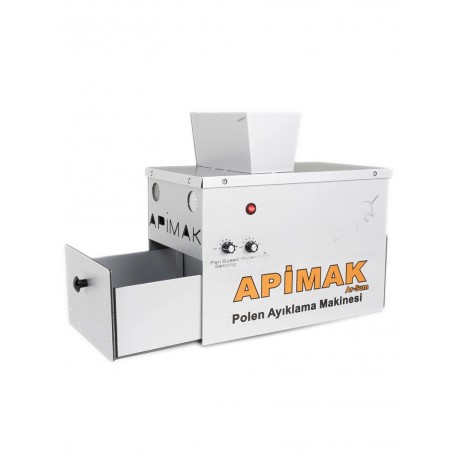
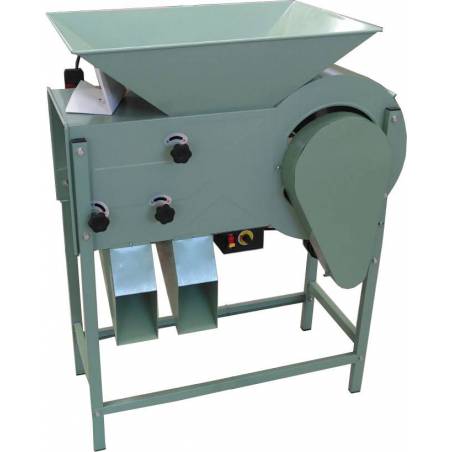
3. Clean
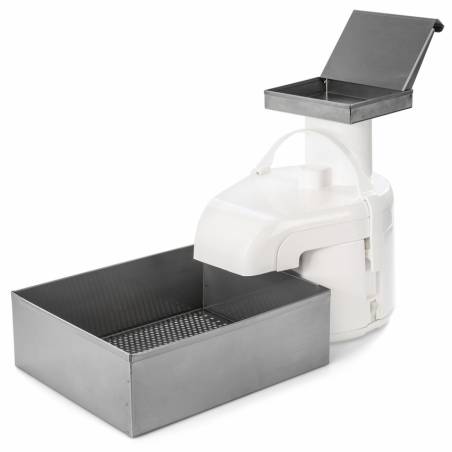
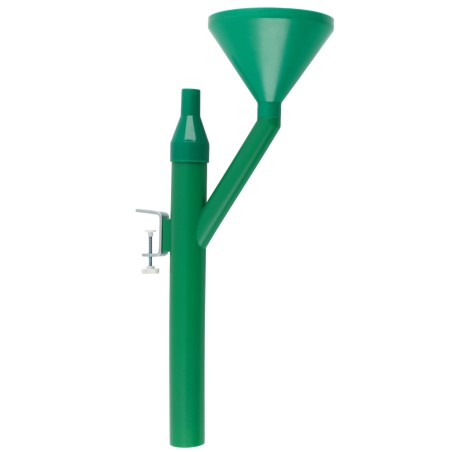
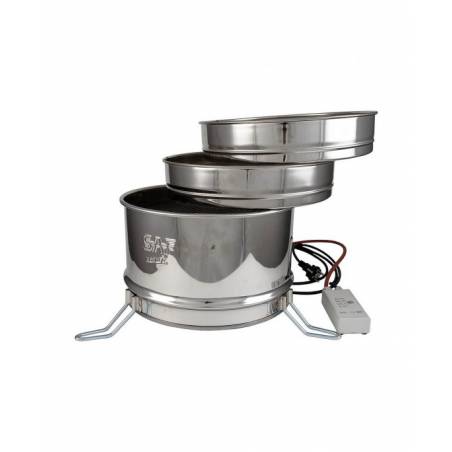
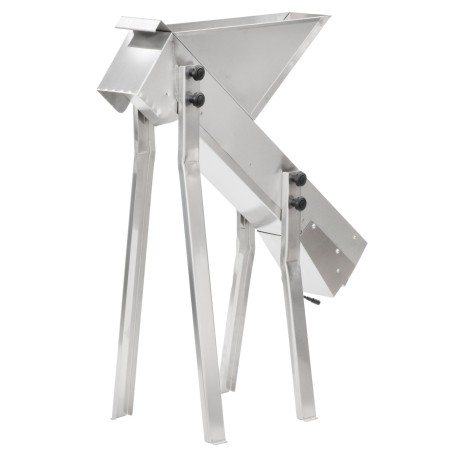
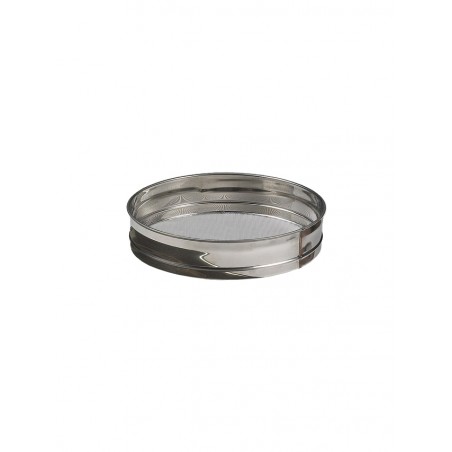
It comes out with bits of bee, wax and dust. Cleaners and sieves separate by size and by weight; the buying criterion is simple — what is left must be grain only.
4. Pack and keep
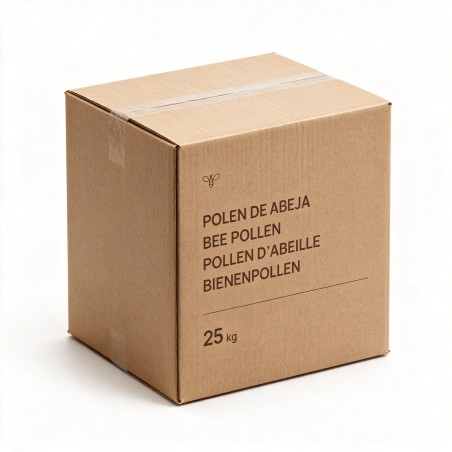
In twin-wall boxes with a food-grade inner bag (€1.95) for bulk, and in a jar or sealed bag for the consumer. Vacuum-packed or cold it lasts far longer; at room temperature and in the light it loses colour and quality within months.
And a warning that is costly to ignore: very dark, almost black pollen is usually Echium and can carry pyrrolizidine alkaloids, with a legal maximum of 500 µg/kg in supplements since 2022. Discarding it is not an aesthetic whim.
Traps are in pollen traps; packed pollen in bee pollen.