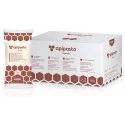
 Apipasta with vitamins 15kg
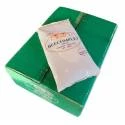 Beecomplet® Spring 14Kg
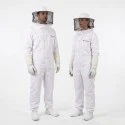 Beekeeper suit with round veil
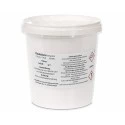 Oxalic acid 1kg
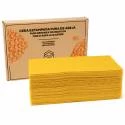 Beeswax Foundation 5kg
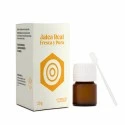 Fresh royal jelly 20g
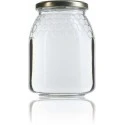 Classic honey jar 1kg comb-lines TO77 - Pack of 16 units
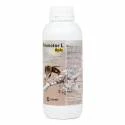 Promotor L Apis 1 litre
- New

 Share in WhatsApp
60 kg/h OF DRY POLLEN, PER LYSON | 2 OSCILLATING STAINLESS SIEVES, 3 × 3 AND 1 × 1 MM |
2 CONTROLS: SIEVES (250 W) AND FAN (67 W) | 22 kg AND 90 × 40 × 65 CM: FITS ON A BENCH |
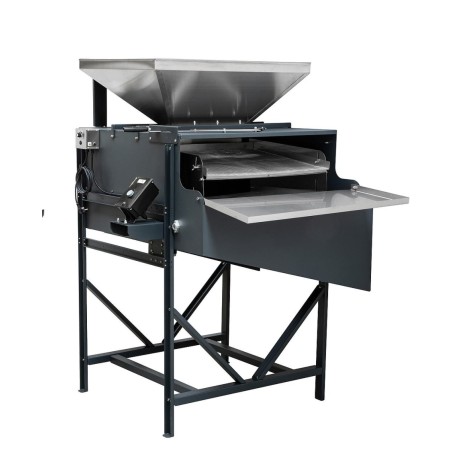
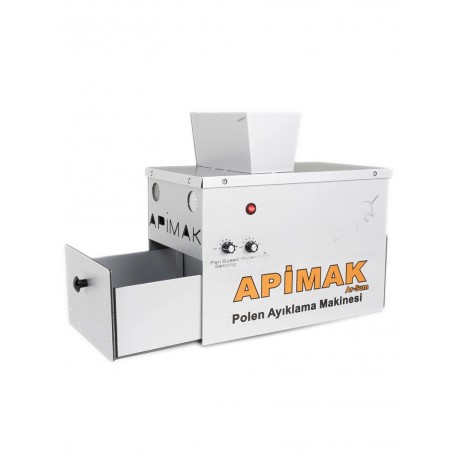
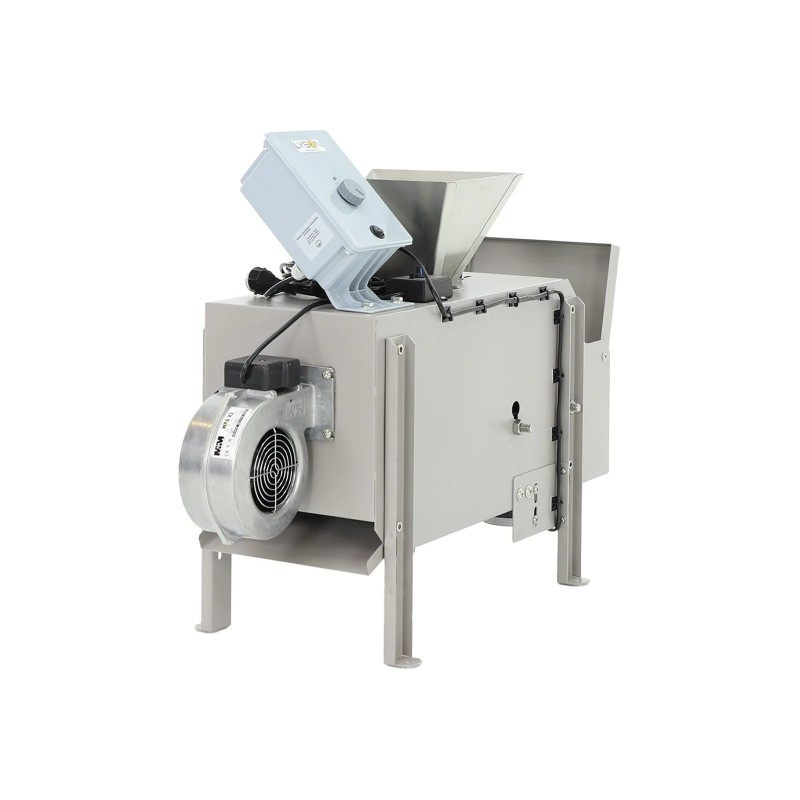
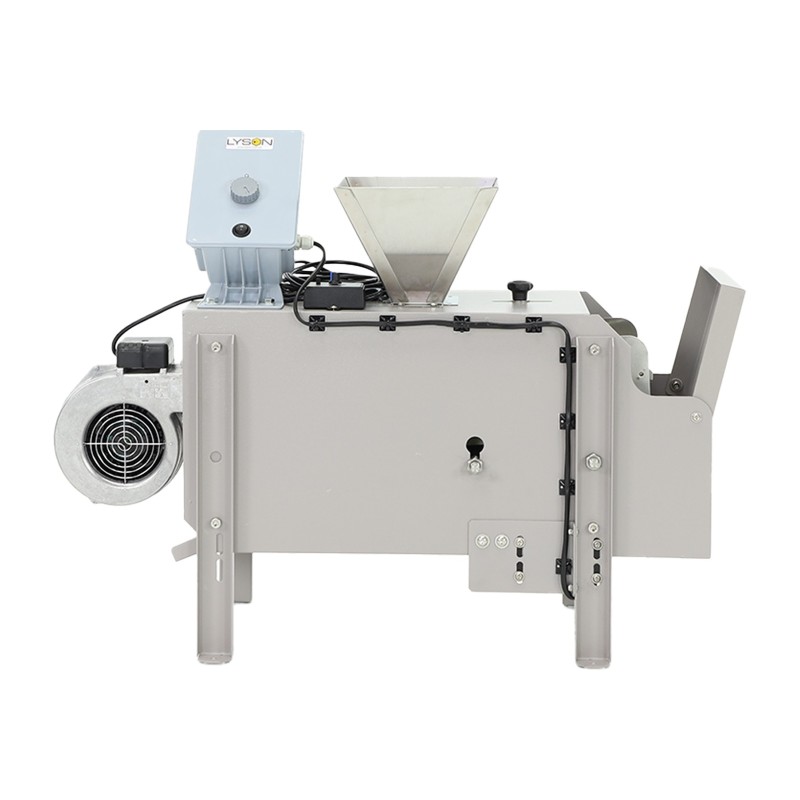
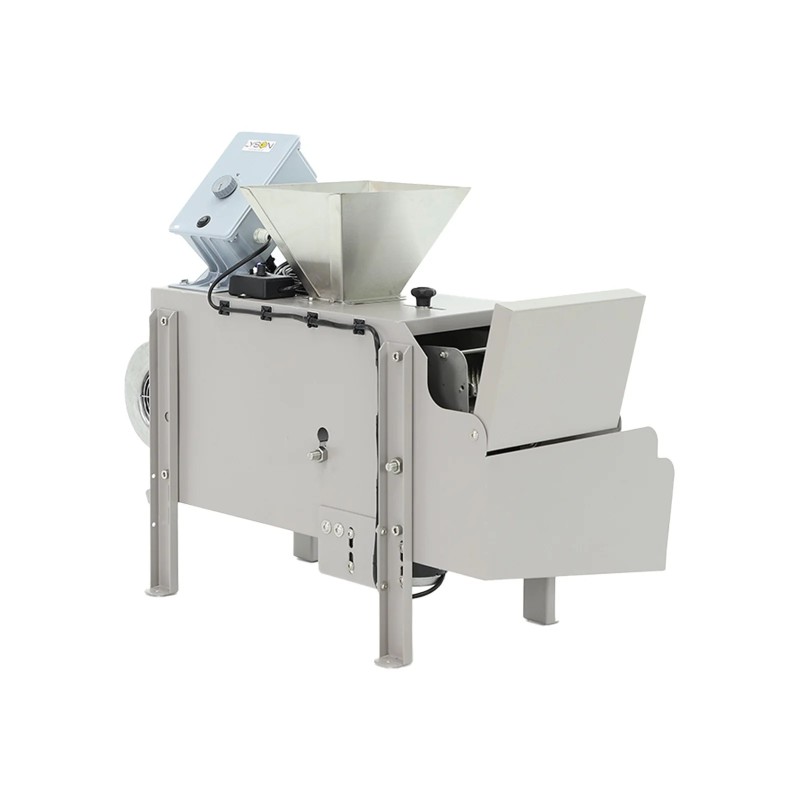
LYSON Optima-line dry pollen cleaner: two oscillating stainless-mesh sieves, 3 × 3 and 1 × 1 mm, and a centrifugal fan that separate by size and by weight in one pass, with one control for the sieves (250 W motor) and another for the air (67 W). Up to 60 kg/h per LYSON, powder-coated sheet body with stainless hopper, sieves and chutes; 90 × 40 × 65 cm and 22 kg, at 230 V.
Pollen comes out of the trap with dust, wings, legs and bits of wax; the sieve takes out the coarse and the fine, and the air carries off the light: two separations in one pass.
01 · HOW IT SEPARATES
The pollen goes in through the hopper and falls onto two moving stainless-mesh sieves: the 3 × 3 mm one holds back lumps, wax and plant debris, and the 1 × 1 lets the dust through. As it falls, the centrifugal fan crosses the stream and carries the light fraction, wings, legs and husks, to the reject chute; clean pollen leaves by the other chute. Whatever weighs and measures like a pollen pellet, a small stone or a chalkbrood mummy, gets through the machine: the visual check before packing is still needed.
02 · THE TWO CONTROLS
The panel has two independent controls, one for sieve speed and another for fan revolutions, and the sieve tilt adjusts too. It is not decoration: a rockrose pellet does not weigh what a heather one does, and the air that leaves one batch spotless blows away the next. Set the passage over the mesh first and then the air, until the reject comes out dirty and the pollen comes out whole.
03 · THE POLLEN MUST GO IN DRY
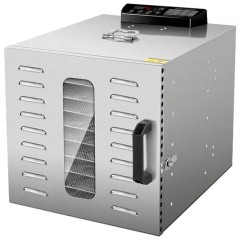
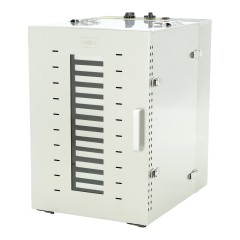
It is a condition of use: pollen is cleaned after the dryer, not before. Damp, the pellets clump, blind the mesh and stop behaving as loose particles, and neither sieve nor air separates. The machine cleans and grades; drying comes before, in the dryer (491, 490, 2562), and freezing or packing after.
04 · THE MACHINE
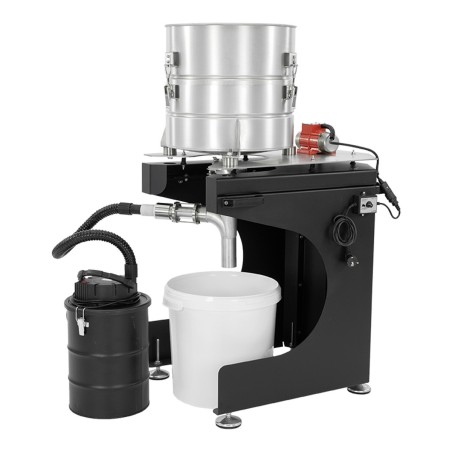
Powder-coated steel sheet body and, in contact with the product, stainless steel hopper, sieves and chutes: that is why it stays at 22 kg and one person puts it on and off the bench. It is washed with hot water and food-industry products, protecting the electrics, and stored dry. It is the middle step of the LYSON range: above the Minima (2401) and the air-column cleaner for own use (2368), below the Classic (2564), the 45 L hopper one (2551) and the 130 kg/h Maxi (2563). 24-month LYSON warranty.
05 · BEFORE YOU BUY
The cleaner is supplied with its panel and cable; the pollen dryer and collecting trays come separately.
| ✓ FITS | Anyone drying and selling several tens of kilos of pollen a season who wants the batch clean of wings, dust and wax in one pass, with separate controls for each pollen. |
| ✕ DOESN’T FIT | Damp or undried pollen, and anyone wanting to dry, freeze or sterilise: this machine only cleans and grades. |
| ⚠ NOT INCLUDED | Dryer or trays. |
⚠ PRECAUTIONS
Dry pollen only: with moisture the mesh blinds and the separation fails. Indoor use, with the electrics protected when washing and the machine dry before storing. Disconnect from the mains before opening the body. The sieve does not tell a small stone or a chalkbrood mummy from a pollen pellet: visual check before packing.
| Reference | W3215 |
|---|---|
| Brand | LYSON, Optima line |
| Product | Dry pollen cleaner with oscillating sieves and air |
| Output | Up to 60 kg/h, per LYSON |
| Sieves | 2 moving, stainless mesh of 3 × 3 and 1 × 1 mm; adjustable tilt |
| Fan | Centrifugal, 67 W, adjustable speed |
| Sieve motor | 250 W, adjustable speed |
| Power supply | 230 V |
| Body | Powder-coated steel sheet; stainless hopper, sieves and chutes |
| Dimensions | 90 × 40 × 65 cm |
| Weight | 22 kg |
| Warranty | 24 months LYSON |
| Range | Minima 2401; Classic 2564; 45 L hopper 2551; Maxi 2563; dryers 491, 490, 2562 |
1 file available
check_circle
check_circle