
-
Beehives
- Complete beehive
- Accessories
-
Nuc hives
- Nucs by format
- With bees & mating
- Spare parts
-
Bee equipment
- For the apiary
- For the beekeeper
-
Clothing
- Clothing Accessories
-
Beeswax
-
Pure beeswax
- Beeswax and foundation
- Beeswax foundations
- Melting and rolling beewax
-
Pure beeswax
-
Bee feed
- Accessories and source materials
- Utensils
-
Bee health
- Varroa Treatments
- Diseases control
- Nutraceuticals
-
Extraction and bottling
- Before extraction
- Honey extraction
- After extraction
-
Bee pollen
- Harvest
- Indicted
-
Honey packaging
- Flasks per utility
- Flasks by size
- Other packaging
 Apipasta with vitamins 15kg
 Beecomplet® Spring 14Kg
 Beekeeper suit with round veil
 Oxalic acid 1kg
 Beeswax Foundation 5kg
 Fresh royal jelly 20g
 Classic honey jar 1kg comb-lines TO77 - Pack of 16 units
 Promotor L Apis 1 litre
Wiring and waxing frames
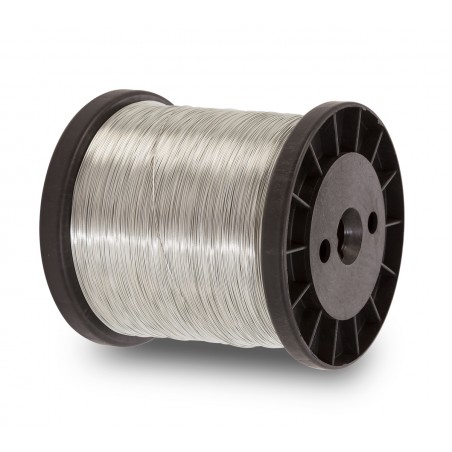
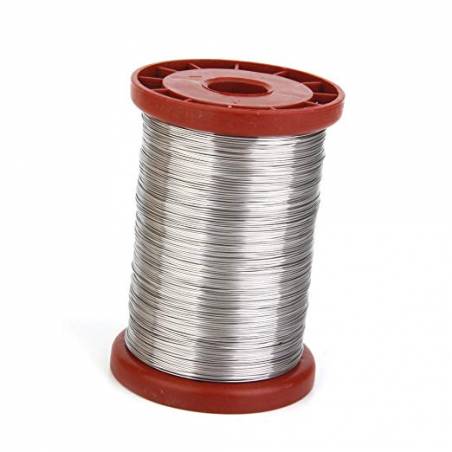
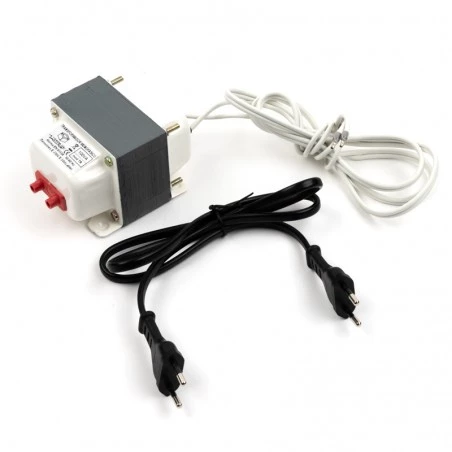
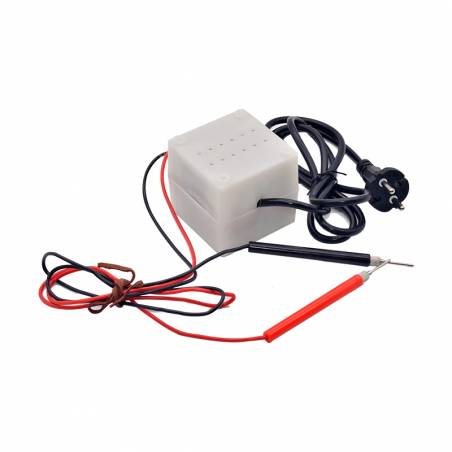
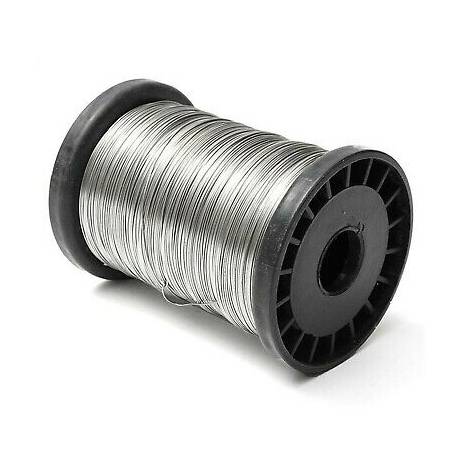
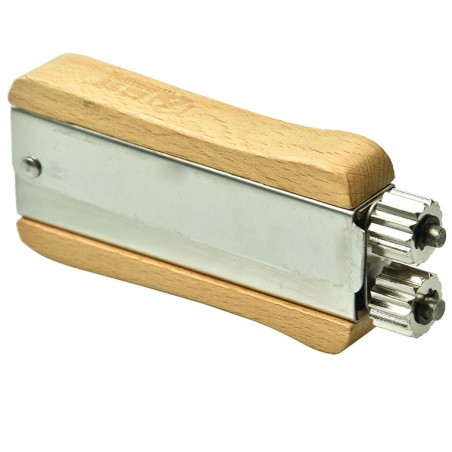
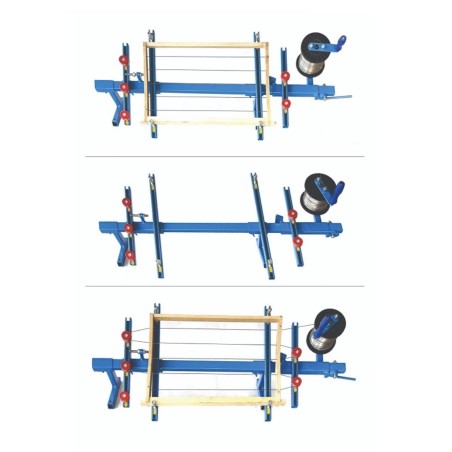
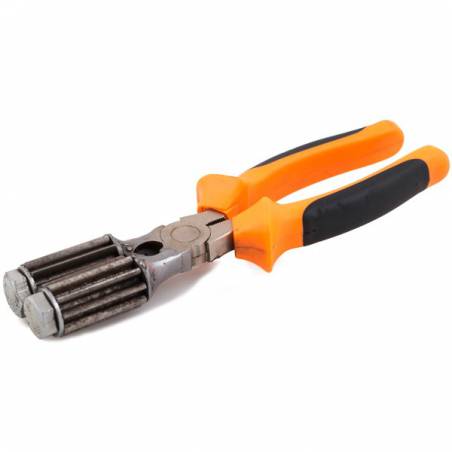
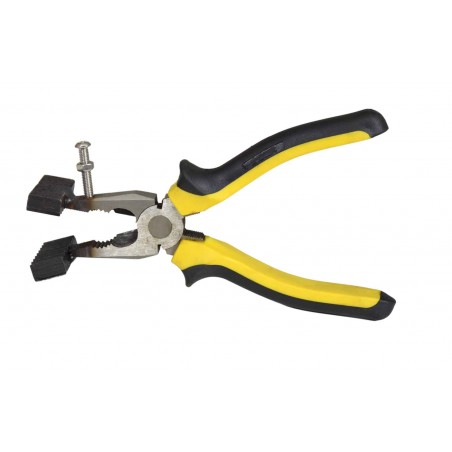
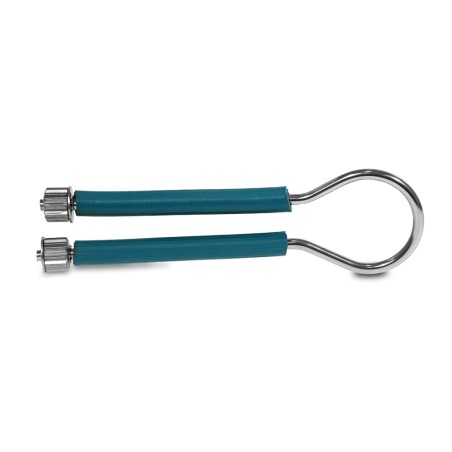
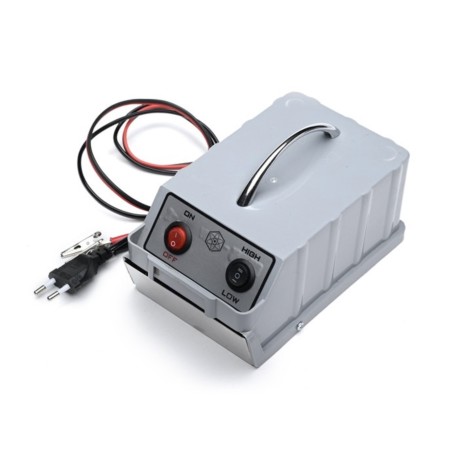
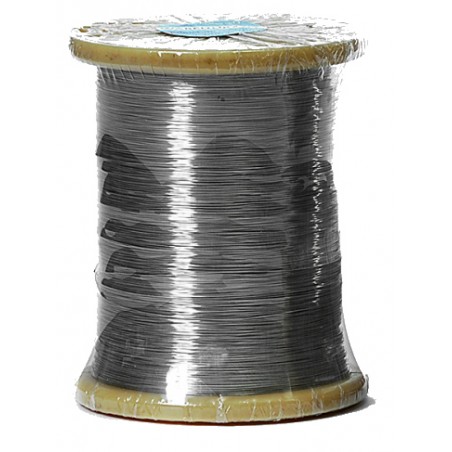
Galvanised and stainless wire, tensioners, manual and electric embedders, wax transformers, drills and nails. From €0.54 to €159.95.
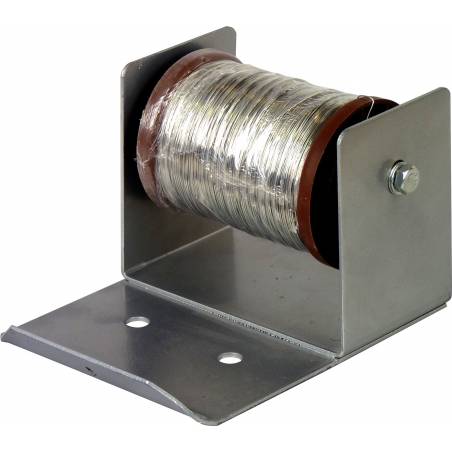
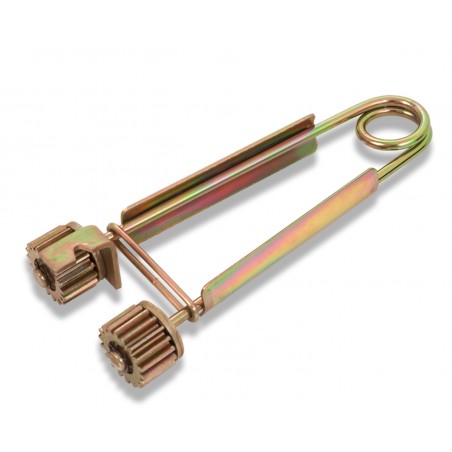
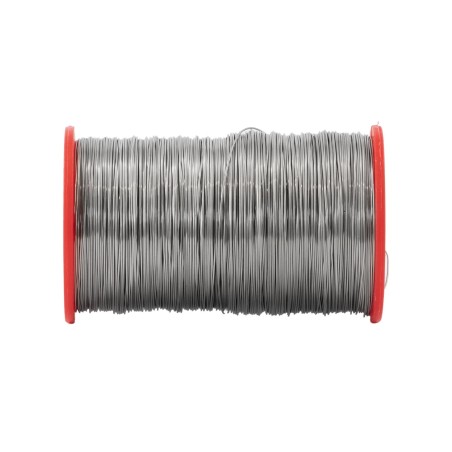
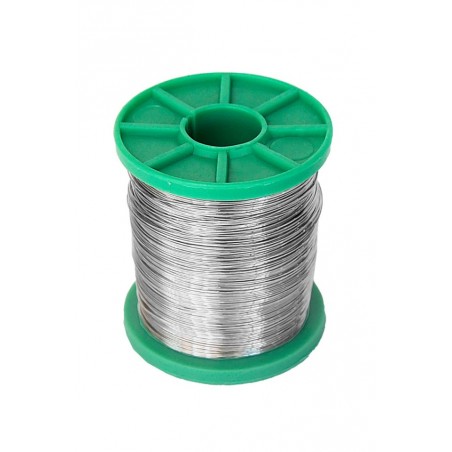
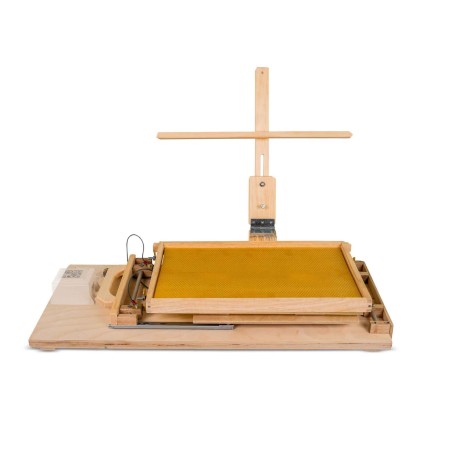
The wire must not cut through the sheet, it must sit flush
With a transformer, everyone overdoes it the first time. You apply current until the wire sinks… and keep going, and cut the sheet in two. The right point is when the wire is embedded and flush with the wax, not through it: the wax closes over the top and the comb is held. Test on a scrap sheet before running a hundred, because the exact timing depends on wire gauge, frame length and workshop temperature.
And before the wax comes the wire, which is where you decide whether the frame survives the extractor. Tight, always: slack wire lets the comb vibrate and it breaks away on the first spin, and no amount of well-bonded foundation fixes that. The tensioner exists precisely to give that final turn without cutting your hands or bowing the frame. Three or four horizontal runs is usual; on a tall Layens frame, more. The minute you invest here is repaid on harvest day.

Wiring and waxing frames
A badly wired frame breaks in the extractor. That is the whole reason for this category, and why it pays to do it right first time.
The wire
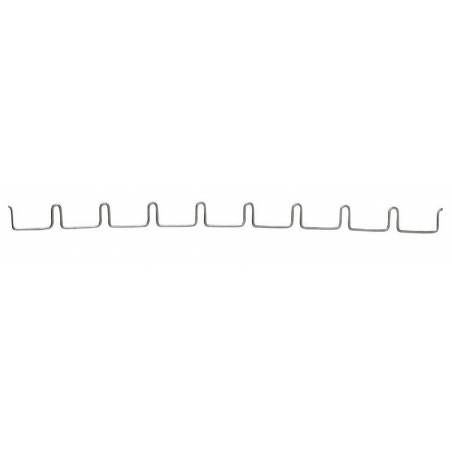
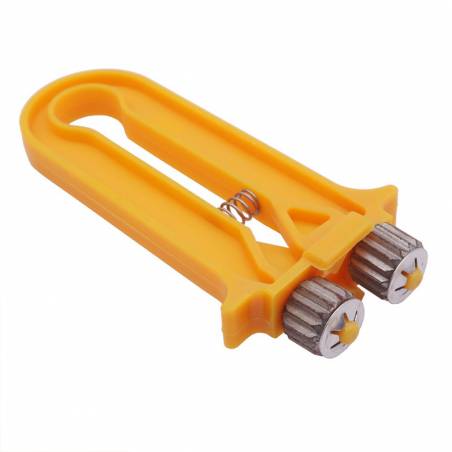
It goes in tight. Slack wire lets the comb vibrate and come away on the first spin. The tensioners (€5.95) exist exactly for that: giving the final turn without cutting your hands or bowing the frame. Three or four horizontal runs is usual; on a tall Layens frame, more.
Bonding the foundation to the wire
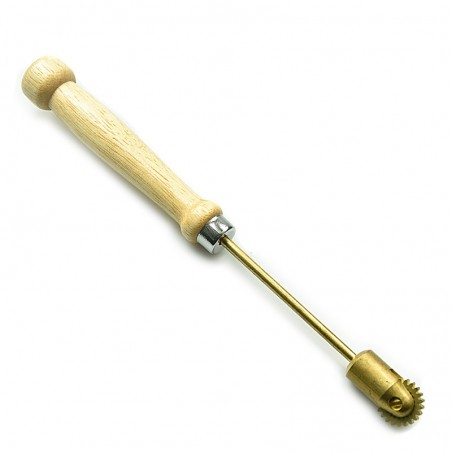
- Manual embedder (€6.50) — heated and run over the wire. Cheap, slow, and dependent on your hand.
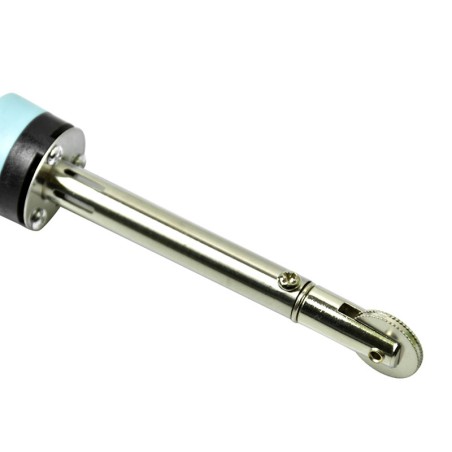
- Electric embedder (€9.95) — constant heat, better result.
- Transformer — passes current through the wire itself, which heats and sinks into the wax on its own. This is the fast way when you are waxing hundreds of frames.
The mistake that ruins the sheet
Too much heat. If the wire burns too hot it cuts the sheet instead of embedding, and you end up with a frame split in half. With a transformer you look for the point: the wire should sink until flush, not through. Test on one sheet before running a hundred.
Foundation is in wax foundation; bare frames in hive frames.
How long do I apply current with the transformer?
Until the wire is embedded and flush with the wax, not through it. The universal mistake is overdoing it: you apply current, the wire sinks… and you keep going, and cut the sheet in two.
There is no fixed time that works for everyone: it depends on wire gauge, frame length and workshop temperature. So test on a scrap sheet before running a hundred. And before the wax comes tight wire: a slack one lets the comb vibrate and it breaks away in the extractor however well the foundation is bonded.