 Apipasta with vitamins 15kg
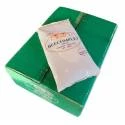 Beecomplet® Spring 14Kg
 Beekeeper suit with round veil
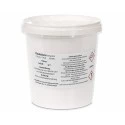 Oxalic acid 1kg
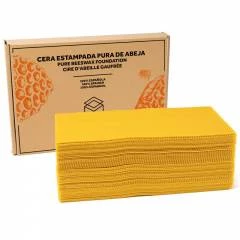
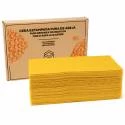 Beeswax Foundation 5kg
 Fresh royal jelly 20g
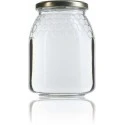 Classic honey jar 1kg comb-lines TO77 - Pack of 16 units
 Promotor L Apis 1 litre

 Share in WhatsApp
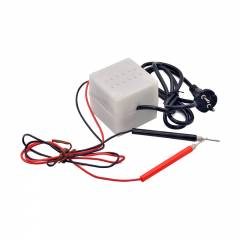
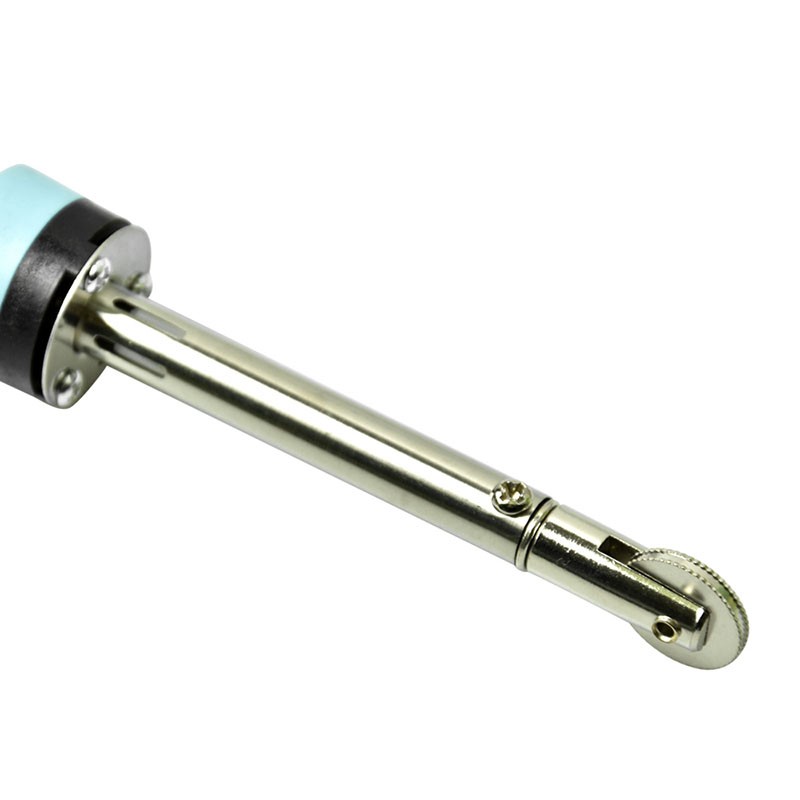
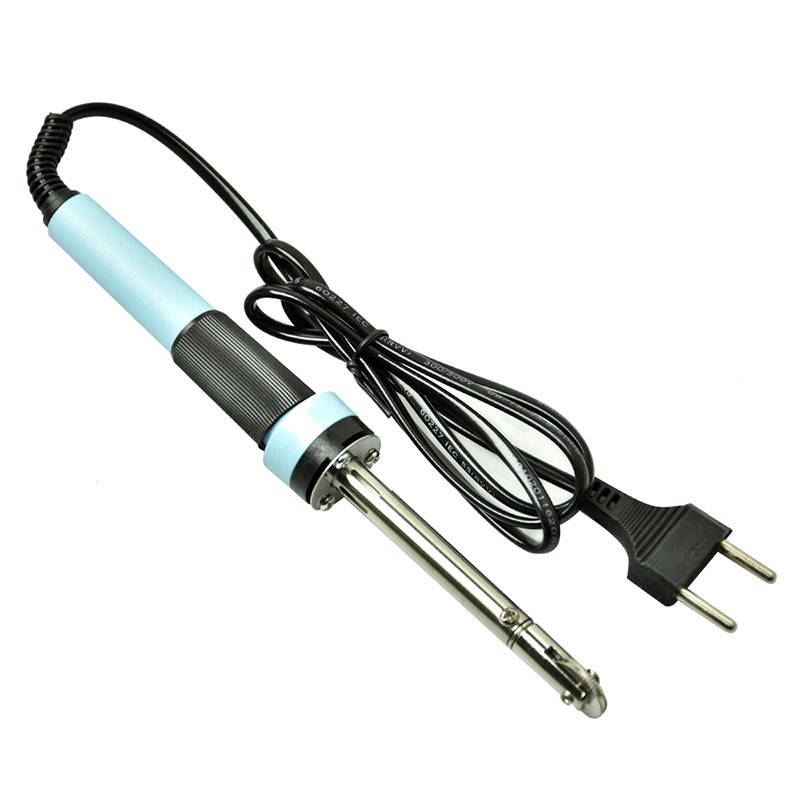
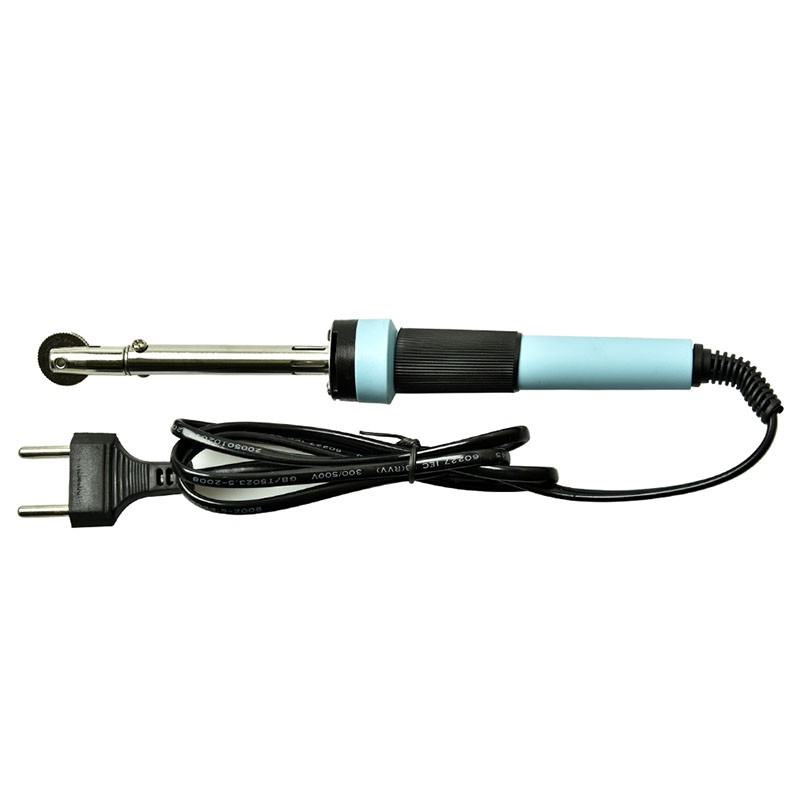
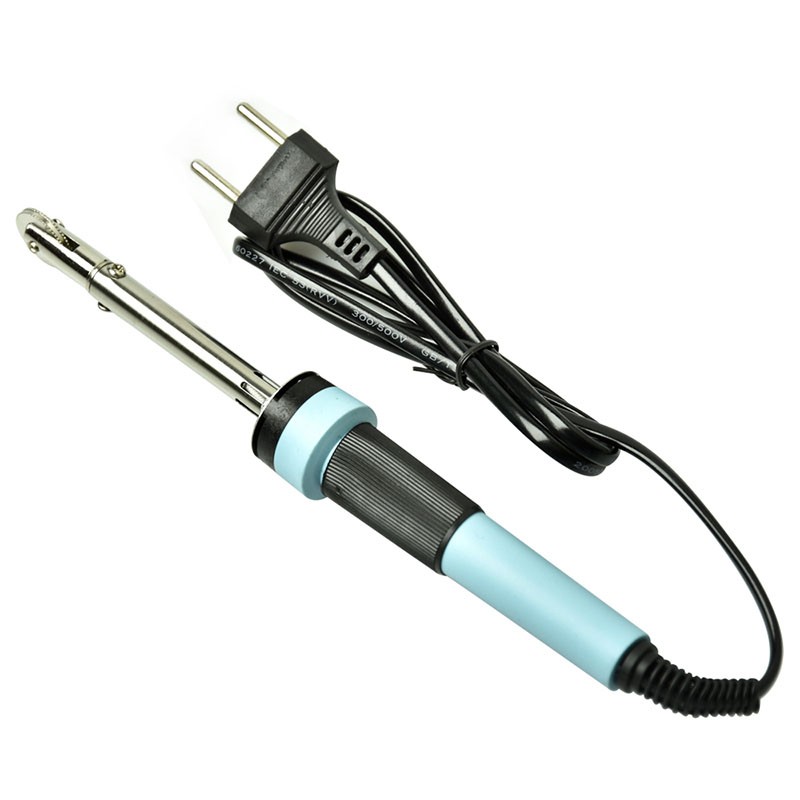
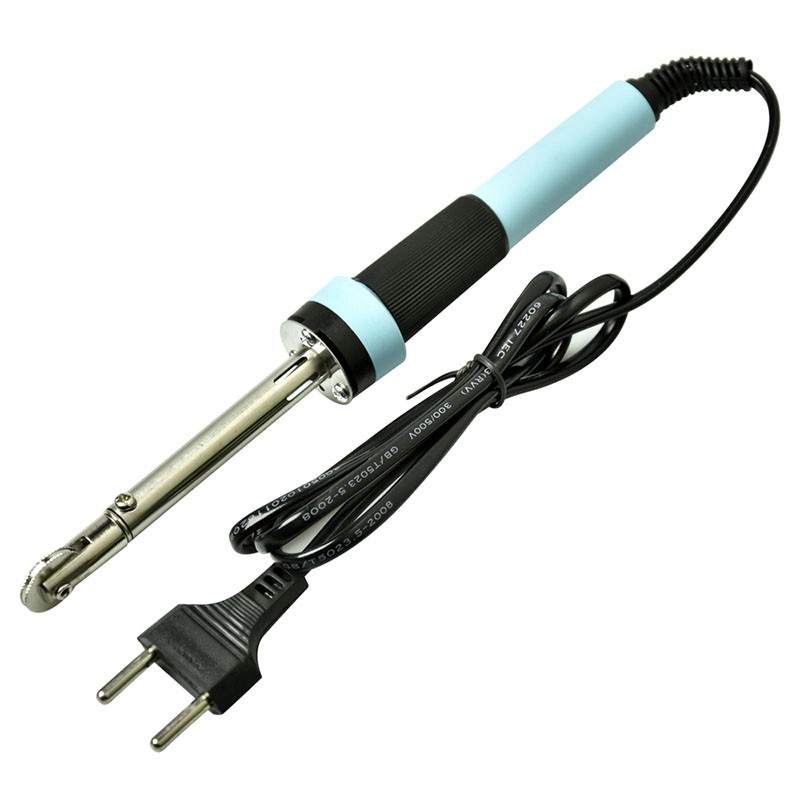
The spur is used to stick the beeswax foundation sheets to the frame wire. This spur is electric, is connected and once hot is passed over by rolling the tool over the wire pushing it into the wax foundation. When the wax takes the right temperature it softens and it is time for the wire to be embedded in the sheet.
The sheet comes away in July, when the hive goes past 35 degrees and the comb is still half drawn. By then there is no fixing it.
230 V electric spur embedder, for sinking the wire into foundation. It is, literally, a soldering iron with a copper wheel on the tip: the hot wheel melts the wax right over the wire and leaves it buried inside the sheet.
01 · HOW TO RUN IT
Lay the sheet on the wired frame, switch the tool on and run the wheel along each wire with light pressure. The wax melts where the wire touches it and, as it cools, the wire is stitched inside the sheet.
The mistake that ruins the first sheet is always the same: stopping. The wheel does not tell melting from drilling — pause for a second on one spot and you go straight through, leaving a hole. Go in one movement, end to end, and if a stretch has not taken, run it again rather than pressing on the same place.
02 · THE THREE CONDITIONS
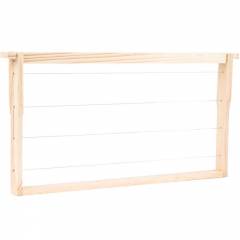
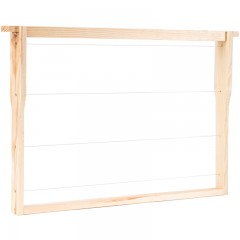
The wire, tight. A slack wire moves aside as the wheel pushes, and instead of sinking in it stays sitting on top of the wax. If the frame gives when you pluck the wire, tension it first.
The wax, at room temperature. Cold, it cracks at the slightest pressure; straight out of the sun, it distorts on its own and sticks to the wheel. On hot days, work in the cool part of the store.
The hand, light. The heat does the work, not the force: pressing only gets the wheel through to the wood.
03 · SAFETY AND THE ALTERNATIVE
Worth keeping in mind what it is: it plugs straight into 230 V mains, draws about 30 W and heats the whole shank, not just the wheel. It comes with no stand, so have somewhere ready to put it down between frames — an iron stand, a roof tile, anything that will not burn and that keeps it clear of the cable and the sheets.
And an honest word about who it suits: for making up frames now and then it is the cheapest, most direct tool there is. For hundreds of frames, people who do it daily tend to end up with a transformer and clips, which heats the wire itself from within and sinks it along its whole length at once instead of travelling down it.
04 · BEFORE YOU BUY
A simple tool, with two things to settle first:
| ✓ FITS | Occasional frame assembly, Layens, Langstroth or Dadant, already wired. |
| ✕ DOES NOT FIT | Production runs: a transformer with clips is far quicker there. |
| ⚠ NOT INCLUDED | No stand to rest it on, no wax and no wire. |
| Type | Electric wheel embedder, soldering-iron format |
|---|---|
| Supply | 230 V · 50 Hz, single phase |
| Power | About 30 W |
| Tip | Copper alloy wheel |
| Handle | Plastic, with ribbed grip |
| Use | Embedding wire into foundation |
| Reference | WT01-6 |
Data sheet

The spur is used to stick the beeswax foundation sheets to the frame wire. This spur is electric, is connected and once hot is passed over by rolling the tool over the wire pushing it into the wax foundation. When the wax takes the right temperature it softens and it is time for the wire to be embedded in the sheet.
check_circle
check_circle