
-
Beehives
- Complete beehive
- Accessories
-
Nuc hives
- Nucs by format
- With bees & mating
- Spare parts
-
Bee equipment
- For the apiary
- For the beekeeper
-
Clothing
- Clothing Accessories
-
Beeswax
-
Pure beeswax
- Beeswax and foundation
- Beeswax foundations
- Melting and rolling beewax
-
Pure beeswax
-
Bee feed
- Accessories and source materials
- Utensils
-
Bee health
- Varroa Treatments
- Diseases control
- Nutraceuticals
-
Extraction and bottling
- Before extraction
- Honey extraction
- After extraction
-
Bee pollen
- Harvest
- Indicted
-
Honey packaging
- Flasks per utility
- Flasks by size
- Other packaging
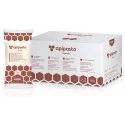 Apipasta with vitamins 15kg
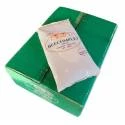 Beecomplet® Spring 14Kg
 Beekeeper suit with round veil
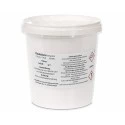 Oxalic acid 1kg
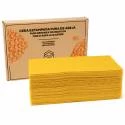 Beeswax Foundation 5kg
 Fresh royal jelly 20g
 Classic honey jar 1kg comb-lines TO77 - Pack of 16 units
 Promotor L Apis 1 litre
Uncapping machines
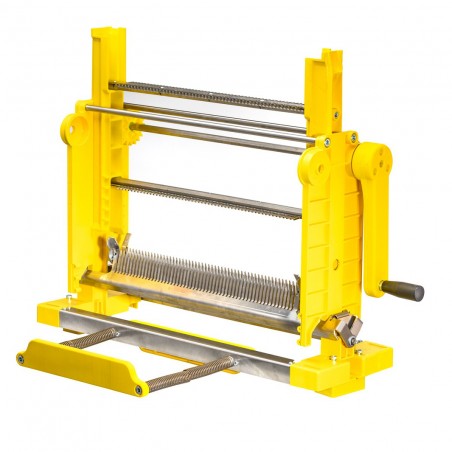
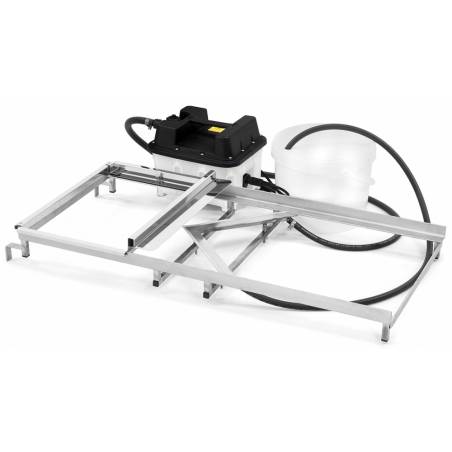
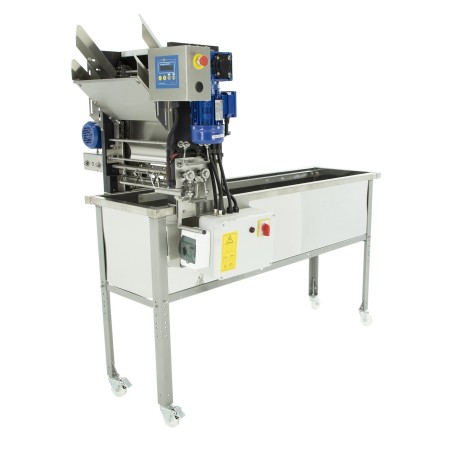
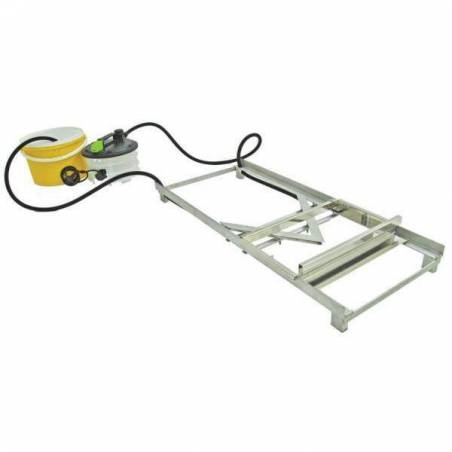
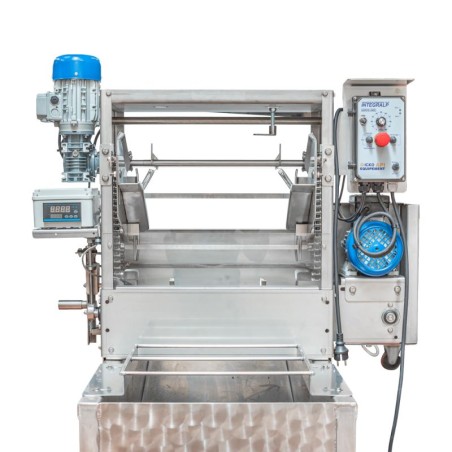
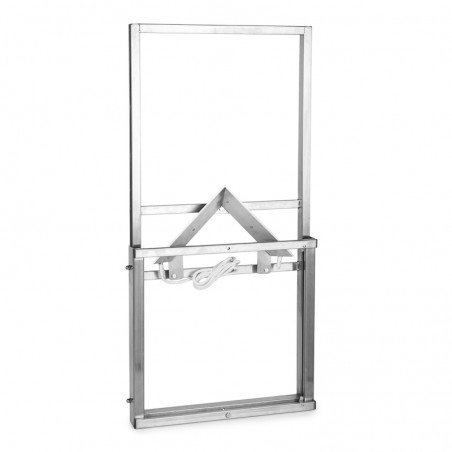
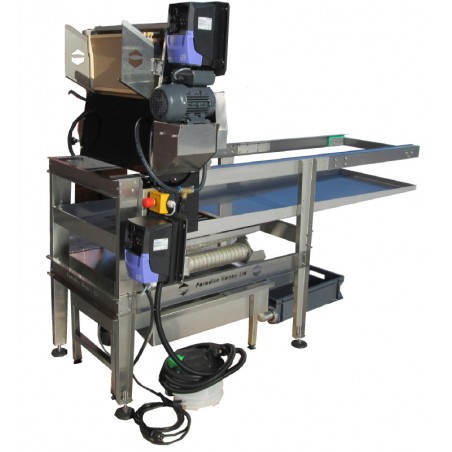
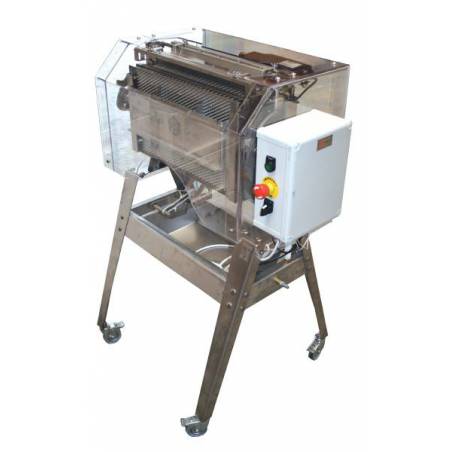
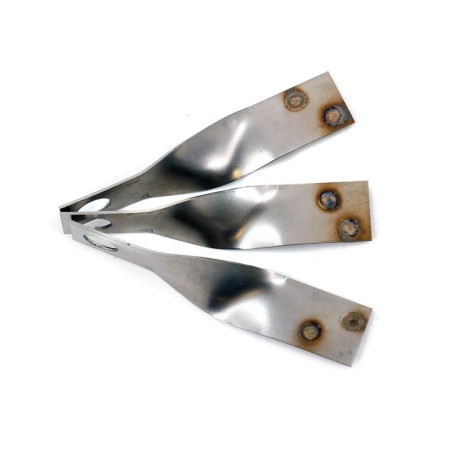
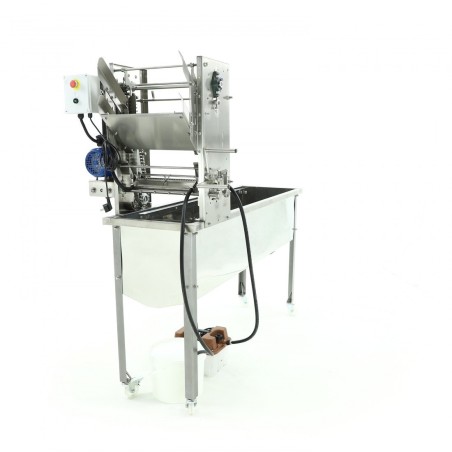
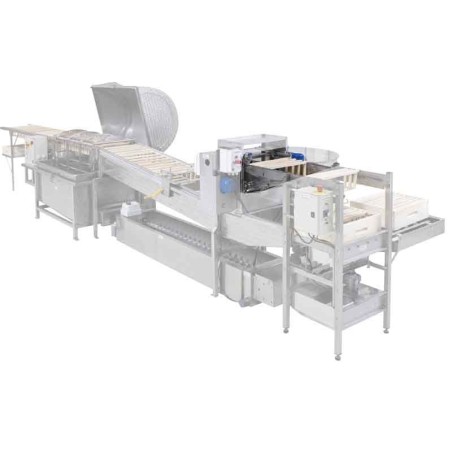
Manual and automatic uncappers, from €399 to €9,350, vertical and V-type for Langstroth and Dadant. Plus spares: cutting blades, spikes and springs from €2.05.

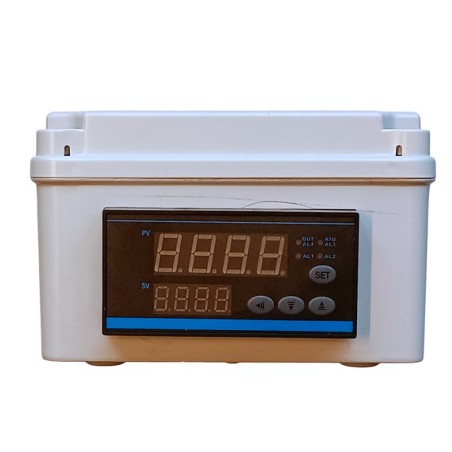
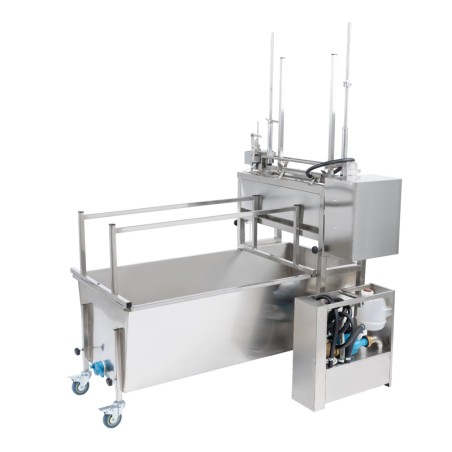
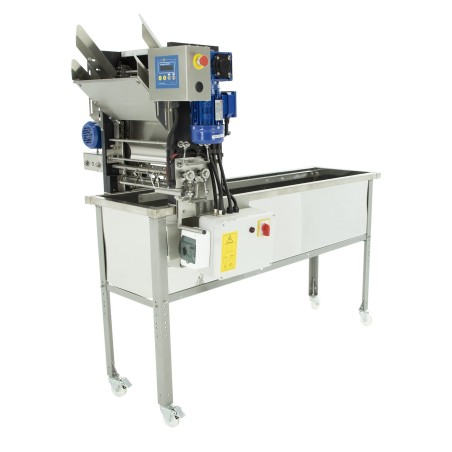

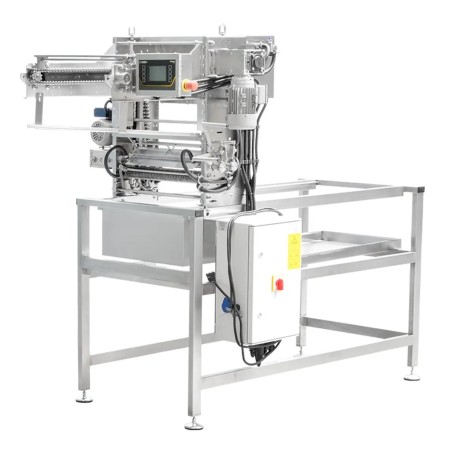
Before signing for an uncapper, measure your frames
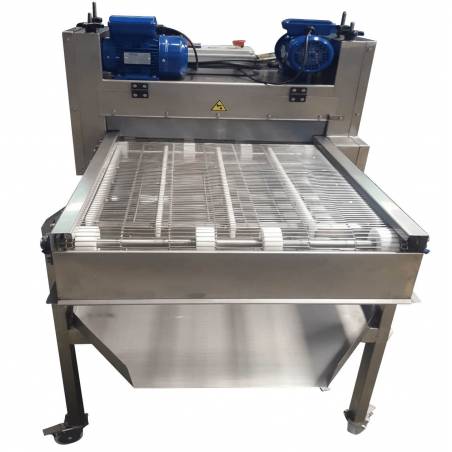
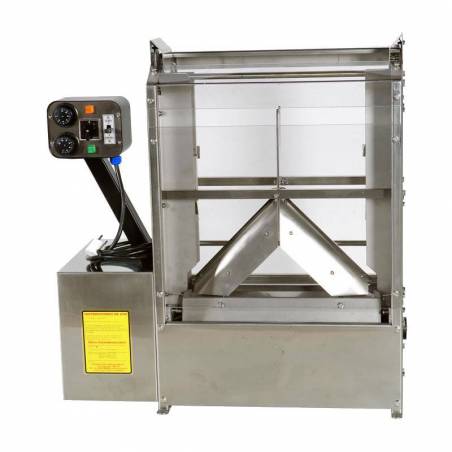
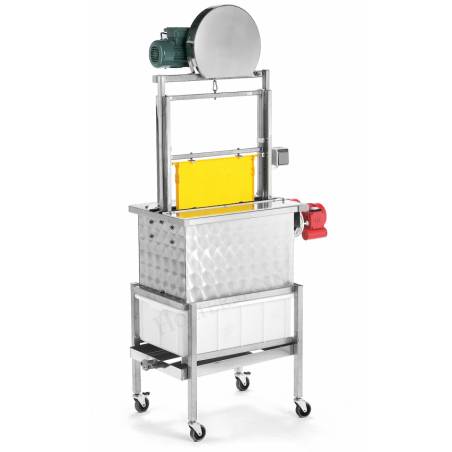
The question almost nobody asks when buying is which frame sizes the machine handles. A horizontal chain uncapper is very tolerant: it works cold and copes with mixed set-ups, though the cut is less clean and it drags more wax traces, so you have to allow for filtering or settling afterwards. A vertical blade machine cuts far better and gives a different rhythm in the workshop, but its size compatibility is narrower.
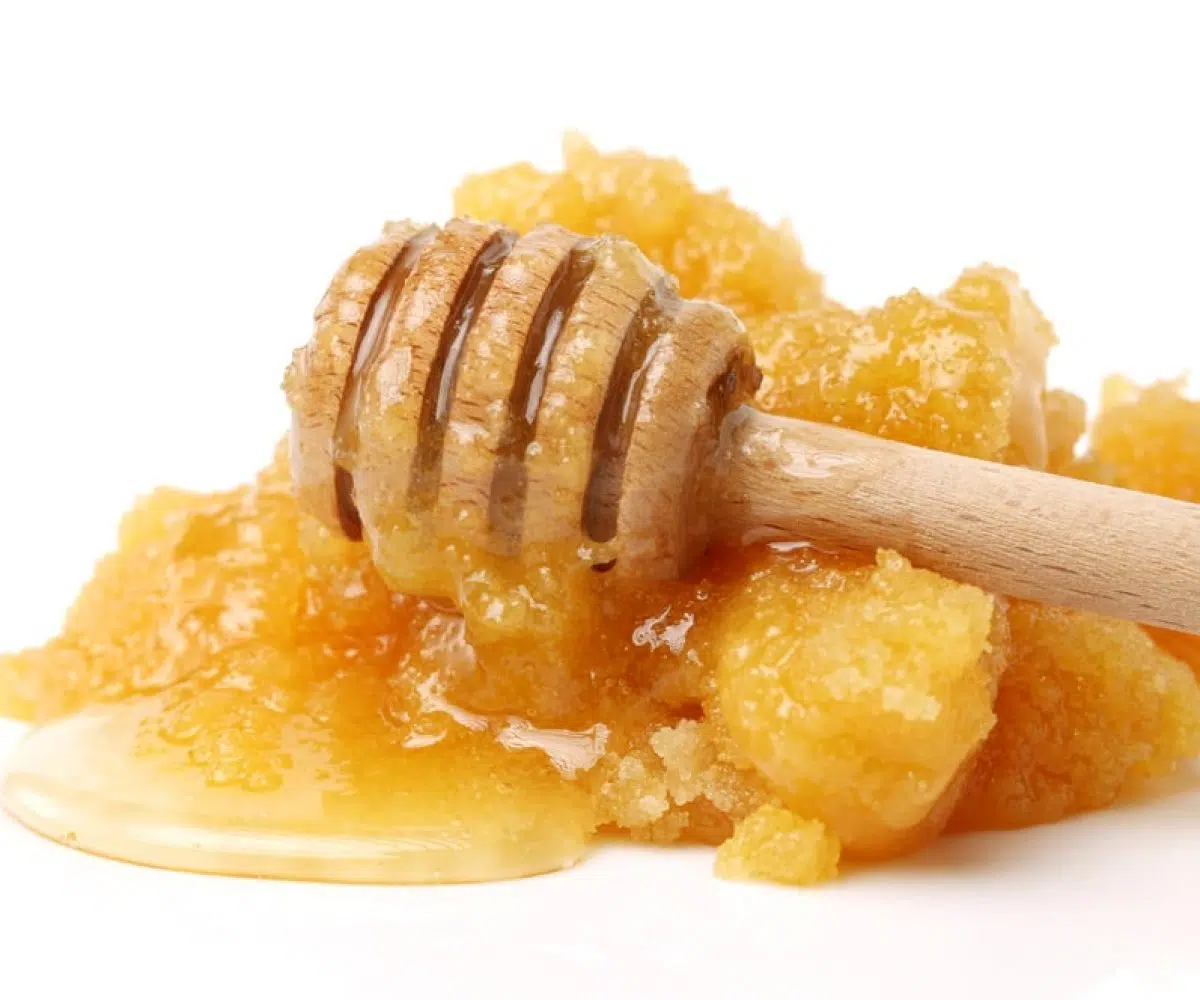
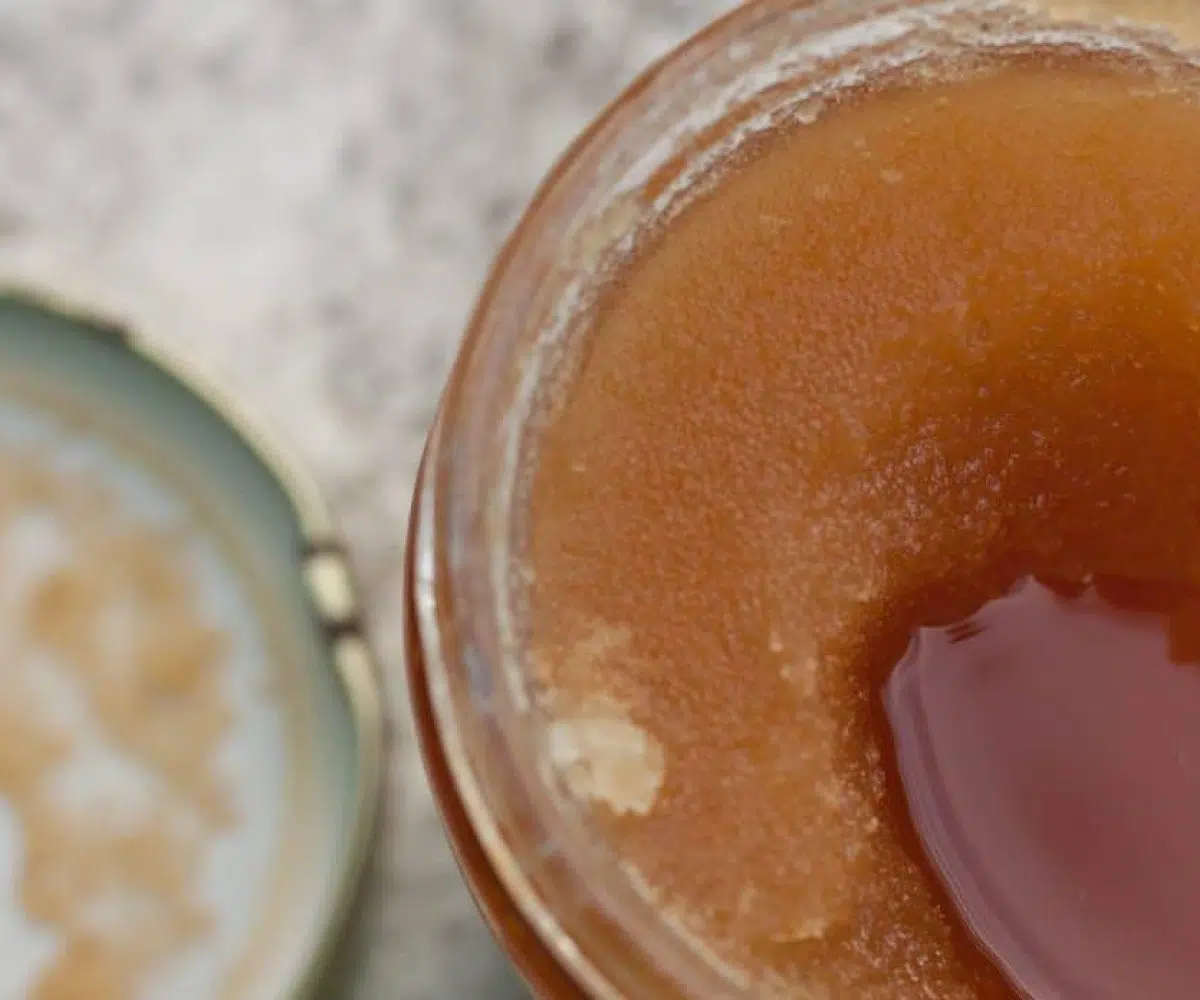
This is where the money goes: if you run both Layens and Langstroth, do not assume one fixed machine serves both. Get it in writing before you pay. And two details that save hours on harvest day: warming the supers to 35-38 ºC makes the honey flow far better, and if there is crystallised honey under the capping you may need a warm room for 24-48 hours before extracting. What you should not do is store full supers for more than a week: beyond that the wax-moth risk climbs.
Uncapping machines
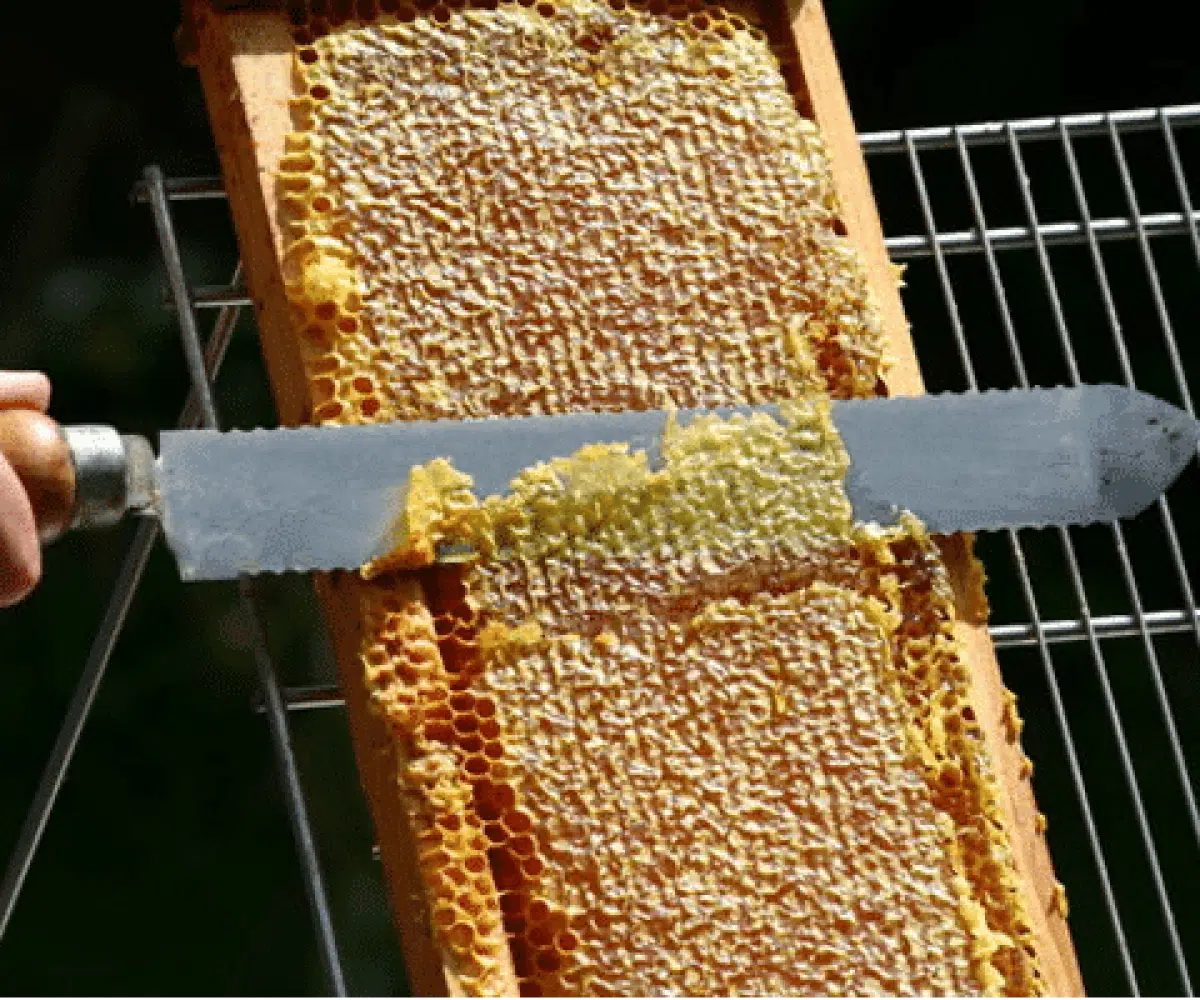
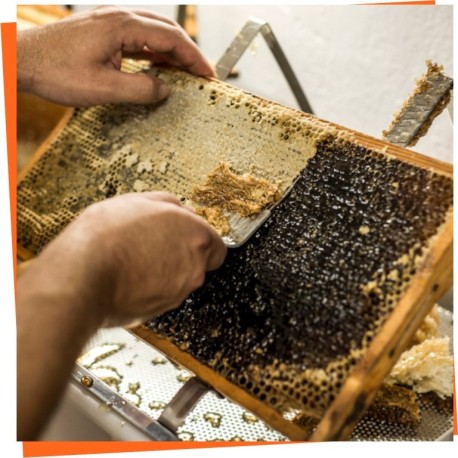
Uncapping opens the cell so the honey can come out. Done badly it drags wax into the extractor and doubles your filtering; done well the comb comes out whole and goes back to the hive.
Before the machine: which hand tool
- Uncapping fork — the cheapest and the most versatile. It is what best finishes the sunken areas a machine cannot reach, and what gives precision in corners and irregular combs.
- Plain knife — suits pale, recent, well-built wax. Works better sharpened or warmed.
- Serrated knife — suits old or dark wax, with cocoons or harder combs. It is not simply "better": it depends on the state of the frame, and on new wax the plain knife cuts cleaner.
- Electric knife — saves time and keeps the cut constant. If it has a thermostat, that is the detail that matters: without temperature control, the heat goes into the honey.
When the machine pays off
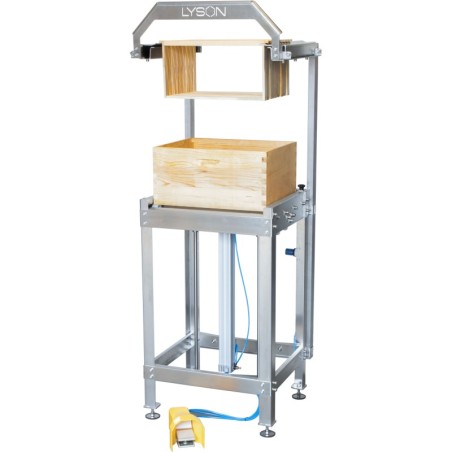
The jump runs from €399 for a manual vertical uncapper to €9,350 for an automatic one for a processing room. What you buy in between is not raw speed: it is a constant cut. A machine does not get tired at the hundredth super, and that is where hand work starts leaving cappings unopened and dragging wax.
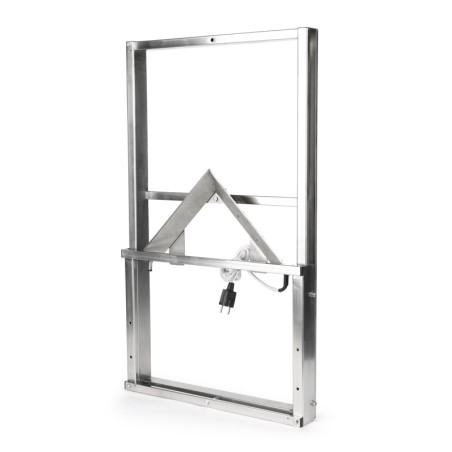
There are vertical models and V-type for Langstroth and Dadant. Check the frame format first: an uncapper sized for one frame does not serve another.
Spares are half the category
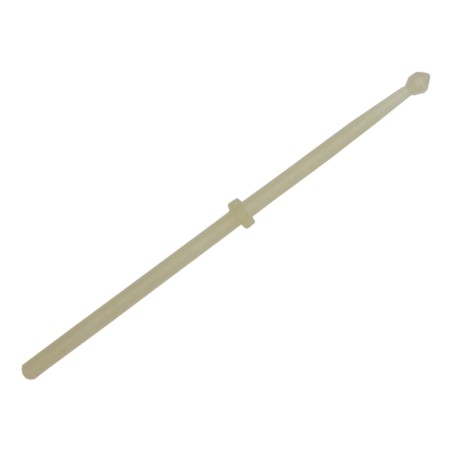
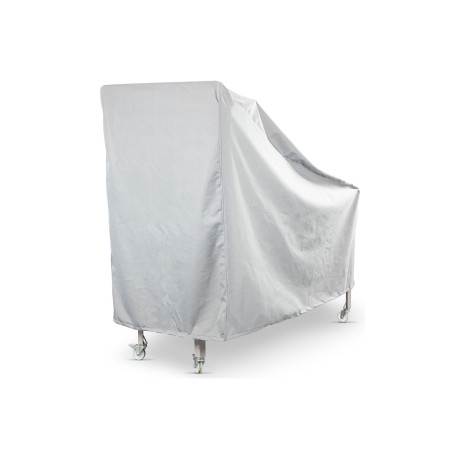
Cutting blades from €4.78, plastic spikes from €2.05, springs at €10 and protective covers. An uncapper is a machine of wearing parts: before writing one off, check whether what has failed is the blade.
And what comes out of the process — the cappings — carries honey that can be recovered. Do not throw it away with the wax without draining it.
What types of uncapping equipment are there?
There are several types of uncapping equipment, each suited to different needs and scales of production. They include:
· Hand tools: uncapping forks and knives, with serrated or plain blades. The knives can simply be sharp, or heated to make uncapping easier.
· Electric knives: similar to hand knives, but electrically heated for a faster, more comfortable cut.
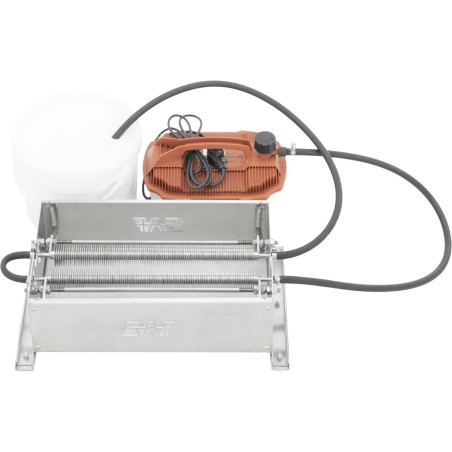
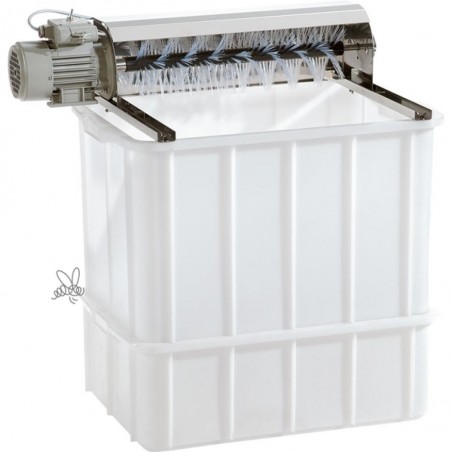
· Spiked roller: used to uncap very thick or thixotropic honeys, which cannot be drawn out of the cells by classic extraction techniques.
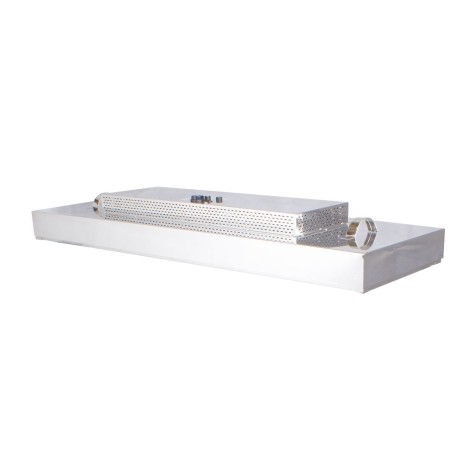
· Automatic uncappers: either horizontal, with rotating chains, which handle all types of frame and need no heating; or vertical, working with vibrating blades heated by steam or electricity.
· The Picotosa: a machine used to uncap viscous honeys on a large scale so that they can be spun out in the honey extractor, since their nature makes them very costly to extract.
What is an uncapping tool?
An uncapping tool is used by beekeepers to remove the thin layer of wax, known as cappings, that the bees use to seal the honey cells in a comb. Uncapping — removing those cappings — is a crucial step in extracting honey from the combs.
Uncapping equipment can be manual or automatic, depending on the scale of production and the beekeeper's needs.
How do you use an uncapping tool?
Using an uncapping tool varies with the type in question:
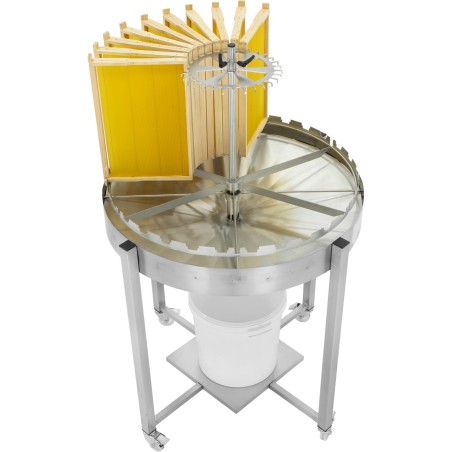
· With hand tools such as forks or knives, the frame is taken out of the super and set on a stand or over a tub. The tool is then used to scrape or cut the cappings off the frame.
· Electric knives work much like hand knives but reach an ideal temperature thanks to the current. Watch the temperature: they can caramelise the honey residues left on the blade.
· Automatic uncappers simply require the frame to be fed into the machine, which does the uncapping itself.
· In the case of the Picotosa, the machine's steel needles penetrate every honey cell and dislodge its contents.
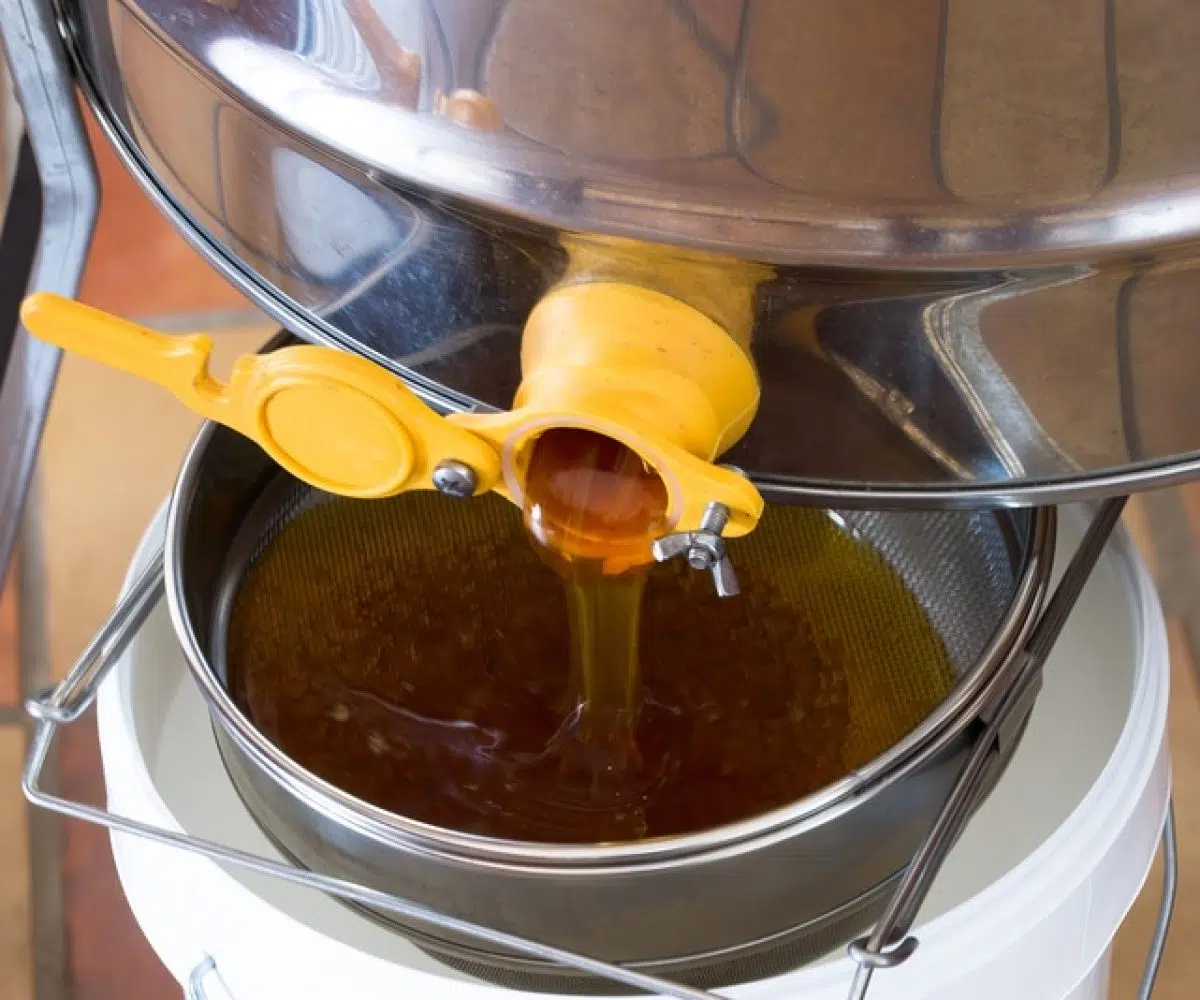
Whichever type is used, once the capping wax has been removed the uncapped frames go into an extractor so the honey can be spun out.