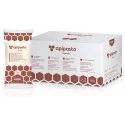
 Apipasta with vitamins 15kg
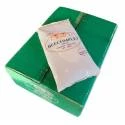 Beecomplet® Spring 14Kg
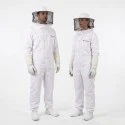 Beekeeper suit with round veil
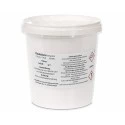 Oxalic acid 1kg
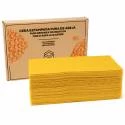 Beeswax Foundation 5kg
 Fresh royal jelly 20g
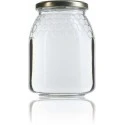 Classic honey jar 1kg comb-lines TO77 - Pack of 16 units
 Promotor L Apis 1 litre
- To order

 Share in WhatsApp
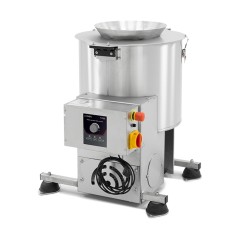
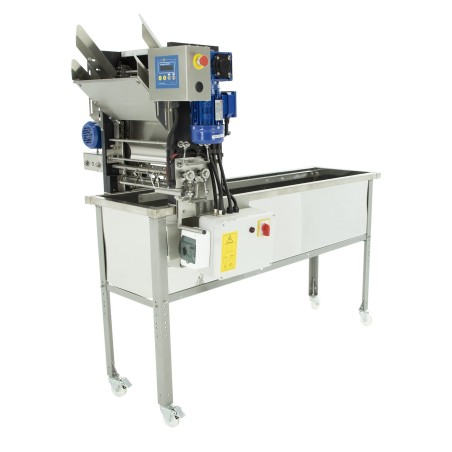
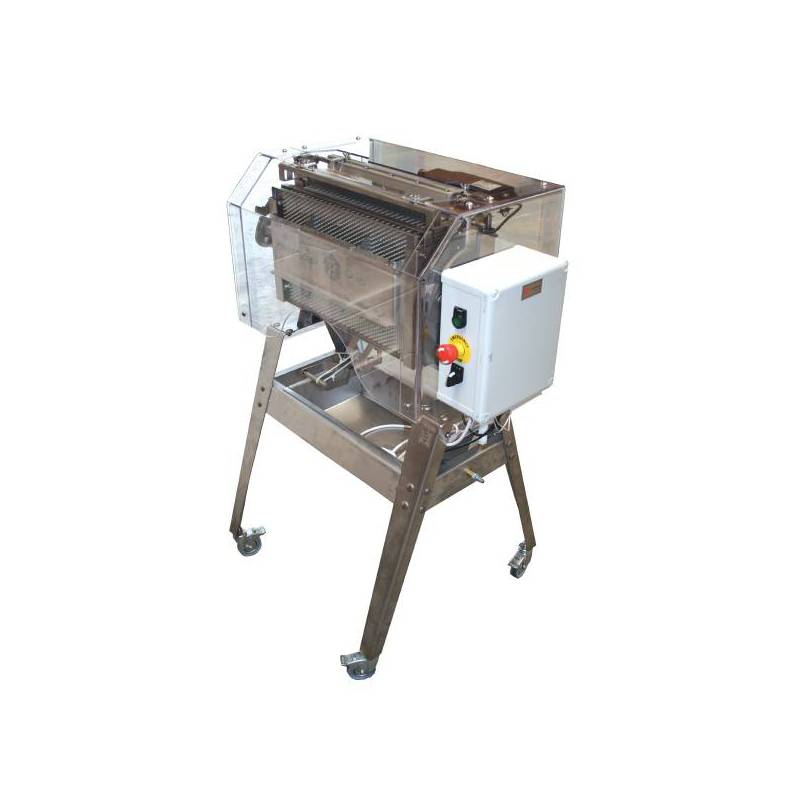
Full automatic version of the well-engineered and highly accurate Oswald Hain honey loosener.
Buy it now and receive it between Friday, 25 September and Tuesday, 29 September with Ontime
Automatic pricker with two needle plates: it opens cell by cell the frames of honeys that will not come out by spinning.
It exists for one very specific problem: heather. Some honeys refuse to be extracted. Ling heather and other dense honeys stay gripped in the cell however fast the extractor turns, and the classic way out is to press them. Pricking the comb is the other: opening every cell so the extractor can do its job.
01 · FOR HONEYS THAT WILL NOT COME OUT
An uncapper cuts the layer of wax that seals the comb. This machine does something else: it drives needles inside the cell to break the structure of the honey and let it flow. They are two different operations solving two different problems.
So the pricker does not replace the uncapping bench: it is used as well, and its place in the line is just before the extractor. What you gain is being able to spin a honey that would otherwise have to be pressed, with everything that means in broken comb and in work.
02 · EVERY NEEDLE ON ITS OWN SPRING
The two plates close automatically and the frame moves slightly so the needles find each cell instead of forcing it. And every needle is mounted on its own spring.
That is what prevents the damage: if a needle meets hardened propolis or the wood of the frame, it gives way instead of bending or splitting the comb. On a machine that goes through thousands of cells a frame, that individual suspension is the difference between working fast and working while breaking things.
03 · WHICH FRAMES FIT
It is adjustable and takes Dadant, Langstroth and shallow frames, and in general any frame no larger than 442 × 270 mm.
It is worth doing the sum before buying: by height, a 30 cm Layens frame falls outside that limit. If the apiary is Layens, this is not the tool.
04 · 4-5 FRAMES A MINUTE
It handles four to five frames a minute, which is the cadence of a honey house working in series: it keeps up with a large extractor without being the bottleneck.
And the consumption surprises for the size: 40 W at 230 V. The work is not done by power, it is done by the geometry of the plates; what does weigh is the machine, 59 kilos on 118 cm of height, so its place is decided once and not moved.
05 · BEFORE YOU BUY
A professional honey-house machine for one specific problem.
| ✓ FITS | Dadant, Langstroth and shallow frames up to 442 × 270 mm, on lines working dense honeys. |
| ⚠ IT DOES NOT REPLACE UNCAPPING | It pricks the cells; the capping layer is still removed first with your bench or uncapper. |
| ✕ LAYENS DOES NOT FIT | At 30 cm tall, the Layens frame is past the 270 mm limit the machine accepts. |
| Type | Automatic pricker, two needle plates |
|---|---|
| Throughput | 4-5 frames a minute |
| Maximum frame | 442 × 270 mm |
| Formats | Dadant · Langstroth · shallow frames |
| Needles | Each on its own spring |
| Supply | 230 V / 50 Hz |
| Consumption | 40 W |
| Dimensions | 80 cm long · 66 cm wide · 118 cm tall |
| Weight | 59 kg |
| Material | Stainless steel |
| Reference | 107334 |
Full automatic version of the well-engineered and highly accurate Oswald Hain honey loosener.
check_circle
check_circle