
-
Beehives
- Complete beehive
- Accessories
-
Nuc hives
- Nucs by format
- With bees & mating
- Spare parts
-
Bee equipment
- For the apiary
- For the beekeeper
-
Clothing
- Clothing Accessories
-
Beeswax
-
Pure beeswax
- Beeswax and foundation
- Beeswax foundations
- Melting and rolling beewax
-
Pure beeswax
-
Bee feed
- Accessories and source materials
- Utensils
-
Bee health
- Varroa Treatments
- Diseases control
- Nutraceuticals
-
Extraction and bottling
- Before extraction
- Honey extraction
- After extraction
-
Bee pollen
- Harvest
- Indicted
-
Honey packaging
- Flasks per utility
- Flasks by size
- Other packaging
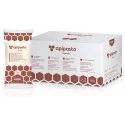 Apipasta with vitamins 15kg
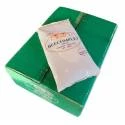 Beecomplet® Spring 14Kg
 Beekeeper suit with round veil
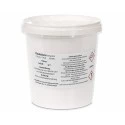 Oxalic acid 1kg
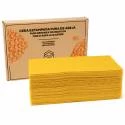 Beeswax Foundation 5kg
 Fresh royal jelly 20g
 Classic honey jar 1kg comb-lines TO77 - Pack of 16 units
 Promotor L Apis 1 litre
Raw
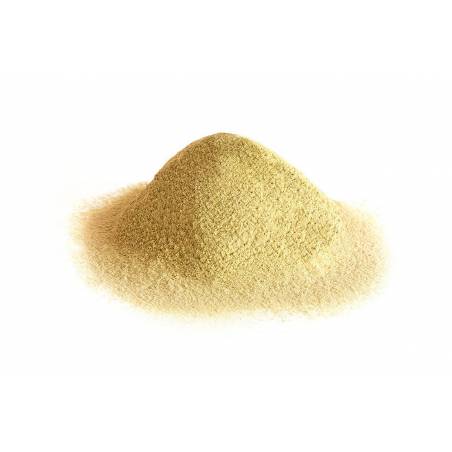
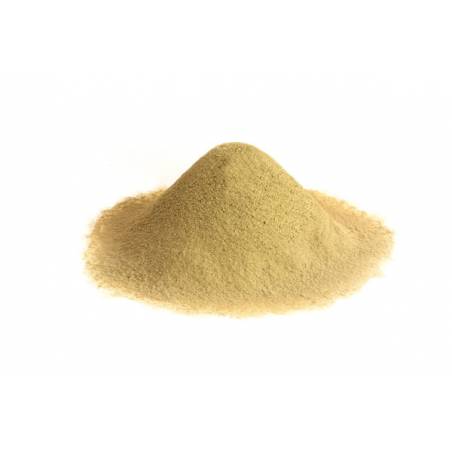
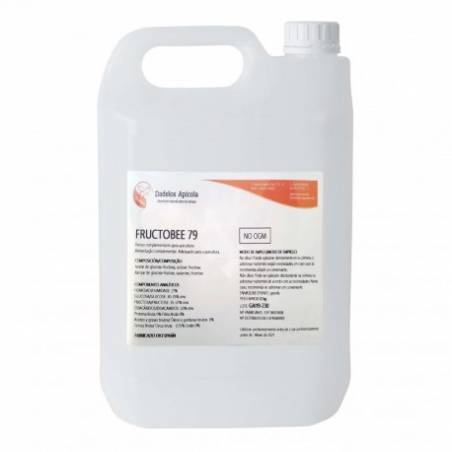
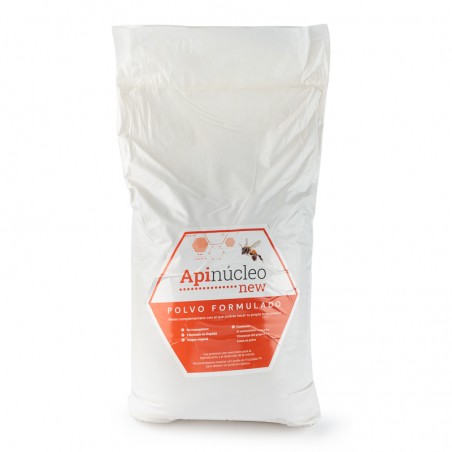
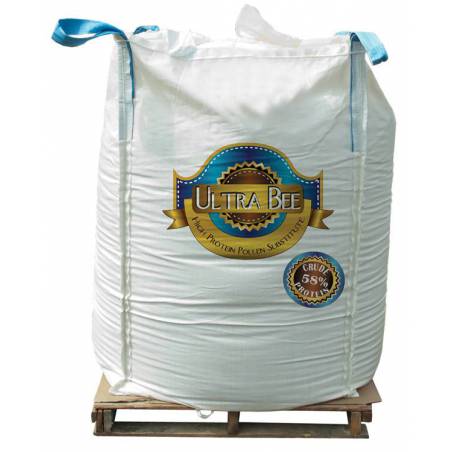
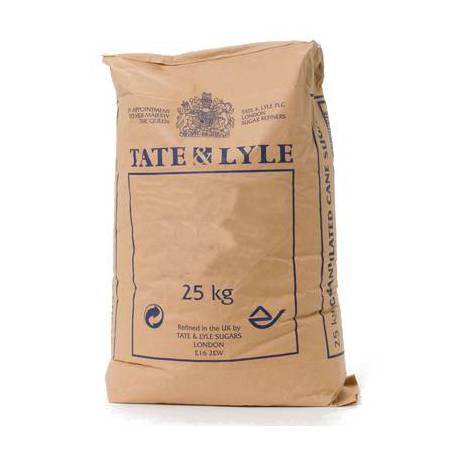
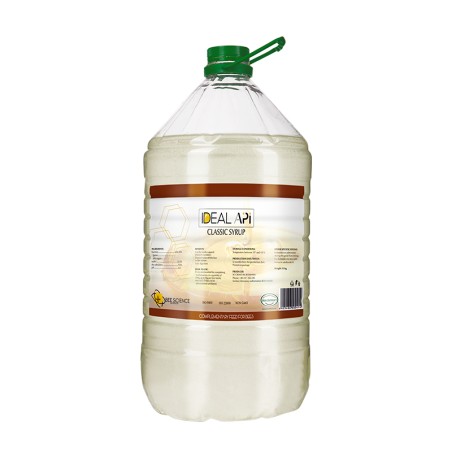
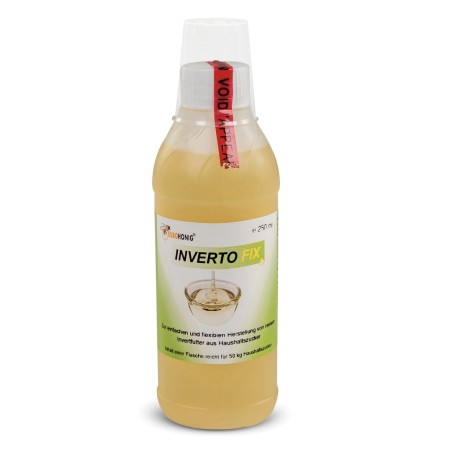
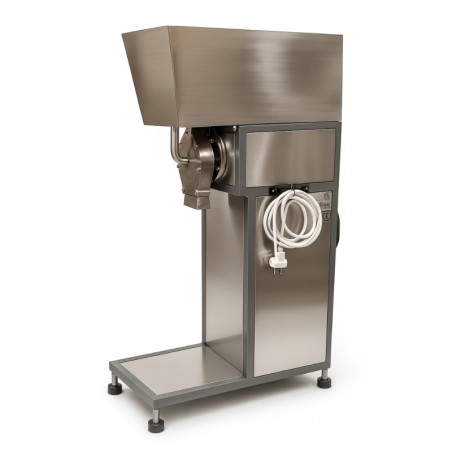
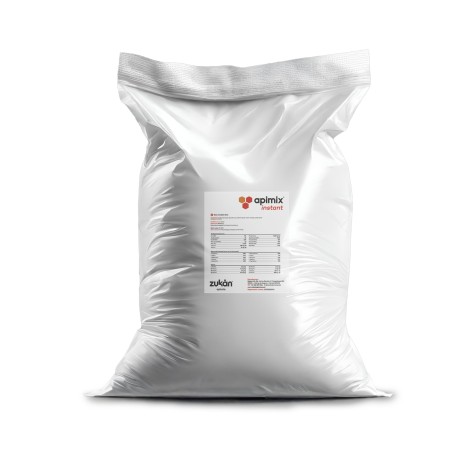
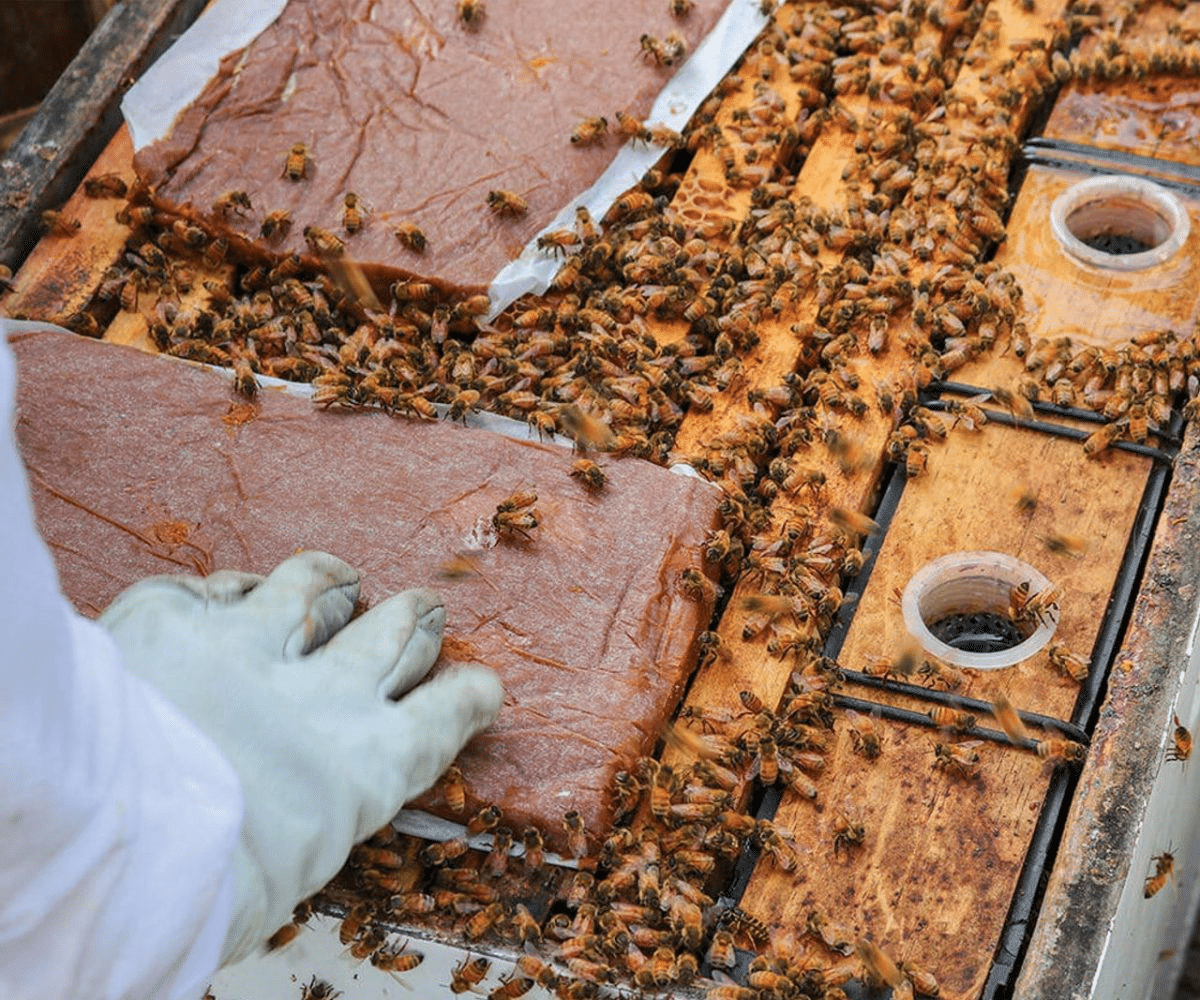
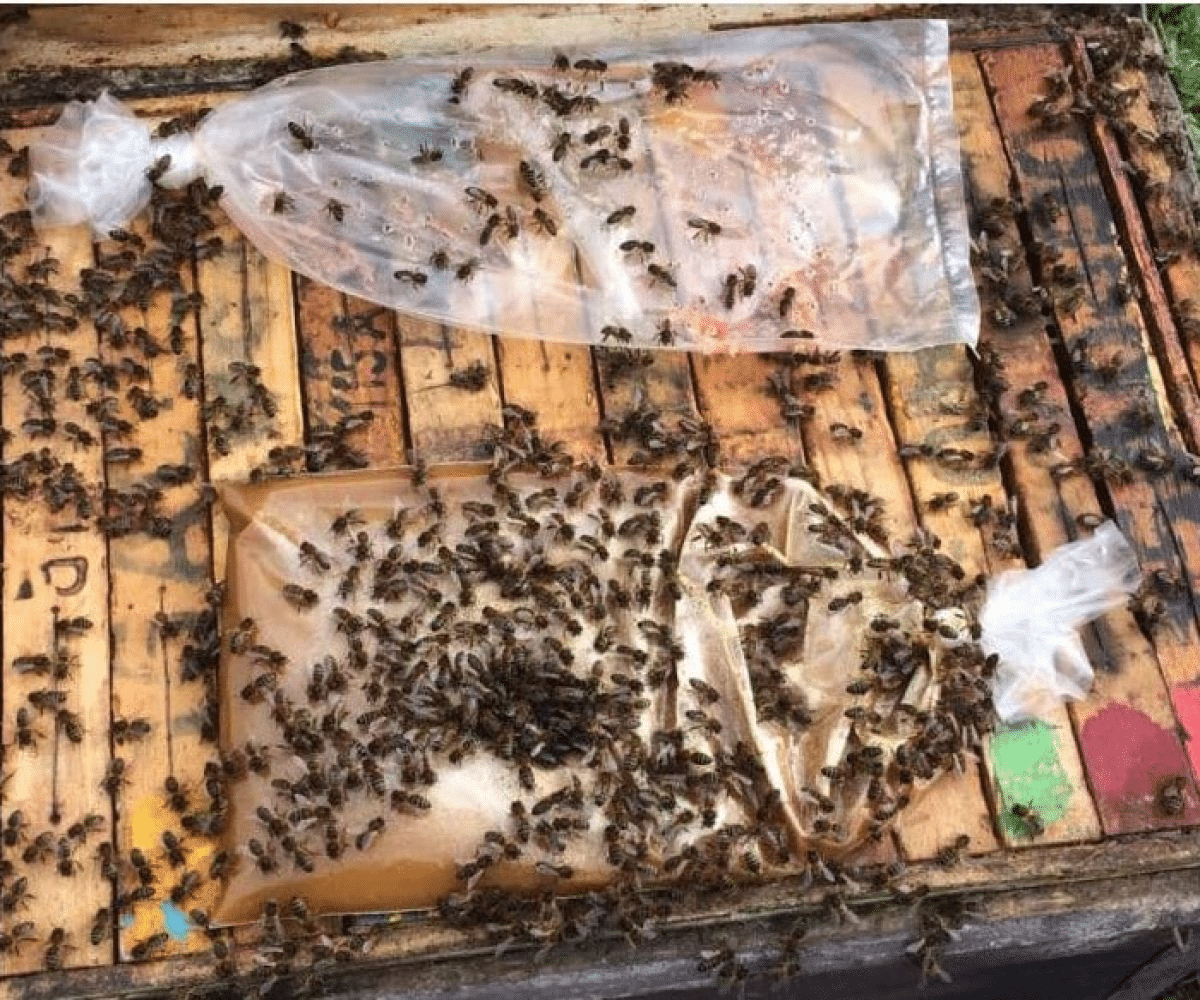
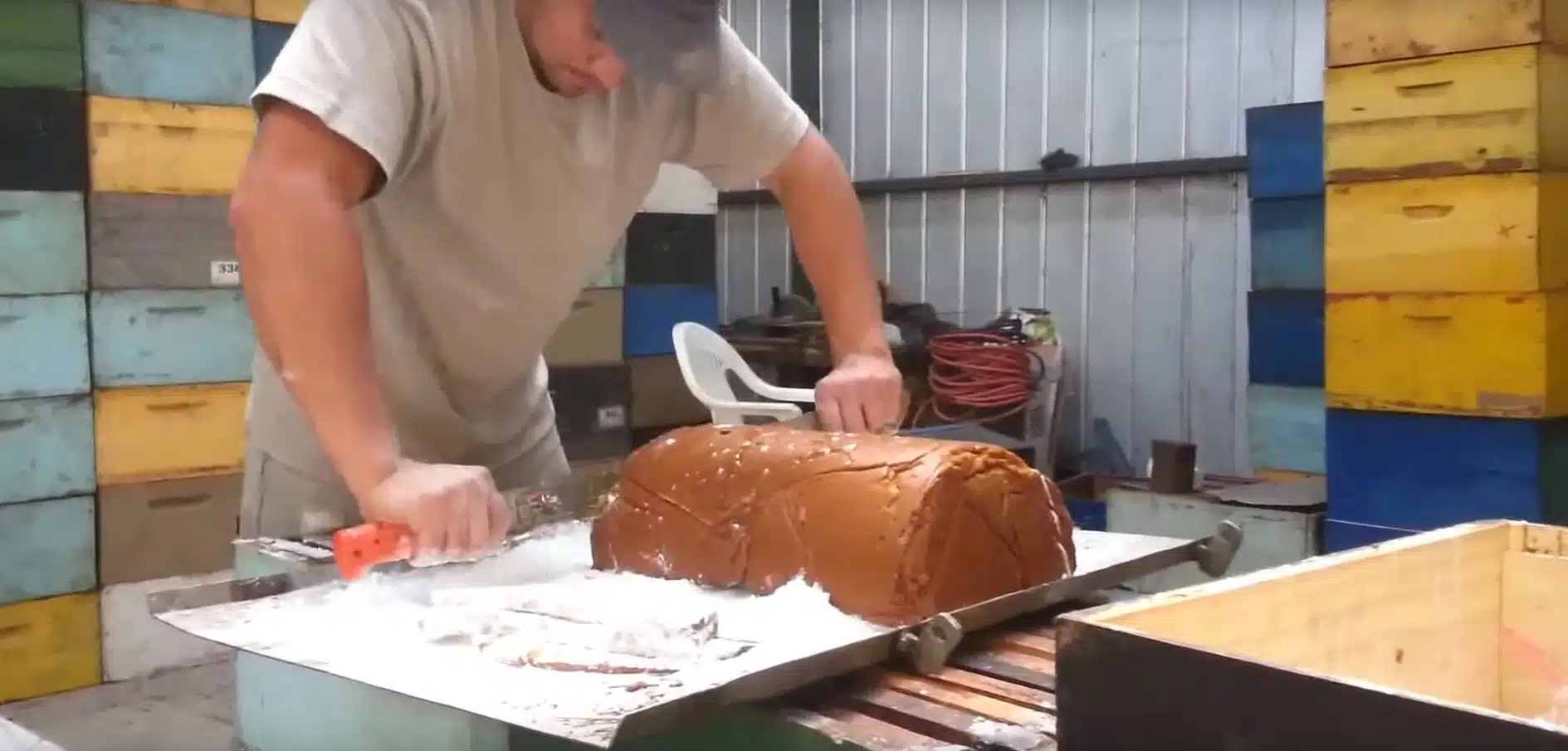
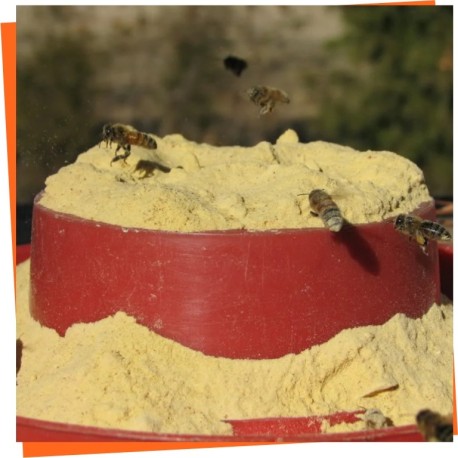
Micronised soya flour, powdered Apipollen, yeasts, INVERTOFIX inverting agents and bags for preparing feed. From sack to pallet.
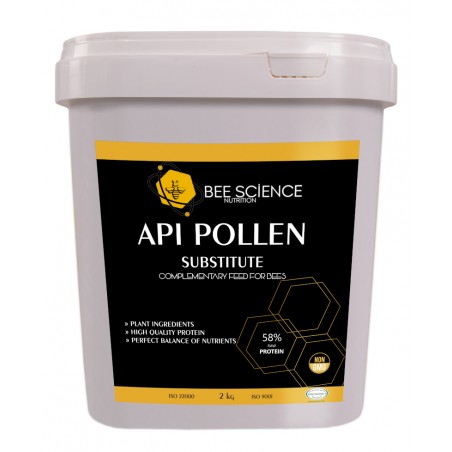
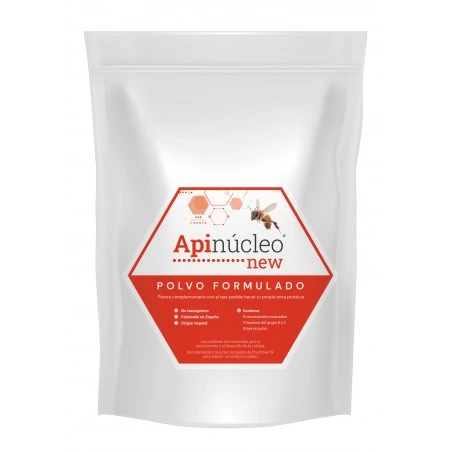
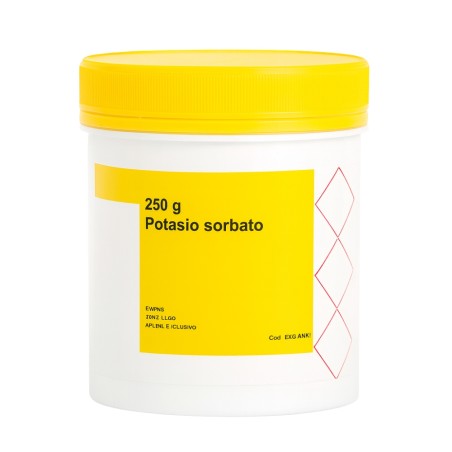
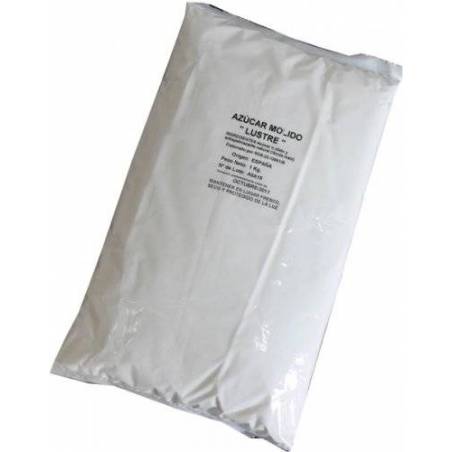
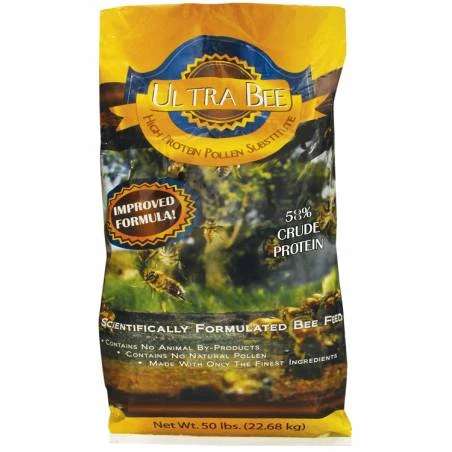
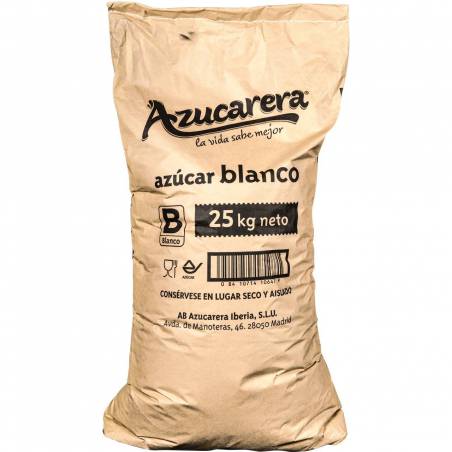
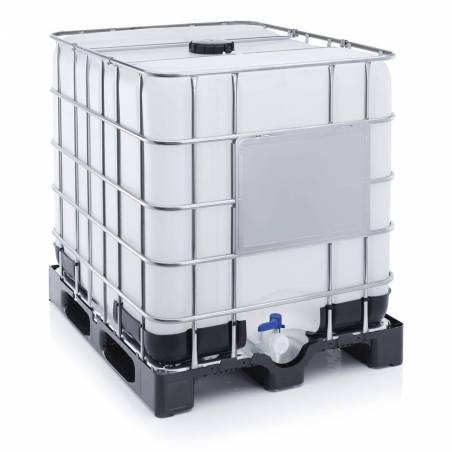
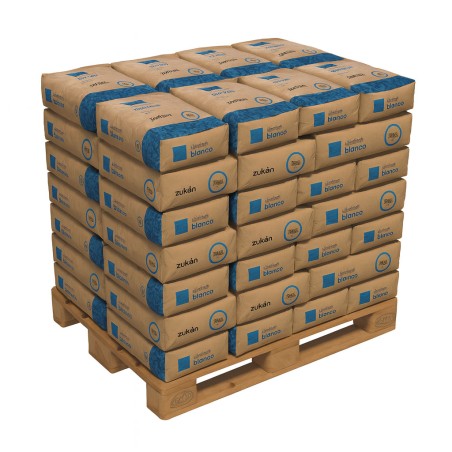
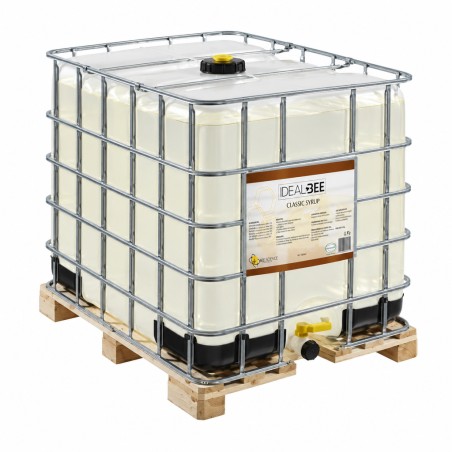
Raw
This category is for anyone who makes their own feed instead of buying it ready. At a certain volume, the cost difference per hive is substantial.
First: protein is not energy
Syrup and candy give energy. What sustains brood is protein, and that comes from pollen. When no pollen is coming in — a long emergence from winter, a monoculture, drought — the colony stops rearing even with sugar to spare. That is where a protein substitute comes in.
What has to be said about substitutes
Micronised soya flour and yeasts supply protein, but no substitute matches pollen in amino-acid profile or digestibility. They are support to cover a gap, not a permanent replacement. A colony fed only on substitute for a long time rears worse brood.
And micronised matters: bees handle coarse flour badly, and what they do not consume moulds inside the hive.
The warning that is costly to ignore
If you add pollen to the mix, make sure it is of known origin and treated. Untreated third-party pollen is one of the most efficient ways of carrying pathogens from one apiary to another. This is not a theoretical precaution: it is how serious problems have moved between operations.
Preparing it properly
Inverting agents (INVERTOFIX) let you split the sucrose without overheating the syrup, which is how HMF forms — harmful to bees at high concentrations. And the bags (€1.70 for 50) let you dose per hive instead of carrying buckets.
Ready-made feed is in stimulation feed; supplements in nutritional supplements.
What raw materials are used in bee feed?
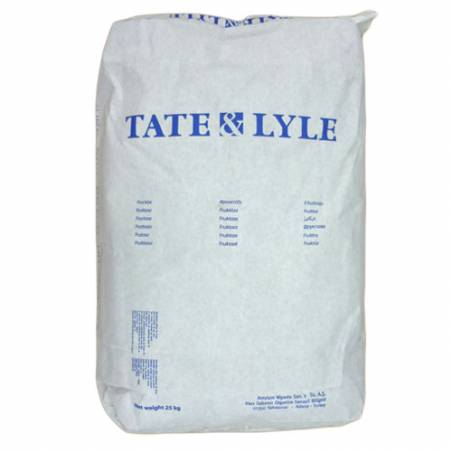
Sucrose is the main energy source used, along with commercial glucose and fructose syrups whose technical specification is suitable for bees. When pollen is lacking in quantity or variety, a supplementary diet may contain protein sources such as brewer’s yeast or finely micronised soya flour, as well as fats, minerals and vitamins.
Each raw material covers only one part of the diet: sugar does not replace pollen, and a protein source does not necessarily supply every required amino acid, fat and micronutrient. The whole feed must therefore be formulated, moisture controlled and composition and analytical constituents checked, rather than ingredients being added by guesswork.
Can I make my own bee feed?
Yes, but it requires a tested formulation, identified raw materials, accurate weighing and good hygiene. A complete feed must balance energy, protein, fats, minerals and vitamins; the particle size of protein materials, moisture level and uniformity also affect acceptance and keeping quality.
Make a small trial batch and check consumption and texture before scaling up. Avoid honey of unknown bee-health status, sugars with undeclared additives, and rancid, damp or contaminated materials. If the formulation and storage cannot be controlled, a commercial bee feed with a declared composition and directions offers a more reproducible reference.
How do the sugars used in bee feed differ?
White sugar or sucrose: is a standard choice for making syrup, and bees can digest it with their own enzymes. Invert sugar: contains sucrose split into glucose and fructose, but inversion alone does not provide a nutritional advantage. Glucose and fructose syrups: may be used when their composition is declared and they do not contain problematic levels of higher sugars, starches or additives.
Compare dry matter, water content, composition and storage requirements. Do not use brown sugar, molasses or confectionery waste, and avoid overheating syrup. For a commercial bee feed, always follow the technical sheet and stated dose.
How should raw materials for bee feed be stored?
Keep them in their identified, tightly closed containers, in a dry, cool place protected from light, moisture, pests and chemicals. Sucrose is stable, but materials containing protein, fat or vitamins may lose quality or become rancid; rotate stocks and follow the manufacturer’s date and storage conditions.
Before use, check for caking, damp, unusual odour, mould or insects. Once a mixture has been prepared, its keeping properties change: syrup and moist pastes may ferment, so they must be portioned for prompt consumption or stored exactly as the formulation specifies.
Can several raw materials be combined to improve bee nutrition?
Yes, but combining ingredients does not automatically improve the feed. The mixture must follow a formulation that balances energy, protein, amino acids, fats and micronutrients for the objective. Adding more protein or more supplement than specified may reduce acceptance, alter texture or shorten keeping quality.
Weigh every component, mix the ingredients present in the smallest amounts first and homogenise before adding the next. Calculate the final moisture and prepare a trial batch to check consumption and stability. When combining commercial products, confirm compatibility in their technical sheets and avoid duplicating additives.