
-
Beehives
- Complete beehive
- Accessories
-
Nuc hives
- Nucs by format
- With bees & mating
- Spare parts
-
Bee equipment
- For the apiary
- For the beekeeper
-
Clothing
- Clothing Accessories
-
Beeswax
-
Pure beeswax
- Beeswax and foundation
- Beeswax foundations
- Melting and rolling beewax
-
Pure beeswax
-
Bee feed
- Accessories and source materials
- Utensils
-
Bee health
- Varroa Treatments
- Diseases control
- Nutraceuticals
-
Extraction and bottling
- Before extraction
- Honey extraction
- After extraction
-
Bee pollen
- Harvest
- Indicted
-
Honey packaging
- Flasks per utility
- Flasks by size
- Other packaging
 Apipasta with vitamins 15kg
 Beecomplet® Spring 14Kg
 Beekeeper suit with round veil
 Oxalic acid 1kg
 Beeswax Foundation 5kg
 Fresh royal jelly 20g
 Classic honey jar 1kg comb-lines TO77 - Pack of 16 units
 Promotor L Apis 1 litre
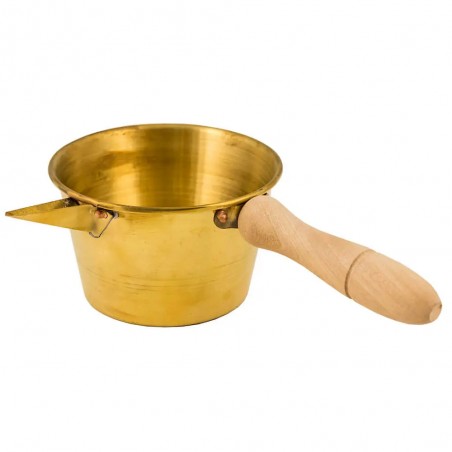
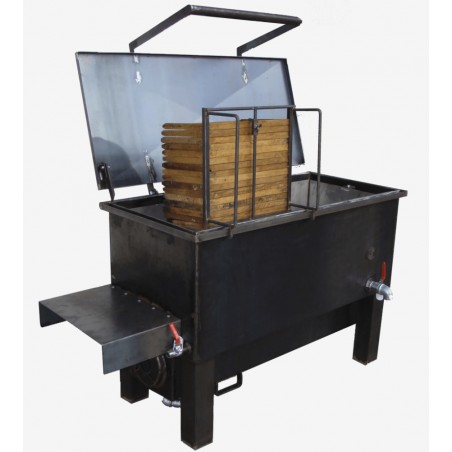
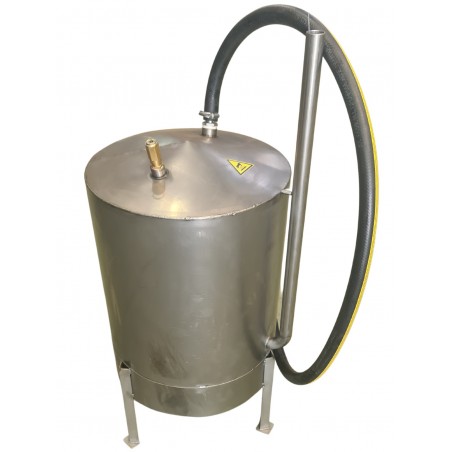
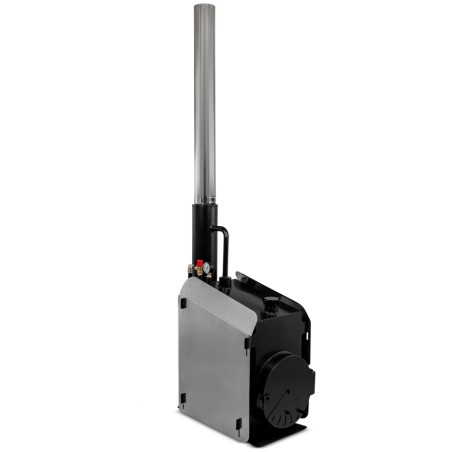
Bee Wax melters
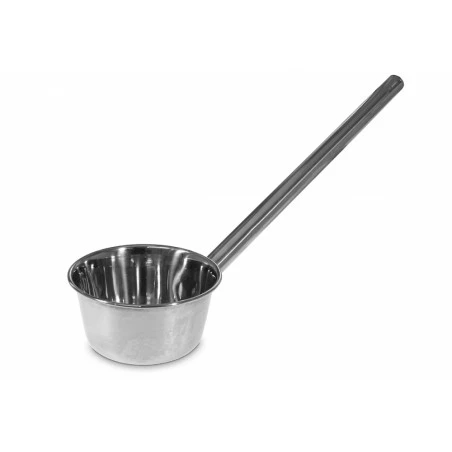
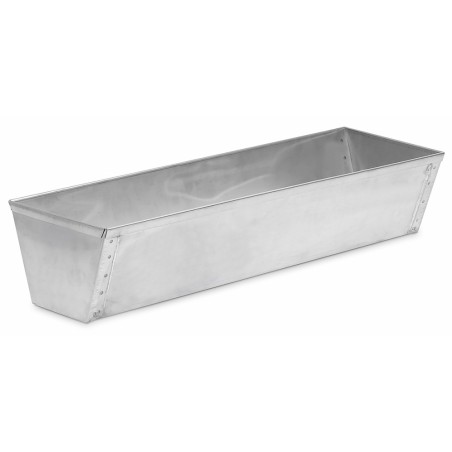
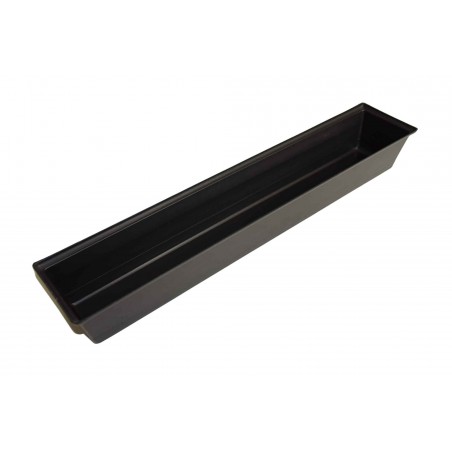
Wax melters and steam wax extractors from €6.40 to €10,990: water bath, steam generators and workshop equipment, plus moulds, ladles and spares.
Wax melting equipment type
Brand
Price
-
€6.00 - €14,990.00
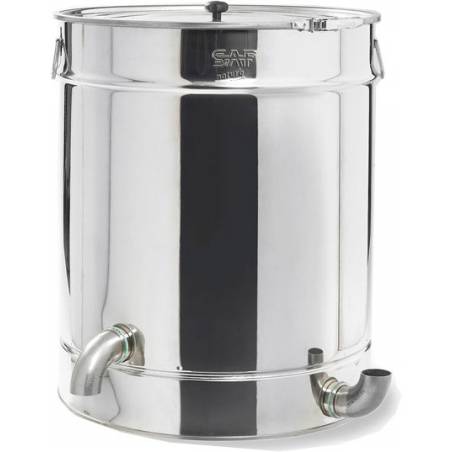
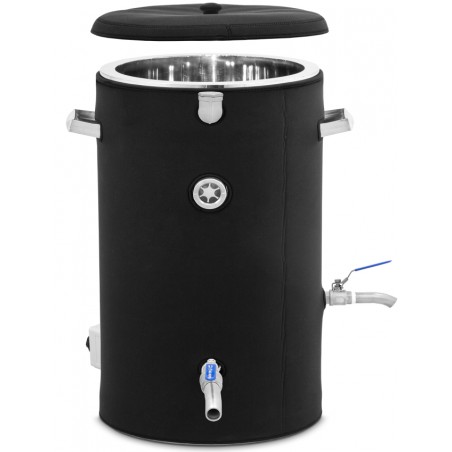
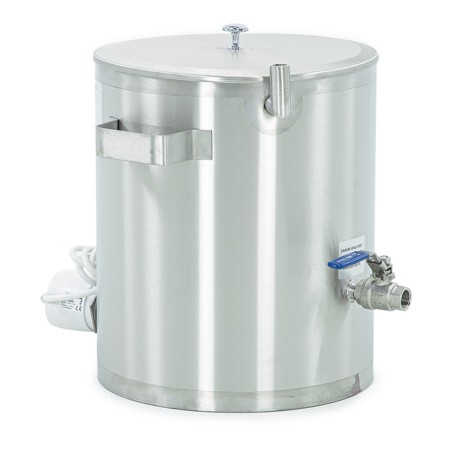
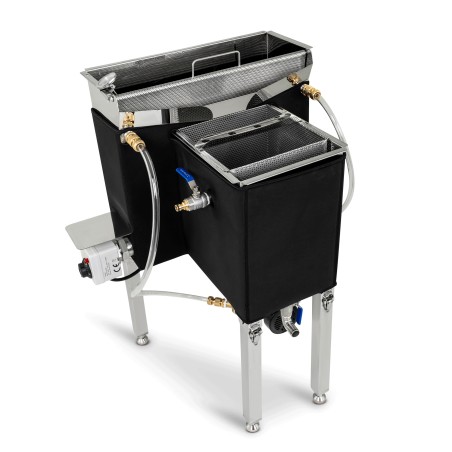
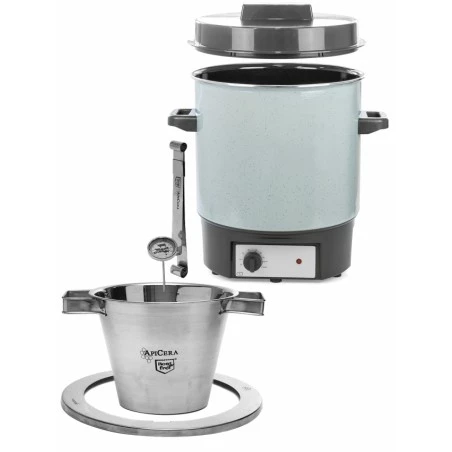
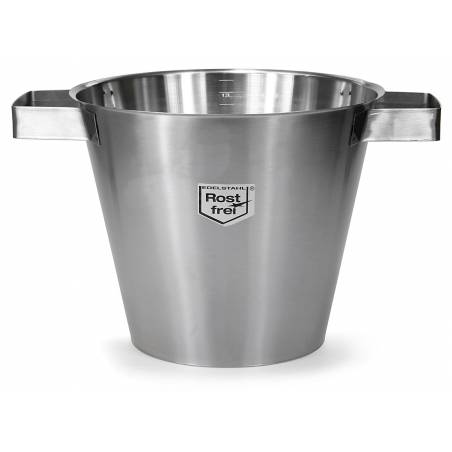
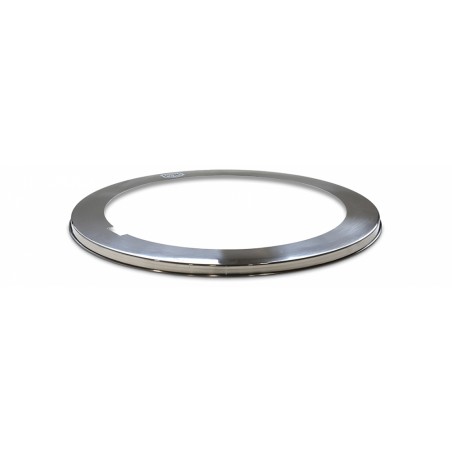
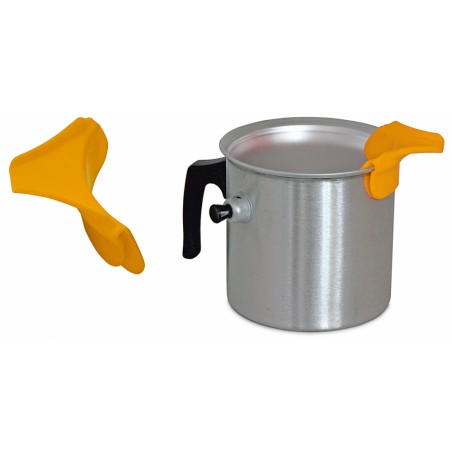
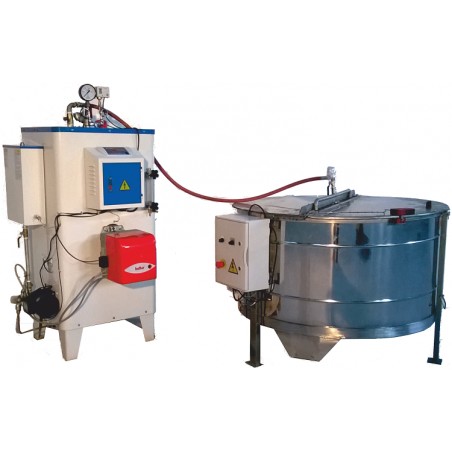
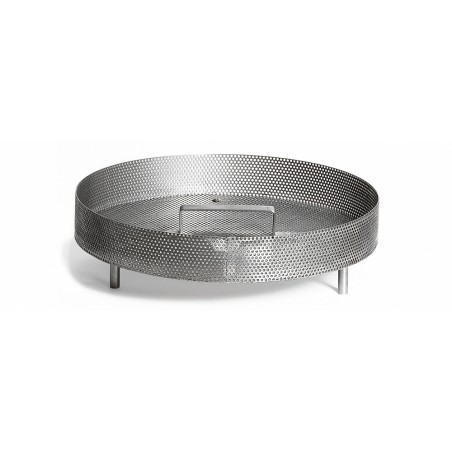
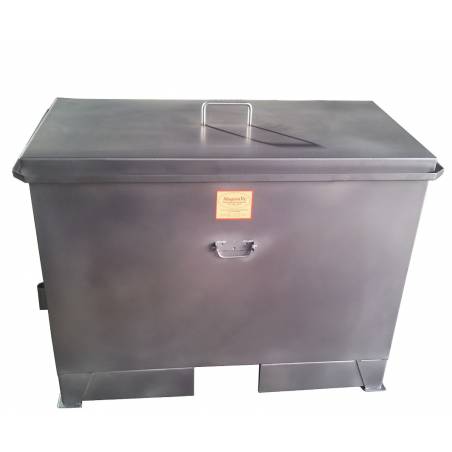
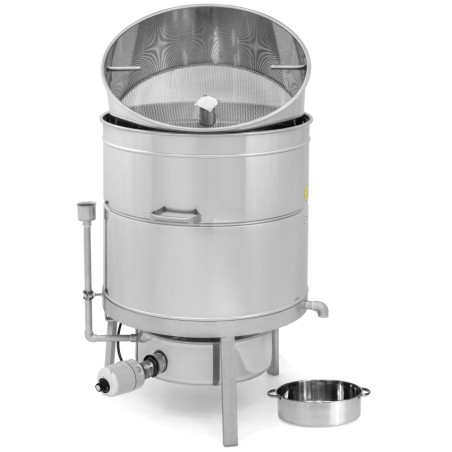
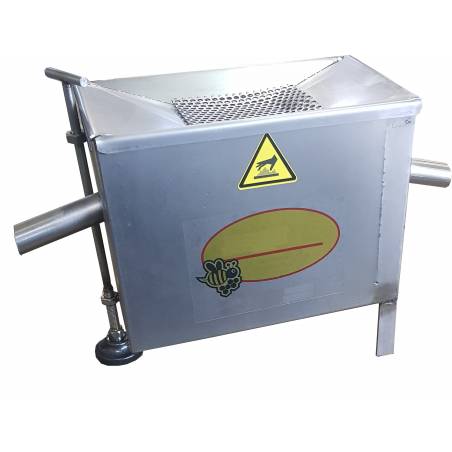
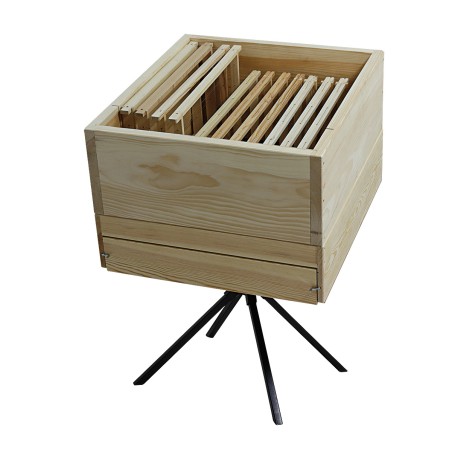
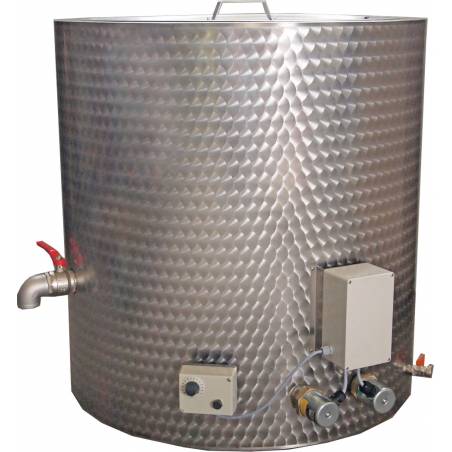
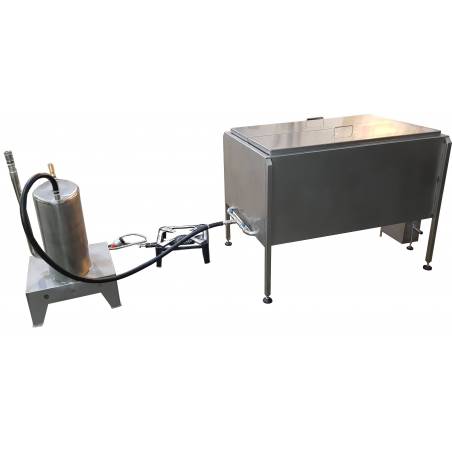
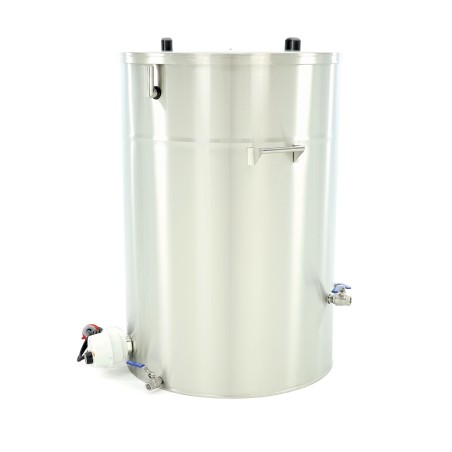
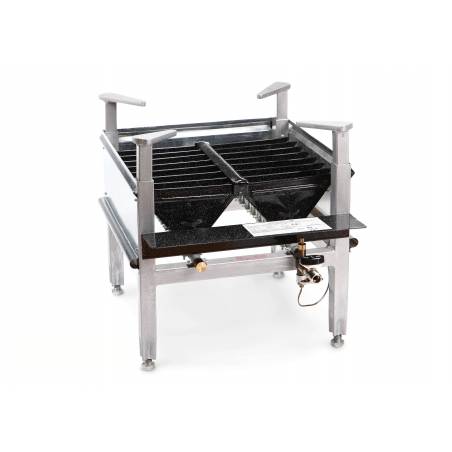
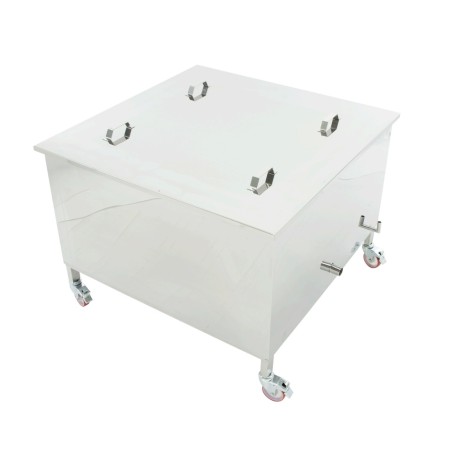
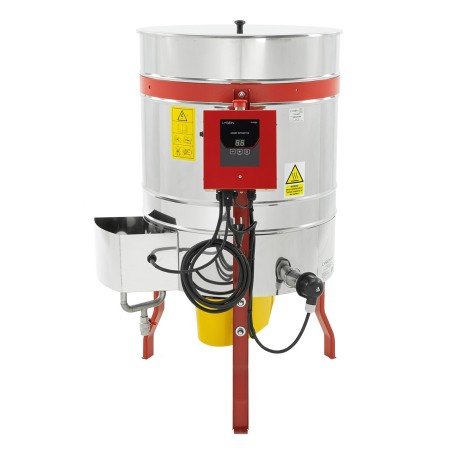

How to choose a wax melter
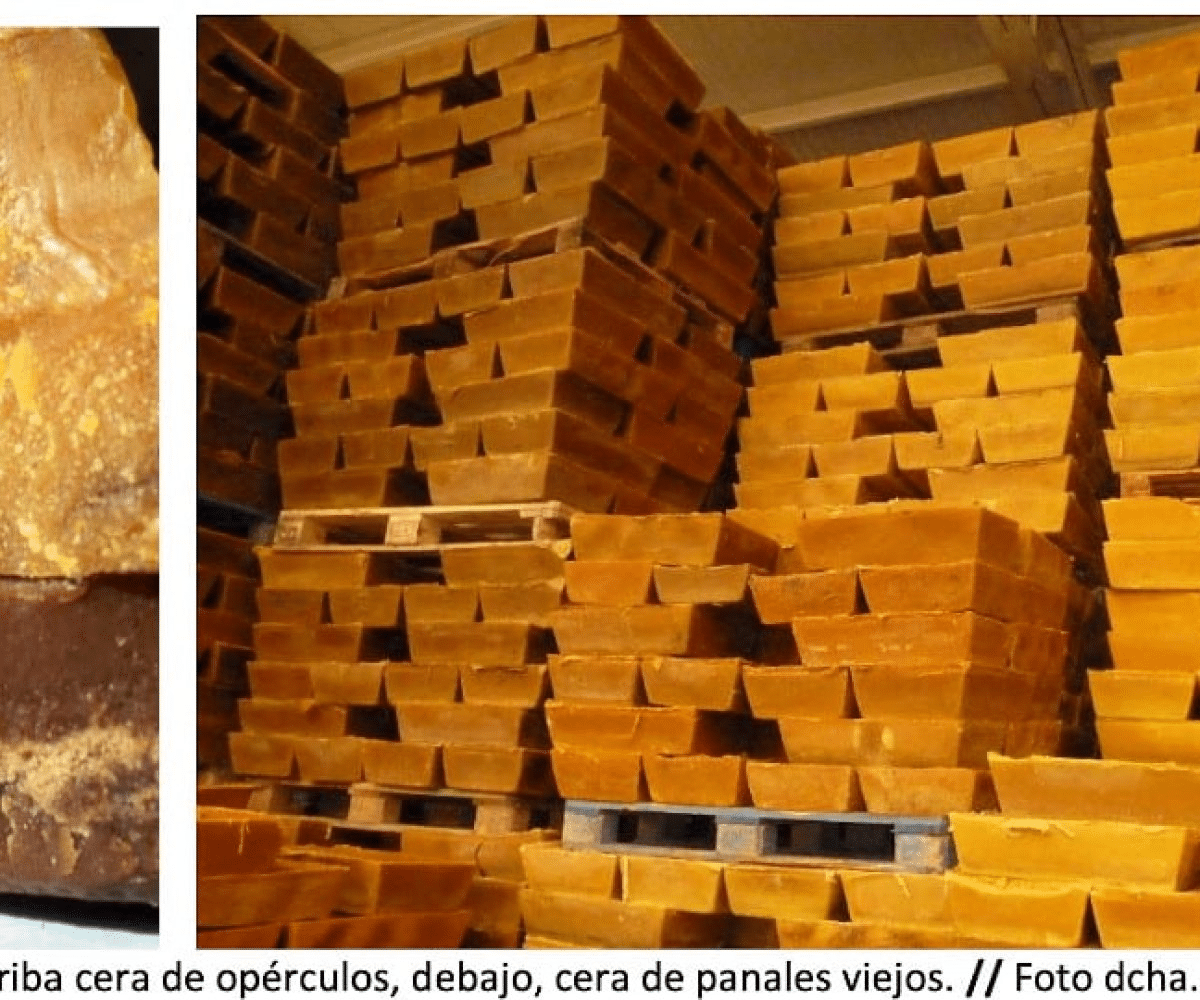
Melting wax shouldn't be done “roughly”. Wax is a valuable and quite delicate material: if you overheat it, dirty it, mix it without criteria or start from bad combs, the result can be a wax less accepted by the bees. Before choosing a melter, I'd be clear about what wax you're going to process and what you want it for afterwards. Melting clean cappings isn't the same as melting old brood-chamber combs. If that wax is going back to the hive as foundation, it's worth being much more demanding: avoid combs that have been in direct contact with treatments, hives with serious diseases, mouldy wax or material you have no traceability for.
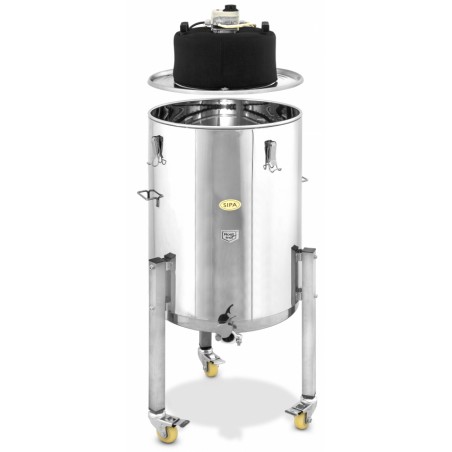
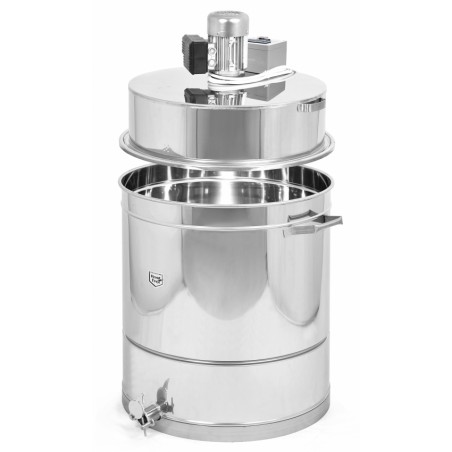
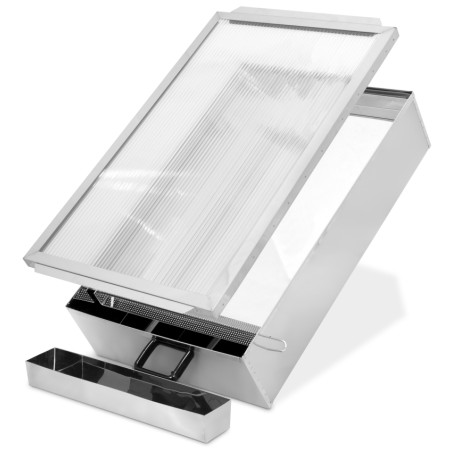
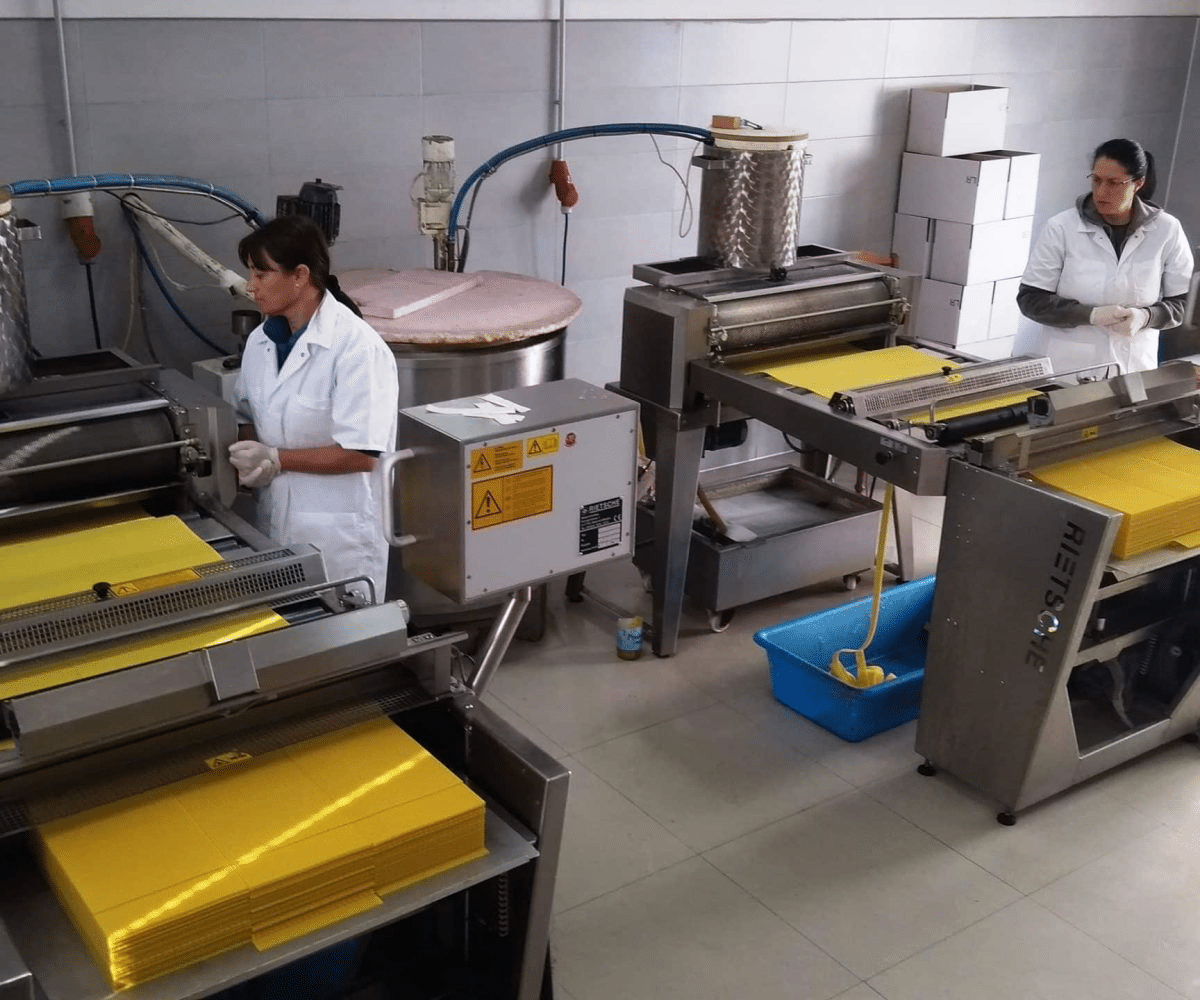
My advice is to choose the equipment according to volume and goal. For few combs or occasional use, a solar wax melter can be enough, although it depends a lot on the climate and the handling. To work more regularly, I prefer boilers or steam melters, because they allow a more constant and clean process. On larger operations, I'd look at equipment with greater capacity, interchangeable baskets, good filtering and ease of cleaning. What matters isn't just melting fast: it's controlling the temperature, separating impurities, settling well and preserving the quality of the wax. And here I'll take a clear stand: if the wax is for beekeeping use, I wouldn't try to bleach it at any cost. A good settling is worth more than a very pale but damaged wax. Good wax starts before the melter: it starts by selecting well the comb you decide to melt.

Bee Wax melters
Melting wax is a matter of controlled temperature, and that is where you decide whether you recover clean wax or burnt wax.
The temperatures worth knowing
- 30-35 ºC — wax turns plastic: mouldable, not yet liquid.
- 62-65 ºC — melting point. To melt it fully, 65-70 ºC is enough; to pour into moulds, 70-75 ºC.
- 75-80 ºC — the range for breaking water-wax emulsions, which is what separates the wax from the melting water.
- Above 85 ºC — the wax starts to darken.
- 95-105 ºC — surface foam forms and residual water is driven off.
- Above 140 ºC — the volatiles evaporate, the wax darkens and the smell is lost.
Translated into buying: what matters is not the power but whether you can control the temperature. A machine with only an on switch will take you past what you need the moment you look away.
The three systems
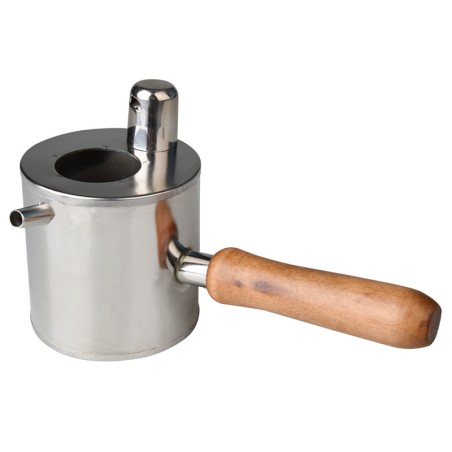
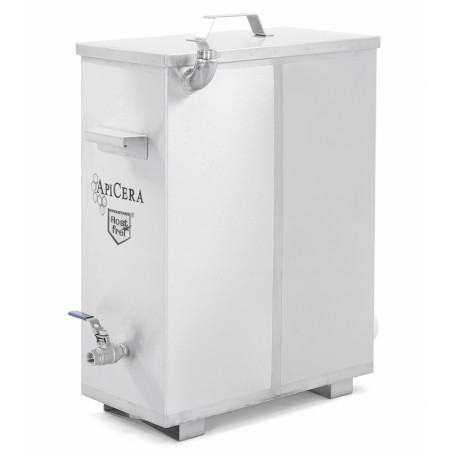
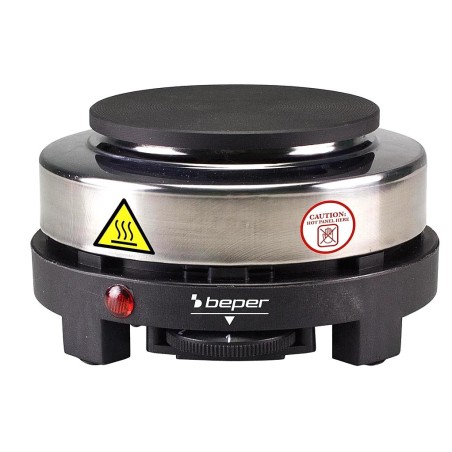
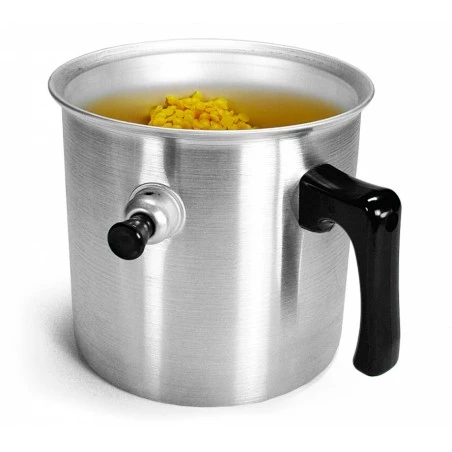
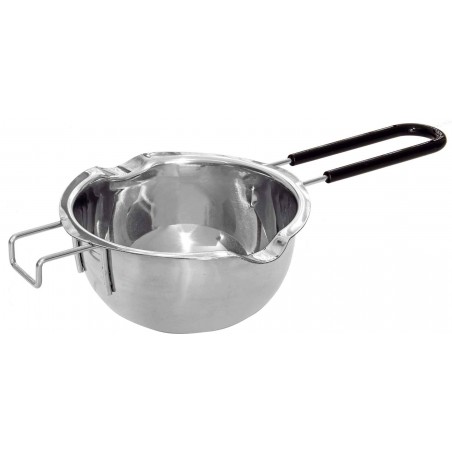
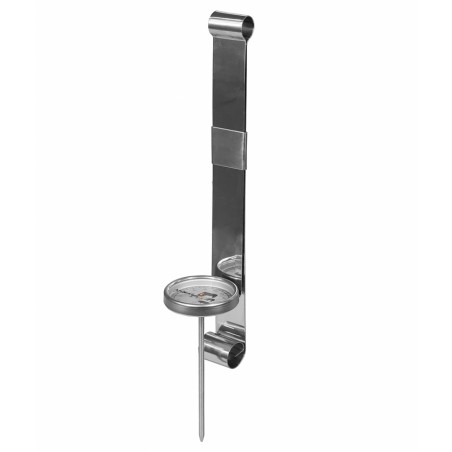
- Water bath (from €9.90) — for small amounts, melting block wax and candle work. It cannot go past 100 ºC, and that is its virtue, although wax darkens above 85 ºC: best with a thermometer.
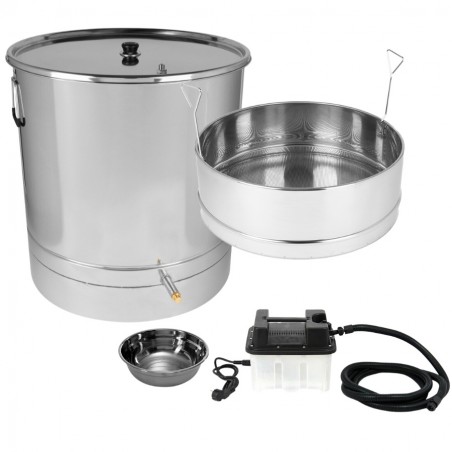
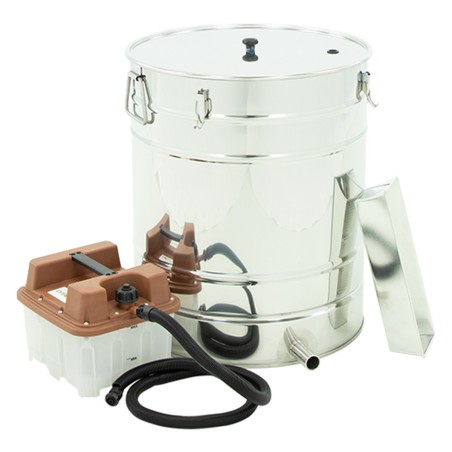
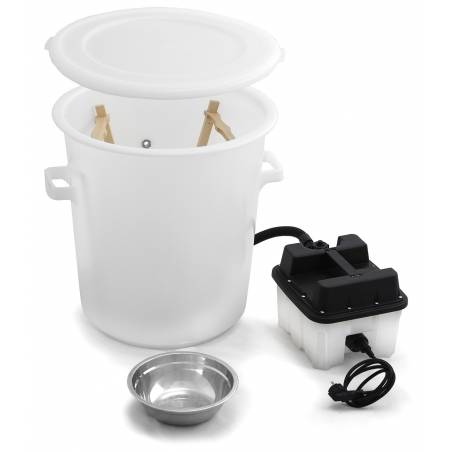
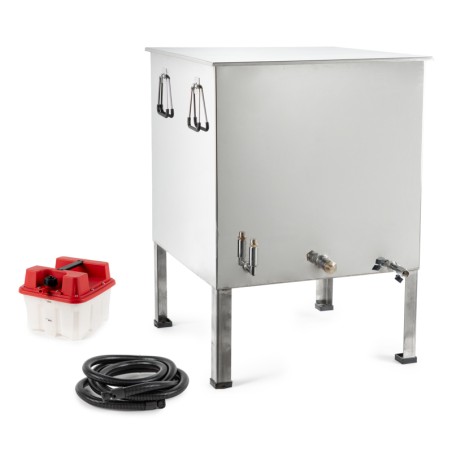
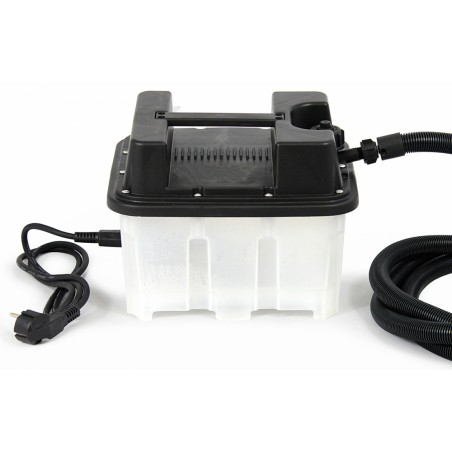
- Steam — the workshop system for recovering wax from old combs and cappings. The generator and its hose are the wearing parts; replacements from €11.50.
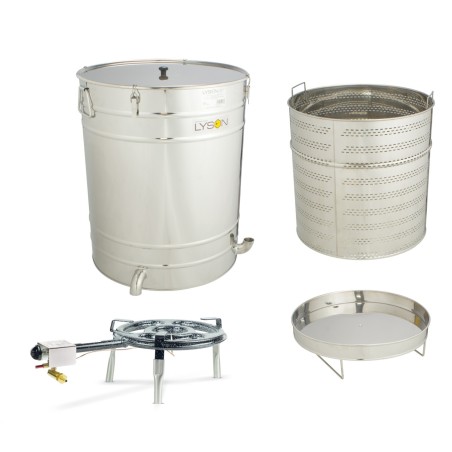
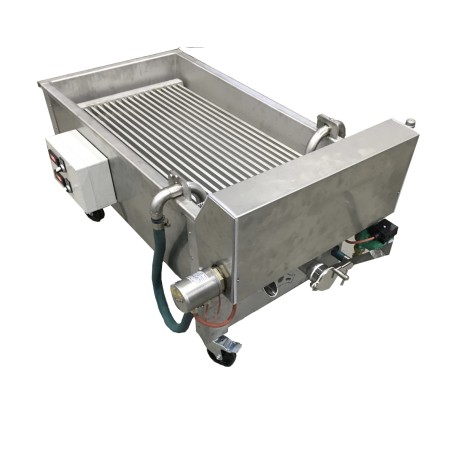
- Large equipment — up to €10,990, with process control, for anyone recovering wax continuously.
Melting is not sterilising
They should not be confused. Destroying Paenibacillus larvae spores — American foulbrood — takes 120 ºC for 30 minutes under pressure, and neither a water-bath melter nor a steam extractor does that. If you are going to reuse wax of uncertain origin to emboss foundation, sterilisation is a separate step, not a side effect of melting.
What is a wax melter?
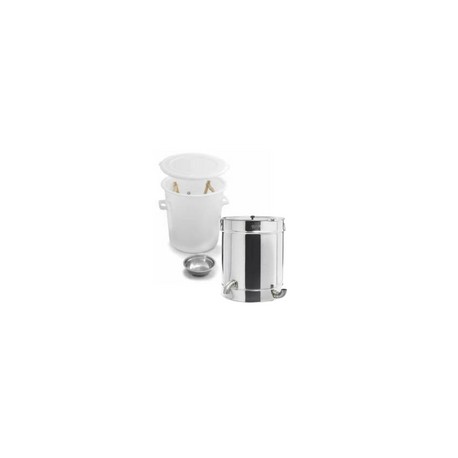
A beeswax melter is a device used to heat and melt beeswax in a controlled, safe way. Besides making foundation sheets for beekeeping, this wax is used in many applications, from candles and cosmetics to bookbinding and other uses.
Beeswax melters are designed to bring the wax evenly to its melting point, usually around 62-65 °C, without overheating it, which could degrade the wax or even pose a fire risk.
How can beeswax be melted?
To melt beeswax, follow these steps:
Preparation: make sure the vessel you will use is clean and dry. Put the beeswax into it. If you are using a wax melter, do not exceed the device's maximum capacity.
Heating: beeswax melts at around 62-65 °C, so heat the vessel with the wax to between 70 and 75 °C. You can use a wax melter or a bain-marie. Never overheat beeswax beyond 85 °C, as it darkens and loses quality.
Watching: keep an eye on the wax as it melts. You can stir it now and then so that it melts evenly.
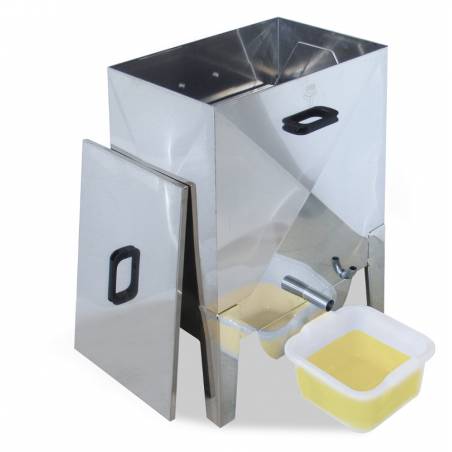
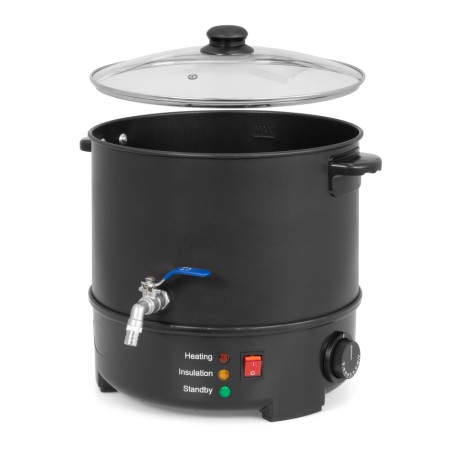
Settling: as beeswax heats, the impurities tend to fall to the bottom of the melter under gravity. Many wax melters have an outlet or tap positioned several centimetres above the base, so that the wax drawn off is free of those impurities.
Cooling and moulding: once the wax has melted completely and settled, you can open the melter's tap and pour the liquid wax into plastic, metal or silicone moulds. These may be block moulds or moulds designed for products such as candles. Let the wax cool and set in the mould before handling it.
What is the difference between a wax melter and a wax clarifier?
The main difference is that a wax melter simply melts the wax, taking it from solid to liquid to make it easier to handle, while a clarifier goes a step further: as well as melting it, it clarifies the wax by removing impurities and residues. The result is a purer wax, ideal for applications that call for optimum quality, such as comb building or making foundation sheets and candles. Depending on your needs, a melter may be enough for a basic melting process; but if you want to optimise the final quality of the wax, the clarifier is the better choice.
Can I melt beeswax without a professional melter?
Yes, it is possible to melt beeswax without a professional melter. Many beekeepers and craftspeople use the bain-marie method to melt the wax safely and under control. It consists of placing the wax in a heat-resistant container inside another one holding hot water, which helps avoid overheating and keeps a suitable temperature (generally between 65 and 85 °C). It is essential to watch the process and to use utensils rated for high temperatures, so as to preserve the wax's properties.
What types of wax melter are there?
There are several types of wax melter, and the choice depends on the volume of wax to process, the level of temperature control you need and the conditions of your apiary. Here are the most common:
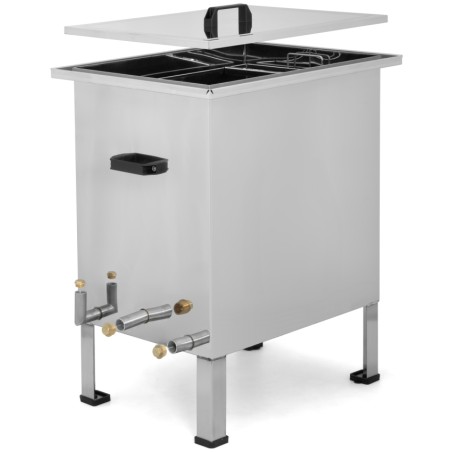
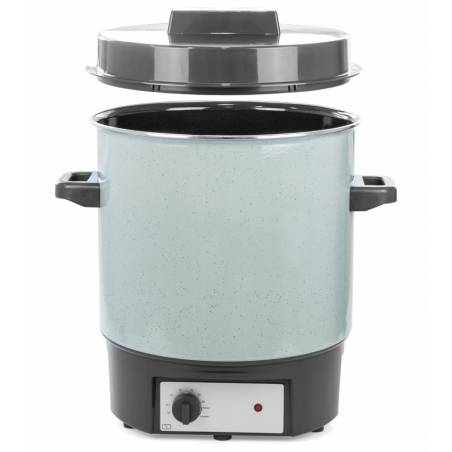
• Steam melters: they use water vapour to melt the wax evenly, avoiding direct contact with the heat source. Steam runs at around 100 °C and wax darkens above 85 °C, so take the wax out as soon as it has melted; they suit medium-sized production.
• Electric melters: these have temperature-control systems, which makes precise heating straightforward. They are very practical and safe, recommended both for personal use and for small and medium operations.
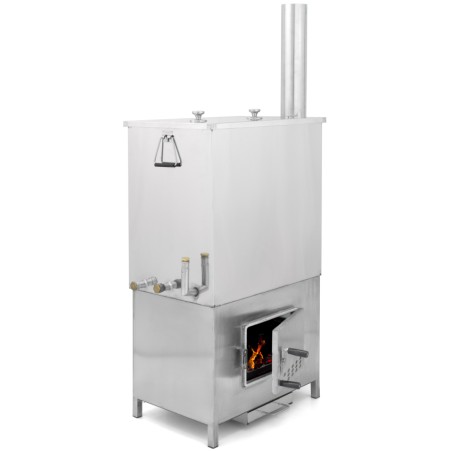
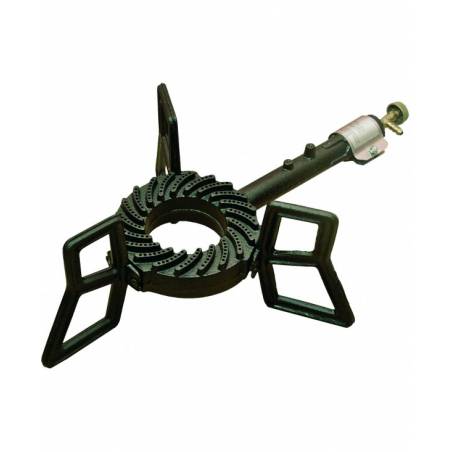
• Gas melters: they use gas burners to generate the heat needed. They tend to be robust and are more common in larger installations, though they call for closer supervision and safety measures.
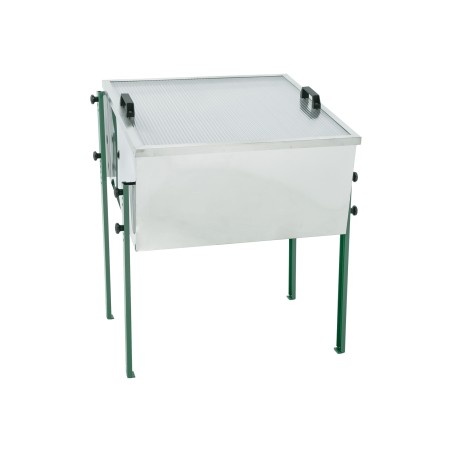
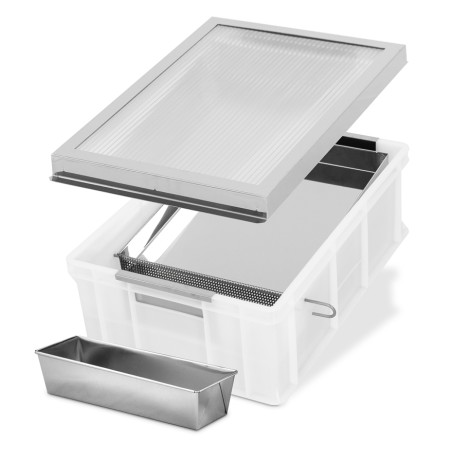
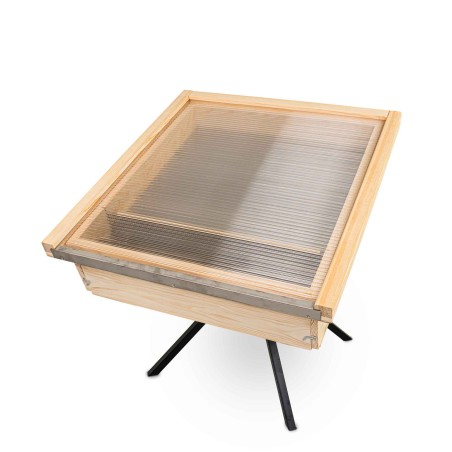
• Solar melters: they harness the sun's energy to melt the wax, making them an ecological and economical option. Their effectiveness, however, depends on sunlight and weather conditions.
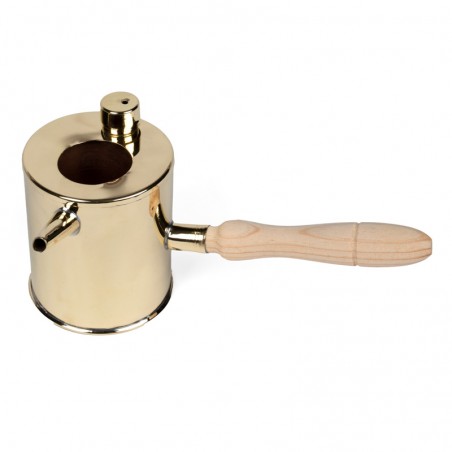
There are also manual or semi-automatic models, ideal for beekeepers working on a small scale or who prefer more traditional methods. The key is to choose the type of melter that best fits your needs and the amount of wax you want to process.
How do I maintain and clean my wax melter or clarifier?
To keep your wax melter or clarifier in the best condition, it is important to follow a few key steps that will extend the equipment's life and ensure the wax is processed without contamination:
• Unplug and let it cool: always switch off and unplug the equipment before you start cleaning, and make sure it has cooled completely to avoid burns or damage.
• Remove residual wax: once cold, use soft tools (silicone spatulas or soft-bristled brushes) to clear any wax that has built up on surfaces or in the filtering compartments.
• Clean with water and mild detergent: if the material allows (stainless-steel components, for instance), wash the removable parts with hot water and a neutral detergent. Avoid abrasive products that could scratch or damage the surfaces.
• Dry carefully: it is essential to dry every part thoroughly after cleaning, to prevent corrosion, especially on metal parts.
• Care for electrical components: for areas that must not get wet, use a slightly damp cloth or follow the maker's instructions for cleaning electronics and controls.
• Regular maintenance: carry out a deep clean periodically, dismantling the removable parts where possible, to clear every trace of wax and keep the equipment running efficiently.
With this care, your melter or clarifier will work at its best and the quality of the wax processed will hold up over time.