
-
Beehives
- Complete beehive
- Accessories
-
Nuc hives
- Nucs by format
- With bees & mating
- Spare parts
-
Bee equipment
- For the apiary
- For the beekeeper
-
Clothing
- Clothing Accessories
-
Beeswax
-
Pure beeswax
- Beeswax and foundation
- Beeswax foundations
- Melting and rolling beewax
-
Pure beeswax
-
Bee feed
- Accessories and source materials
- Utensils
-
Bee health
- Varroa Treatments
- Diseases control
- Nutraceuticals
-
Extraction and bottling
- Before extraction
- Honey extraction
- After extraction
-
Bee pollen
- Harvest
- Indicted
-
Honey packaging
- Flasks per utility
- Flasks by size
- Other packaging
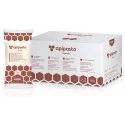 Apipasta with vitamins 15kg
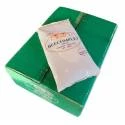 Beecomplet® Spring 14Kg
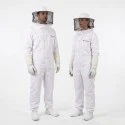 Beekeeper suit with round veil
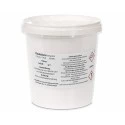 Oxalic acid 1kg
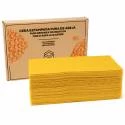 Beeswax Foundation 5kg
 Fresh royal jelly 20g
 Classic honey jar 1kg comb-lines TO77 - Pack of 16 units
 Promotor L Apis 1 litre
Beeswax and foundation
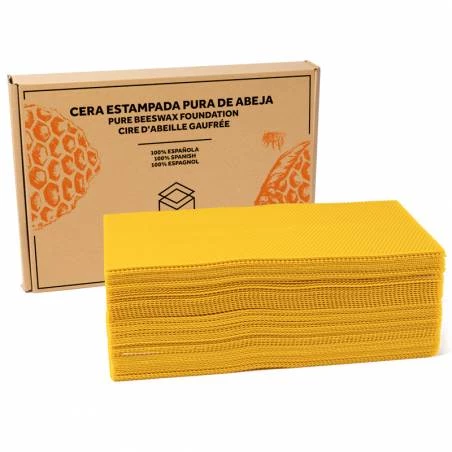
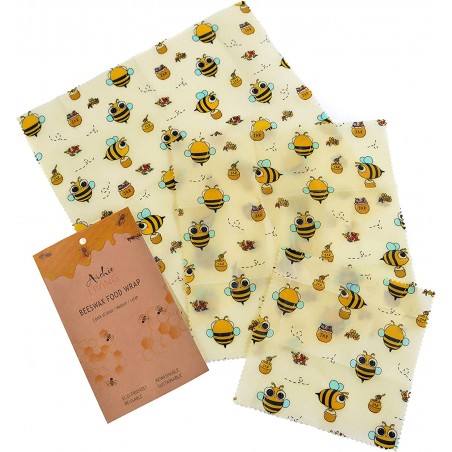
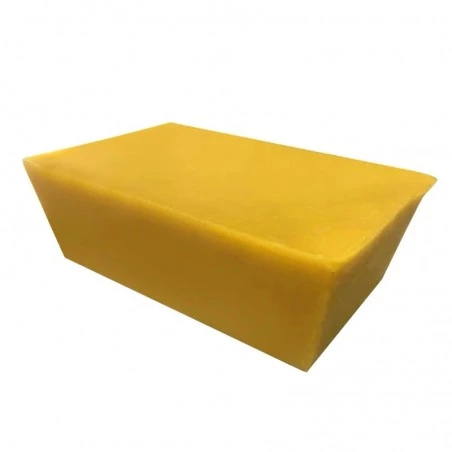
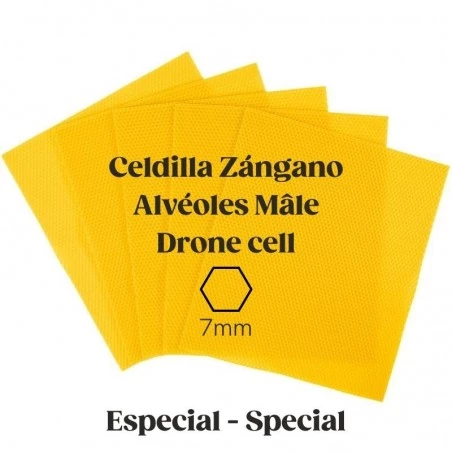
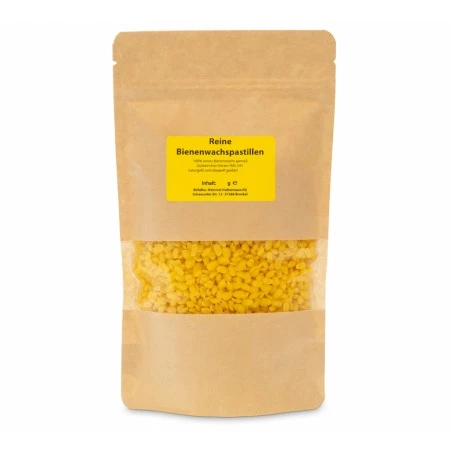
Beeswax in 1 kg blocks, 500 g pellets, embossed foundation sheets, drone-cell wax and food wraps. From €1.30 to €229.95.
Beeswax and foundation
Beeswax melts between 61 and 65 ºC and there is no need to go beyond. Above 140 ºC the volatiles that give it the honey smell evaporate — which is why a beeswax candle smells and a paraffin one does not.
Which format for what
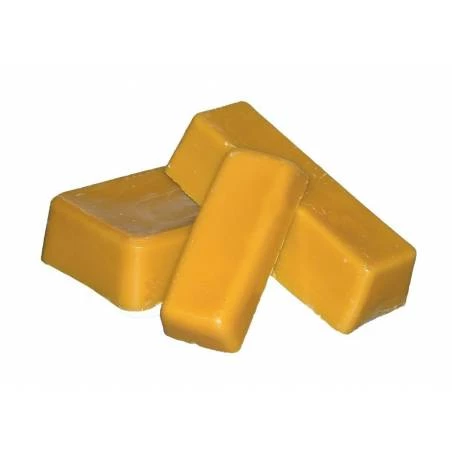
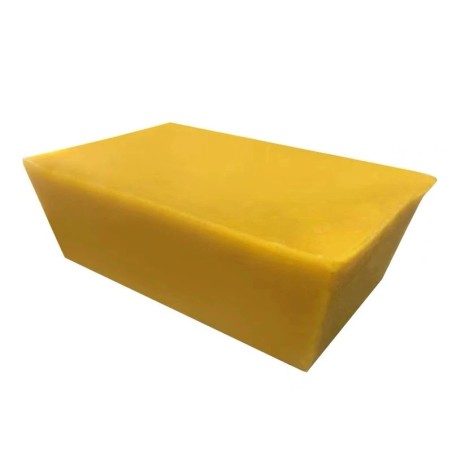
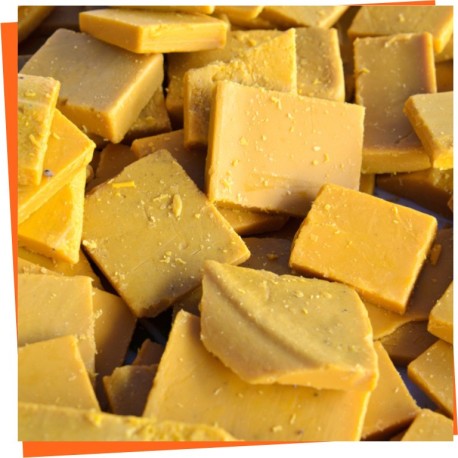
- 1 kg block (€14.90) — for melting: candles, cosmetics, waxing wood and thread.
- 500 g pellets (€12.95) — they melt faster and dose without cutting. The convenient one for cosmetics and balms.
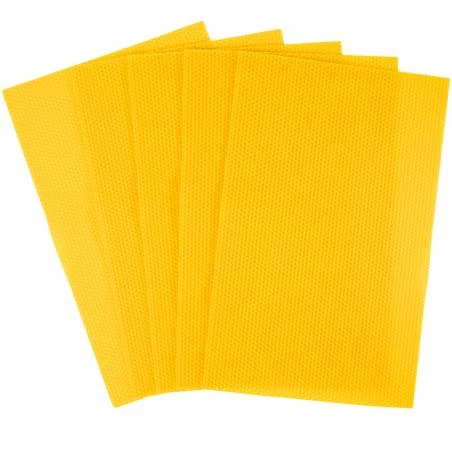
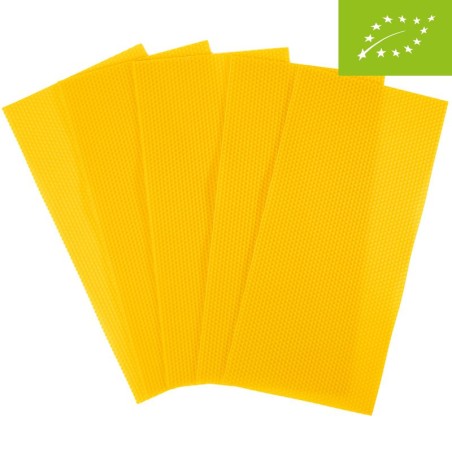
- Embossed sheets — to fit into frames; they are in wiring and waxing.
- Wax wrap (€10.95) — reusable waxed cloth for food.
Drone-cell wax
The €19.95 per kilo of drone-cell wax is not a whim: it is the base of the trap frame, a biotechnical method against varroa. Varroa prefers drone brood; you give the colony a whole frame of that cell size, the mite fills it, and the frame is removed once capped. It does not replace a veterinary treatment, but it lowers the load without putting product into the hive.
What you cannot see in wax
The most-used acaricides are fat-soluble: they accumulate in the wax and recycling does not remove them. So recycled wax with no traceability can carry residues none of your own practices introduced — which is why certified organic sheets exist. If the point matters to you, look at traceability before price.
Moulds and wicks are in wax and candles.
What are the common uses of beeswax?
In beekeeping, beeswax is used to make foundation, renew frames and recover wax cappings. It is also used in candles and, with the appropriate grade and documentation, in cosmetic, pharmaceutical, technical or food formulations. The intended use determines the required quality.
Melting and filtering remove some physical impurities, but do not sterilise the wax against every pathogen or remove chemical residues. Wax suitable for candles is not automatically suitable for returning to the hive, cosmetics or food contact; its origin, batch, analyses and specification must be appropriate for the intended use.