
-
Beehives
- Complete beehive
- Accessories
-
Nuc hives
- Nucs by format
- With bees & mating
- Spare parts
-
Bee equipment
- For the apiary
- For the beekeeper
-
Clothing
- Clothing Accessories
-
Beeswax
-
Pure beeswax
- Beeswax and foundation
- Beeswax foundations
- Melting and rolling beewax
-
Pure beeswax
-
Bee feed
- Accessories and source materials
- Utensils
-
Bee health
- Varroa Treatments
- Diseases control
- Nutraceuticals
-
Extraction and bottling
- Before extraction
- Honey extraction
- After extraction
-
Bee pollen
- Harvest
- Indicted
-
Honey packaging
- Flasks per utility
- Flasks by size
- Other packaging
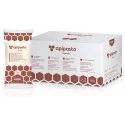 Apipasta with vitamins 15kg
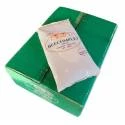 Beecomplet® Spring 14Kg
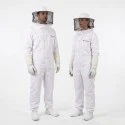 Beekeeper suit with round veil
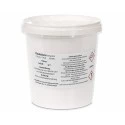 Oxalic acid 1kg
 Beeswax Foundation 5kg
 Fresh royal jelly 20g
 Classic honey jar 1kg comb-lines TO77 - Pack of 16 units
 Promotor L Apis 1 litre
Uncapping tools
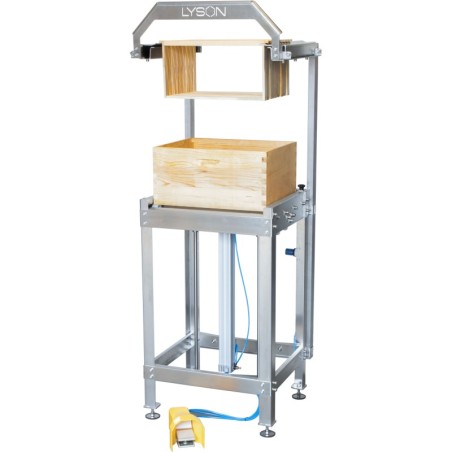
Uncapping forks, plain and serrated knives, rollers, stands, trays and capping bags. From €3.50 to €3,250.
Uncapping equipment type
Brand
Price
-
€3.00 - €4,999.00
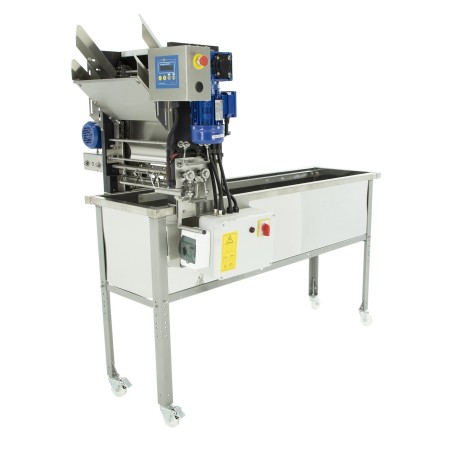
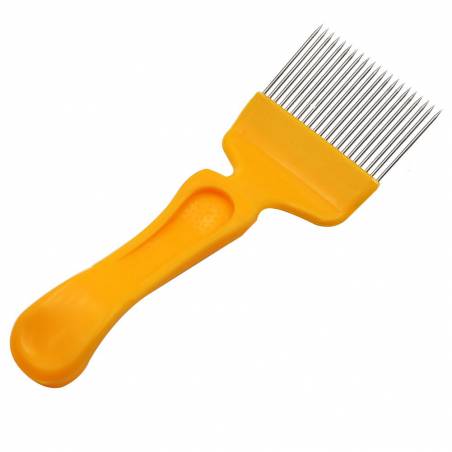
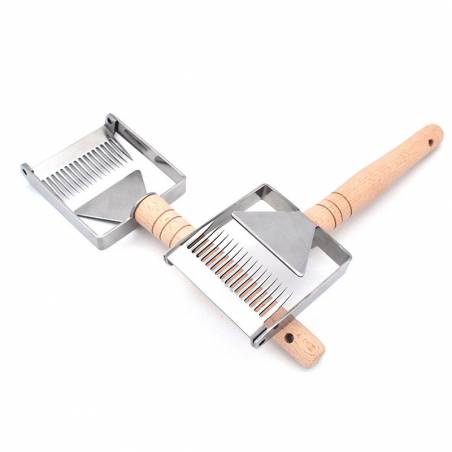
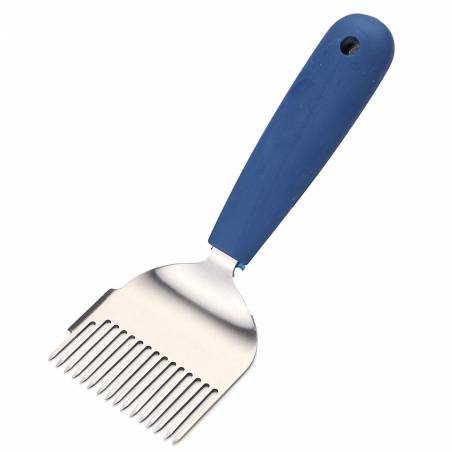
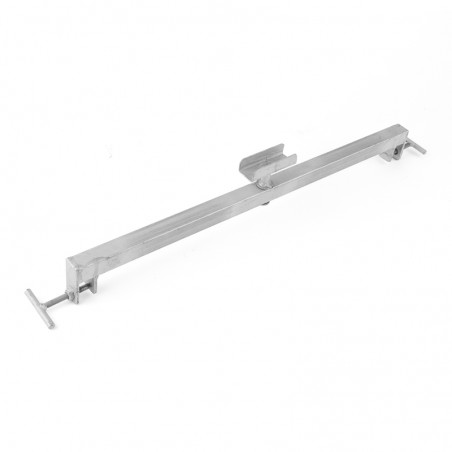
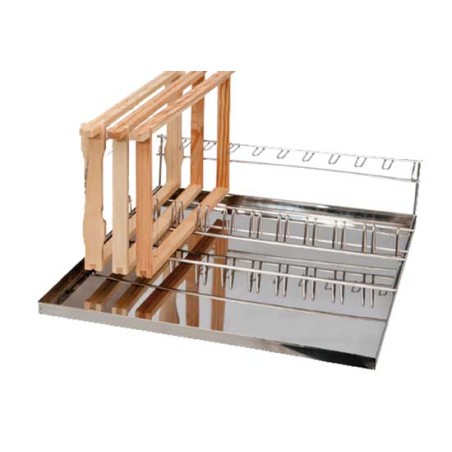
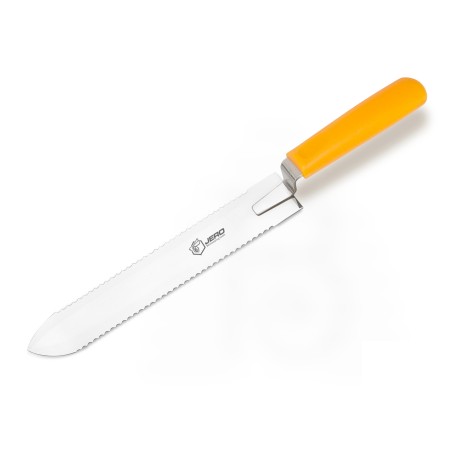
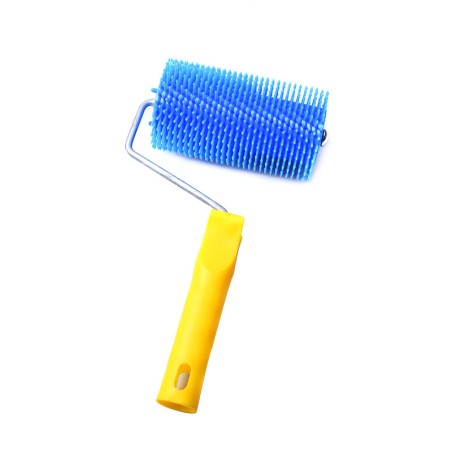
How to uncap well and without losing time
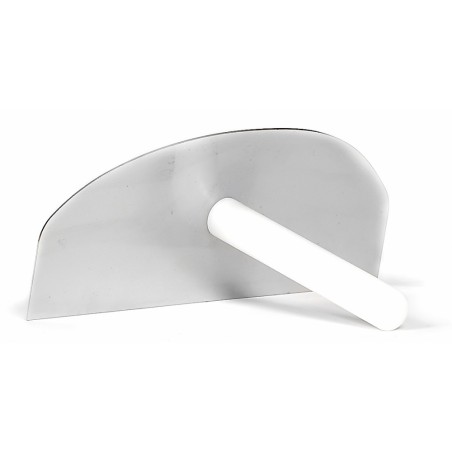
Uncapping seems like a simple task until you have several frames in front of you and the extractor waiting. For me, it's one of the points where the most time is lost in a small or medium honey house. The uncapping fork is the easiest option to start with: it lets you open cells without much technique, works well on irregular frames or sunken areas and forgives mistakes quite a bit. The knife, on the other hand, leaves a cleaner and faster cut when the frames are well capped and protrude from the frame, but it demands more practice: if you go in badly, you take off too much wax, dirty the honey more and end up generating more cappings than necessary.
My advice is to choose the tool according to your volume and your frames. For a few hives, a good fork and a simple tray can be enough. If you already run longer seasons, I'd look at knives with a good blade, electric or with controlled heat, because they keep the pace better. For dense honeys, irregular frames or harder cappings, spiked rollers and turbo-type forks can help a lot, because they don't aim to cut nicely, but to open the cell well so the honey comes out. And I wouldn't forget the less flashy part: tray, bench, stand, filter and capping collection. Working on an improvised table makes you stain more, take longer and use the wax worse.
And here I'll take a clear stand: before investing in a professional uncapping machine, I'd check whether the rest of the line keeps up. If your extractor, filters, pump or honey tanks don't have pace, the machine doesn't solve the bottleneck; it only moves it. For a lot of volume it does make sense to mechanize, but for a small and medium beekeeper it's usually more profitable to improve the workstation first: frame well held, a comfortable tool, cappings well collected and capping honey well drained. Uncapping well isn't just opening frames: it's working cleanly, fast and without damaging more wax than necessary.
Uncapping tools
The tool is chosen by the state of the comb, not by price.
Each cut for a wax
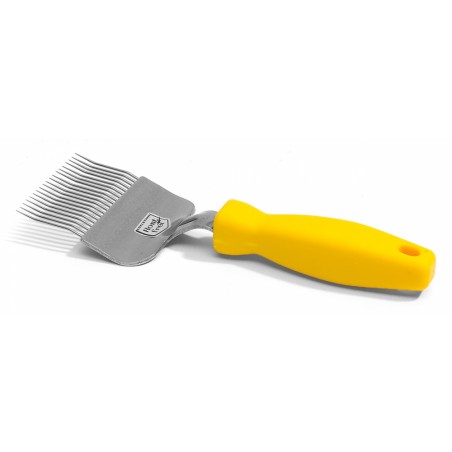
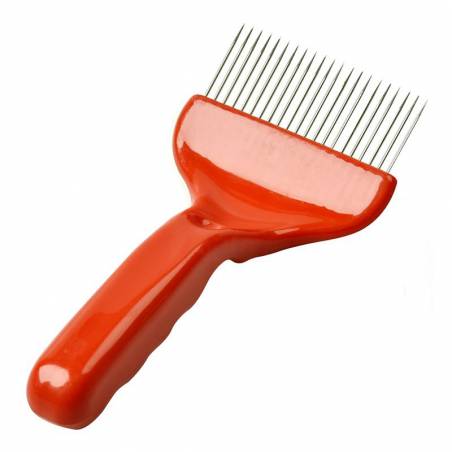
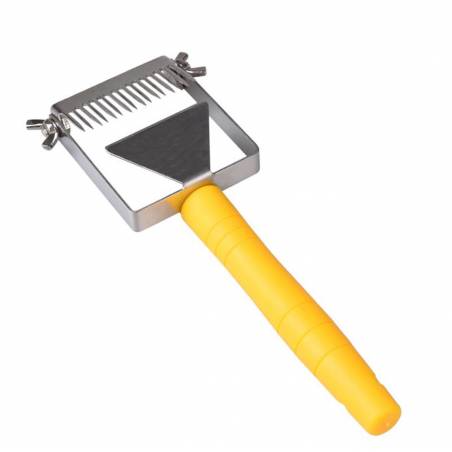
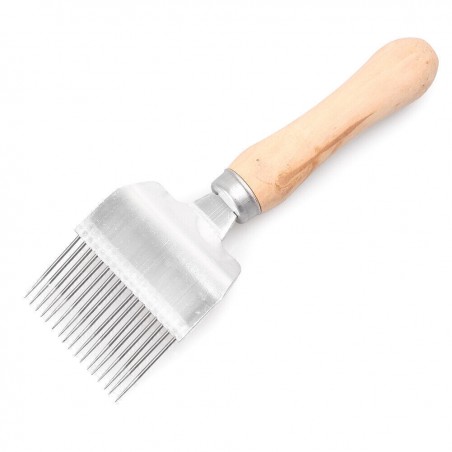
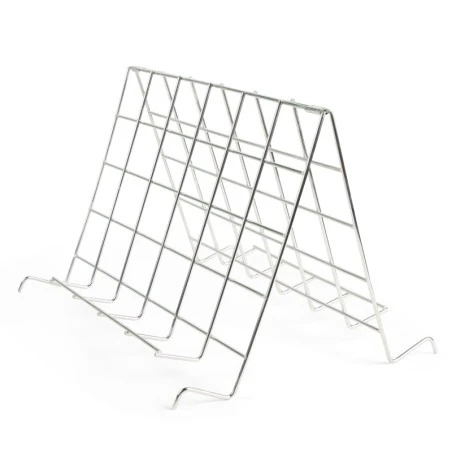
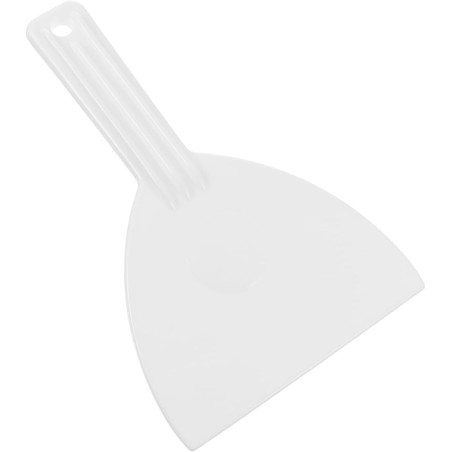
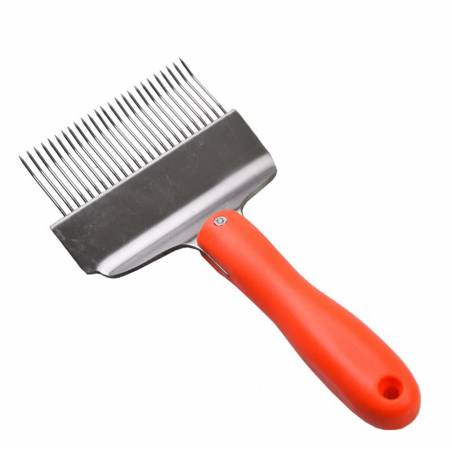
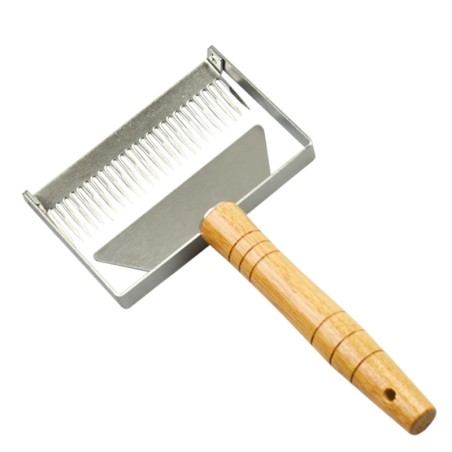
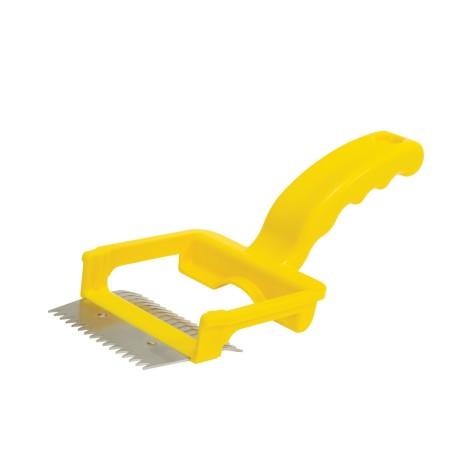
- Uncapping fork (from €3.50) — the most versatile, and what finishes the sunken areas no knife reaches. There are wide 21-tine ones and ones with a scraper.
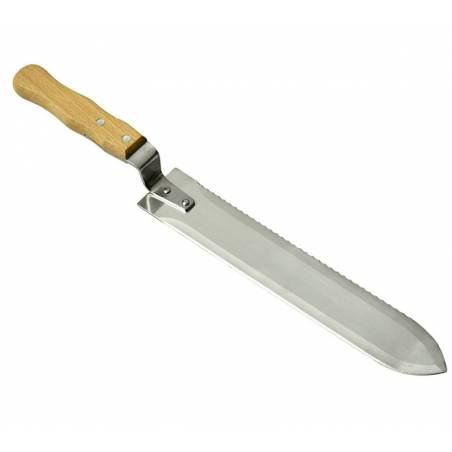
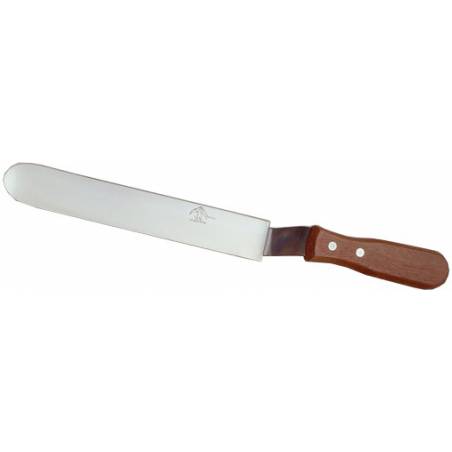
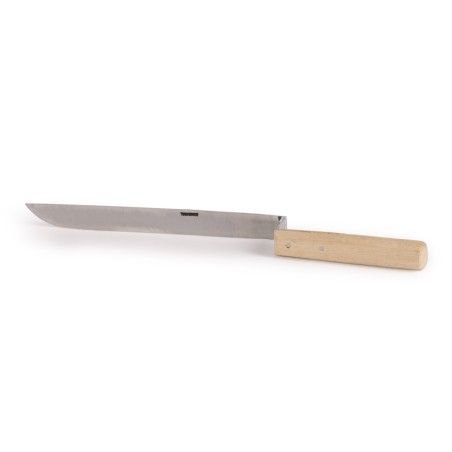
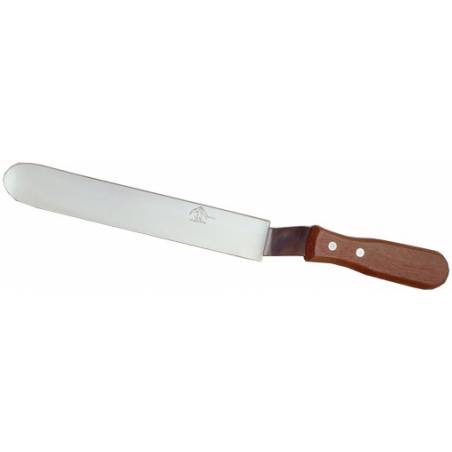
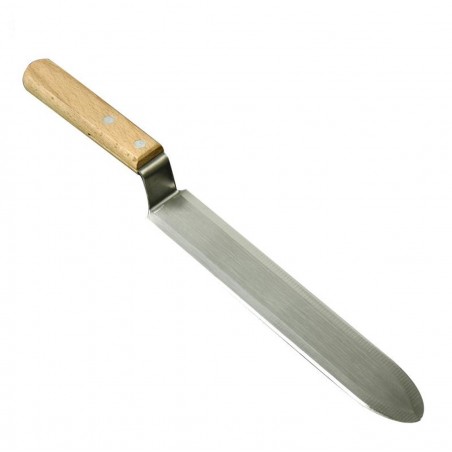
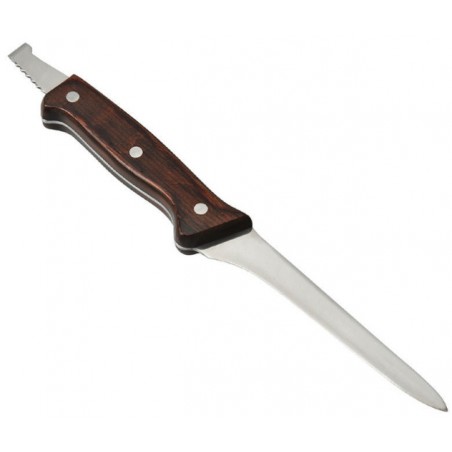
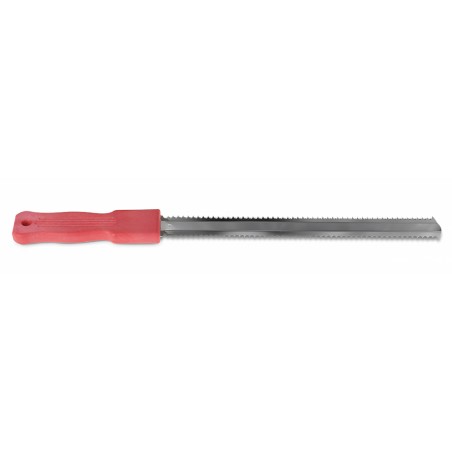
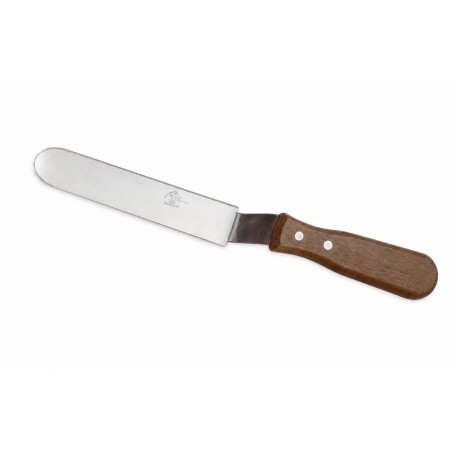
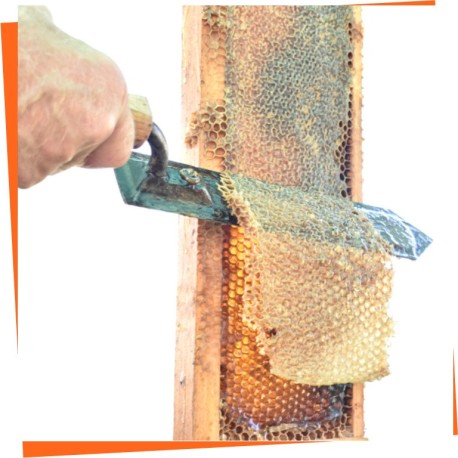
- Plain knife — for pale, recent, well-built wax. Better sharpened or warmed.
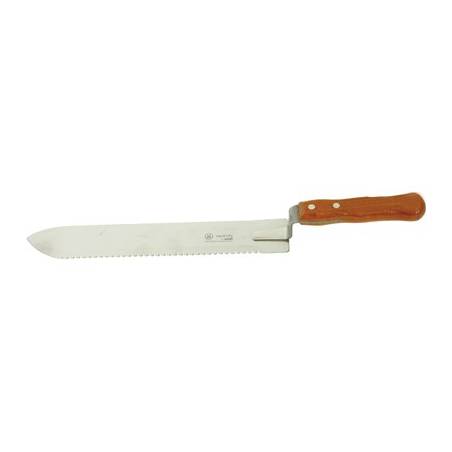
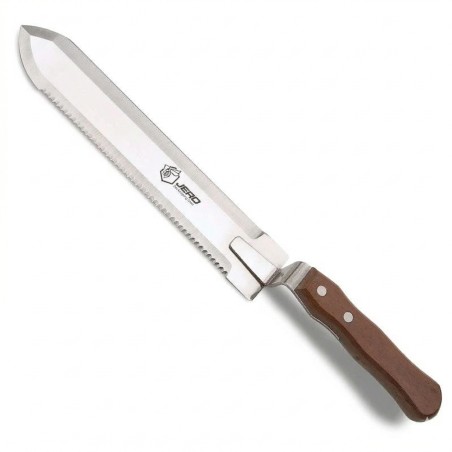
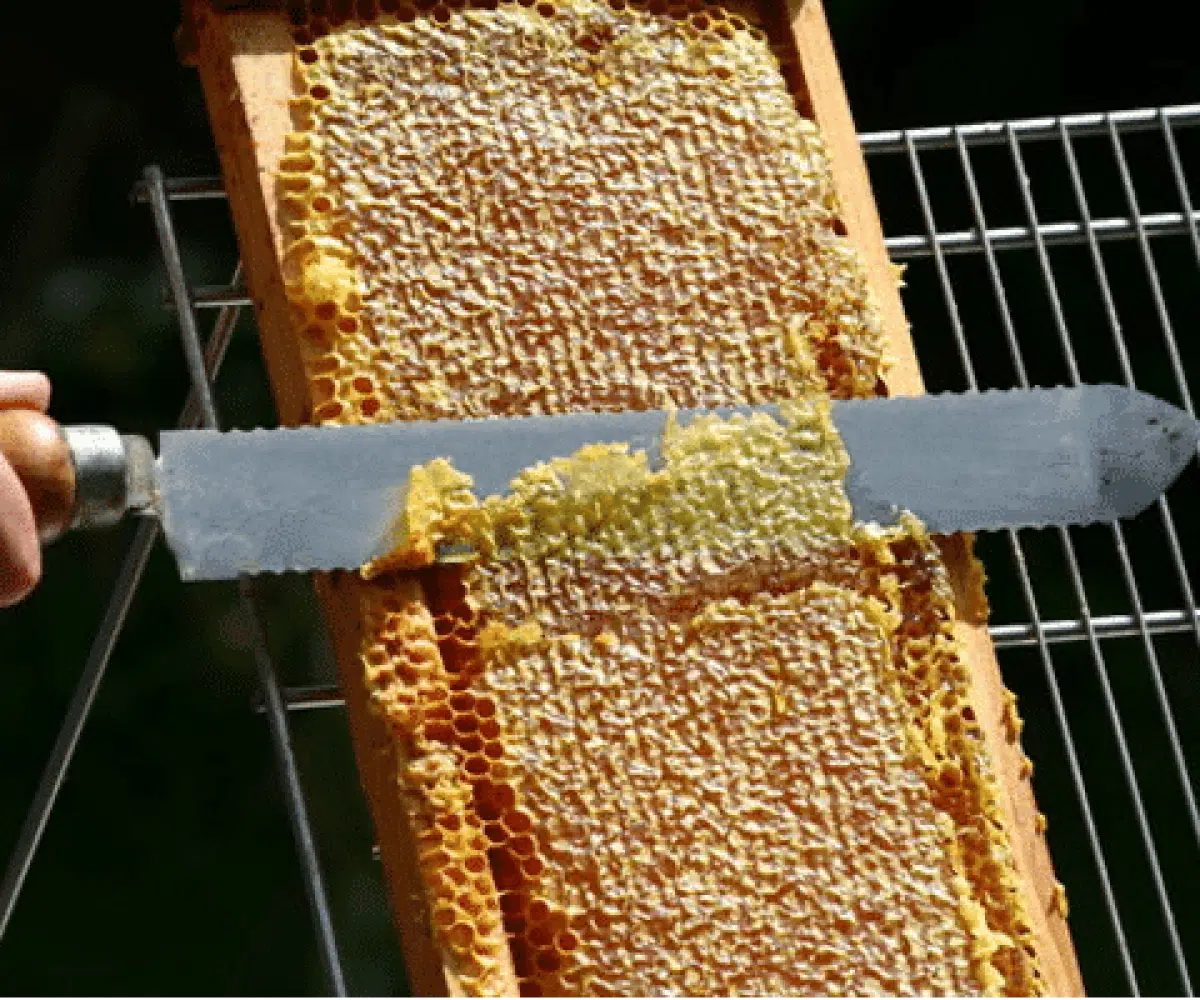
- Serrated knife — for old or dark wax, with cocoons or hard comb. Not simply "better": on new wax the plain knife cuts cleaner.
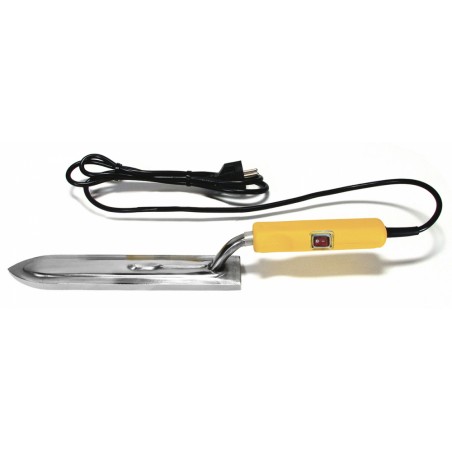
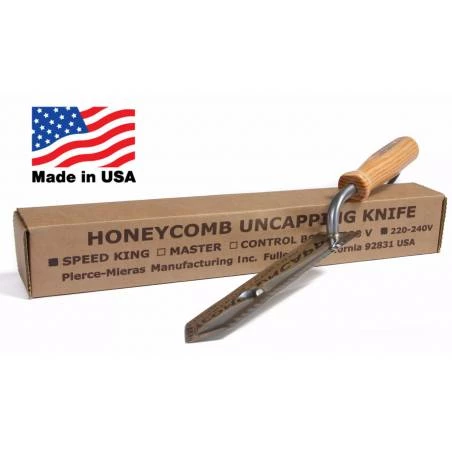
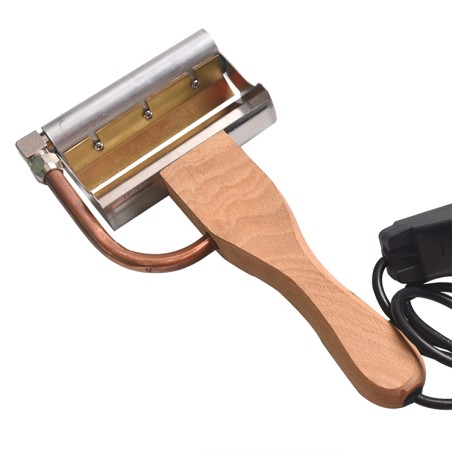
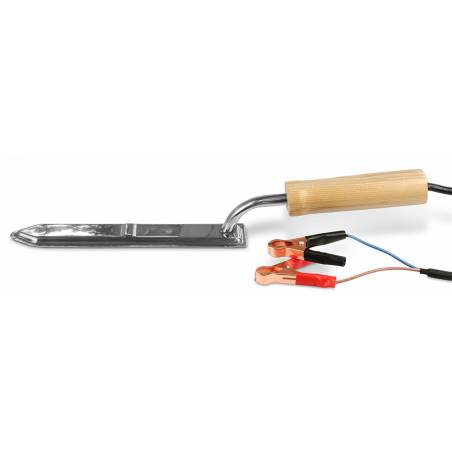
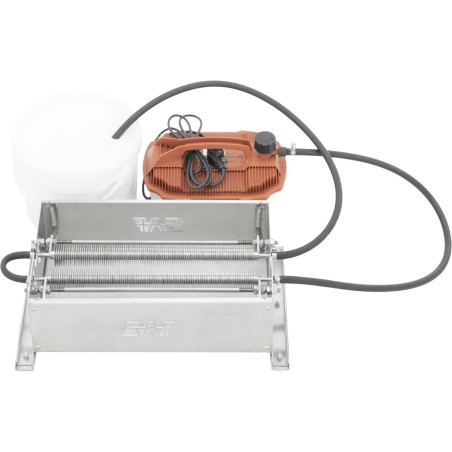
- Electric knife — constant cut. If it has a thermostat, that is the detail: without temperature control the heat goes into the honey.
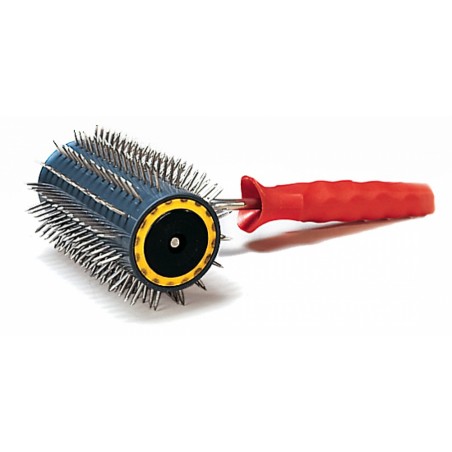
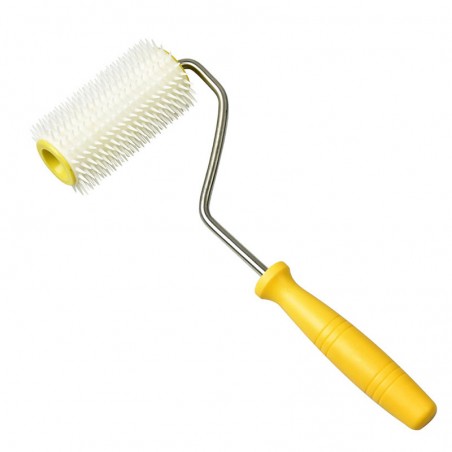
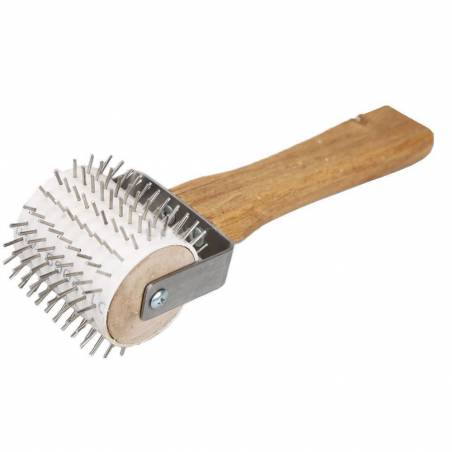
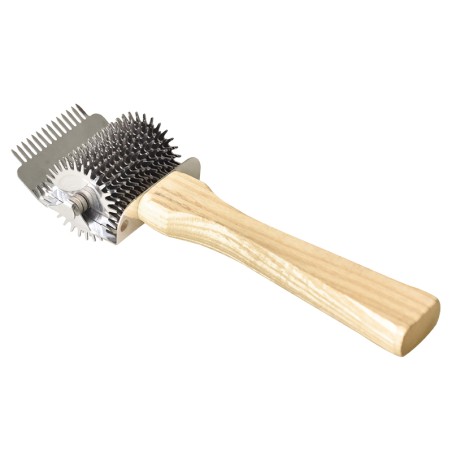
- Uncapping roller — fast on irregular comb; it does not cut, it punctures.
And what collects the output
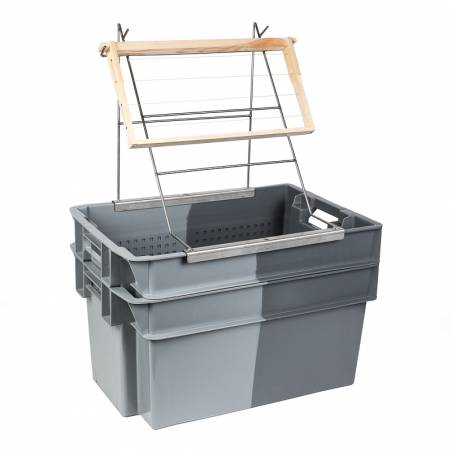
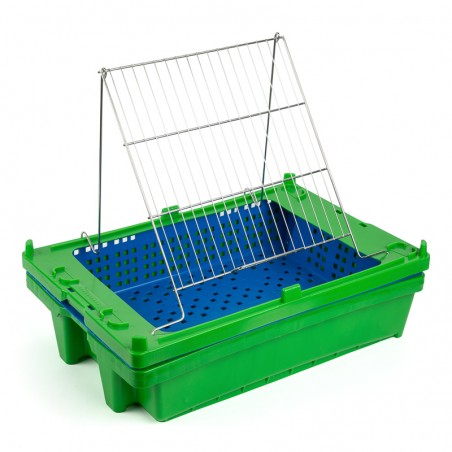
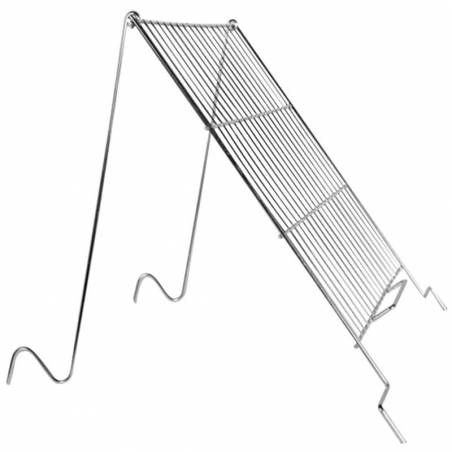
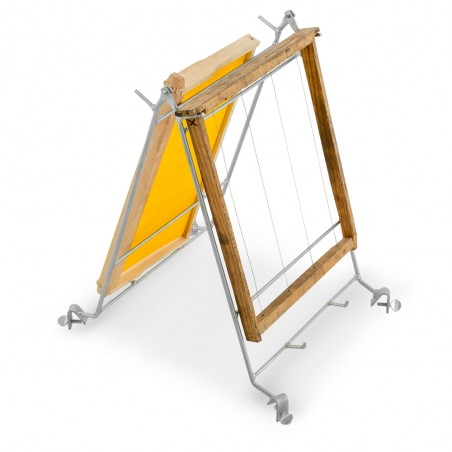
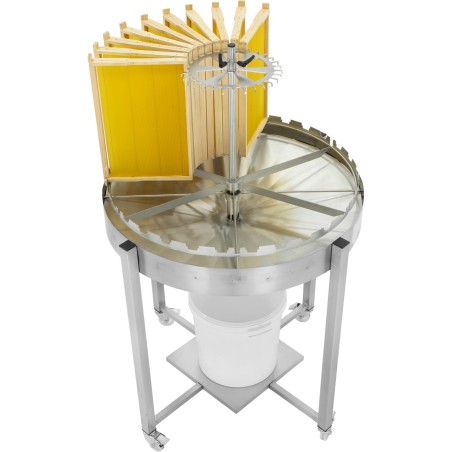
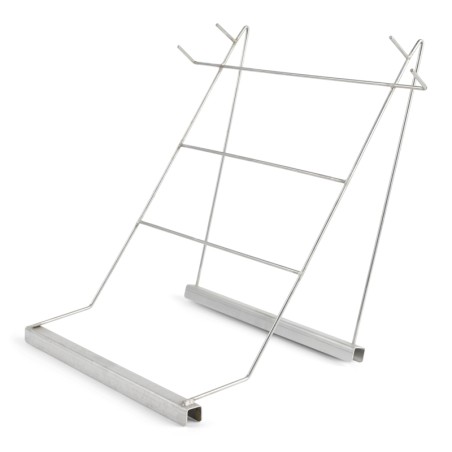
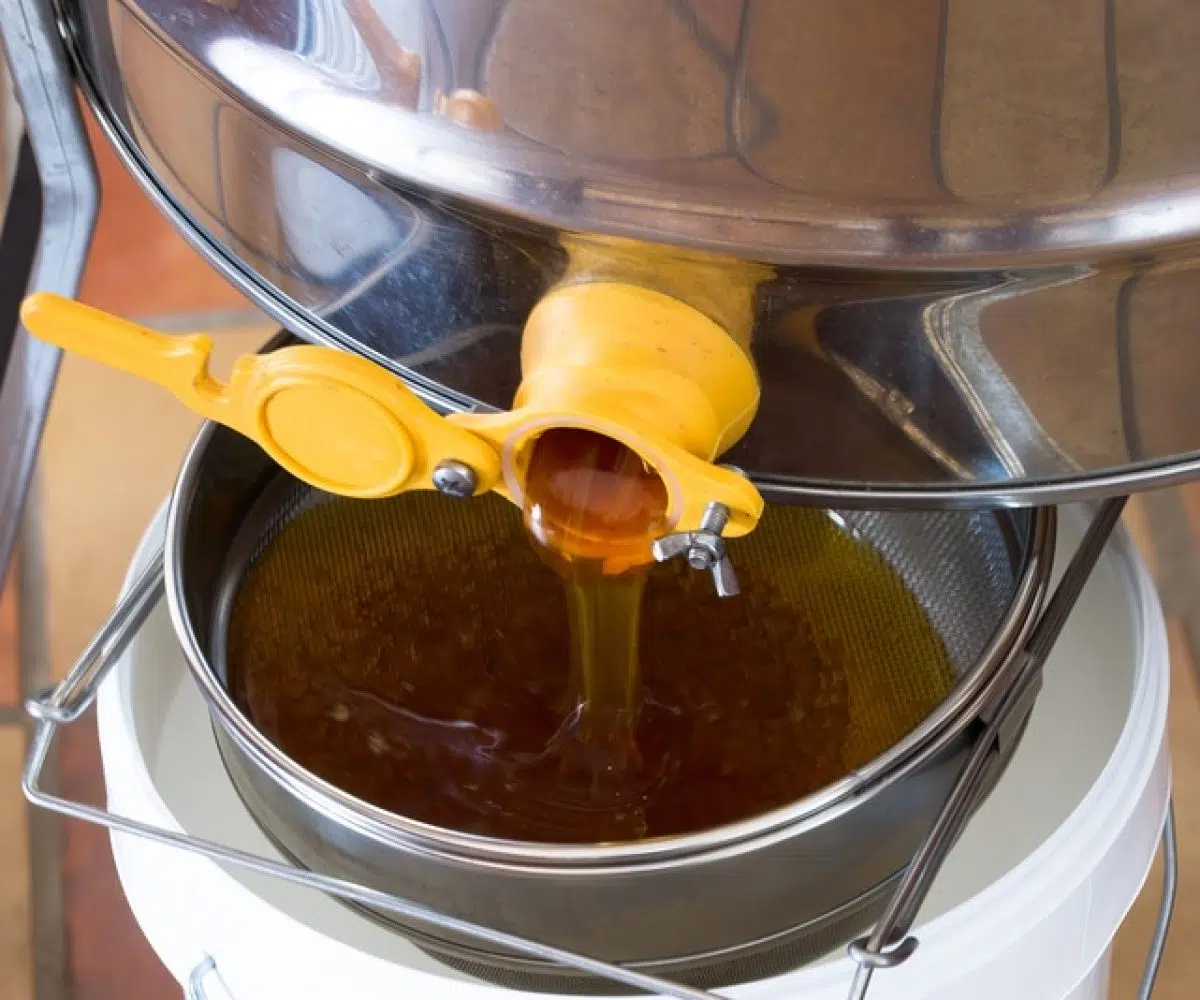
Stainless stands to rest the frame, trays and capping bags in fine and coarse mesh. Cappings carry honey that is recovered by draining: do not throw them out with the wax without hanging them first. Next comes the extractor, and the machines are in uncappers.
How are wax cappings separated from honey?
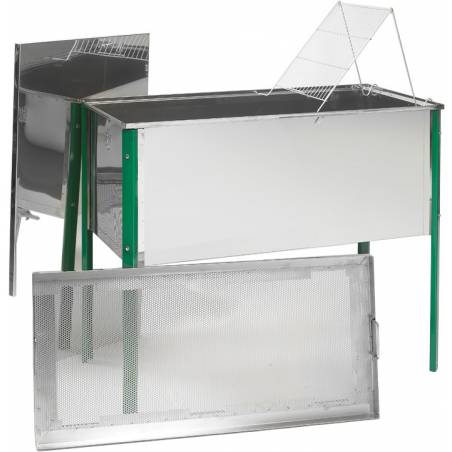
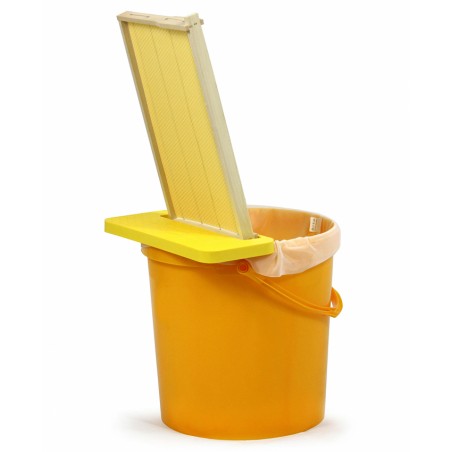
After uncapping, leave the mixture to drain in a tray or uncapping tank fitted with a coarse filter. A press or cappings spinner may also be used when the volume justifies it. The aim is to recover honey by physical means and retain visible pieces of wax, not to ‘purify’ the product.
Honey recovered using heat should be kept identified and monitored separately because time and temperature can affect HMF, enzymes and aroma. The wax cappings can then be washed or melted according to their intended use. Use food-contact-safe surfaces, maintain batch traceability and protect the room from moisture and contamination.
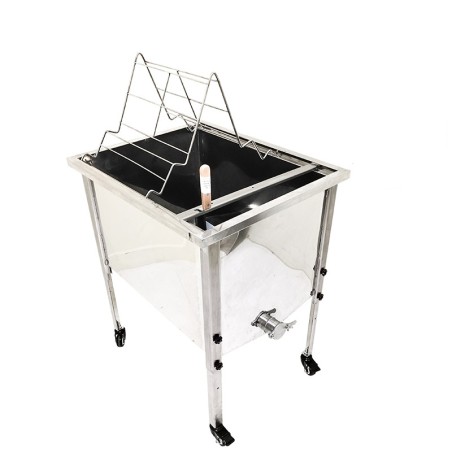
What is an uncapping bench and how do you choose one?
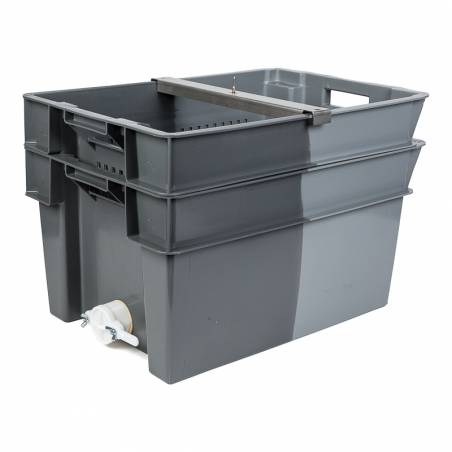
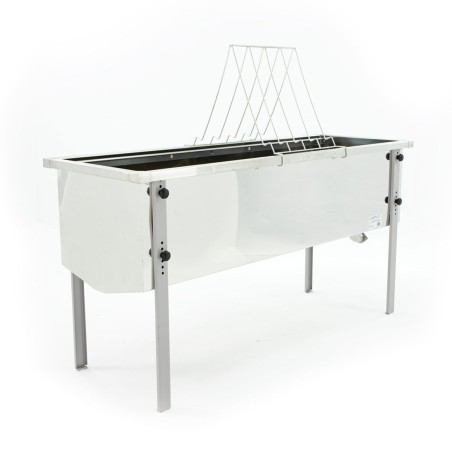
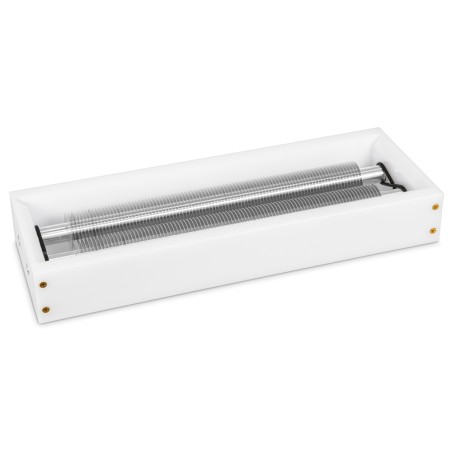
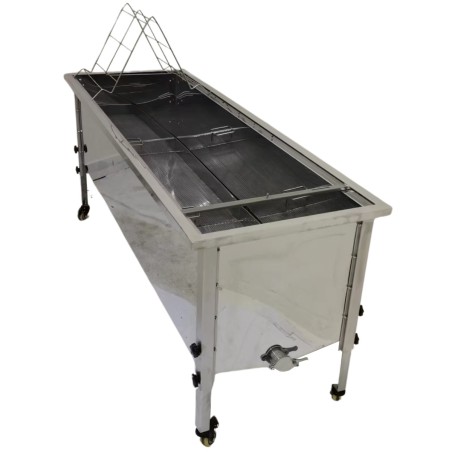
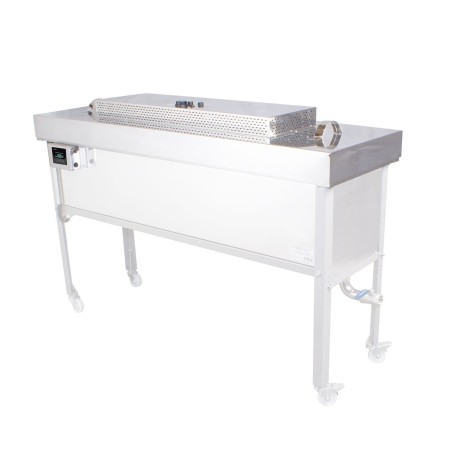
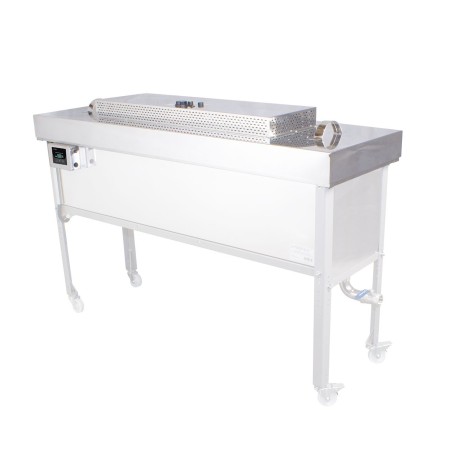
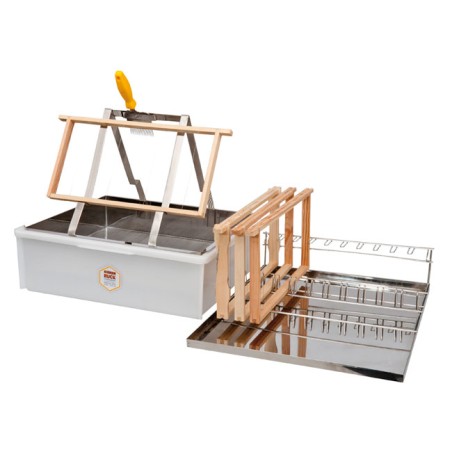
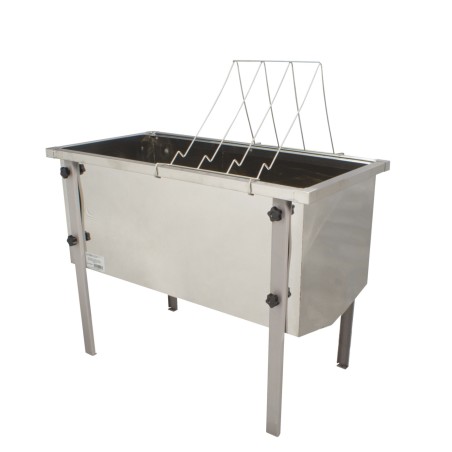
It is a bench or tank that supports the frames while the cappings are cut and collects the honey and wax separately. It usually includes an adjustable frame support, a grid or basket, a filter and a bottom outlet. It reduces spills and organises the work, but does not replace settling or hygiene controls.
Choose it according to the dimensions and weight of your frames, the number of operators, tank capacity, working height and ease of dismantling and cleaning. Check that the support accepts your Layens, Langstroth or Dadant frame format and that surfaces in contact with honey are documented as suitable for food contact.
What does it mean to uncap a honeycomb?
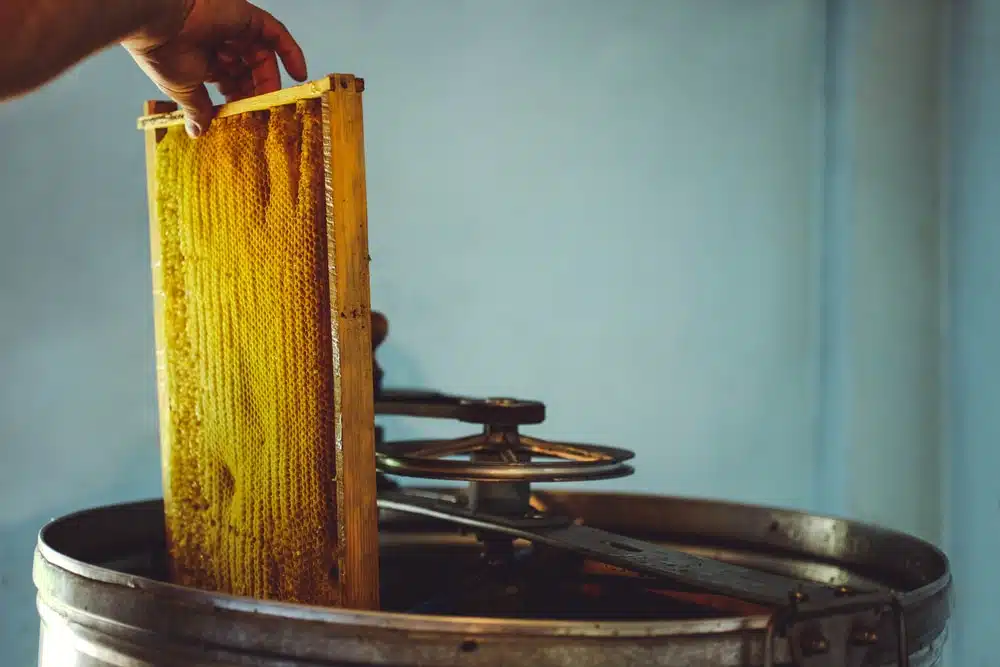
Uncapping means removing the thin layer of wax with which bees seal cells of ripe honey. Once the cells are open, the honey can flow out in a honey extractor or, depending on the method, by pressing or draining.
This can be done with an uncapping fork, a manual or electric knife, a roller or other equipment suited to the comb and the viscosity of the honey. Remove only the cappings needed to open the cells, avoid excessive heat and keep frames, honey and wax separated by batch. Good uncapping improves the workflow without causing unnecessary damage to the comb.