
-
Beehives
- Complete beehive
- Accessories
-
Nuc hives
- Nucs by format
- With bees & mating
- Spare parts
-
Bee equipment
- For the apiary
- For the beekeeper
-
Clothing
- Clothing Accessories
-
Beeswax
-
Pure beeswax
- Beeswax and foundation
- Beeswax foundations
- Melting and rolling beewax
-
Pure beeswax
-
Bee feed
- Accessories and source materials
- Utensils
-
Bee health
- Varroa Treatments
- Diseases control
- Nutraceuticals
-
Extraction and bottling
- Before extraction
- Honey extraction
- After extraction
-
Bee pollen
- Harvest
- Indicted
-
Honey packaging
- Flasks per utility
- Flasks by size
- Other packaging
 Apipasta with vitamins 15kg
 Beecomplet® Spring 14Kg
 Beekeeper suit with round veil
 Oxalic acid 1kg
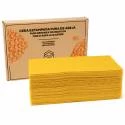 Beeswax Foundation 5kg
 Fresh royal jelly 20g
 Classic honey jar 1kg comb-lines TO77 - Pack of 16 units
 Promotor L Apis 1 litre
BEE EQUIPMENT
Hive tools and handling equipment: smokers, hive tools, brushes, escapes, queen excluders, queen-rearing tools, marking, swarm lures and signage. 268 references.
Categories
Brand
Price
-
€0.00 - €3,905.00


How to choose your beekeeping equipment
Beekeeping equipment shouldn't be bought as a collection of accessories “just in case”. The first thing is to think about the actual tasks you're going to do in the apiary: opening hives, handling frames, managing the bees, separating honey and brood, clearing bees from supers, catching swarms or working with queens. To start with, I'd prioritize few tools, but good ones: a reliable smoker, clean fuel, a solid hive tool, a soft brush and equipment compatible with your type of hive. With that you can already do a lot of work well. The rest should come in when the management calls for it, not before.
My advice is to buy thinking about comfort, durability and compatibility. A bad tool doesn't just last less: it makes you work worse, crush more bees, lose time and end up improvising inside the hive. If you work with supers, excluders, bee escapes and de-beeing tools can help you harvest in a more orderly way. If you're going to rear queens, that's where you do need specific equipment and precision; it's not a category to improvise in. And here I'll take a clear stand: more equipment doesn't make you a better beekeeper. What makes the difference is having well-chosen, clean tools, within reach and adapted to how you work. Good equipment shows because it disappears: it doesn't get in the way, doesn't fail and lets you focus on the hive.
BEE EQUIPMENT
Two hundred and sixty-eight references are not chosen from a catalogue: they are chosen by the moment in the work when you need them. That is how this is ordered.
Opening the hive
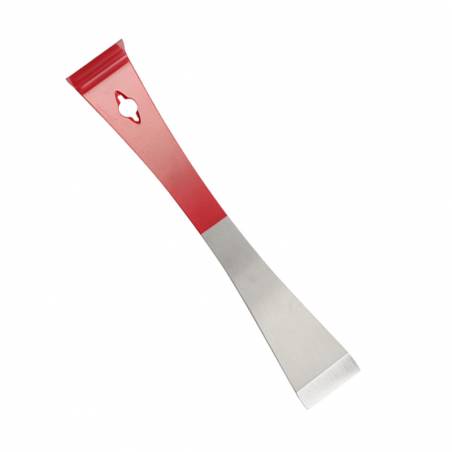
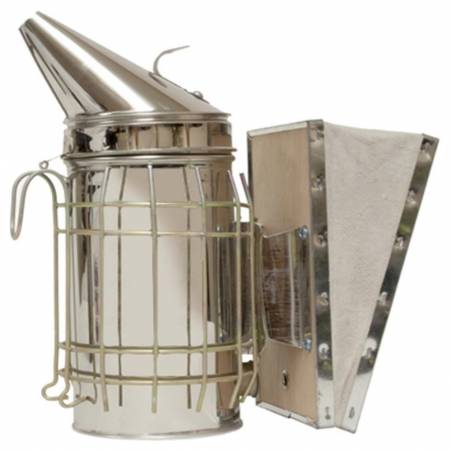
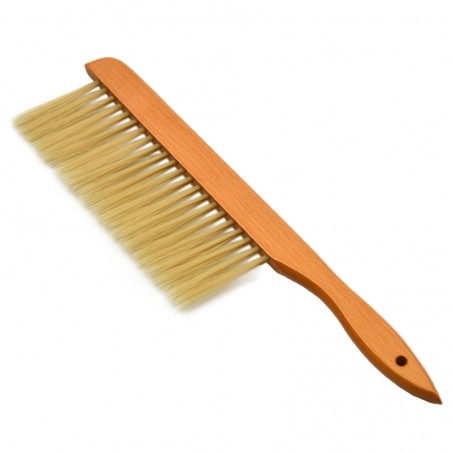
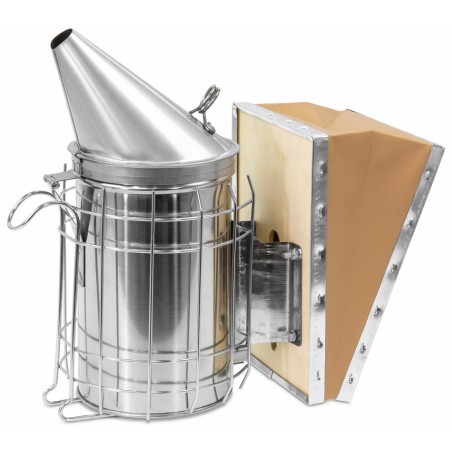
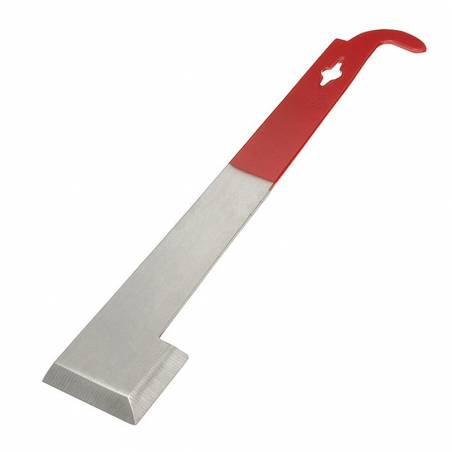
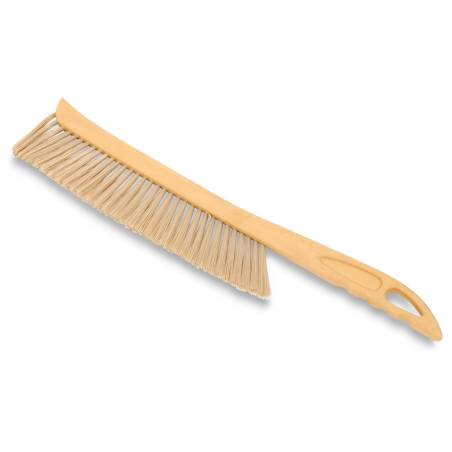
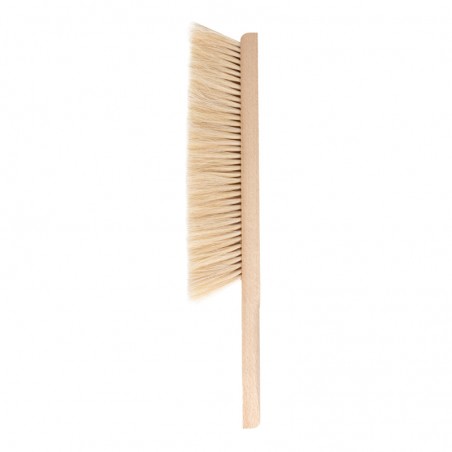
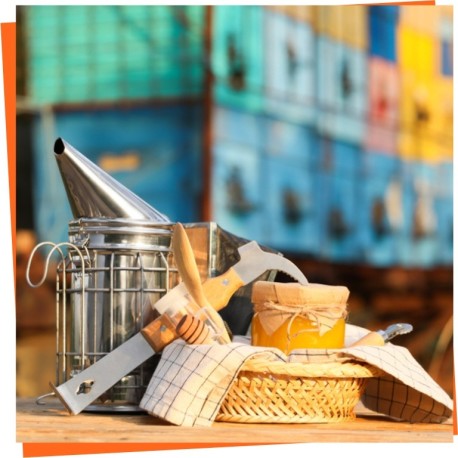
The smoker first — cool smoke, no flame — and then the hive tool, which is the one you use most and lose most. The bee brush for taking bees off a frame without crushing them: long, soft bristles, because short ones irritate them.
Separating bees from honey
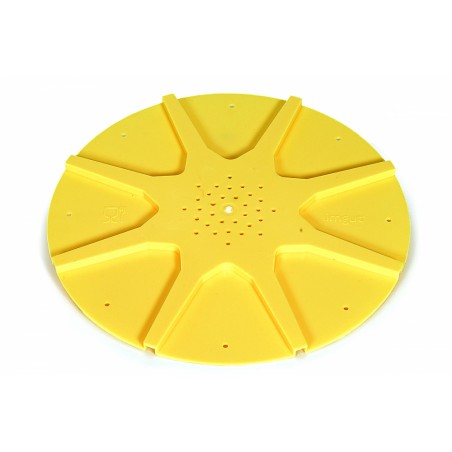
To empty a super before harvesting there are two routes. Bee escapes — Porter type or grid — go on the evening before and let the bees go down by themselves: one extra visit, but no disturbance to the colony. Blowers do the job in minutes, in exchange for a lot more commotion.
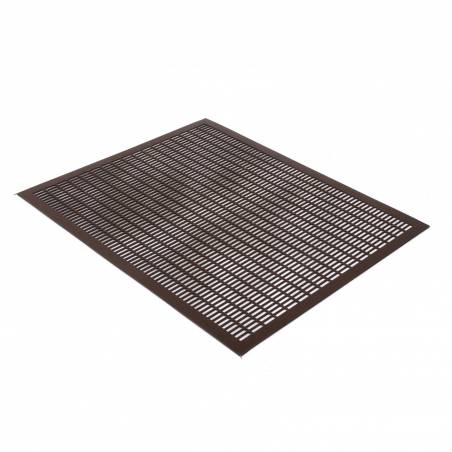
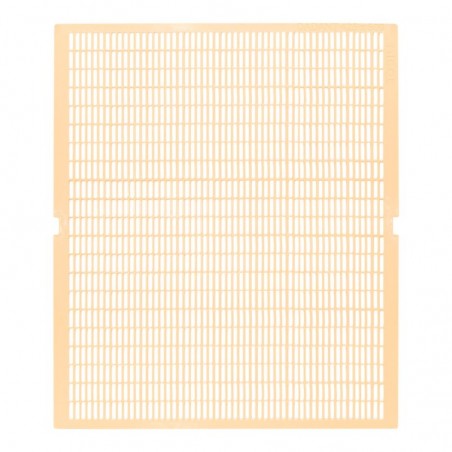
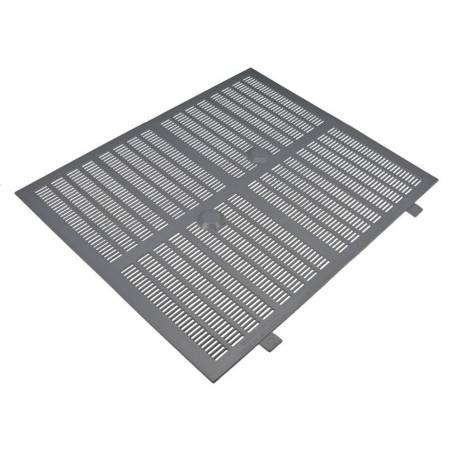
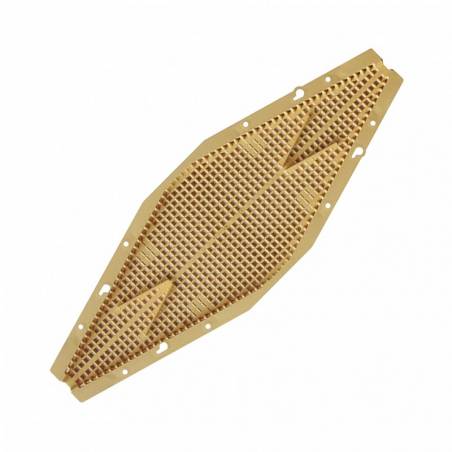
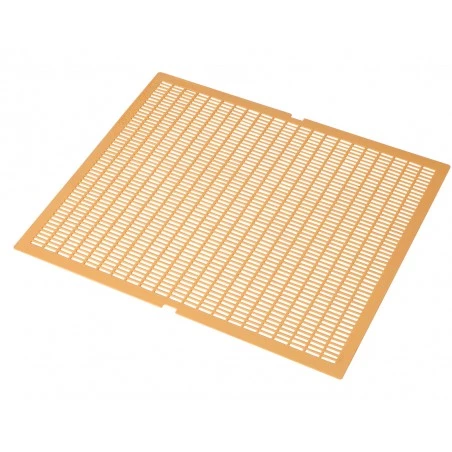
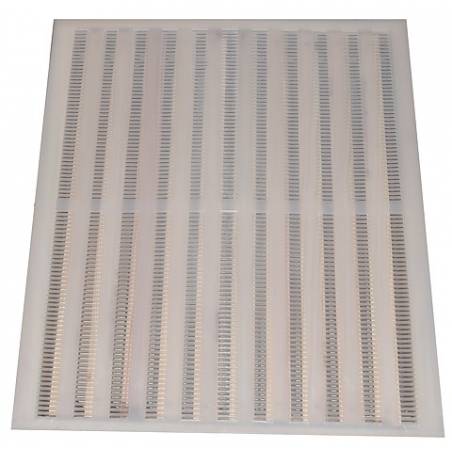
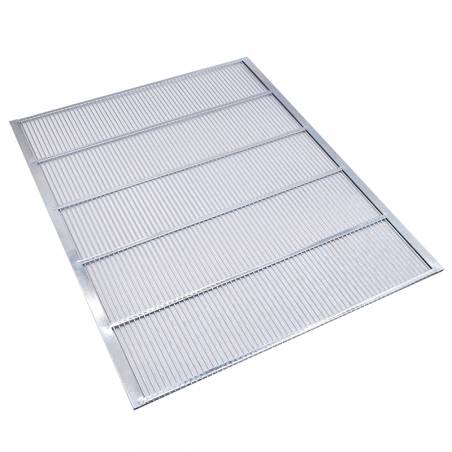
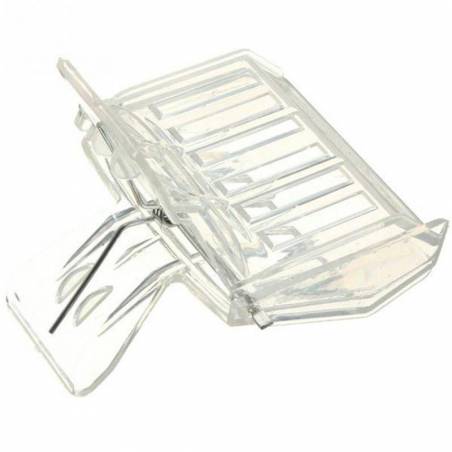
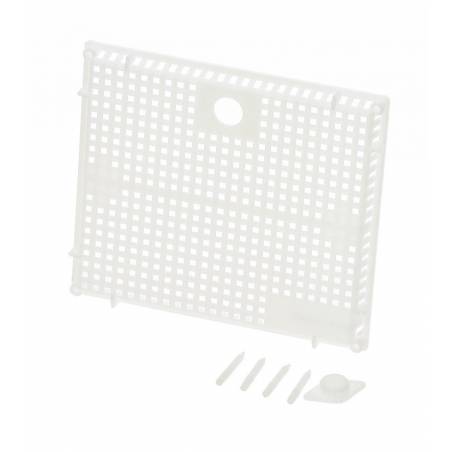
And queen excluders, the part that decides whether the queen can go up into the super. Without one the queen breeds up there and the honey comes out with pollen and brood; with one you have to watch that it does not block laden workers.
Rearing and handling queens
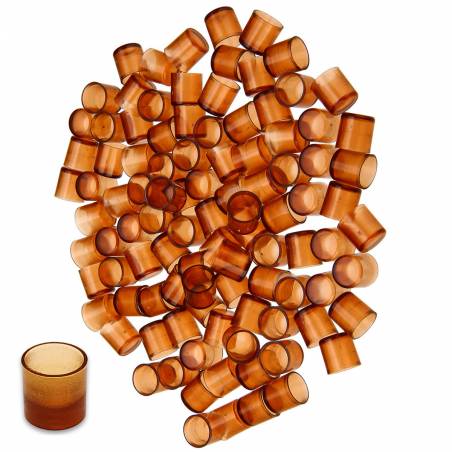
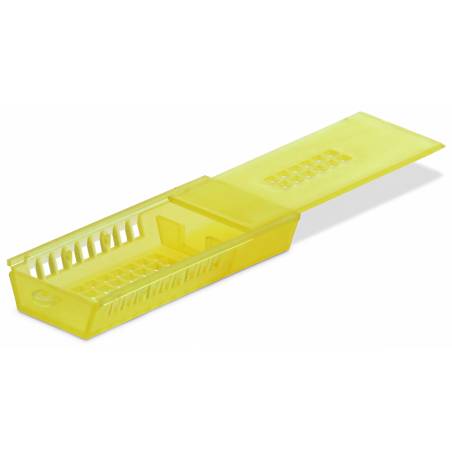
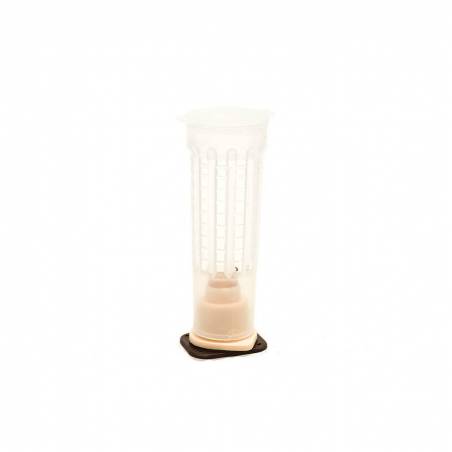
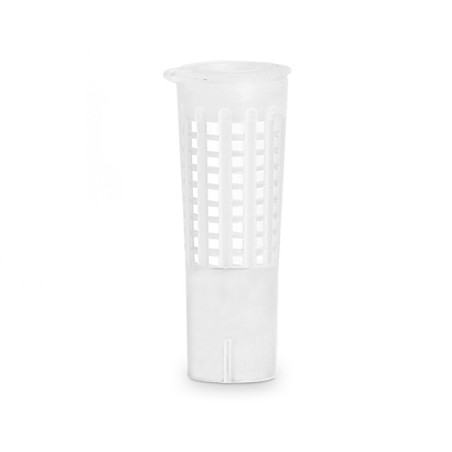
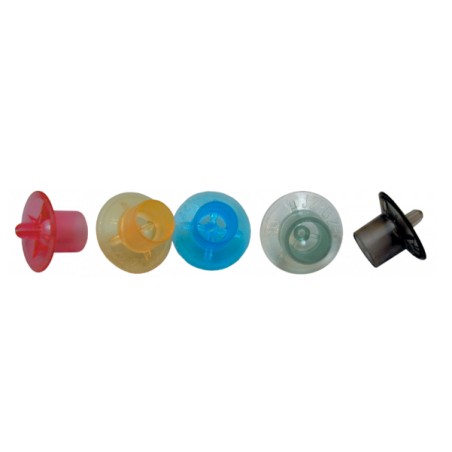
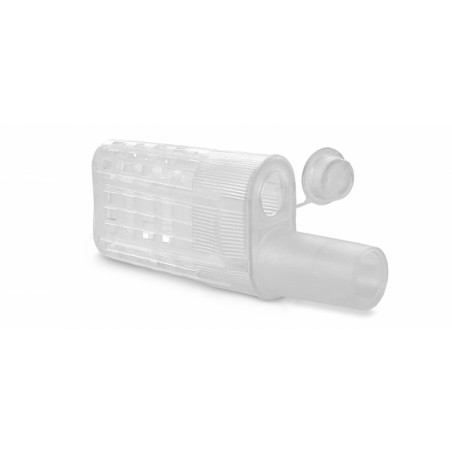
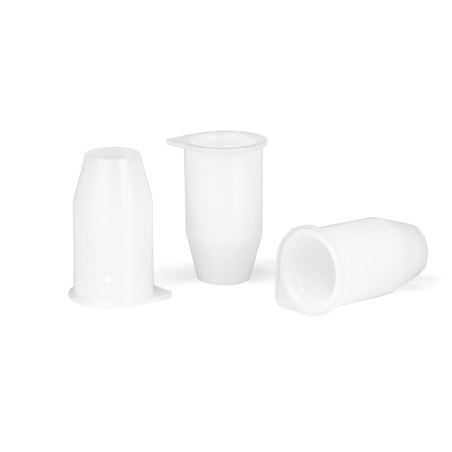
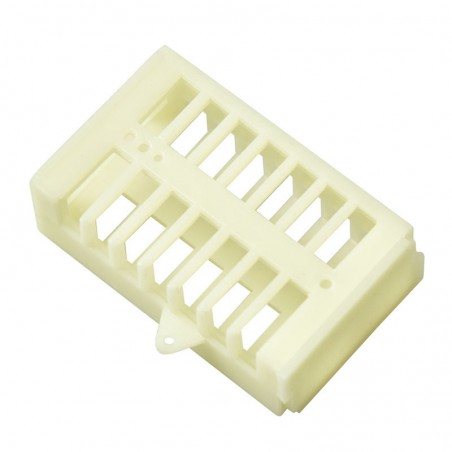
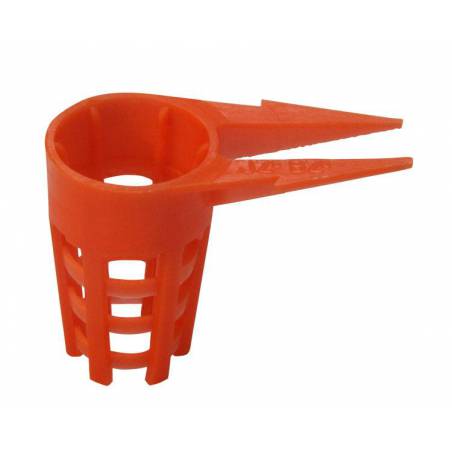
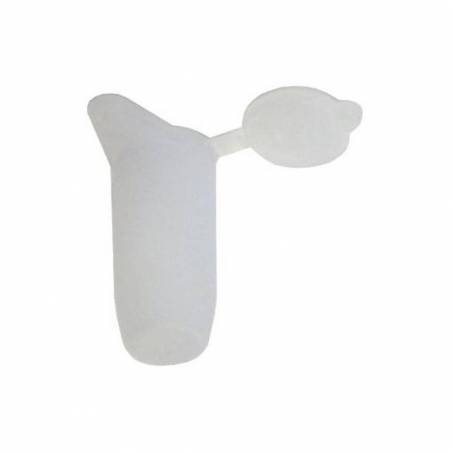
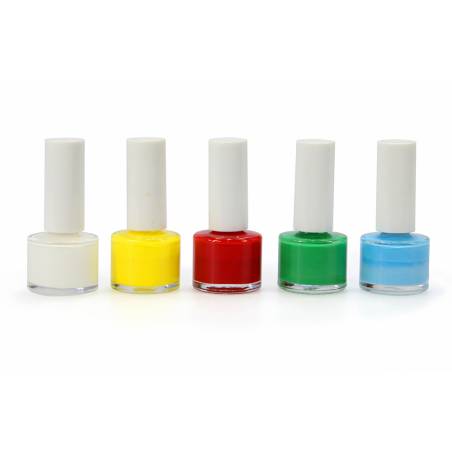
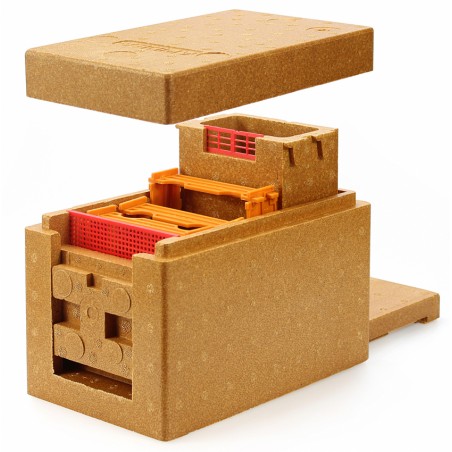
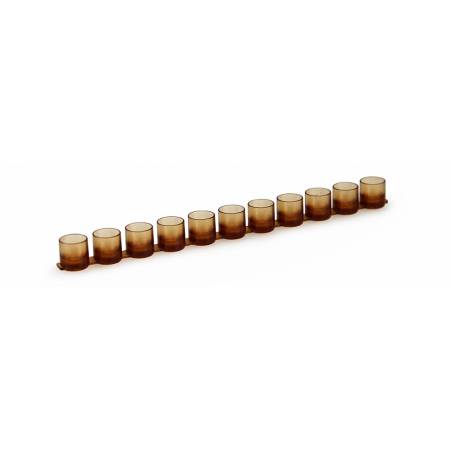
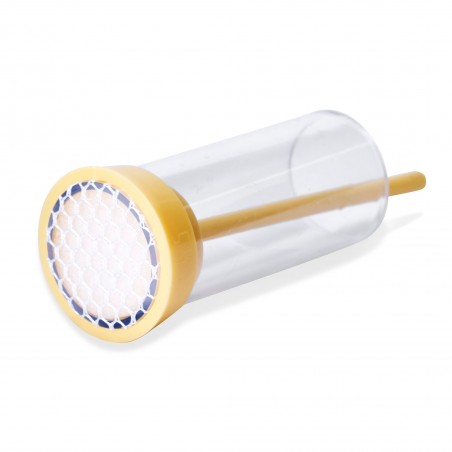
Here is the most specific equipment in the catalogue: rearing tools — cups, cup bars, grafting, cages —, marking to read each queen's age at a glance, shipping and introduction cages, incubators and even instrumental insemination. This is the part that separates buying queens from producing them.
And what is not a tool
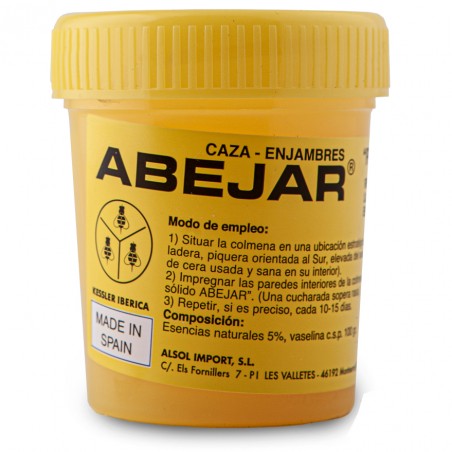
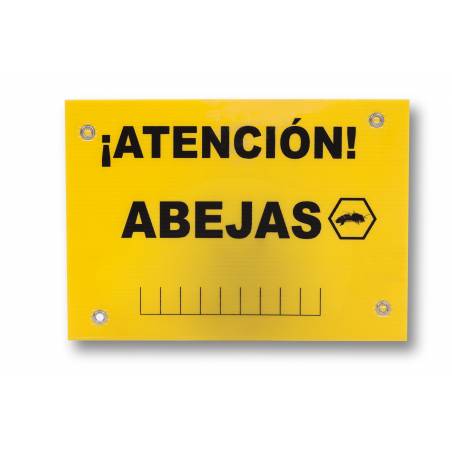
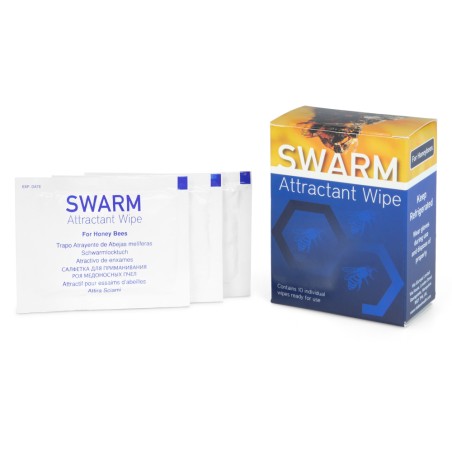
Swarm traps with their lure, so you do not lose what comes out of your own hives, and apiary signage, which in many regions is a legal requirement and not decoration.
What equipment does a beekeeper need?
Beekeepers need a broad range of tools and equipment, some of it varying with the scale and approach of the operation. The basics include:
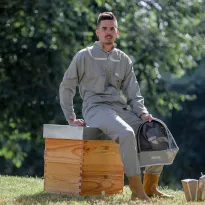
· Protective equipment: gloves, suits with veil and boots.
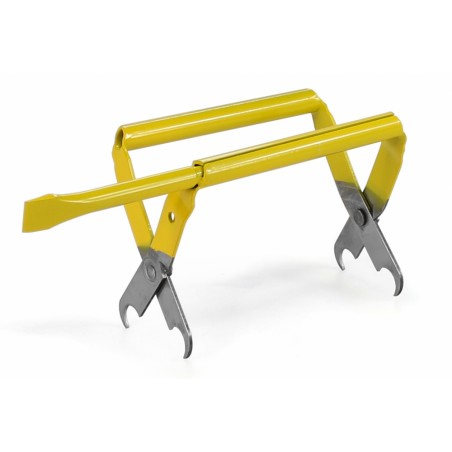
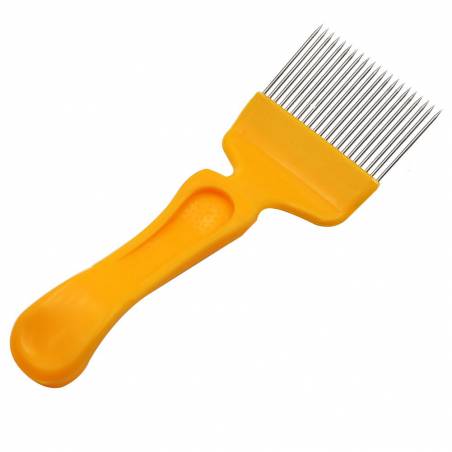
· Hive tools and frame lifters: essential for handling and inspecting the colonies.
· Clearing tools: brushes, bee escapes and blowers, used mainly to clear bees from the supers and off the frames.
· Smoker: to calm the bees while working the hive.
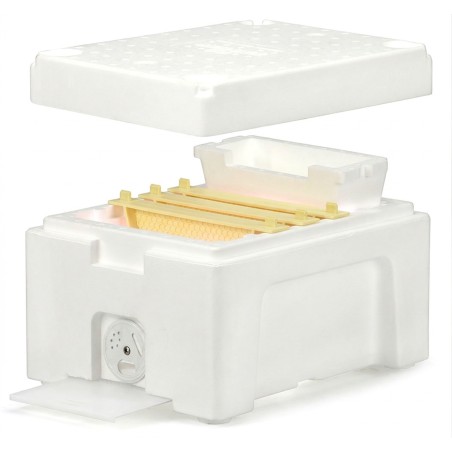
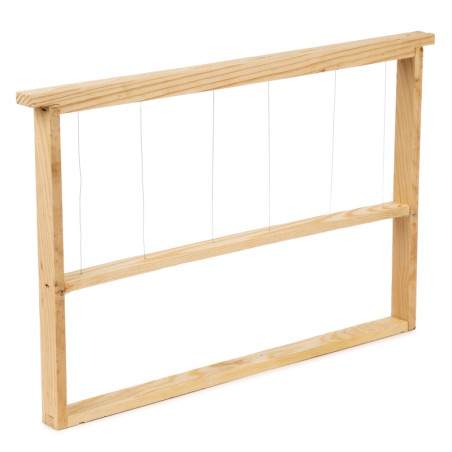
· Hives and nucs: the bees' homes, available in different types and materials.
· Feeders: to give the bees supplementary feed.
· Swarm-trapping products: they make catching and handling swarms easier.
· Honey-extraction tools: uncapping implements and honey extractors.
· Jars and packing equipment: used to store and market the honey.
· Books and training: continuous learning is vital to stay up to date with beekeeping techniques and practice.
· Specific equipment: pollen traps, driers and so on, depending on the needs and focus of the operation.
Depending on the approach and scale, further tools and equipment may be needed. The choice depends on factors such as how professional the operation is and what products the beekeeper wants to produce. The right combination of these tools ensures efficient hive management and a successful harvest of honey and other hive products.
Which equipment is a one-off purchase and which has to be replaced each season?
This is the question that helps most when doing the sums at the start, because the initial outlay is misleading: much of the equipment lasts for years, but there is a short list that comes round every season.
Buys that last years: the hives and their frames, the smoker, the hive tool and frame lifter, the suit or jacket with veil, the boots, the extraction equipment — extractor, ripener, uncapping tool — and the feeders. Looked after properly, many of these pieces stay with the beekeeper for their whole working life.
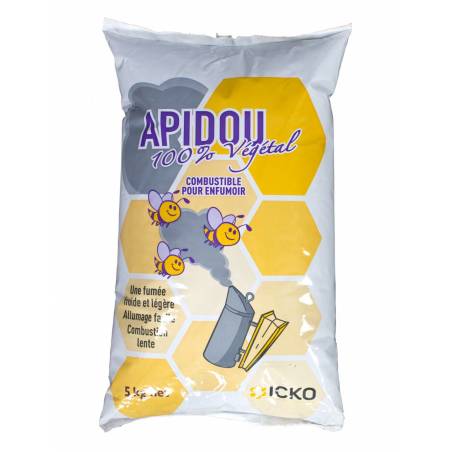
Regular replacement: foundation wax for renewing combs, veterinary treatments, feed — syrup, fondant, protein patty —, smoker fuel, jars, lids and labels. Gloves belong here too: they get cut and soaked in propolis, and are worth replacing.
Wax and treatments carry the most weight in a working apiary, and are the two worth budgeting for in advance each year.
What is beekeeping equipment?
Beekeeping equipment refers to the set of tools, gear and supplies used by beekeepers to manage, care for and maintain their bees and hives. These materials make the tasks of beekeeping easier, from inspecting hives to harvesting honey.
Where can I buy quality beekeeping equipment?
The quality of beekeeping equipment is essential to the health and productivity of the colonies. Good gear makes operations effective, protects the bees and maximises the production of honey and other hive products. Choosing high-quality tools and equipment not only makes the beekeeper's work easier, it is also a long-term investment, cutting the need for frequent replacement and reducing problems in the hive.
Aware of this, at "La Tienda del Apicultor" we are committed to offering only the best in beekeeping materials. Our experience in the market and the feedback from our customers have allowed us to select products that meet the highest standards of quality. We invite you to explore our range at www.latiendadelapicultor.com and find out why so many beekeepers trust us to equip their hives.
Which smoker model do I need for my apiary?
Choosing the right smoker depends on the size of your apiary, how often you visit and the setting you work in. Here is a practical guide:
• Small apiary or occasional use: a standard traditional smoker or an economy model is more than enough. Easy to use, light and effective for a few hives.
• Medium apiary or several visits a week: better to go for a smoker with a heat guard or spark arrestor, offering greater safety and durability.
• Professional apiary or large operations: choose a jumbo model or large-capacity smoker that lasts through long sessions without refilling. It saves time and effort.
• Urban areas or places at risk of fire: consider a flameless electric smoker or even an electronic vaporiser of the Apisolis® type, which produces vapour without combustion or risk of sparks.
• Sensitive bees or gentle strains: the electronic vaporiser can be a mild, odour-free option, ideal in those cases.
In short: match your choice to your real working conditions. A good smoker makes the job easier, improves safety and reduces stress for you and for your bees.