
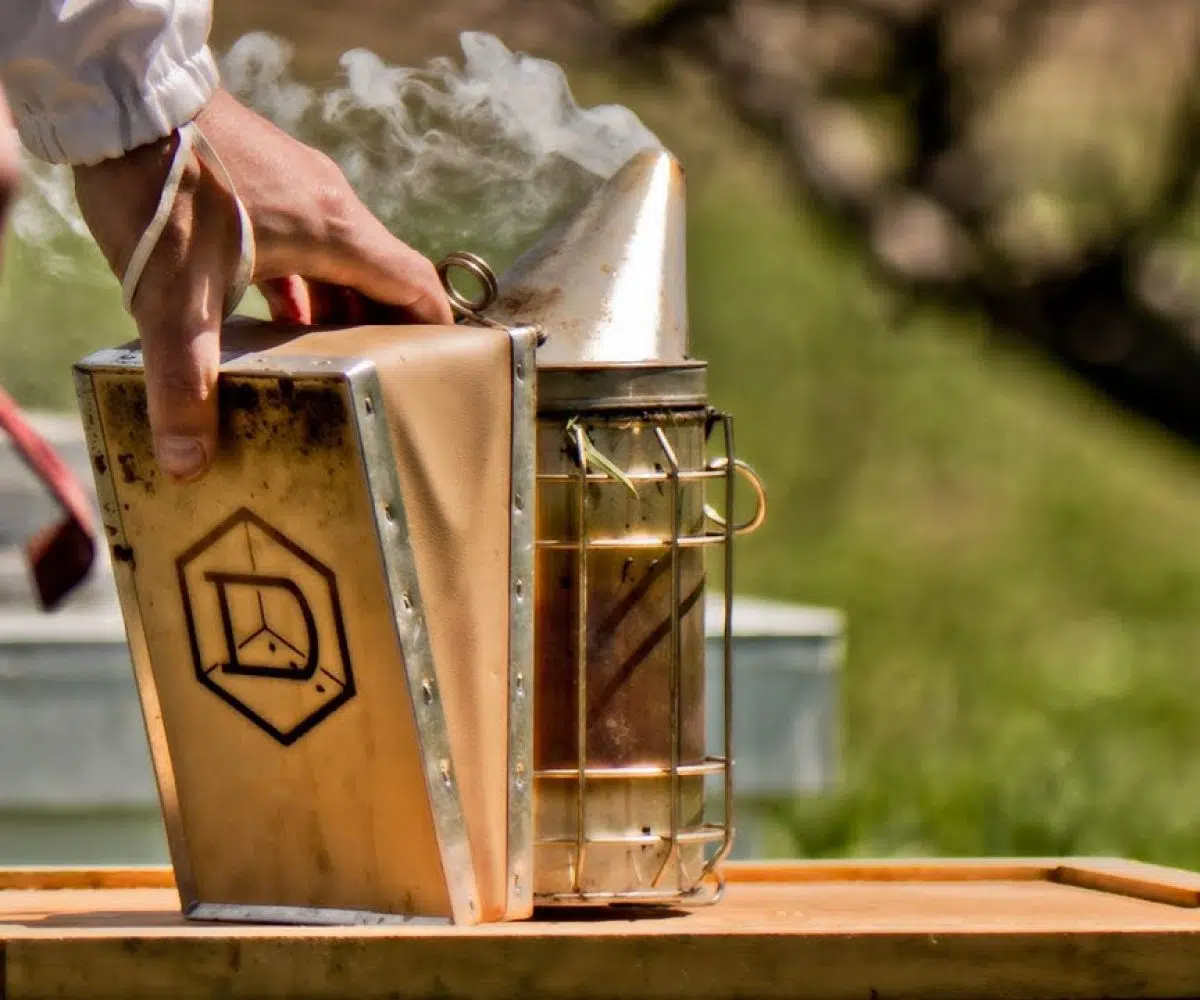
A bee smoker is a familiar beekeeping tool: it helps manage a colony during inspections by delivering small puffs of cool smoke. New York beekeeper Moses Quinby is known for developing the bellows smoker. Using it well means choosing suitable fuel, keeping the smoke cool and controlling the fire risk—not simply producing more smoke.
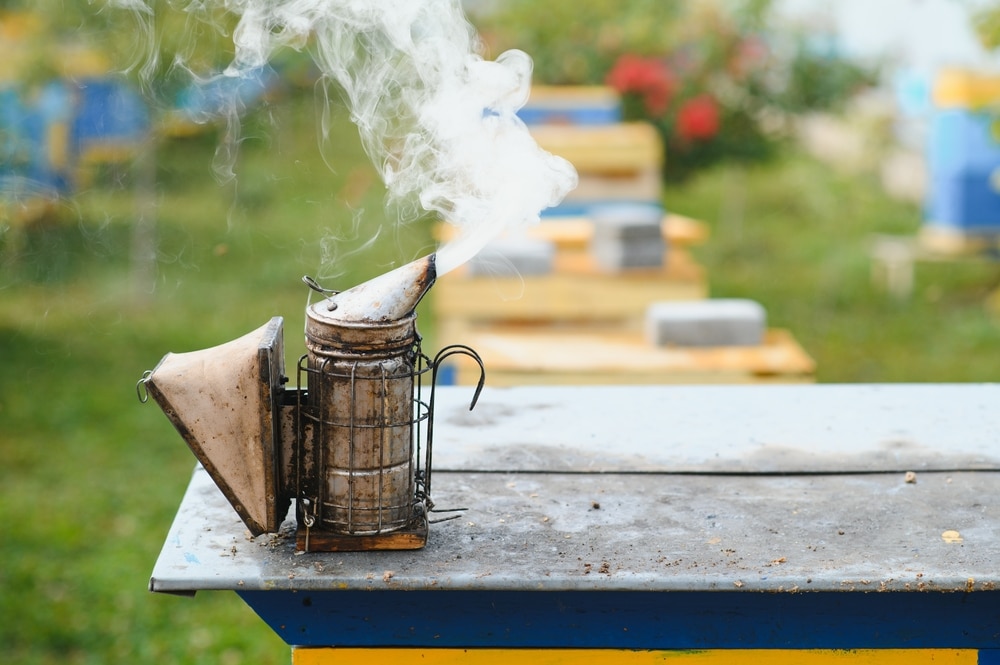
Why do we use the smoker?
Smoke can temporarily reduce defensive behaviour, but it does not make a colony harmless. Wear suitable protective clothing and handle the hive calmly. Too much smoke, hot smoke or sparks can disturb or injure bees.
Research found that smoke temporarily reduced the antennal response to alarm pheromones and another tested odour. This reduced sensitivity is one part of its effect, not a complete explanation of bee behaviour. See the study by Visscher, Vetter and Robinson.
Bees may also take in nectar or honey when exposed to smoke. Avoid treating this response as proof that the colony is calm. Use smoke sparingly, particularly around exposed honey, which can pick up an unwanted smoky taint.
The smoker should produce a steady supply of cool smoke without flames or flying embers. If the smoke becomes hot or the fuel nearly burns out, move away from the hive and correct the fuel and airflow before continuing.
Types of smoker
Bellows smoker
The common bellows smoker has a metal fuel chamber, a lid with an outlet, and external bellows that supply air when squeezed. A heat shield helps limit accidental contact with the hot barrel but does not make it safe to touch.
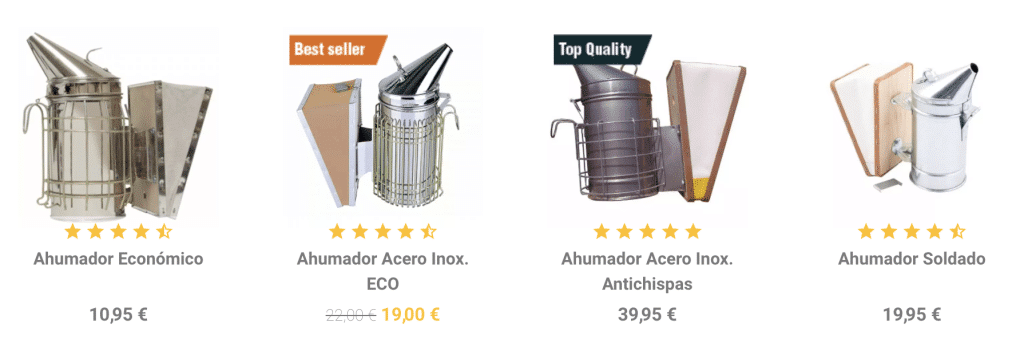
Electric smoker
An electric fan replaces the hand-operated bellows. The fuel still burns and the chamber still gets hot: an electric drive does not remove the fire risk.
Pipe smoker
A pipe smoker uses a mouthpiece through which the beekeeper blows air. This historical design is not a reason to work without a beekeeping veil. Choose equipment that can be used with appropriate face and body protection; a conventional bellows smoker is usually more practical.
Repellents
Bee-repellent products differ in formulation and purpose; they are not all equivalent to smoke or suitable for routine inspections. Use only a product specifically intended for the task, following its label. Do not improvise chemical mixtures or regard a repellent as a substitute for protective clothing and careful handling.
Smoking fuels
Suitable smoker fuel smoulders steadily and produces cool smoke. It must be clean, untreated and appropriate for the smoker. Follow the equipment manufacturer’s instructions rather than using any material that happens to burn.
Dry plant material and purpose-made smoker fuels are commonly used. Exclude anything contaminated with paint, preservatives, oil, glue or synthetic fibres.
Examples to assess for cleanliness and suitability include:
- Plain, uncoated cardboard, with labels, tape and unsuitable adhesives excluded
- Straw pellets sold for smokers
- Cotton smoker fuel
- Jute smoker fuel
- Untreated wood shavings
- Pieces of tree bark
- Dry grass
- Pine needles
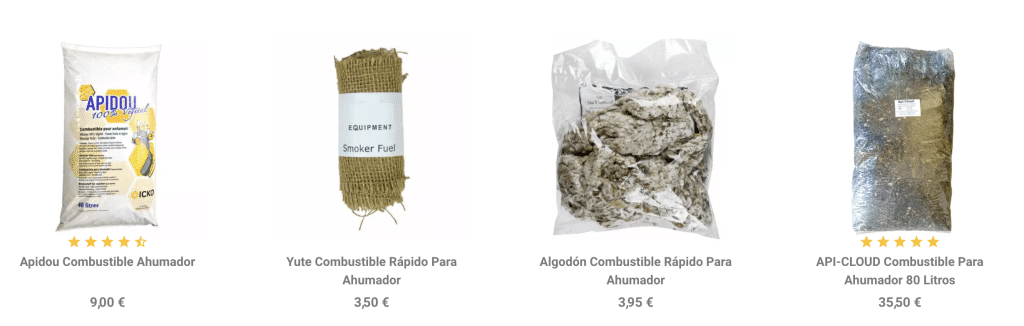
Start with a small amount of suitable kindling or a purpose-made bee-smoker starter inside the fuel chamber. Add the main fuel gradually as combustion becomes established. Never use petrol, diesel or other liquid accelerants.
Avoid synthetic fabrics, plastics, glossy or coloured paper and treated materials. Check packaged fuels for their intended use rather than assuming every pellet or fabric is suitable.
Reject fuel that could harm the bees, expose the beekeeper to hazardous fumes or taint honey. Damp green material is difficult to burn consistently; keep a supply of suitable dry fuel to hand.
Protection and fire prevention
Check current local fire restrictions before lighting a smoker. Permits, bans and required precautions vary by location and conditions. Do not use it when prohibited or when you cannot control the risk safely. Keep water or suitable fire-extinguishing equipment immediately available and never leave a lit smoker unattended.
Some smokers have spark-arresting features, including a protected connection between the bellows and fuel chamber. These reduce risk but cannot guarantee that no spark will escape. Check their condition and keep the airflow path clear.
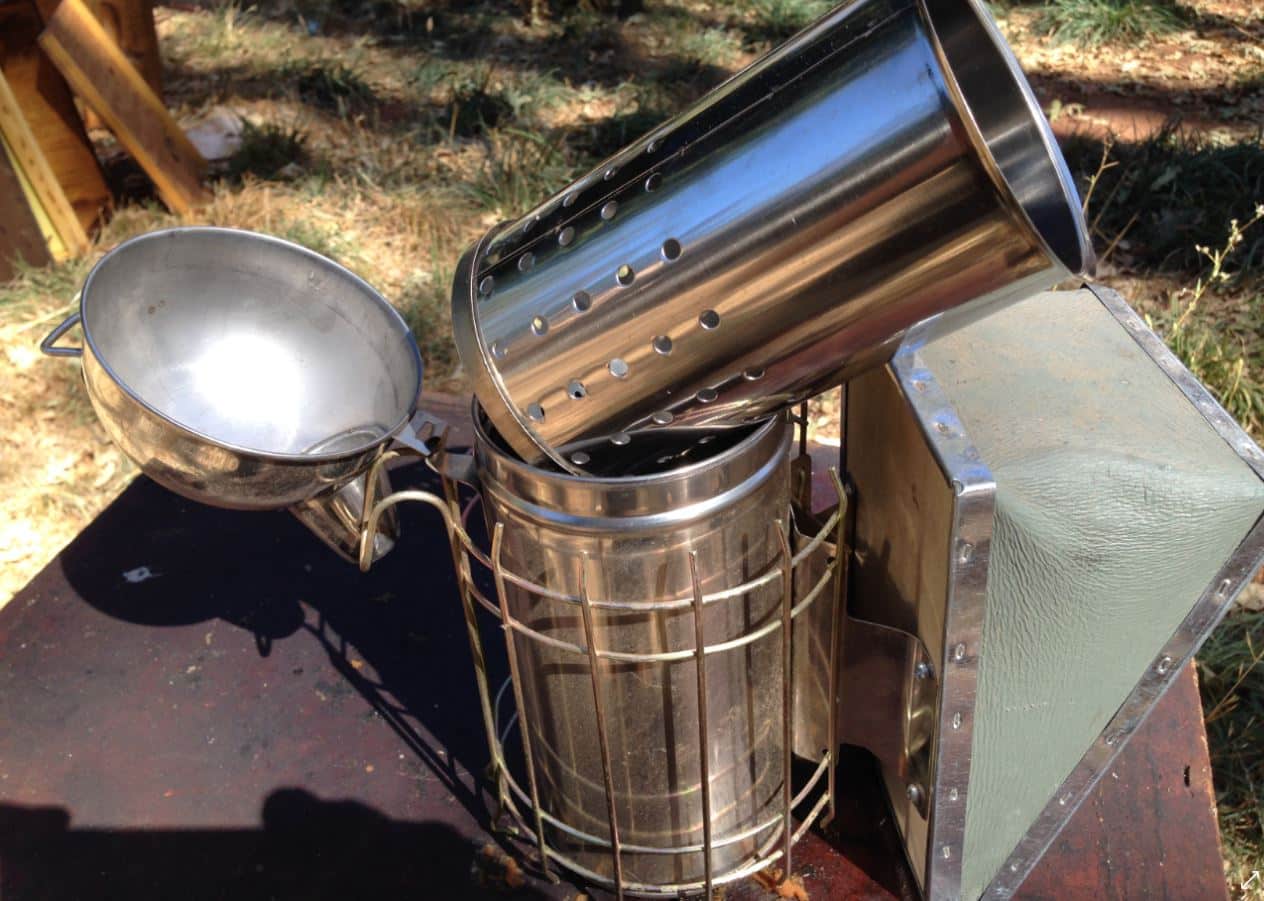
A compatible spark-arrestor insert may be available for a particular smoker. Fit it only as intended by the manufacturer; it does not replace fire precautions or authorise use during a ban.
Light and rest the smoker on a stable, non-combustible surface in a cleared area away from dry vegetation and other flammable materials. Keep the hot barrel off polystyrene hive roofs and other heat-sensitive surfaces. Use a suitable metal holder and avoid breathing the smoke plume.
Extinguish the fuel and allow the smoker to cool completely before vehicle transport or storage. Do not put a hot smoker in an ordinary toolbox. Where safe, thoroughly soak the fuel and ash in a metal bucket of water; follow the smoker’s instructions and local fire guidance. If wind makes emptying unsafe, do not scatter embers: contain and extinguish the smoker safely first.
Clean the smoker only when it is fully extinguished and cold. Remove soot and tar deposits that obstruct the outlet or reduce the chamber’s capacity, taking care not to damage the bellows, screen or metalwork.
Lighting the smoker
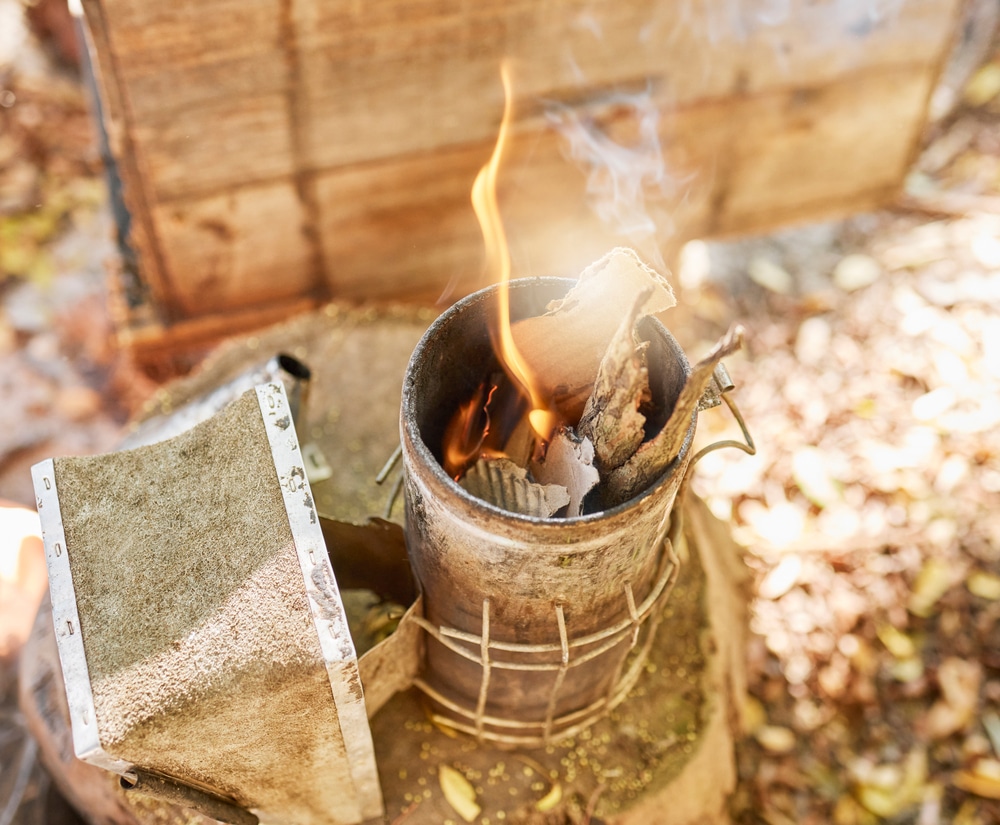
Check the smoker before opening a hive and maintain enough fuel for the inspection. A nearly empty chamber can produce hot smoke or sparks. If it needs attention, close the hive as appropriate and move to your safe lighting area.
Steps
- With the smoker cold, inspect the barrel, lid, bellows and spark-arresting parts. Remove old cold ash safely and check that air flows freely.
- Choose a stable, fireproof position away from dry vegetation. Confirm that use is permitted and keep extinguishing equipment nearby. Keep your face and clothing away from the outlet and ignition source.
- Put a little suitable kindling inside the open fuel chamber and light it carefully. Do not hold burning fuel between your fingers or drop burning material from a height.
- Work the bellows gently and add dry smoker fuel gradually until it is burning reliably.
- Pack the fuel moderately with a suitable tool, not your fingers, while leaving enough airflow. Follow the manufacturer’s advice; choking the chamber can put it out.
- Close the lid and check the output away from bees and people. It should be cool smoke, not flame, embers or a blast of hot air. Adjust the fuel before approaching the colony if necessary.
- Keep the smoker in a secure, non-combustible holder while not in your hand. Supervise it throughout the inspection and extinguish it fully when finished.
How to smoke a hive
Use the minimum smoke needed for a calm, controlled inspection. More smoke is not a substitute for good handling.
Judgement improves with practice. Watch the bees’ response and use brief, gentle puffs only as needed. If you are unsure, learn alongside an experienced beekeeper rather than repeatedly increasing the smoke.
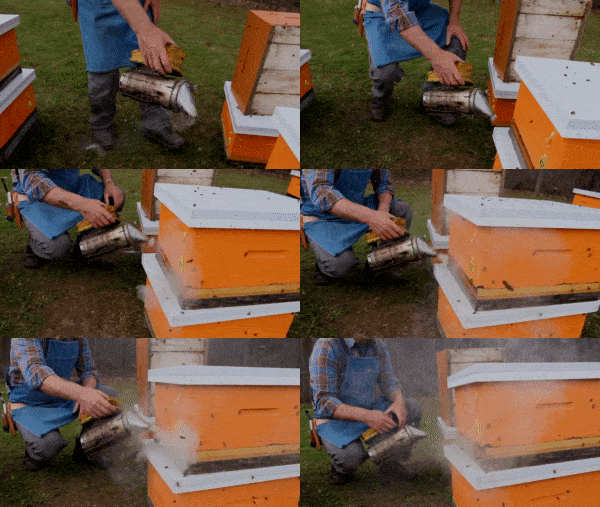
Some beekeepers begin with a few light puffs near the entrance, then pause before opening. Others work mainly from above. Avoid obstructing the flight path or forcing large volumes of smoke into the brood nest; the right amount depends on the colony and conditions.
Do not aim to produce a prolonged roar or assume that defensive behaviour must disappear. Smoke does not eliminate the possibility of stings. If a colony remains very defensive, close it carefully and reconsider the timing, weather, handling and need for experienced help.
Stand beside or behind the hive where practical, leaving the entrance flight path clear. Keep your movements unhurried and avoid knocking the frames or crushing bees.
Once the hive is open, a little cool smoke directed across the top bars can encourage bees to move down. Avoid prolonged blasts between combs. The National Bee Unit recommends sparing use from above during inspection in its colony-handling guide.
Keep protective clothing, good handling and an exit plan in mind throughout the inspection—even when smoke appears effective.
If the bees become unsettled, pause and check your handling and smoker output. A small additional puff may help, but stop the inspection and reassemble the hive if conditions are unsuitable. Do not keep adding smoke in an attempt to overpower the colony.
Avoid over-smoking. Excessive smoke can distress bees, expose you to unnecessary fumes and taint honey. Keep the smoker away from open honey and use only the amount needed.
Learn more about beekeeping
For guided learning, see our online beginner beekeeping course, taught in Spanish.
The linked course page provides the syllabus and current enrolment details. The accompanying promotional video is also in Spanish.
![Introducción al Curso de Apicultura [SÚPER COMPLETO]](https://www.latiendadelapicultor.com/blog/wp-content/plugins/wp-youtube-lyte/lyteCache.php?origThumbUrl=https%3A%2F%2Fi.ytimg.com%2Fvi%2FuJomNRA0UP8%2F0.jpg)
Safety guidance: see Agriculture Victoria’s safe beekeeping practices for smoker handling and extinguishing. Fire rules on that page apply to Victoria; check the authority responsible for your own location. The original shop images and course remain in Spanish. This English edition updates the handling and fire-safety wording while retaining the original illustrations.

ISNI 0000 0005 1801 1100 | Joshua Ivars is the manager of LA TIENDA DEL APICULTOR and the author of this blog, where he shares technical and practical guidance for beekeepers. Drawing on extensive experience in the beekeeping sector, he offers advice and solutions based on beekeepers’ real needs, sharing his knowledge of equipment and essential beekeeping practices.


