 Apipasta with vitamins 15kg
 Beecomplet® Spring 14Kg
 Beekeeper suit with round veil
 Oxalic acid 1kg
 Beeswax Foundation 5kg
 Fresh royal jelly 20g
 Classic honey jar 1kg comb-lines TO77 - Pack of 16 units
 Promotor L Apis 1 litre
- -€2.00


 Share in WhatsApp
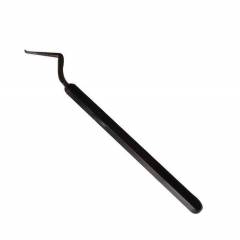
4 mm FLEXIBLE TIP | 125 mm OVERALL LENGTH |
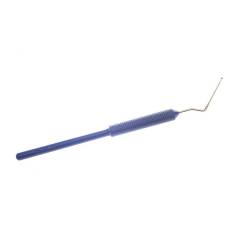
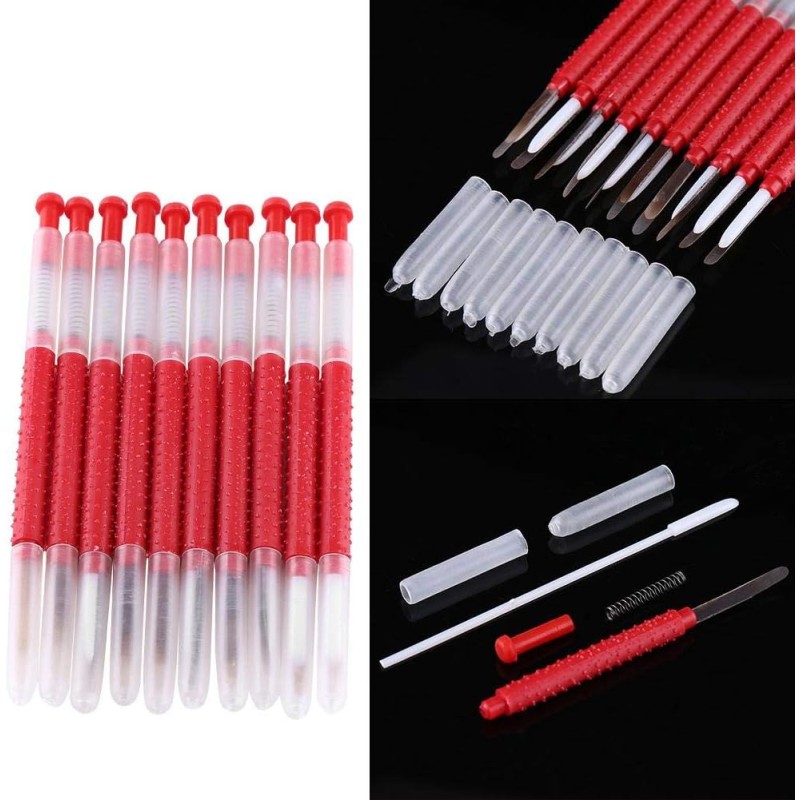
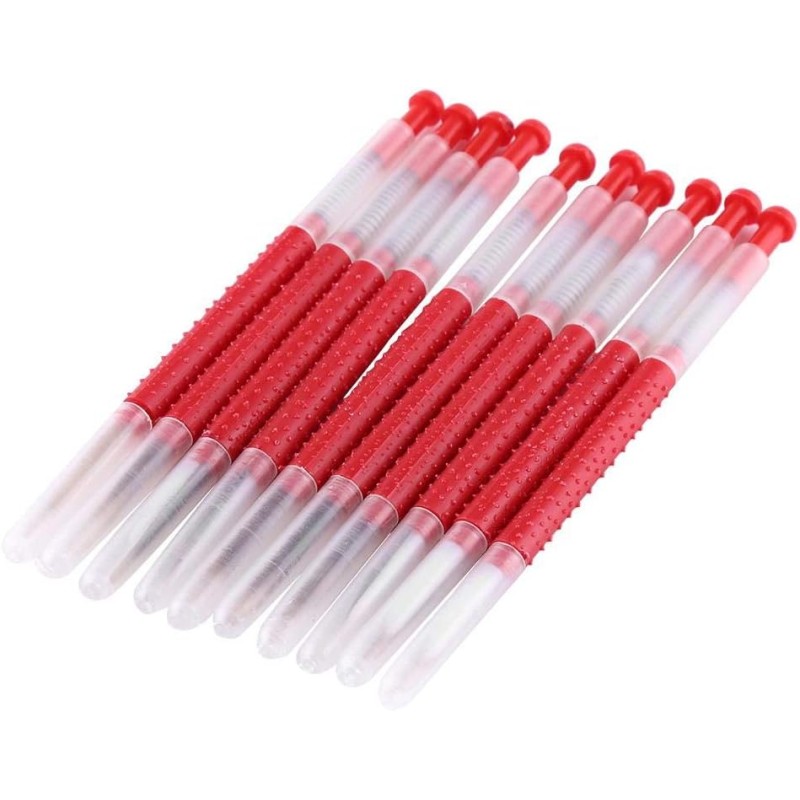
The tool almost everyone learns to graft with: a flexible tongue, a spring-loaded plunger and a price that lets you keep a spare.
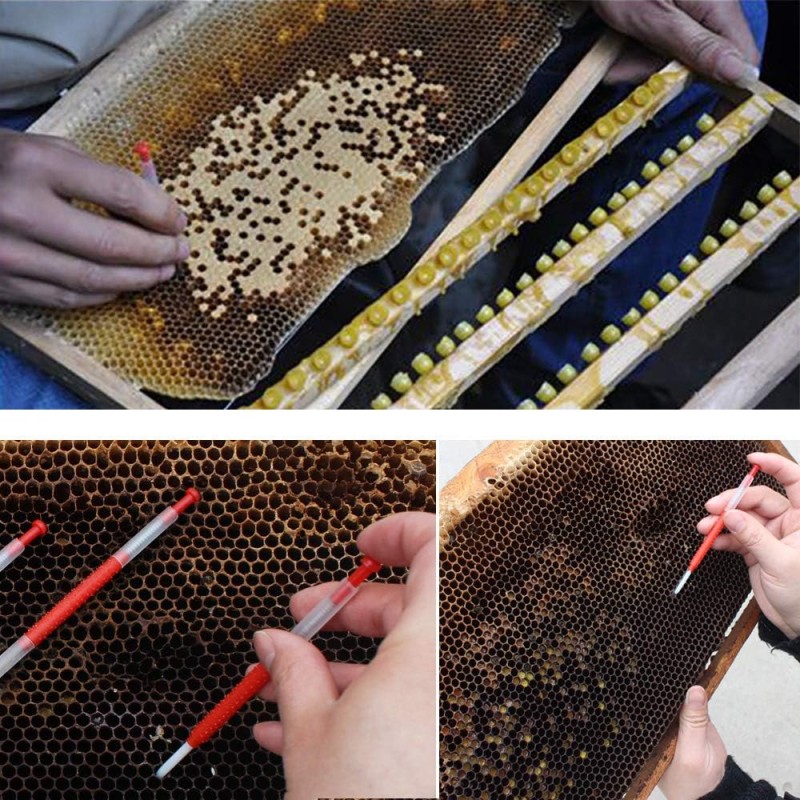
It lifts the larva out of the cell and into the cup without turning it over and carrying its royal jelly along, which is what the nurse bees go on when accepting it. It works the same on plastic cell cups and on wax cups you make yourself.
01 · HOW IT WORKS
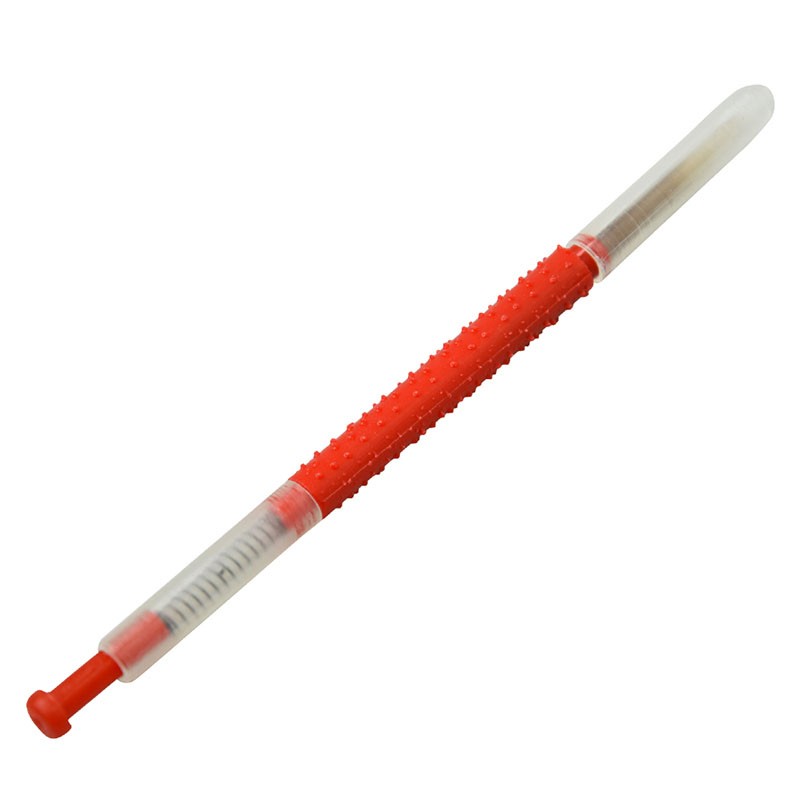
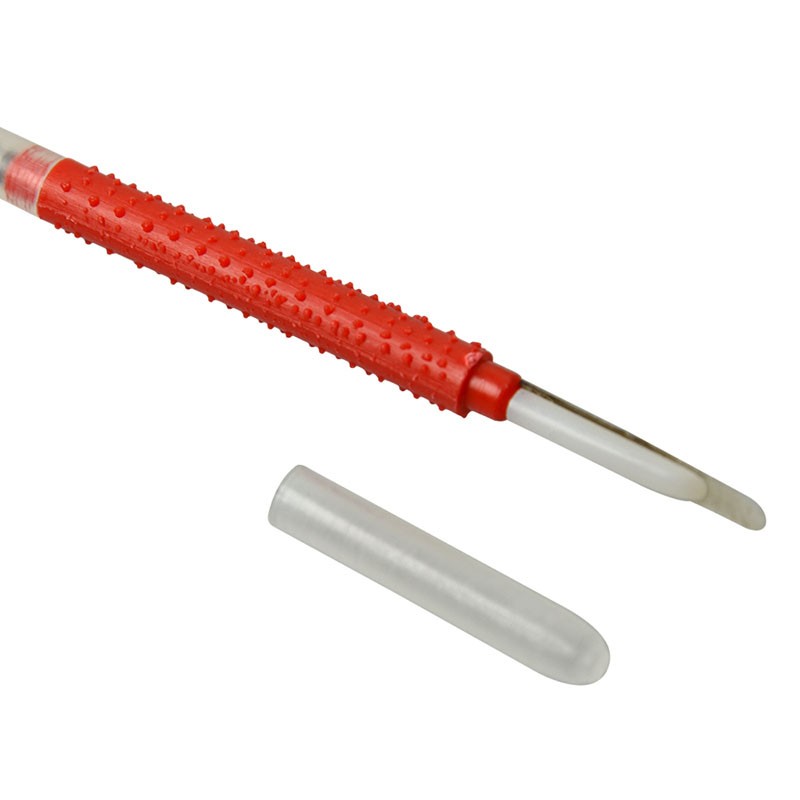
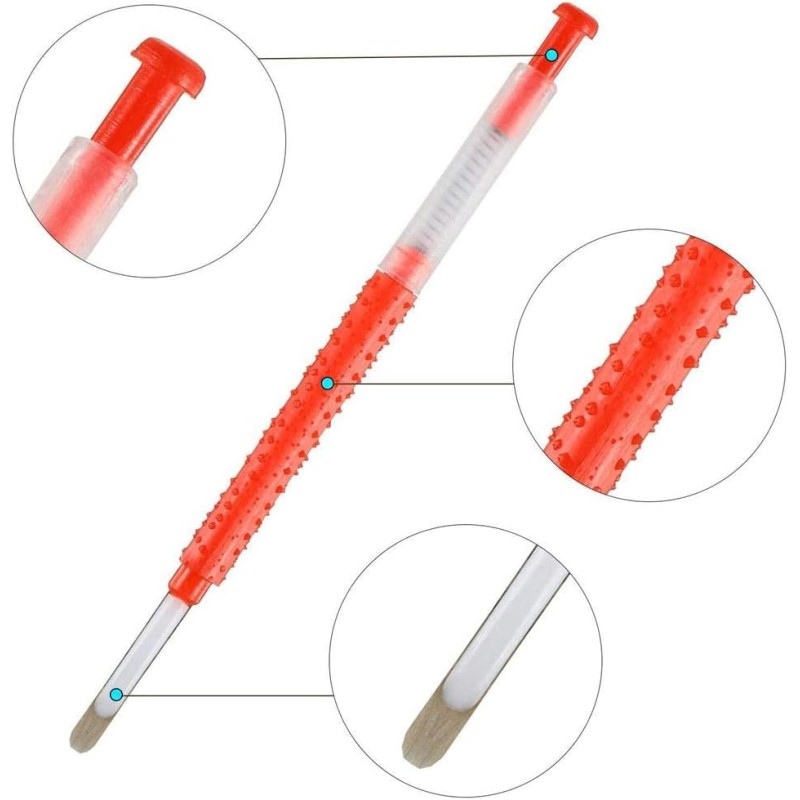
Three parts inside a pen-shaped body. The flexible tongue at the tip slides in under the larva, between it and the cell floor, and lifts it along with the jelly it is floating on. Inside runs a rod pushed by a spring: leave the end button alone and the spring keeps the rod back, so the tongue works free; once the larva is over the cup, press the button and the rod slides it off without scraping or shaking. The knurled grip in the middle is what gives you the steady hand, because you hold it between your fingers like a pencil. The tip has a clear cap: keep it on, it is the first thing to bend in a pocket.
02 · THE TECHNIQUE
What is hard at first is not the movement, it is drying out. Work in good light, out of draughts and without hurrying, and keep a damp cloth to cover the donor comb between rounds. Wet the tongue before every pick-up: dry, the larva sticks and tears; wet, it slides off on its own. Choose very young larvae — the ones you can barely see, lying on a bed of jelly — and always go in underneath, never turning them over: a larva laid on its back will not come through. When the bar is done, get it back to the cell-raising colony as fast as you can.
03 · IS IT FOR YOU?
If this is your first season rearing queens, this is the tool to learn on: the plunger forgives mistakes a plain needle will not, and if you bend it or lose it you have lost nothing. That said, it is plastic with a fine tip, and it is not a tool for life. Treated carefully it lasts seasons; forced against the wax or left loose in a pocket, it bends. Buy two and keep a spare. If you end up running long series each season, the next step up is a stainless steel grafting tool, which sits differently in the hand and will not deform.
04 · BEFORE YOU BUY
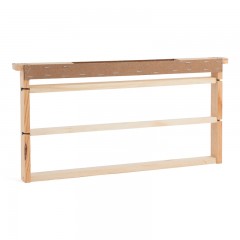
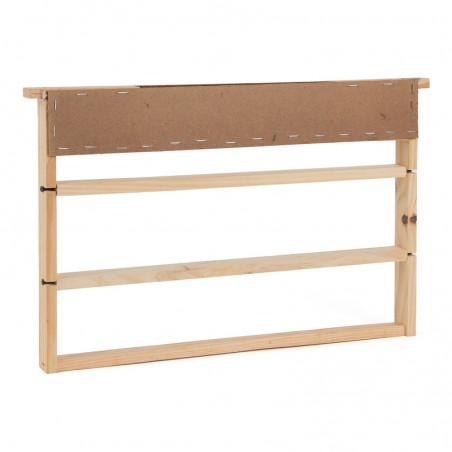
This is the tool, not the system: grafting also needs cell cups, a cup holder and a cell bar frame, and above all a raising colony strong in nurse bees. The tool gives you precision; acceptance comes from the larva, the nurses and the timing.
| ✓ FITS | Plastic cell cups and wax cups made by the beekeeper. |
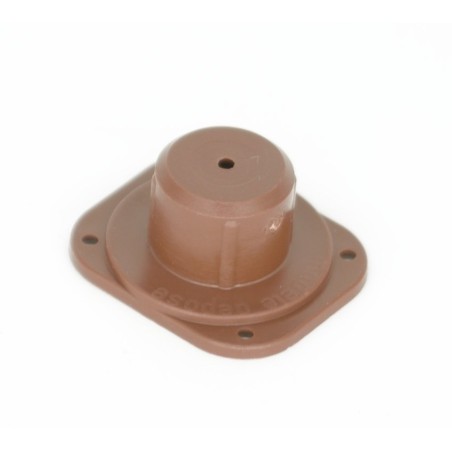
| ⚠ NOT INCLUDED | Cell cups or cup holders: bought separately. |
| Use | Grafting for queen rearing, Doolittle method |
|---|---|
| Mechanism | Flexible tongue with internal rod and spring, worked by a button |
| Length | Approx. 125 mm |
| Tip diameter | 4 mm |
| Body | Plastic, with a non-slip knurled grip and a protective cap |
| Compatibility | Plastic and wax cell cups · cups and cup holders not included |
Data sheet