
-
Beehives
- Complete beehive
- Accessories
-
Nuc hives
- Nucs by format
- With bees & mating
- Spare parts
-
Bee equipment
- For the apiary
- For the beekeeper
-
Clothing
- Clothing Accessories
-
Beeswax
-
Pure beeswax
- Beeswax and foundation
- Beeswax foundations
- Melting and rolling beewax
-
Pure beeswax
-
Bee feed
- Accessories and source materials
- Utensils
-
Bee health
- Varroa Treatments
- Diseases control
- Nutraceuticals
-
Extraction and bottling
- Before extraction
- Honey extraction
- After extraction
-
Bee pollen
- Harvest
- Indicted
-
Honey packaging
- Flasks per utility
- Flasks by size
- Other packaging
 Apipasta with vitamins 15kg
 Beecomplet® Spring 14Kg
 Beekeeper suit with round veil
 Oxalic acid 99% 1kg
 Beeswax Foundation 5kg
 Fresh royal jelly 20g
 Classic honey jar 1kg comb-lines TO77 - Pack of 16 units
 Promotor L Apis 1 litre
Tools for Honeycomb Production
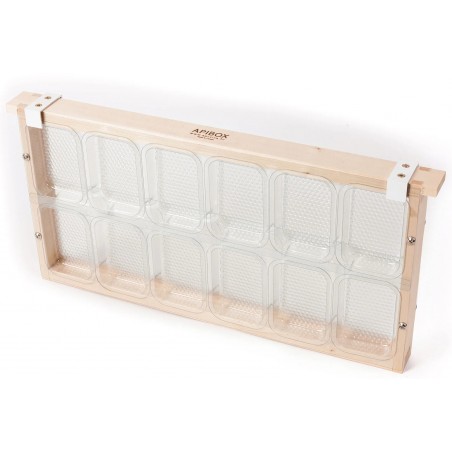
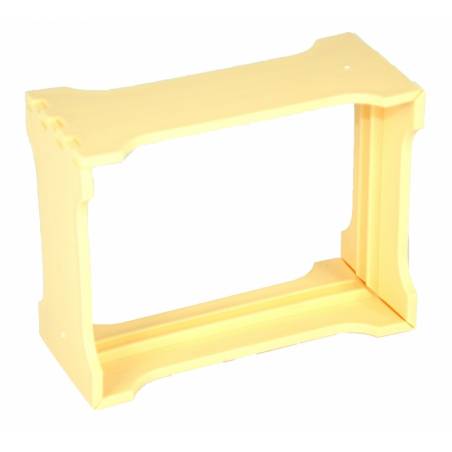
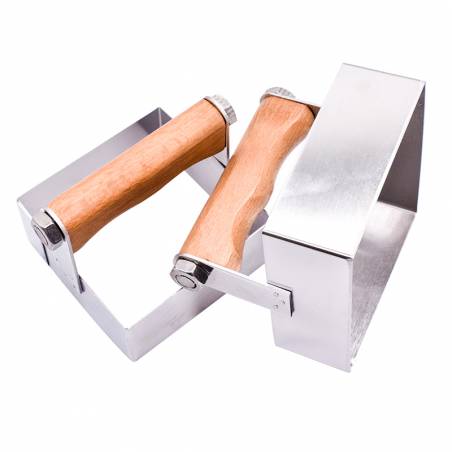
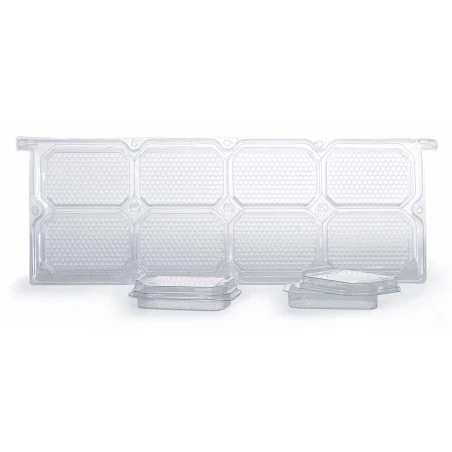
NICOT sections, APIBOX systems, wooden sections, cutters and packaging for comb honey. Choose the set to suit your frame and whether you will sell whole sections or cut portions.



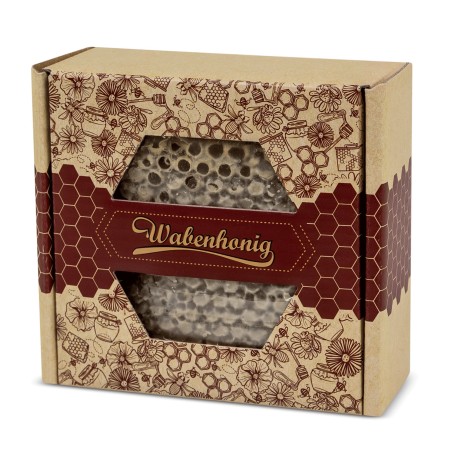

My recommendation for getting started with comb honey
Before giving a whole super to comb honey, make a small run in a single format and take it all the way to the counter. In a half super, I would start with the large NICOT section, 130 × 105 mm: up to four fit in a frame and it goes into its 135 × 110 × 45 mm box without touching the comb. That first round shows you where time is lost or a piece gets damaged, and photos never show that.
And here I take a clear stand: no piece goes on sale without going through the freezer. Two hours at −15 °C once the whole comb has reached that temperature break the wax moth cycle, and in a household freezer that means 24 to 48 hours. Measure the moisture of the batch before closing it too: capping does not guarantee it.

Tools for Honeycomb Production
Whole sections or cut comb
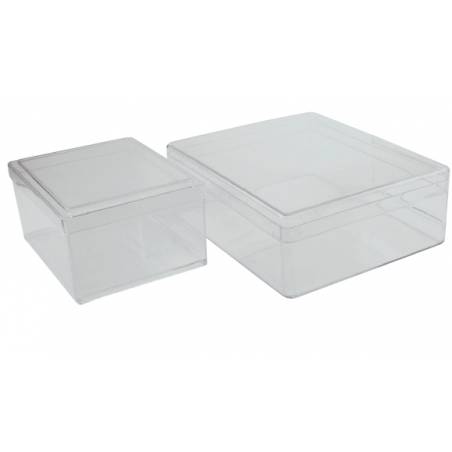
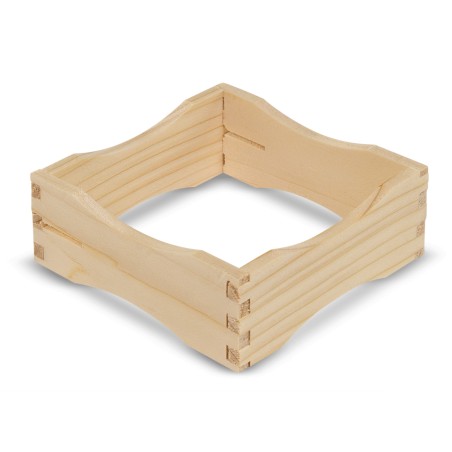
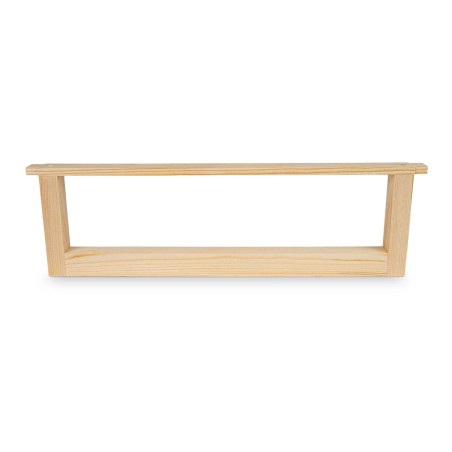
NICOT sections, APIBOX and wooden systems organise production into individual units. Each system has its own components: check which frame, supports, sections and lids the model requires. Do not assume that parts from one range will fit another. For scale: a half-super frame takes up to four large NICOT sections (130 × 105 mm) or up to ten small ones (84 × 65 mm), and wooden frames are 10 × 10 cm.
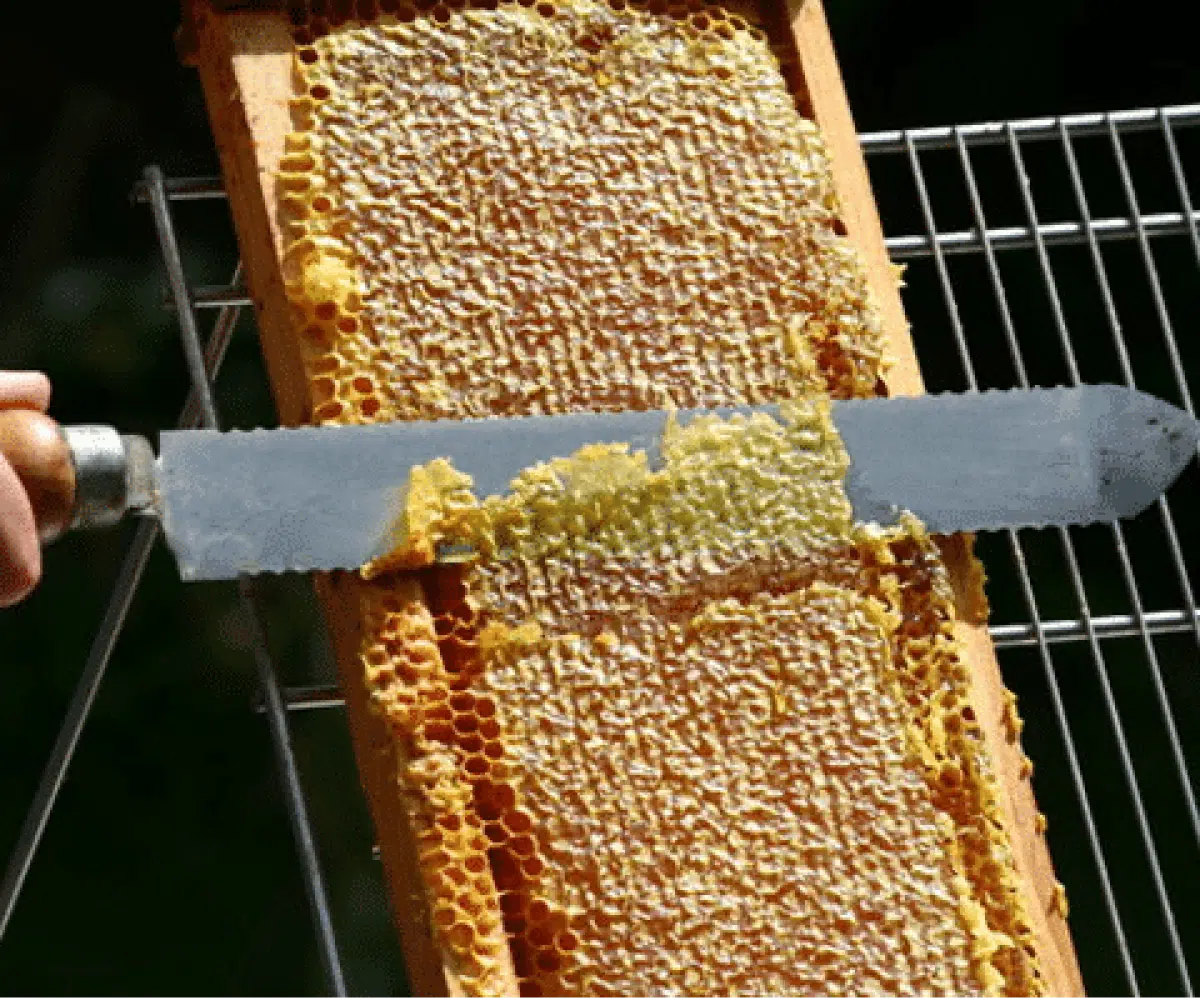
For cut comb, the comb is produced first and then divided into portions. The 4 1/8″ cutter gives a reference size of about 10.5 cm per side: also check the comb thickness and the space inside the container. A box’s external dimensions do not guarantee that the portion will fit without being crushed.
Comb honey is presented with the wax built by the bees, without centrifugal extraction. Production starts with preparation in the hive: use newly built comb that has never contained brood and equipment suited to the format you intend to sell. Comb intended for cutting must not contain wires or plastic foundation.
Preparing the harvest and presentation
- Frame and section. Measure the usable space inside the frame and check the complete assembly. The names Langstroth or Dadant alone do not guarantee that all the components will fit.
- Batch moisture. Cappings do not replace a measurement. Plan representative sampling of the combs before sealing portions for sale; one cell does not represent the entire harvest.
- Packaging and handling. Choose food-safe packaging that closes without compressing the comb. Keep tools and containers clean and dry, and protect portions from moisture, heat and knocks.
- Freezing. Before packing, every piece goes through the freezer: two hours at −15 °C once the whole comb has reached that temperature break the wax moth cycle, which in a household freezer means 24 to 48 hours.
Complete your preparation with instruments for measuring honey moisture and check honey packaging to suit the final sales format.