
-
Beehives
- Complete beehive
- Accessories
-
Nuc hives
- Nucs by format
- With bees & mating
- Spare parts
-
Bee equipment
- For the apiary
- For the beekeeper
-
Clothing
- Clothing Accessories
-
Beeswax
-
Pure beeswax
- Beeswax and foundation
- Beeswax foundations
- Melting and rolling beewax
-
Pure beeswax
-
Bee feed
- Accessories and source materials
- Utensils
-
Bee health
- Varroa Treatments
- Diseases control
- Nutraceuticals
-
Extraction and bottling
- Before extraction
- Honey extraction
- After extraction
-
Bee pollen
- Harvest
- Indicted
-
Honey packaging
- Flasks per utility
- Flasks by size
- Other packaging
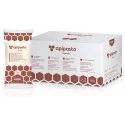 Apipasta with vitamins 15kg
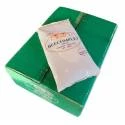 Beecomplet® Spring 14Kg
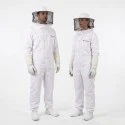 Beekeeper suit with round veil
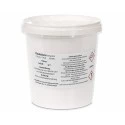 Oxalic acid 1kg
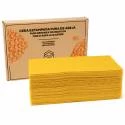 Beeswax Foundation 5kg
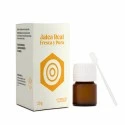 Fresh royal jelly 20g
 Classic honey jar 1kg comb-lines TO77 - Pack of 16 units
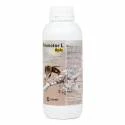 Promotor L Apis 1 litre
Bee Health
One hundred and ninety-three beekeeping health references: varroa medicines, oxalic and formic acid, sublimators, wax-moth control, hygiene and diagnosis.
- Varroa Treatments
- Diseases control
- Nutraceuticals
Categories
Brand
Price
-
€0.00 - €4,975.00



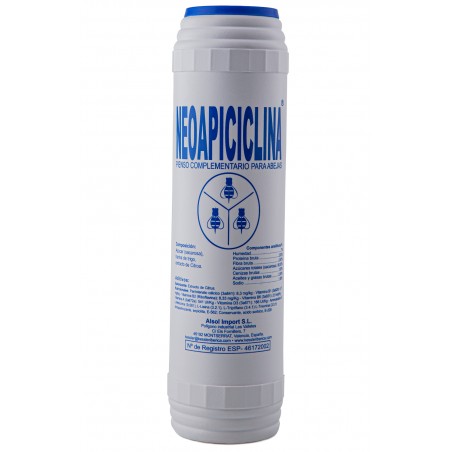
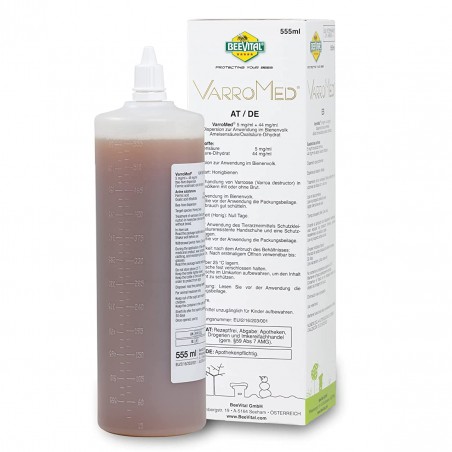
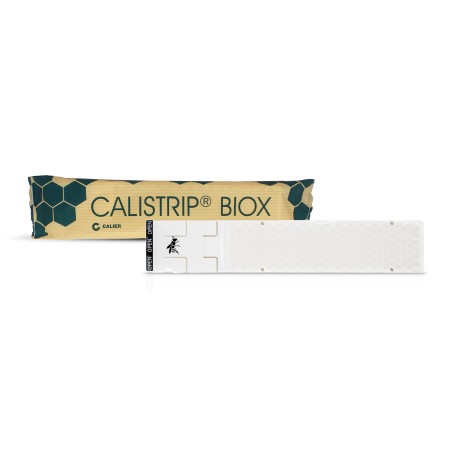
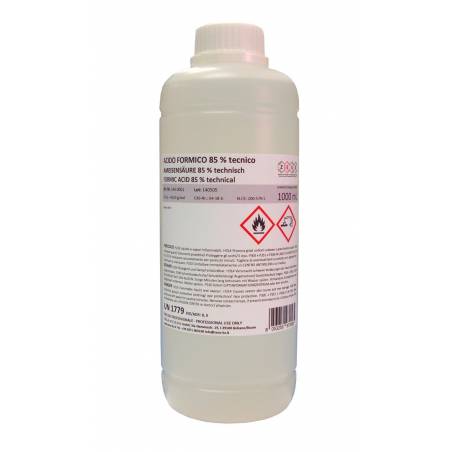
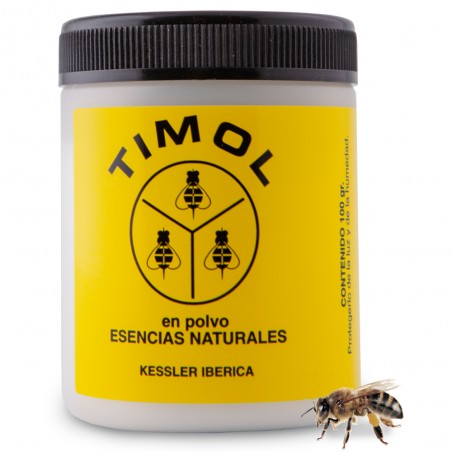
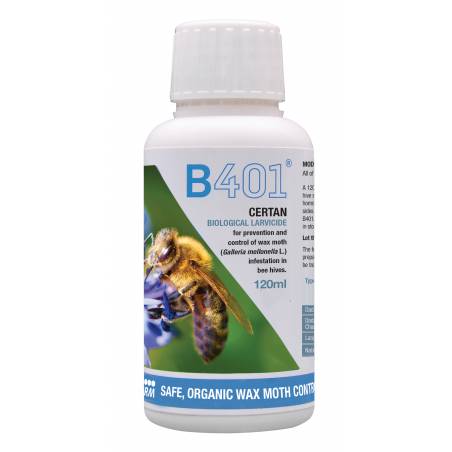
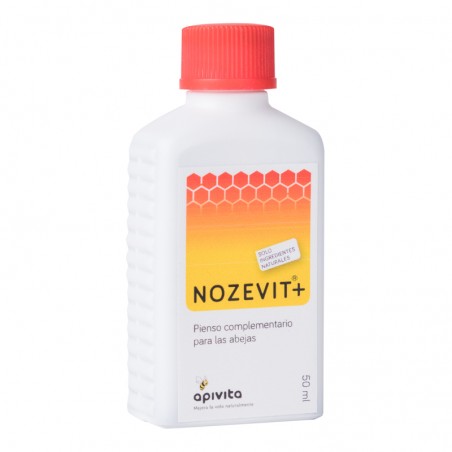
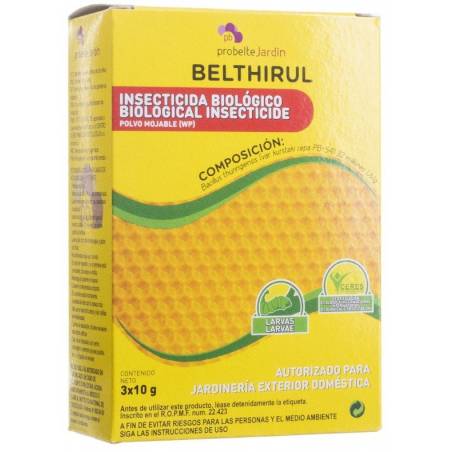
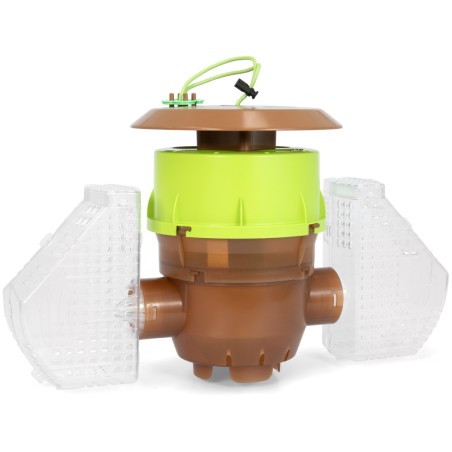
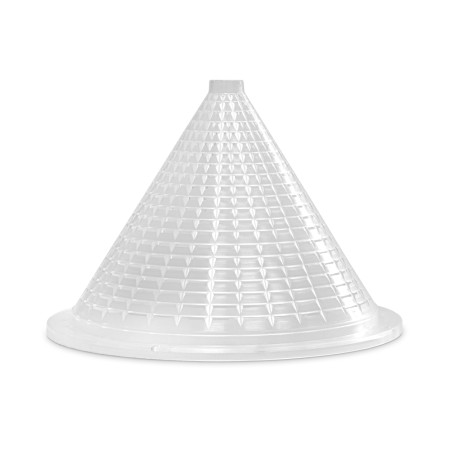

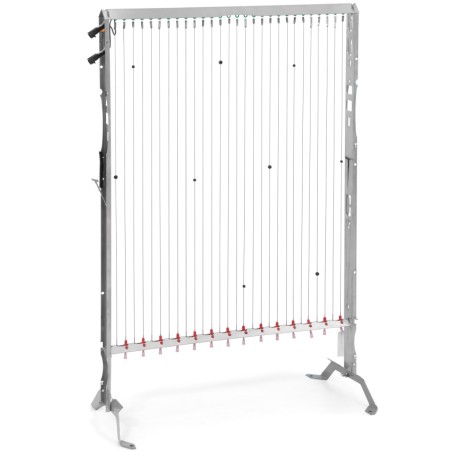
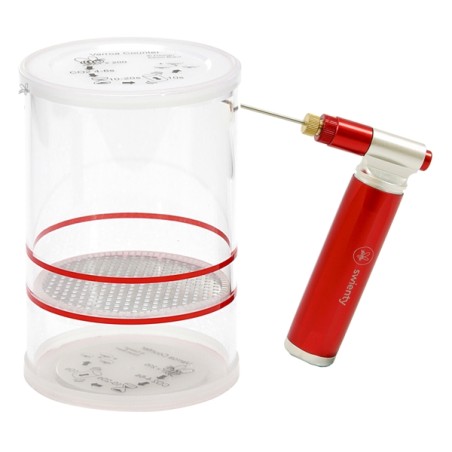
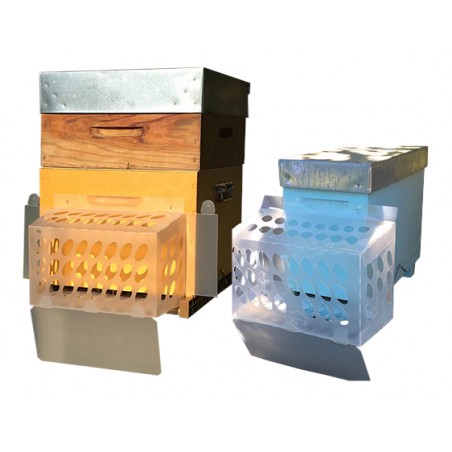
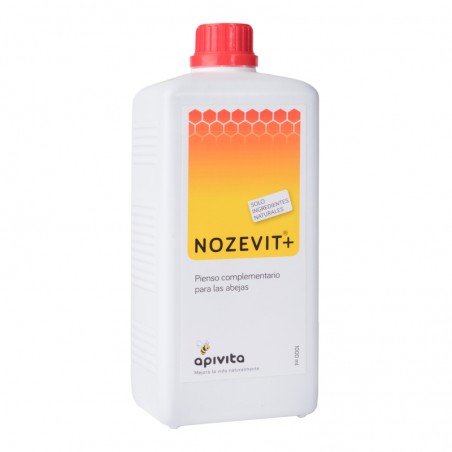
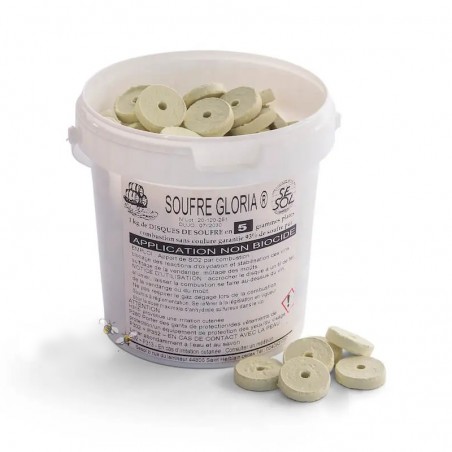
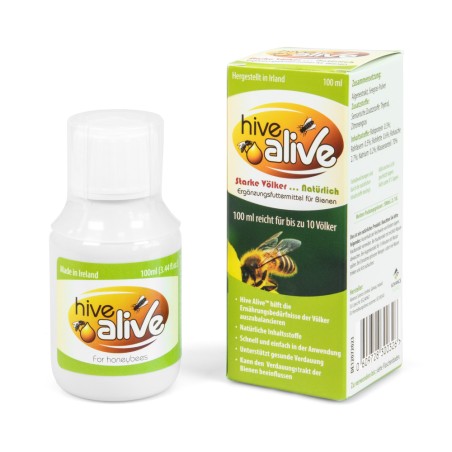
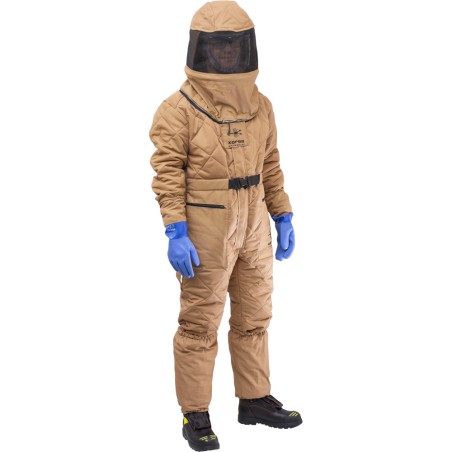
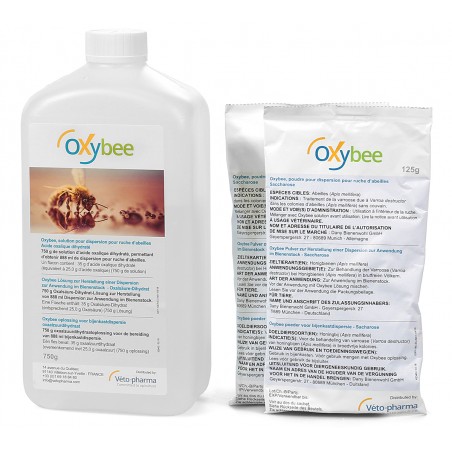



How to approach colony health
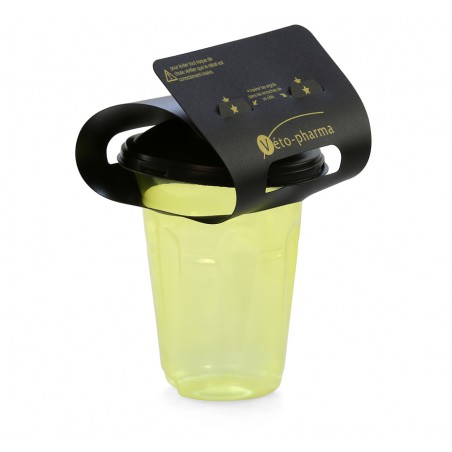
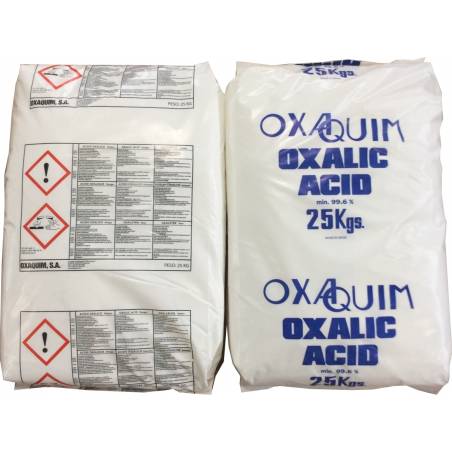
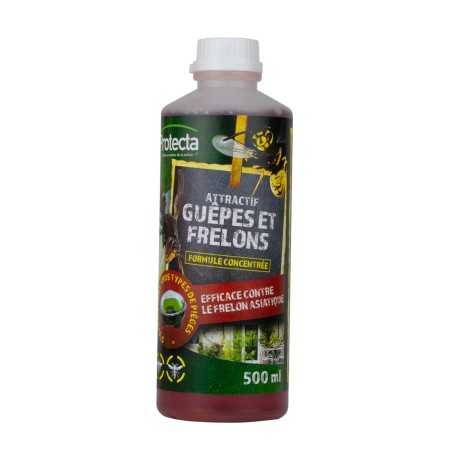
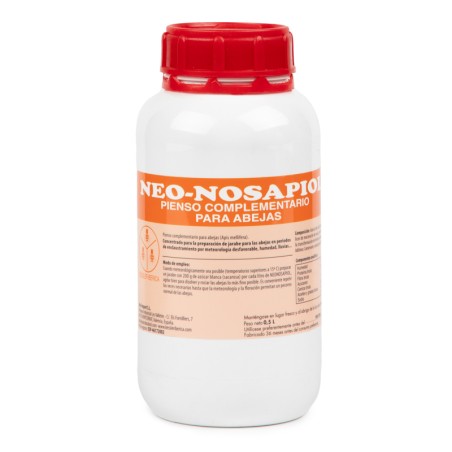
A colony's health doesn't start when you see the problem; it starts before, with observation, cleaning, wax renewal and data-based varroa control. This category has very different products: treatments, diagnostic material, sublimators, hygiene, wax-moth control, wasp traps and nutritional supplements. They don't all serve the same purpose, and that's one of the usual mistakes: buying “some health product” without being clear whether you want to measure, treat, prevent, clean, protect stored equipment or strengthen a weakened colony. For me, the first step is always to understand what's happening: checking brood, stores, population, symptoms, mite drop, treatment history and the stage of the season. Treating blindly can be expensive.
My advice is to choose each product within a plan, not as an improvised reaction. With varroa, I'd always look at the infestation level, the presence or absence of brood, temperature, removal of the honey supers, the duration of the treatment and an authorized product. If a treatment requires a prescription or veterinary indication, you have to respect it. Sublimators and vaporizers can be very useful tools, but they're not for using without protection or without properly understanding the colony's biological stage. Cleaning and hygiene products help reduce risks, but they don't replace a good diagnosis. And nutritional supplements can support a recovery, but they don't cure diseases. Here I'll take a clear stand: if you don't do counts or record treatments, you're managing blindly. The best health management isn't treating a lot; it's treating when it's due, with the right product, well applied and checking afterwards whether it worked.
Bee Health
This is the category where a mistake costs colonies. Four things order everything else.
1. Diagnose before treating
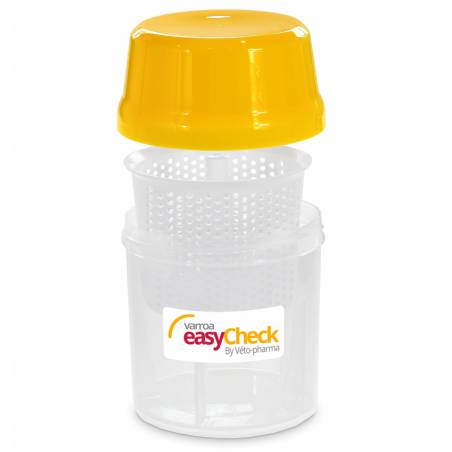
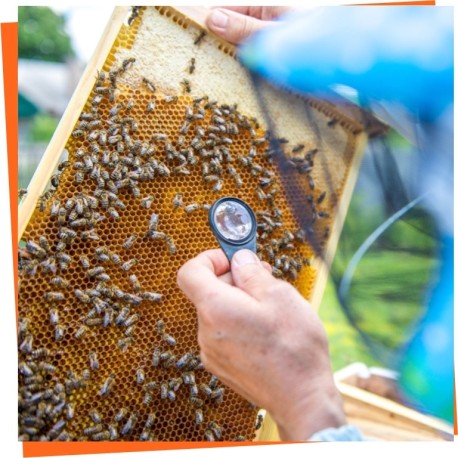
Treating without knowing the mite load wastes product and breeds resistance. The count — bottom board, alcohol wash or icing sugar — tells you whether to intervene and, afterwards, whether the treatment worked. A treatment with no follow-up efficacy check is not finished.
2. Authorised veterinary medicines only
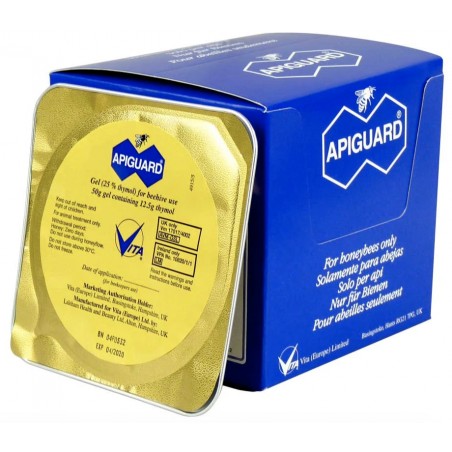
Against varroa you use what is registered as a veterinary medicine for bees, with its leaflet, its dose and its withdrawal period. No home formulas and no "reinforced" doses: raising the concentration does not raise efficacy, it harms the colony and leaves residue in wax and honey.
3. Rotate the active substance
Using the same product season after season selects resistant mites, and when resistance appears the treatment fails in exactly the year you need it most. Alternate chemical families between seasons and lean on complementary methods to reduce pressure.
4. The other fronts
Wax moth (in the store, not the hive), Asian hornet, chalkbrood, nosemosis, and equipment hygiene — what stops you carrying a problem from one apiary to another on your own hive tool.
Prescription medicines are in varroa medicines.