 Apipasta with vitamins 15kg
 Beecomplet® Spring 14Kg
 Beekeeper suit with round veil
 Oxalic acid 1kg
 Beeswax Foundation 5kg
 Fresh royal jelly 20g
 Classic honey jar 1kg comb-lines TO77 - Pack of 16 units
 Promotor L Apis 1 litre

 Share in WhatsApp
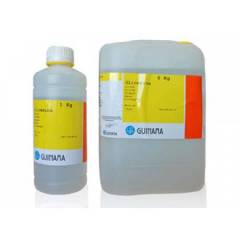
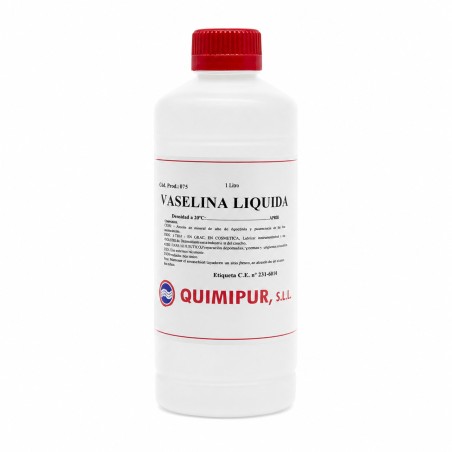
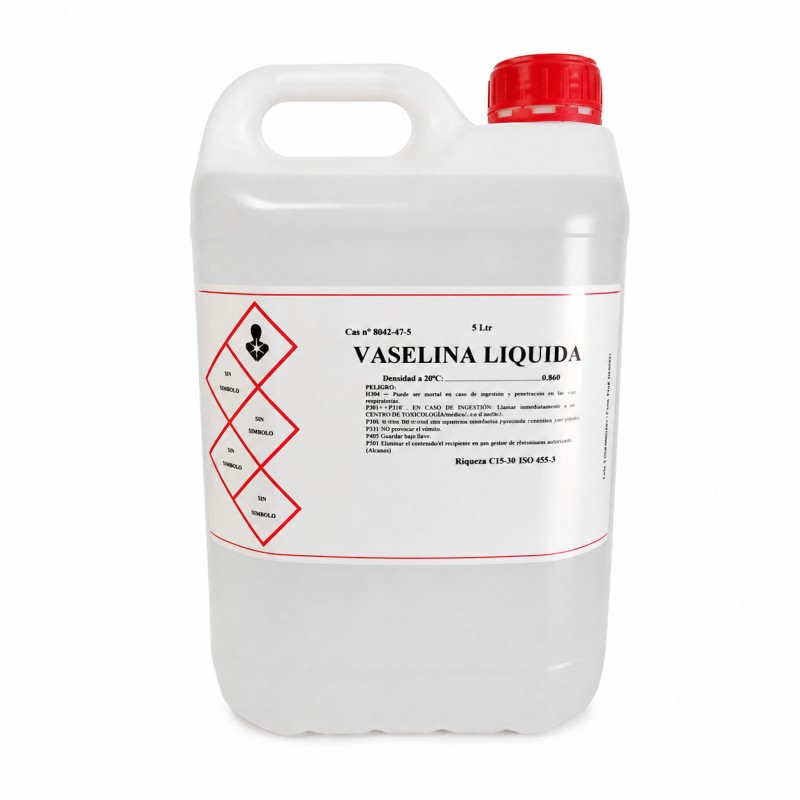
Liquid petroleum jelly (Vaseline), is a paraffinic mineral oil (liquid paraffin) that meets the specifications of major pharmacopoeias. Useful for different uses in beekeeping.
In a honey house almost nothing breaks outright. It seizes up: a thread, a shaft, a catch that one day stops turning.
Five-litre drum of liquid paraffin, highly refined, colourless and odourless, to pharmacopoeia quality. It is the workshop's maintenance lubricant: the one that does not go rancid, does not smell and leaves no crust.
01 · WHAT IT IS FOR
It goes on with a brush, a syringe or a sprayer, and being liquid it reaches where grease will not: threads, shafts, O-rings and catches on extractors, settling tanks, pumps, creamers and stands. It cuts wear, stops squeaks and means a part comes apart for cleaning instead of putting up a fight in mid-flow.
Unlike a vegetable oil, it does not go rancid or pick up smells over time — which matters in a workshop where everything ends up smelling of whatever is stored next to it.
Away from machinery it has one classic use: a film on the legs of hive stands leaves the surface slippery and makes life hard for ants.
02 · WHERE NOT TO PUT IT
It is a mineral oil, and that is where the limit lies: it goes on the mechanical part, not on surfaces the product runs over. Lubricating the thread of a tap, yes; smearing the inside of a tub or a comb, no.
The reason is food safety: mineral oil hydrocarbons are monitored contaminants in food, and honey is a product that gets analysed. Keeping to mechanical part yes, contact surface no settles the question in any particular case.
03 · IT IS NOT FOR COUNTING VARROA
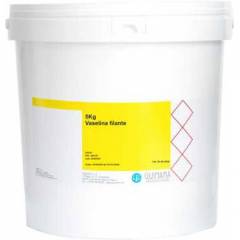
For the trays of screened floors the liquid grade is not the right one: it shifts with any tilt of the hive, the mites travel with it and you lose the information about where each one fell. For counts by zone you want petroleum jelly, which stays where you put it.
It also copes better with the swing in temperature: it does not turn into a puddle in August or craze in January.
04 · BEFORE YOU BUY
A workshop consumable in the large format:
| ✓ FITS | Honey houses and associations maintaining their own kit, refilling smaller bottles. |
| ✕ DOES NOT FIT | Varroa monitoring trays: petroleum jelly goes there. |
| ⚠ NOT INCLUDED | No applicator. The 5-litre drum is what ships. |
| Product | Liquid paraffin · highly refined |
|---|---|
| Quality | Meets pharmacopoeia specifications |
| Appearance | Colourless and odourless |
| Format | 5-litre drum |
| Application | Brush, syringe or sprayer |
| Use | Mechanical maintenance and external applications |
| Drum size | 8.5 × 8.5 × 23 cm |
| Reference | 120154-5LITER |
Specific References
1 file available

Liquid petroleum jelly (Vaseline), is a paraffinic mineral oil (liquid paraffin) that meets the specifications of major pharmacopoeias. Useful for different uses in beekeeping.
check_circle
check_circle