
-
Beehives
- Complete beehive
- Accessories
-
Nuc hives
- Nucs by format
- With bees & mating
- Spare parts
-
Bee equipment
- For the apiary
- For the beekeeper
-
Clothing
- Clothing Accessories
-
Beeswax
-
Pure beeswax
- Beeswax and foundation
- Beeswax foundations
- Melting and rolling beewax
-
Pure beeswax
-
Bee feed
- Accessories and source materials
- Utensils
-
Bee health
- Varroa Treatments
- Diseases control
- Nutraceuticals
-
Extraction and bottling
- Before extraction
- Honey extraction
- After extraction
-
Bee pollen
- Harvest
- Indicted
-
Honey packaging
- Flasks per utility
- Flasks by size
- Other packaging
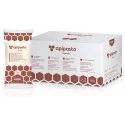 Apipasta with vitamins 15kg
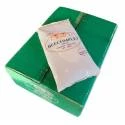 Beecomplet® Spring 14Kg
 Beekeeper suit with round veil
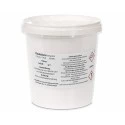 Oxalic acid 1kg
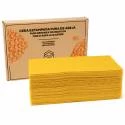 Beeswax Foundation 5kg
 Fresh royal jelly 20g
 Classic honey jar 1kg comb-lines TO77 - Pack of 16 units
 Promotor L Apis 1 litre
Shipping and introduction of queens
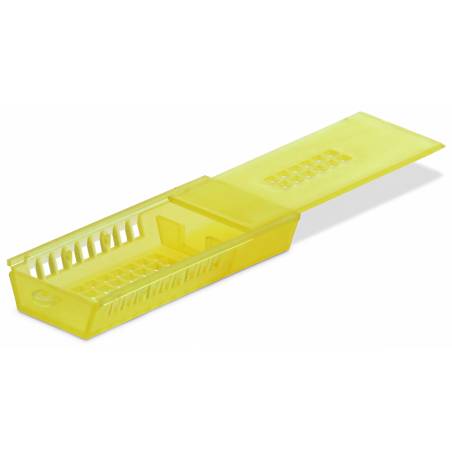
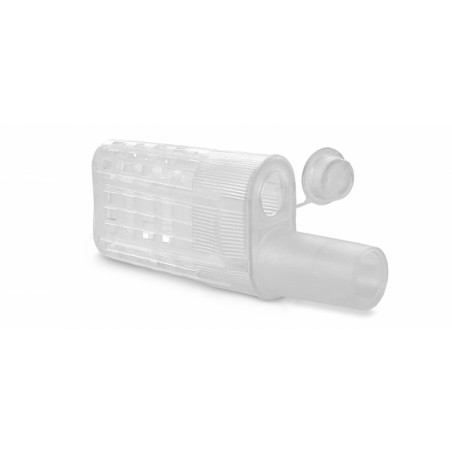
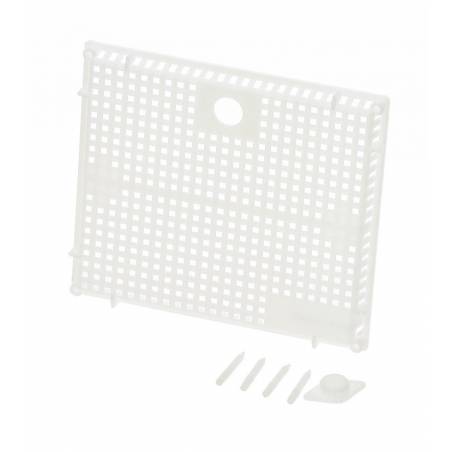
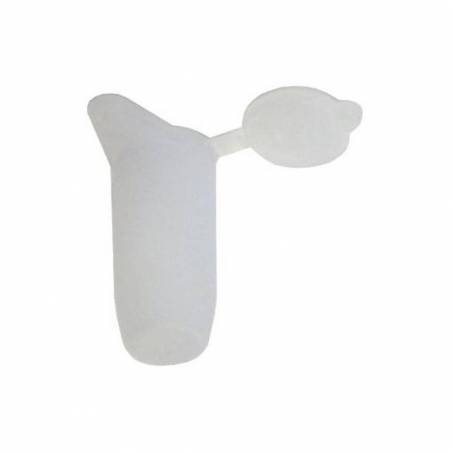
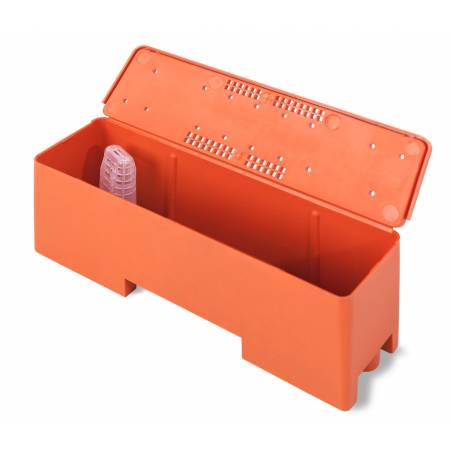
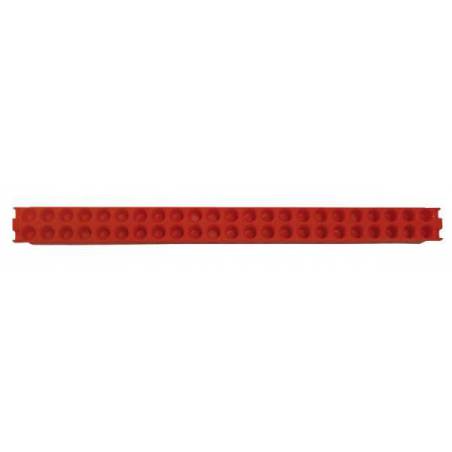
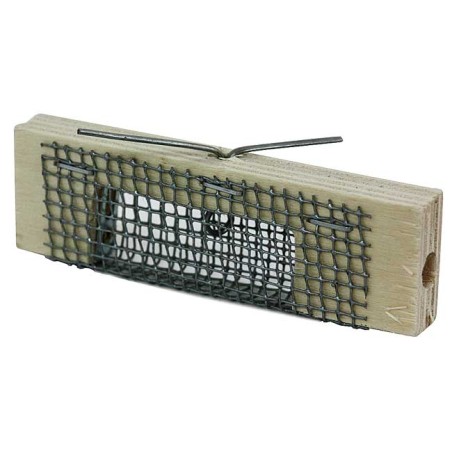
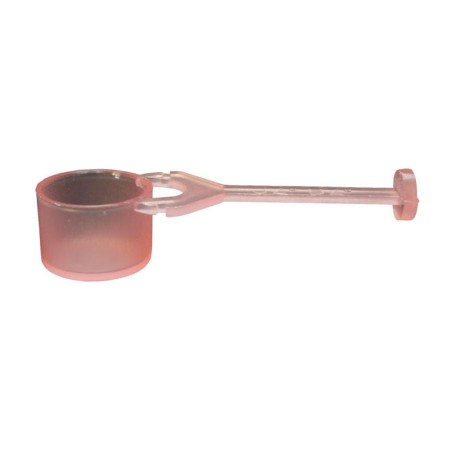
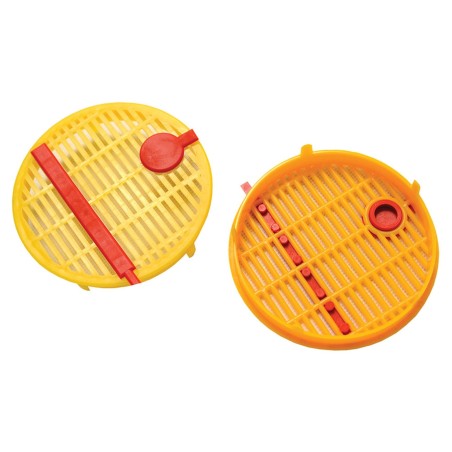
NICOT® and JZBZ® shipping cages, push-in introduction cages, KNE9 introduction cells and shipping accessories. Choose the system to suit the queen and the preparation of the receiving colony.

My advice for introducing a queen
I would prepare the receiving colony before ordering the queen: decide whether she will be a virgin or a mated queen and which method to use, and have the cage, food and equipment ready. If the queen arrives early, she can wait up to a week in her cage in a dark, cool place, with the fondant topped up; there is no need to rush her into a colony that is not ready.
And here I take a clear stand: once she is in, I would not open the hive for 10–12 days. That is the time the colony needs to accept her and for her to start laying undisturbed; opening earlier risks the bees balling her. I would record the queen’s origin, the date and the outcome: if an attempt fails, that record tells you what to review.
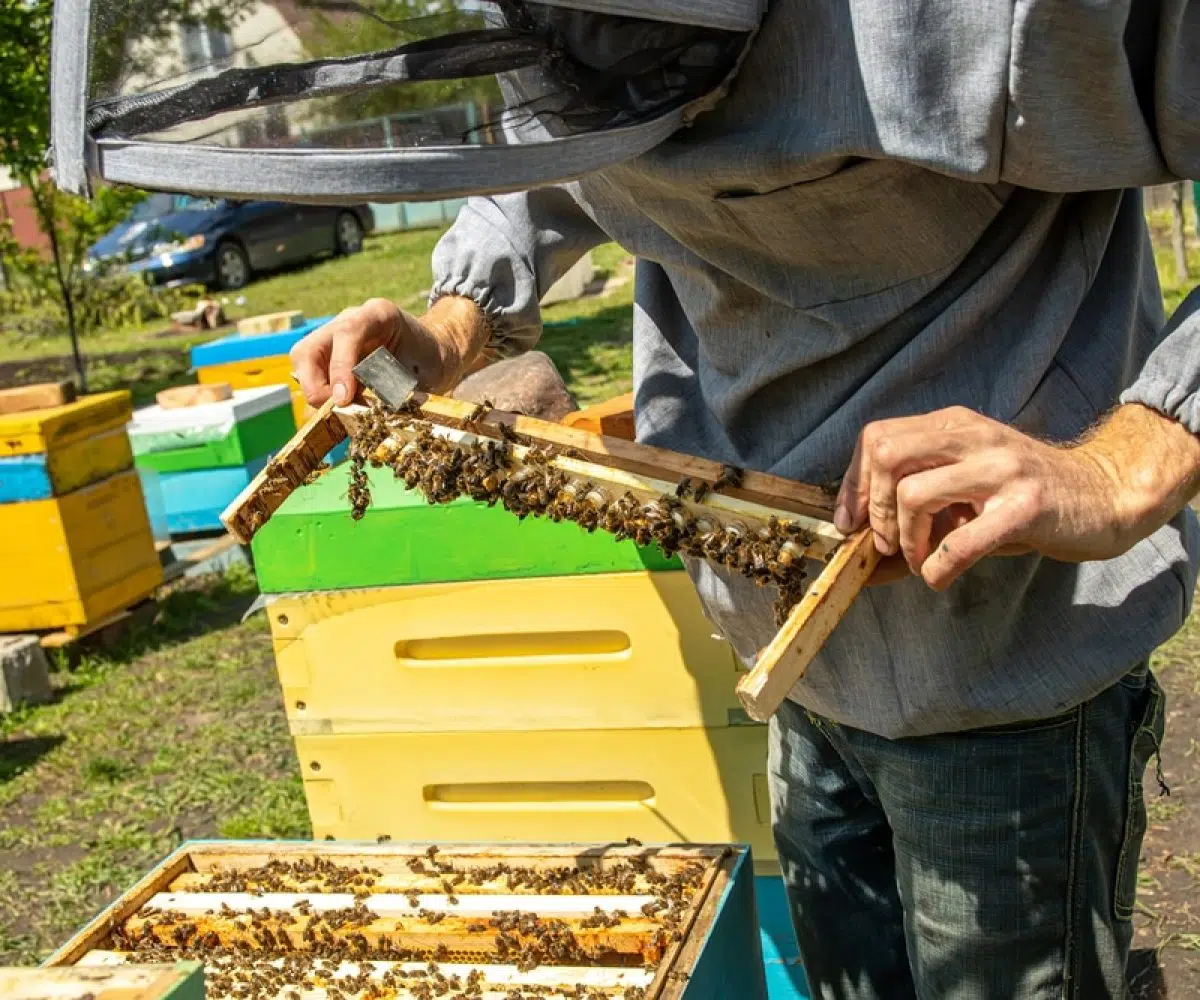
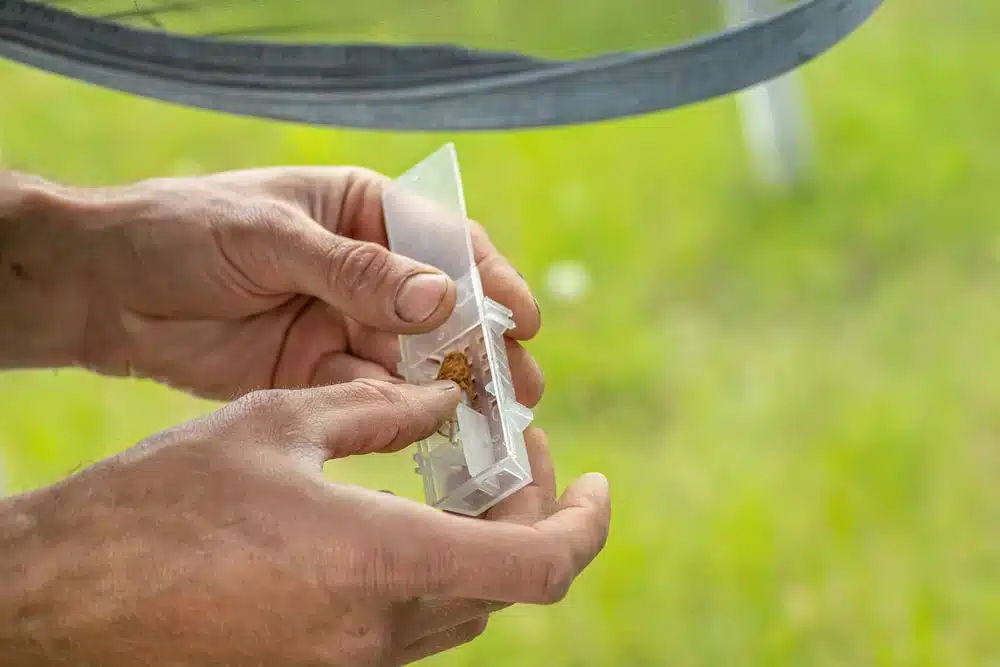
Shipping and introduction of queens
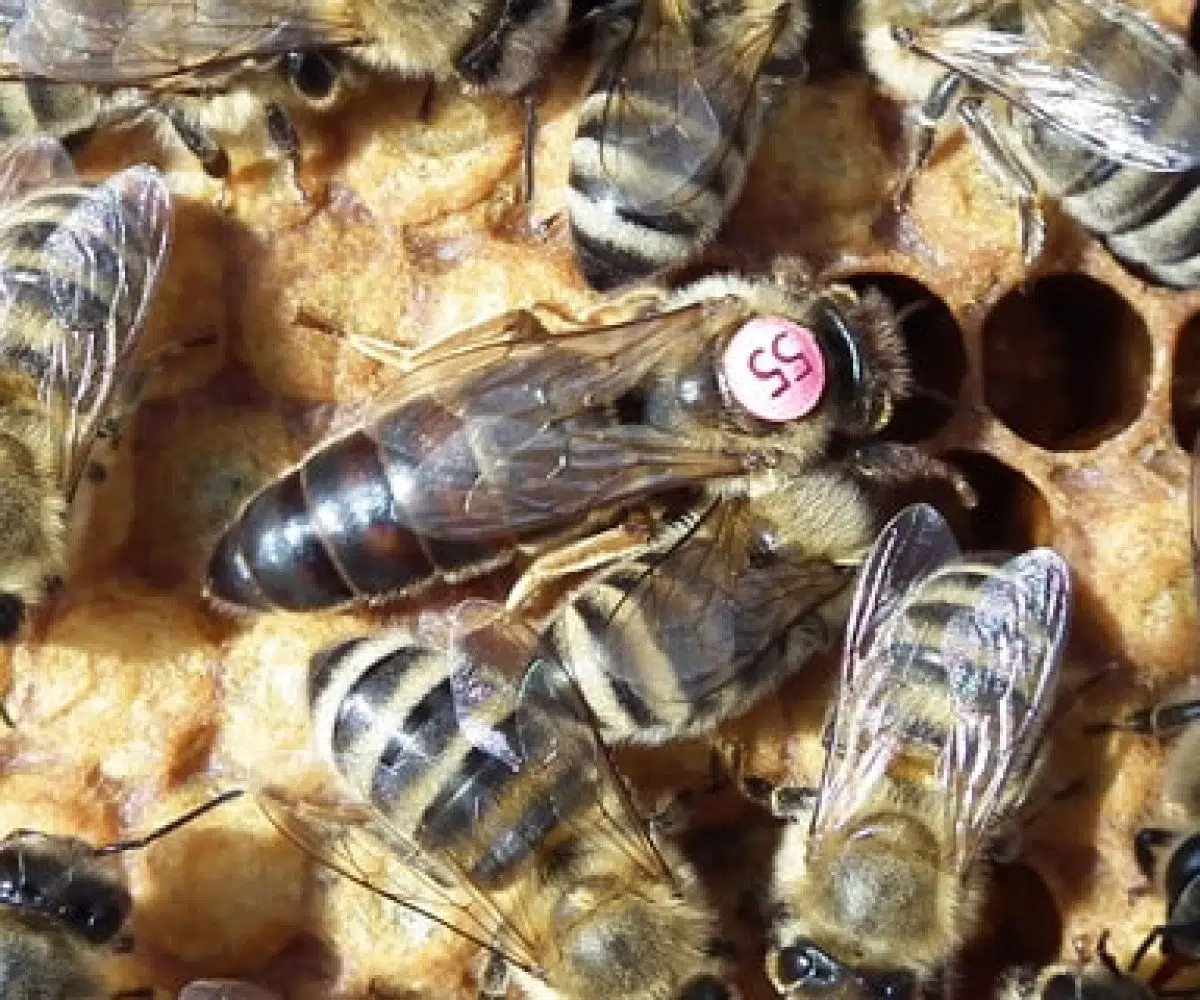
Choose for the type of queen
- NICOT® and JZBZ® shipping cages. For transport and, depending on the model, introduction. Check how to prepare the food compartment and what is supplied.
- Push-in introduction cages. For introducing a mated queen over a prepared area of comb, following the instructions for that model.
- KNE9 introduction cells. For a method of introducing virgin queens. Preparation and release differ from those of a cage with fondant.
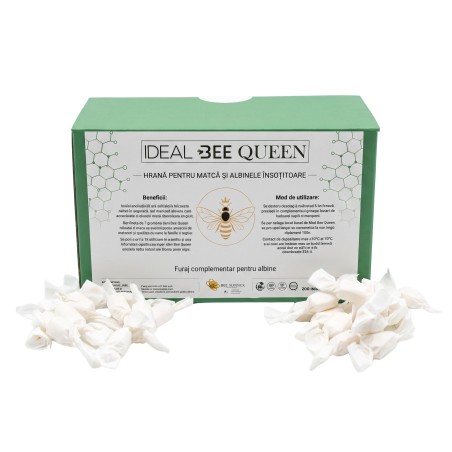
What the fondant does
In cages using this system, workers eat the fondant and gradually open the exit: it usually takes them one to three days, the time the colony needs to get used to the new queen’s scent. That is why releasing her by hand on the first day is best avoided. Even so, an open exit does not prove acceptance: the rate depends on the cage, the food and the state of the colony.
Prepare the receiving colony
The colony must be genuinely queenless and free of its own queen cells: if it has any under way, remove them before putting in the cage, as it will normally favour its own. As a guide, the cage goes in after about 24 hours of queenlessness if the queen travels with bees from that same colony, and after about 48 if not. Before hanging the cage, rest it on the top bars for a moment and watch how the bees react: if they cling to the mesh and bite it, that is rejection and it is better to wait; if they are calm and feed her through the mesh, things are going well. After that, do not open the hive again for 10–12 days.
If the queen arrives before the colony is ready, she can wait up to a week in her cage in a dark, cool place, with the fondant topped up as it is eaten; in hot, dry weather, lay a damp cloth over the cages.
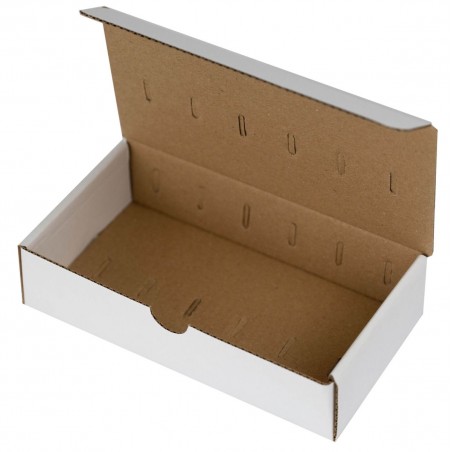
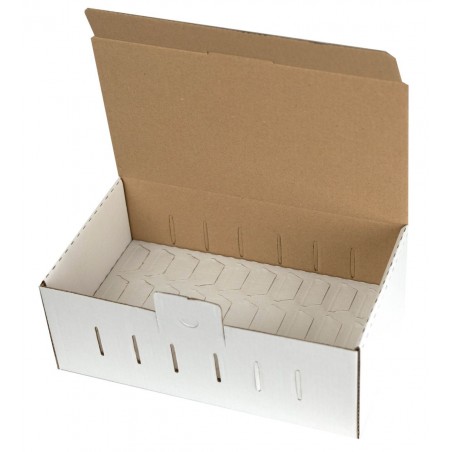
When shipping several queens, choose holders or boxes compatible with the cages being used and keep their ventilation clear. Packaging and introduction equipment have different jobs.
See the queen-rearing equipment and queen-marking tools for the other stages of the work.