
-
Beehives
- Complete beehive
- Accessories
-
Nuc hives
- Nucs by format
- With bees & mating
- Spare parts
-
Bee equipment
- For the apiary
- For the beekeeper
-
Clothing
- Clothing Accessories
-
Beeswax
-
Pure beeswax
- Beeswax and foundation
- Beeswax foundations
- Melting and rolling beewax
-
Pure beeswax
-
Bee feed
- Accessories and source materials
- Utensils
-
Bee health
- Varroa Treatments
- Diseases control
- Nutraceuticals
-
Extraction and bottling
- Before extraction
- Honey extraction
- After extraction
-
Bee pollen
- Harvest
- Indicted
-
Honey packaging
- Flasks per utility
- Flasks by size
- Other packaging
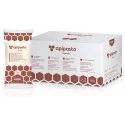 Apipasta with vitamins 15kg
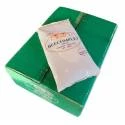 Beecomplet® Spring 14Kg
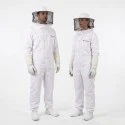 Beekeeper suit with round veil
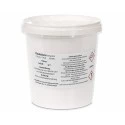 Oxalic acid 1kg
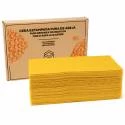 Beeswax Foundation 5kg
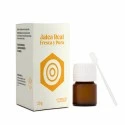 Fresh royal jelly 20g
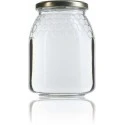 Classic honey jar 1kg comb-lines TO77 - Pack of 16 units
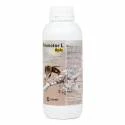 Promotor L Apis 1 litre
Vitamins and amino acids
Vitamin and amino-acid additions for bee syrup: Apimida, Apifit, ascorbic acid, amino acids and multivitamin complexes. From €3.52 to €60.44.
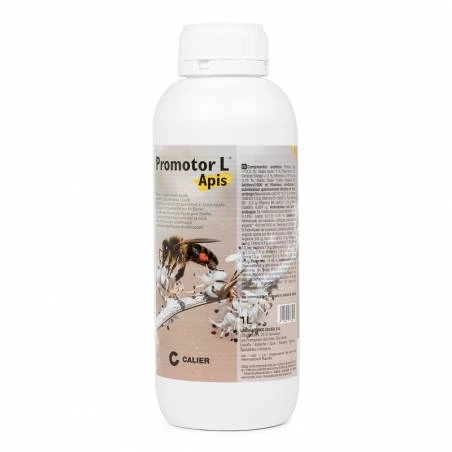
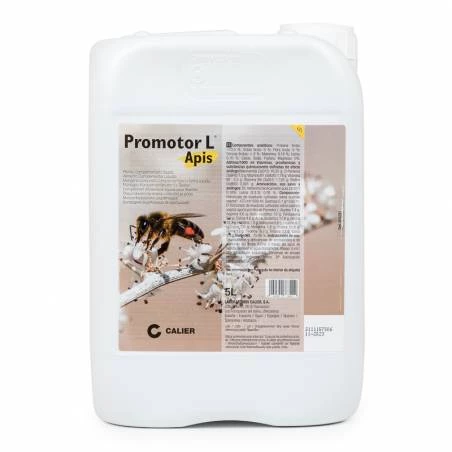
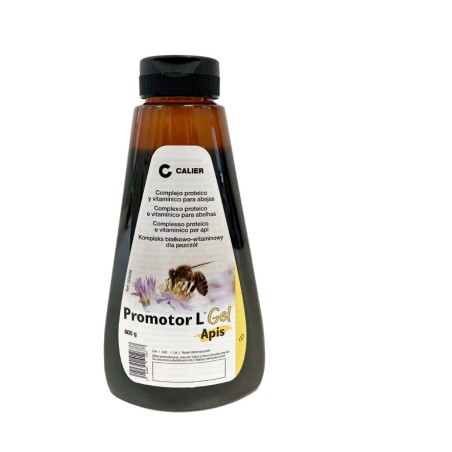
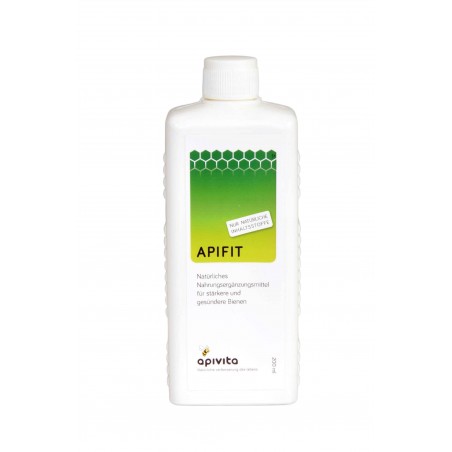
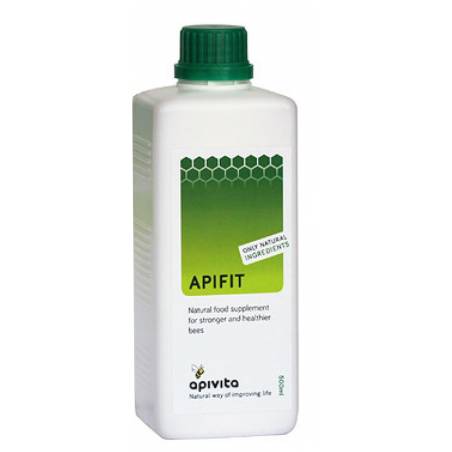
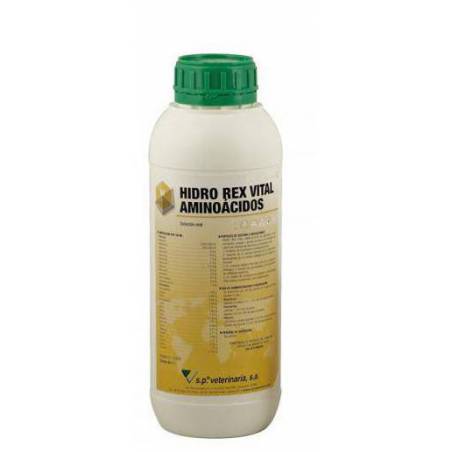
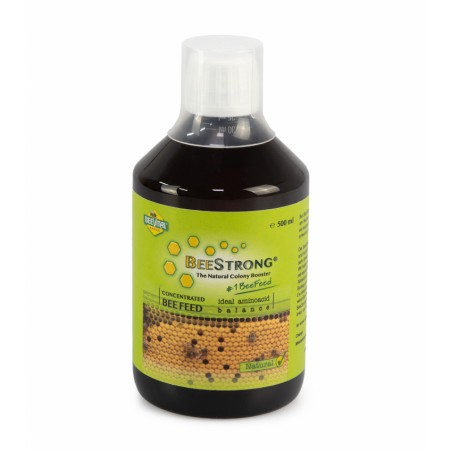
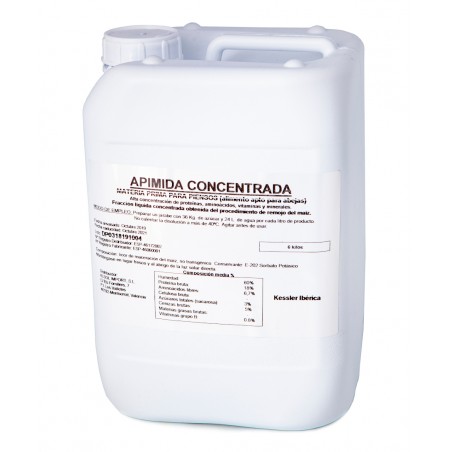
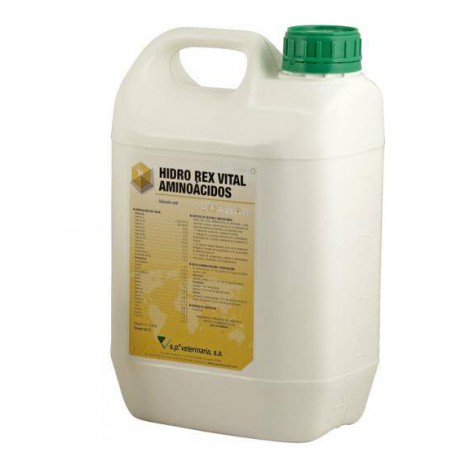
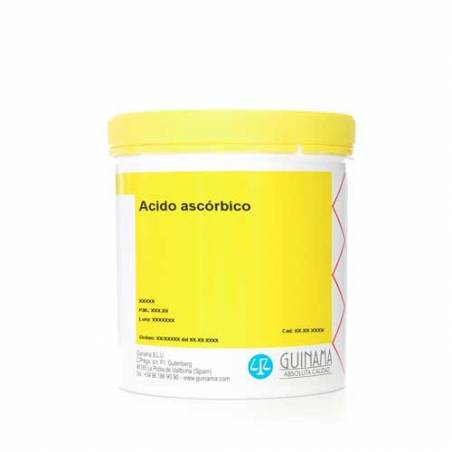
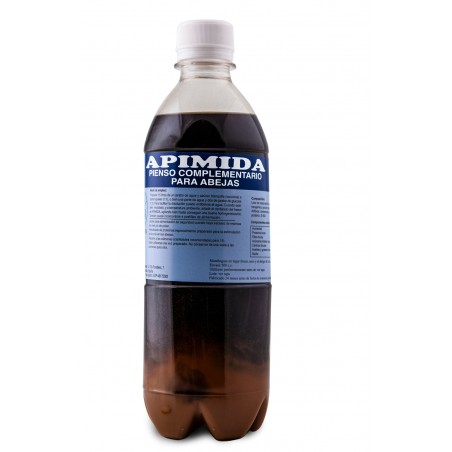
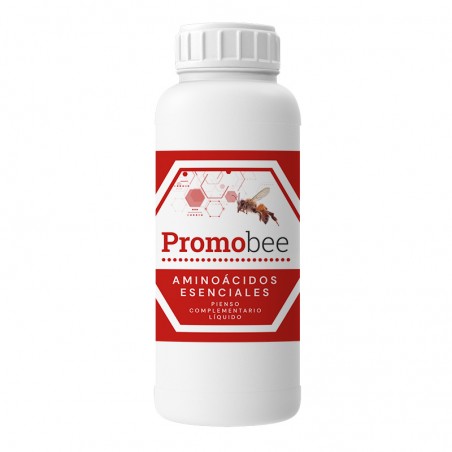
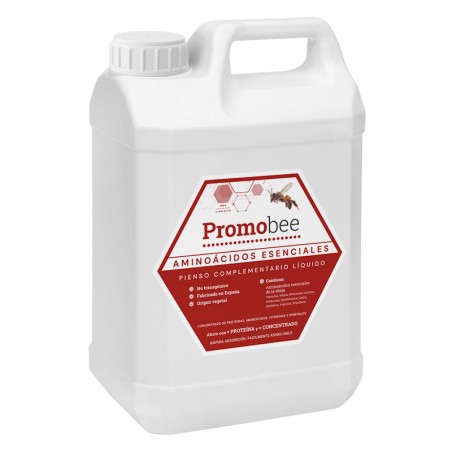
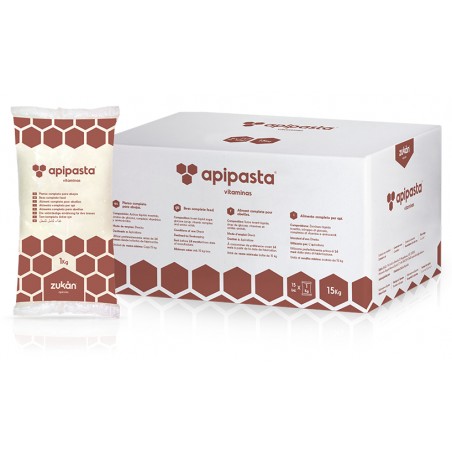
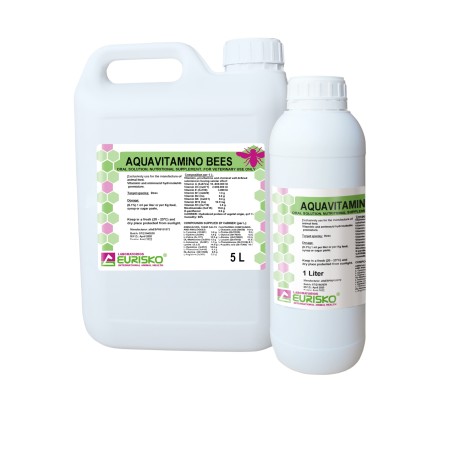
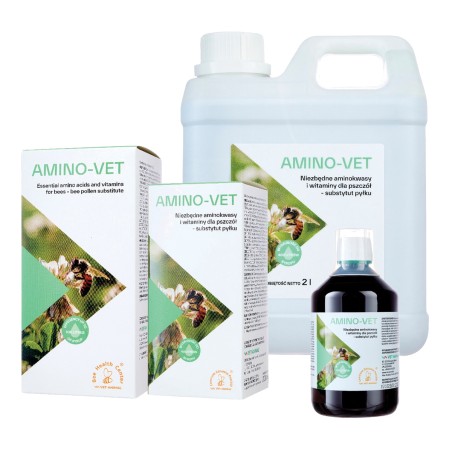
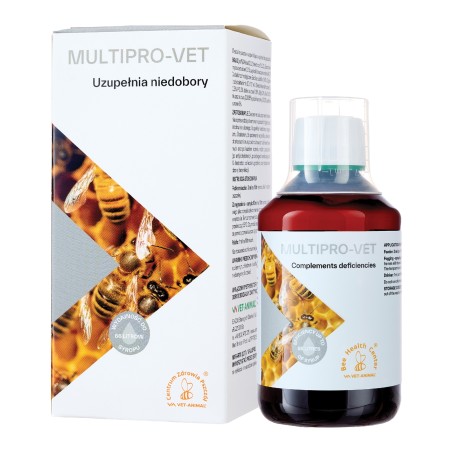
Vitamins and amino acids
These are additives and supplements intended for bees, not medicines. They are diluted in the syrup and add vitamins or amino acids the colony is not finding in the field.
Where bees normally get their vitamins
From pollen. Varied pollen covers the colony's protein, amino-acid and vitamin needs without you doing anything. So the moment to consider an addition is not "just in case", but when pollen income is scarce or monotonous: a monoculture, a long emergence from winter, an apiary in poor country.
When they make sense and when not
They make sense alongside stimulation, in colonies that are recovering, and in queen rearing, where the quality of larval nutrition shows in the resulting queen.
They do not make sense as a substitute for pollen or a protein substitute: a vitamin does not supply protein, and what a colony lacks after a hard spell is protein. Nor do they replace or accompany treatment when there is disease: that is diagnosis and a vet.
The dose
The one on the container. Doubling it does not double the effect — it changes the syrup's osmolarity and can make the colony refuse it, which is the opposite of what you wanted.
Protein is in nutritional supplements; the base syrup in stimulation feed.
When can a vitamin supplement be useful for bees?
Vitamins form part of the nutrition that bees obtain mainly from pollen. A supplement may be appropriate when pollen intake is scarce or lacks variety and it is used within a diet formulated to cover that shortage. It does not replace the sugars that provide energy, or the protein, fats and minerals required in a complete feed.
The decision should be based on the colony’s condition and the product’s declared composition. A multivitamin alone does not guarantee more brood, immunity or production, and adding it without a plan may duplicate ingredients already present in another feed.
What role do amino acids play in bee nutrition?
Amino acids are the building blocks from which bees make proteins. The colony obtains them from the protein fraction of pollen, and their balance is as important as the total amount: a diet may contain protein yet still be limited if essential amino acids are missing or poorly balanced.
A supplement should therefore not be judged on a high protein percentage alone. Consider the source, amino-acid profile, digestibility, other nutrients and acceptance by the bees. If varied pollen is coming in at an adequate rate, amino acids need not be added routinely.
How are vitamins and amino acids given to bees?
It depends on the formulation. Some products are diluted in syrup; others are mixed into a paste or patty, and some are already included in a complete feed. Follow the dose, mixing order, temperature and consumption period on the label: changing the carrier or concentration may affect stability and acceptance.
Prepare only the amount required, mix it evenly and provide it protected inside the hive or as directed by the manufacturer. Do not combine several supplements without comparing their compositions, as this may duplicate ingredients or make the mixture incompatible.
When is it appropriate to use these supplements?
When there is a nutritional reason: low pollen intake or poor pollen diversity, inadequate bee-bread stores, or a complete feeding programme that calls for the supplement. They may also form part of a plan ahead of a specific management date, provided the colony has enough bees, suitable temperature and sufficient energy to respond.
They should not be used as an automatic ‘insurance policy’ after every move or treatment. First check resources, brood, population and bee health; then select a formulation whose composition and directions suit the objective. During a crop intended for marketable honey, avoid feed that may end up stored in the supers.
Are they compatible with other nutritional supplements?
This cannot be assumed. Compatibility depends on the composition, pH, concentration and method of administration of each product. Two different supplements may repeat vitamins or amino acids, change a patty’s texture or reduce a syrup’s stability.
Combine them only when the label or technical sheet allows it, and calculate the dose for the final mixture. If the directions are unclear, ask the manufacturer or give the products separately. Recording what is supplied, how much and for how long helps assess consumption and avoid duplication.