
-
Beehives
- Complete beehive
- Accessories
-
Nuc hives
- Nucs by format
- With bees & mating
- Spare parts
-
Bee equipment
- For the apiary
- For the beekeeper
-
Clothing
- Clothing Accessories
-
Beeswax
-
Pure beeswax
- Beeswax and foundation
- Beeswax foundations
- Melting and rolling beewax
-
Pure beeswax
-
Bee feed
- Accessories and source materials
- Utensils
-
Bee health
- Varroa Treatments
- Diseases control
- Nutraceuticals
-
Extraction and bottling
- Before extraction
- Honey extraction
- After extraction
-
Bee pollen
- Harvest
- Indicted
-
Honey packaging
- Flasks per utility
- Flasks by size
- Other packaging
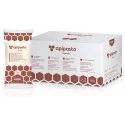 Apipasta with vitamins 15kg
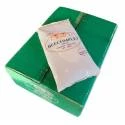 Beecomplet® Spring 14Kg
 Beekeeper suit with round veil
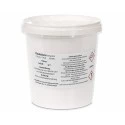 Oxalic acid 1kg
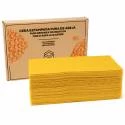 Beeswax Foundation 5kg
 Fresh royal jelly 20g
 Classic honey jar 1kg comb-lines TO77 - Pack of 16 units
 Promotor L Apis 1 litre
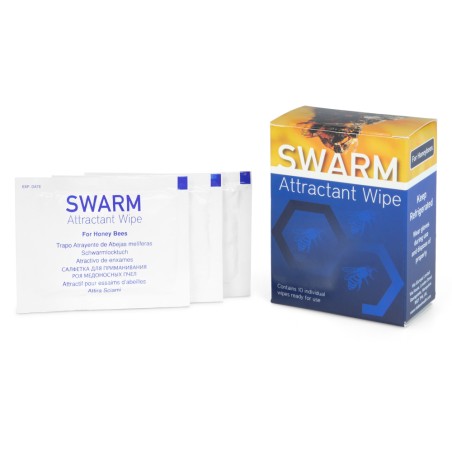
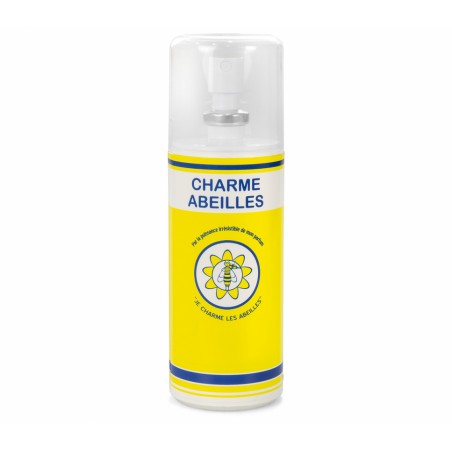
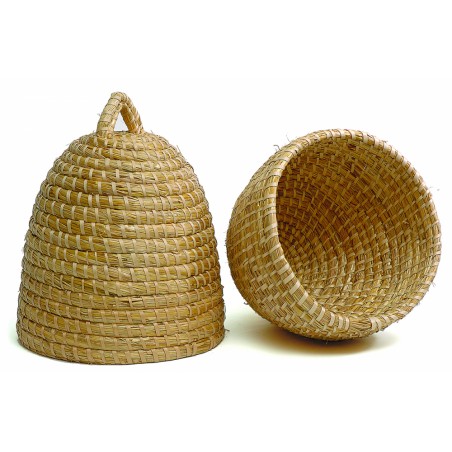
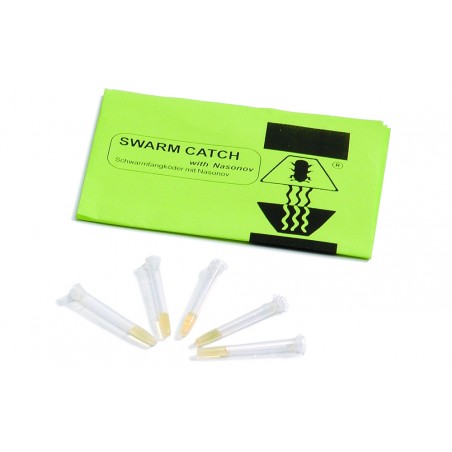
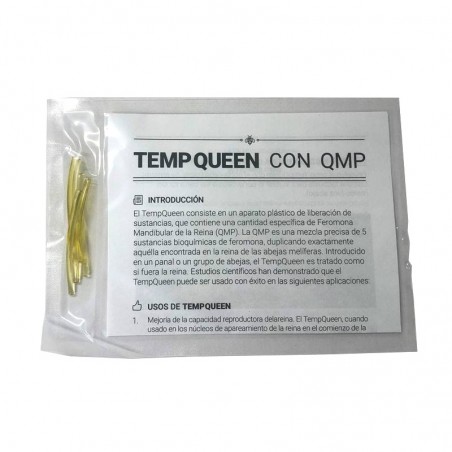
Swarm Attractant Lures
Swarm lures in paste, spray and balm, Nasonov pheromone, swarm traps and transport bags. From €2.49 to €549.
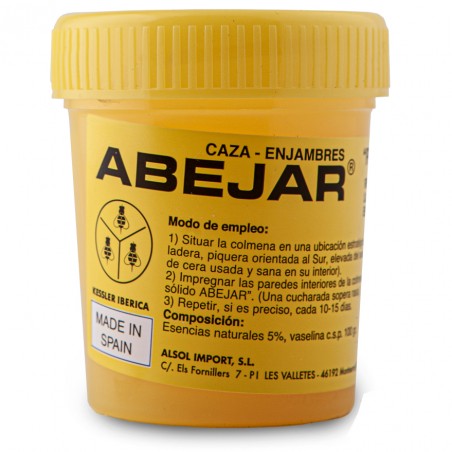

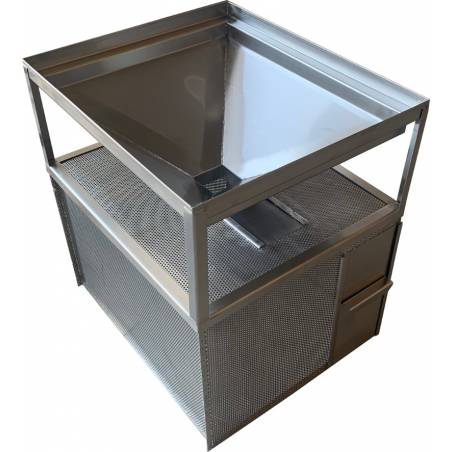
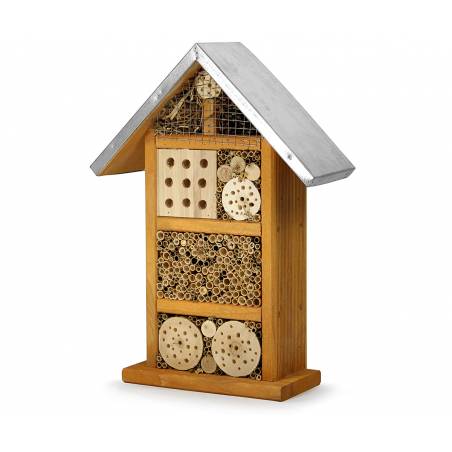
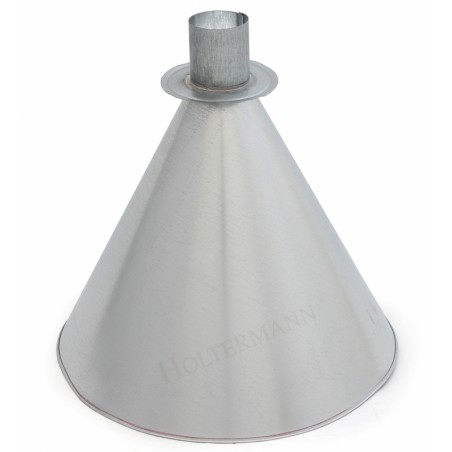
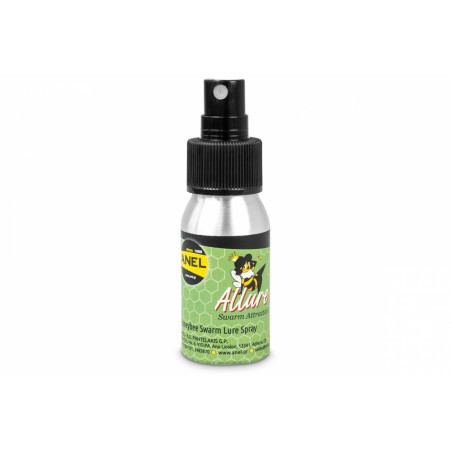
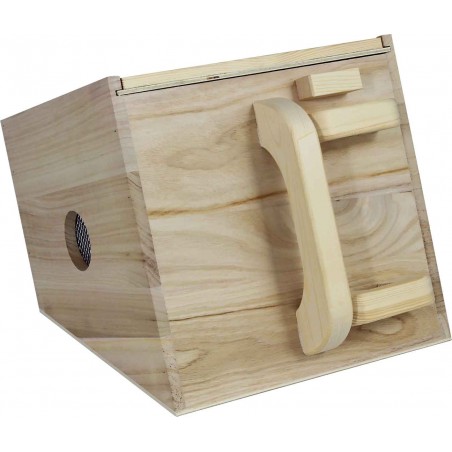
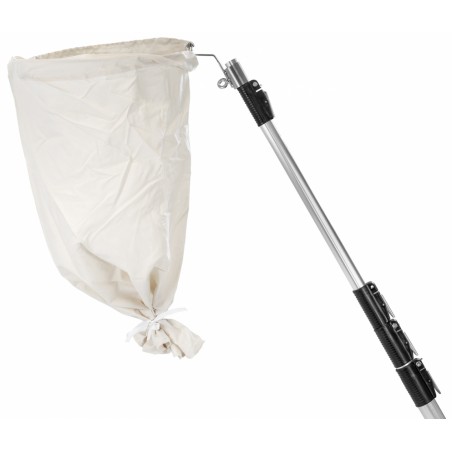
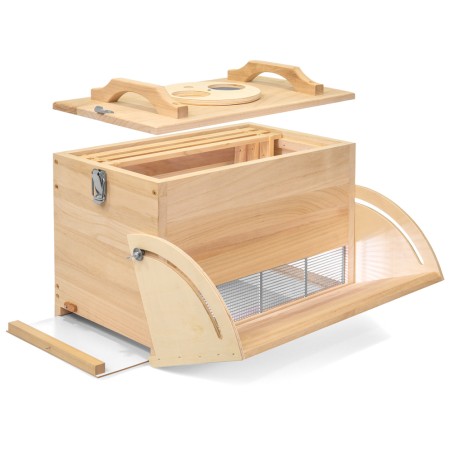
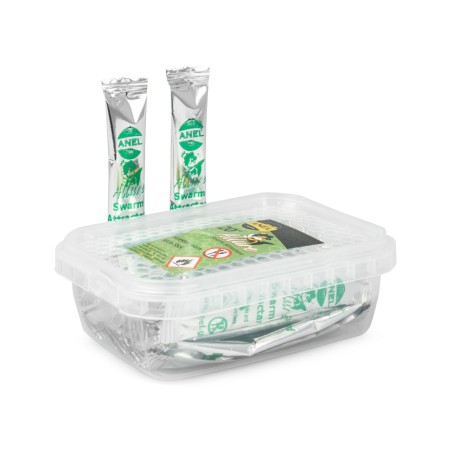
Swarm traps: what to expect and how to use them well
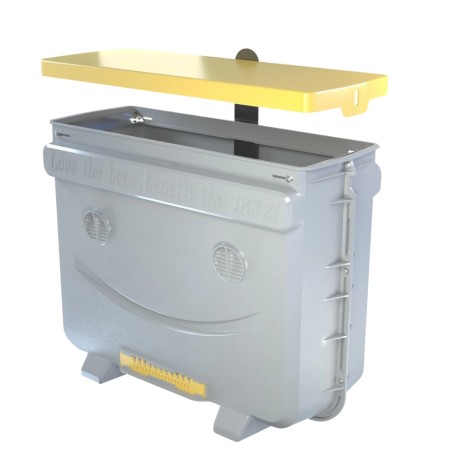
Swarm traps, attractant pastes, bags and traps make sense when we want to increase the chances of catching a swarm, but it's worth understanding well what we're buying. A swarm doesn't appear “out of nowhere”: it usually comes from a colony that has reached a point of crowding, lack of space, an excess of young bees, an old queen or a strong reproductive urge. The attractant can help that swarm choose a particular box, bag or trap, but it doesn't turn a bad location into a good one nor make up for a poorly placed trap. For me, what matters is preparing an attractive spot: adequate volume, hive scent, partial shade, a protected entrance, good ventilation and a calm placement, without handling it every couple of days.
And here I'll take a clear stand, especially for those starting out: I wouldn't begin in beekeeping expecting to put out an attractant paste and have bees show up. It can happen, of course, but it can also not happen all season. If you want to start with some certainty, the most sensible thing is to buy an already-established nucleus colony, with a queen, brood, stores and more controlled health. I'd use the swarm trap as a complement: if you catch something, all the better; but I wouldn't make it the basis of your beekeeping project. Besides, a captured swarm needs management: checking the queen, moving it to a suitable hive, monitoring stores, watching for varroa and giving it space when needed.
My advice is to use these products with a practical mindset. They're useful for recovering swarms from the area, making the most of the season and reducing losses if a nearby colony swarms, but they don't replace management. To control swarming you have to inspect in spring, watch for queen cells, give space in time, requeen when due and prevent the brood chamber from getting blocked. Before buying, I'd look at the type of trap, ease of transport, material strength, ventilation, reusability and how the attractant is applied. Better a simple, well-placed trap than three products put out late, in the sun and without criteria. With swarms, the window is short; having the equipment ready before spring makes the difference.
Swarm Attractant Lures
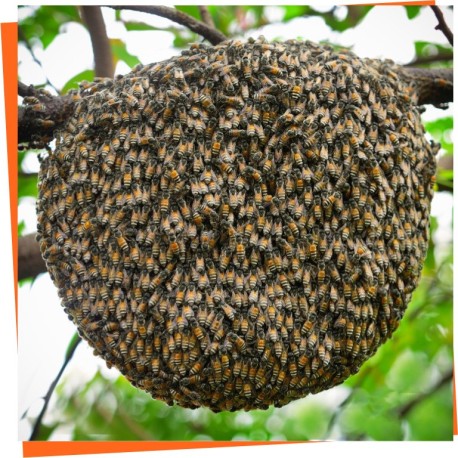
Collecting a swarm is free. Losing it because you did not have the box ready is not.
How the lures work
The key product imitates the Nasonov pheromone, the one the bees themselves release to regroup: when a scout lands somewhere good, she fans that signal and the others come. A trap charged with it does not summon a swarm that does not exist — what it does is win the competition against a hollow tree or the neighbour's meter box.
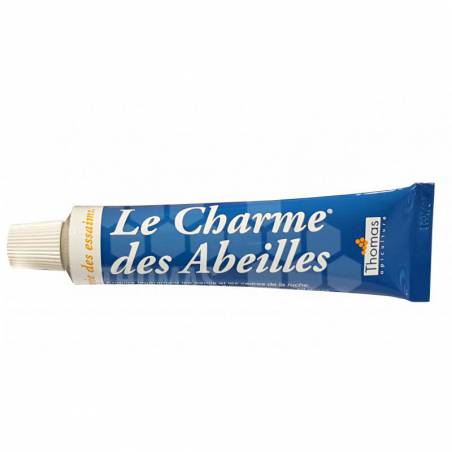
They come in three formats and the practical difference is how long they last: the paste (€2.49) is the cheapest and holds up well inside a closed box; the spray (€5.50) and the 500 ml aerosol (€13.95) cover more surface and are handier in the field but evaporate sooner; the balm (€7.50) works well on the entrance frame. And there is the Nasonov pheromone Swarmcatcher (€15.75), the slow-release format.
When to set it
Swarming has a season: spring, when the colony is strong and short of space. The trap goes up before it starts, not when you have already seen the first one, because by then the scouts have been house-hunting for days. Put it high, in shade, oriented away from the prevailing wind, and check it.
What to have ready beforehand
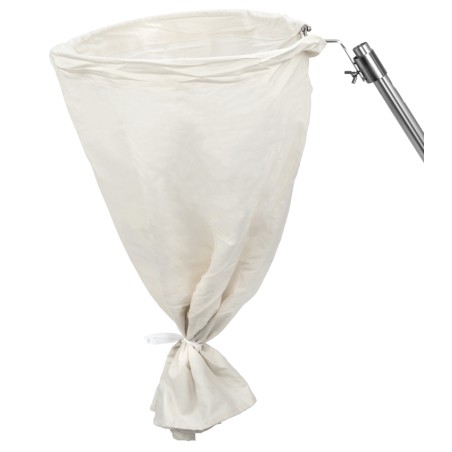
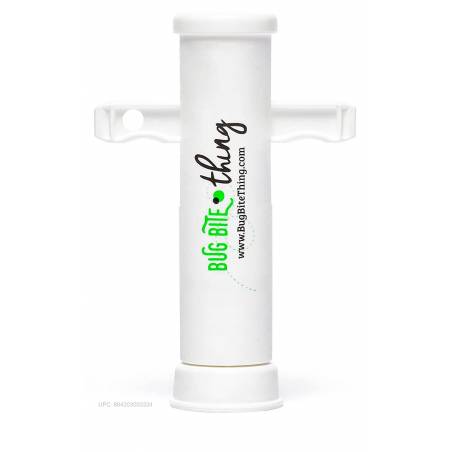
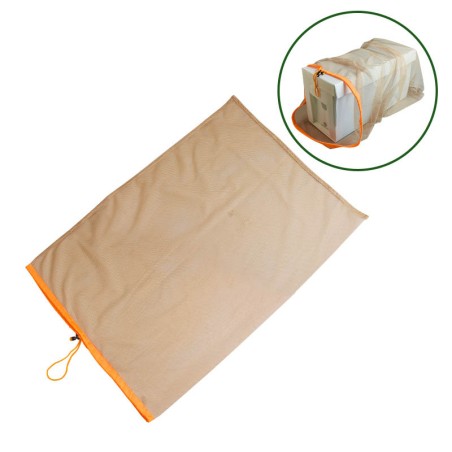
A transport bag for nuclei with live bees (€7.55) or a prepared box. Collecting a swarm and having nowhere to put it is the commonest way of losing it. And if something stings you in the process, the Bug Bite Thing® (€9.90) is a mechanical suction extractor, no chemicals.
A collected swarm is a free colony, but of unknown origin: keep it apart from the rest of the apiary for a while and watch it. If what you want is known genetics and documented health, that is live material, not swarm catching.
When is the best time to catch swarms?
The best time to catch bee swarms usually coincides with the swarming season, when bee colonies divide and form new swarms. That season varies with the climate and the geographical location, but in most regions it tends to fall in spring and early summer, when colonies are at their peak in population and resources.
What is the best lure for bees?
One of the most effective ways to attract bees into a swarm trap is with bee pheromones, specifically queen pheromone or swarm lure, available from La Tienda del Apicultor.
Another commonly used attractant is beeswax, especially old wax combs. You can rub the inside of the trap with old beeswax or even with propolis. That is why we say an old nuc box can be very attractive to a swarm.
The most common choice among beekeepers, though, is products based on lemon or lemongrass essential oil, since these scents are thought to mimic the queen's pheromones.
Where should swarm traps be placed?
Swarm traps should be placed in areas where bees are known to be present, and preferably high up, since bees tend to prefer establishing their colonies some way off the ground.
The sites should also be relatively quiet and not too exposed to wind. They should get good sun, but with some shade available as shelter from extreme heat.
Tip: if you know of an apiary nearby, it is a good idea to place the swarm trap within a short radius, since swarms are unlikely to travel far from the original hive.