
-
Beehives
- Complete beehive
- Accessories
-
Nuc hives
- Nucs by format
- With bees & mating
- Spare parts
-
Bee equipment
- For the apiary
- For the beekeeper
-
Clothing
- Clothing Accessories
-
Beeswax
-
Pure beeswax
- Beeswax and foundation
- Beeswax foundations
- Melting and rolling beewax
-
Pure beeswax
-
Bee feed
- Accessories and source materials
- Utensils
-
Bee health
- Varroa Treatments
- Diseases control
- Nutraceuticals
-
Extraction and bottling
- Before extraction
- Honey extraction
- After extraction
-
Bee pollen
- Harvest
- Indicted
-
Honey packaging
- Flasks per utility
- Flasks by size
- Other packaging
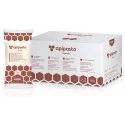 Apipasta with vitamins 15kg
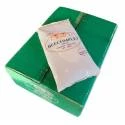 Beecomplet® Spring 14Kg
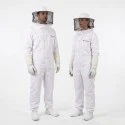 Beekeeper suit with round veil
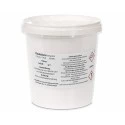 Oxalic acid 1kg
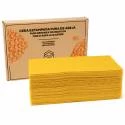 Beeswax Foundation 5kg
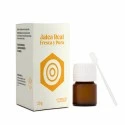 Fresh royal jelly 20g
 Classic honey jar 1kg comb-lines TO77 - Pack of 16 units
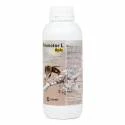 Promotor L Apis 1 litre
Complementary fight against varroa
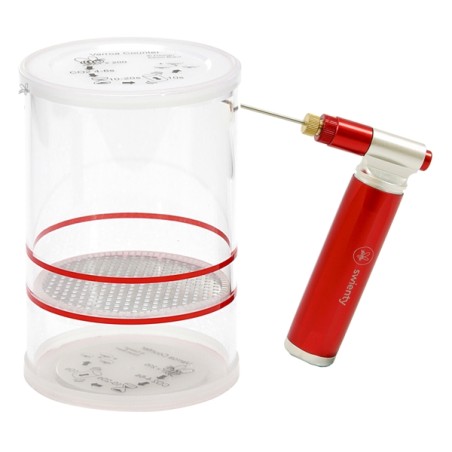
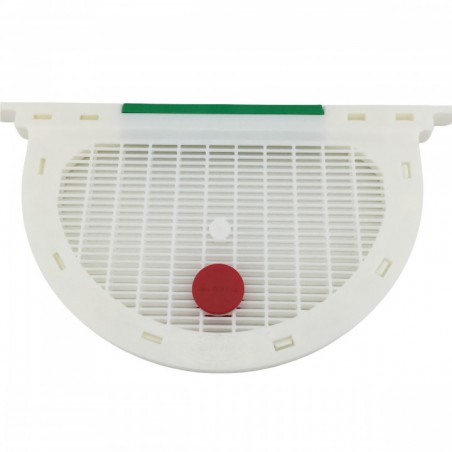
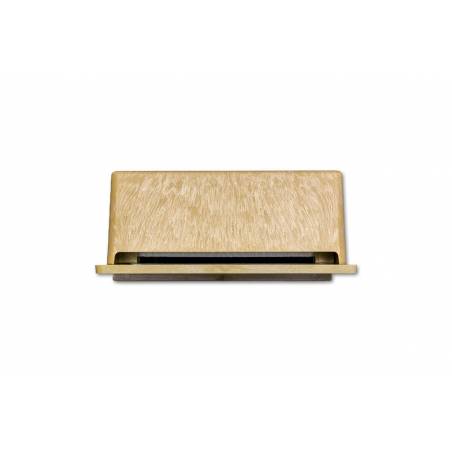
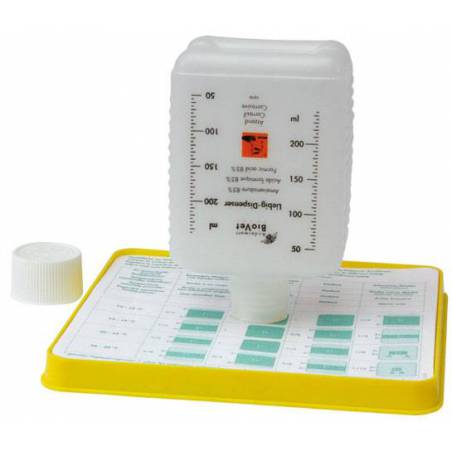
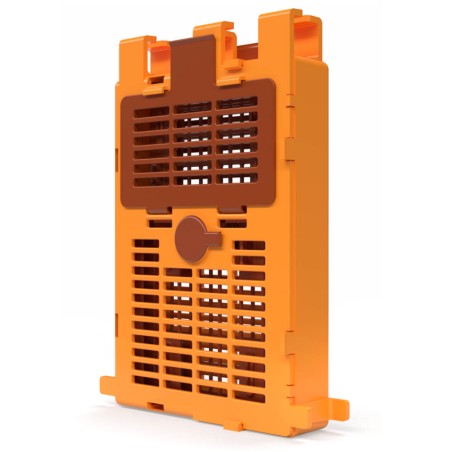
Cages to block laying, drone-cell and 4.9 mm plastic frames, Liebig diffusers, evaporators and sponges. From €0.48 to €60.
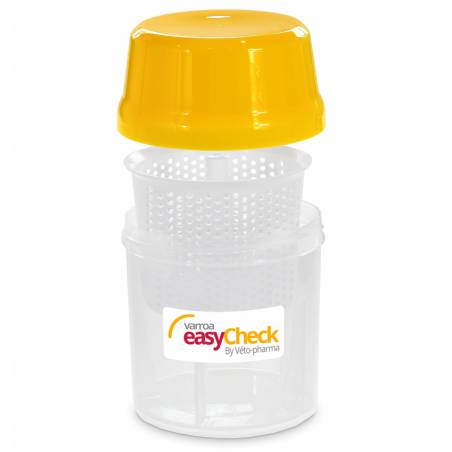

How to approach varroa control
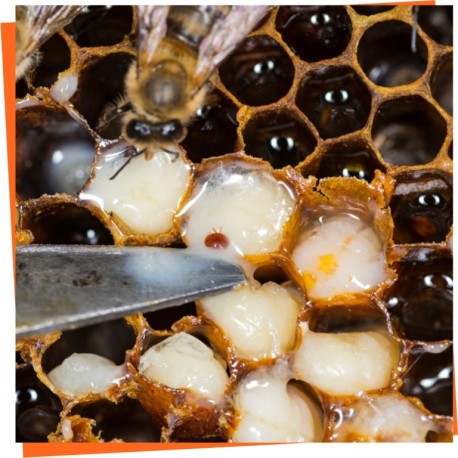
Varroa control shouldn't be approached as “I apply one treatment on a fixed date and forget about it”. That's one of the most expensive mistakes in beekeeping. Varroa varies a lot from one season to another, even between hives in the same apiary, and if you wait to see it with the naked eye you're usually already late. For me, good management starts with monitoring the infestation, observing the brood, checking mite drop, doing counts when due and deciding based on data, not just out of habit. The goal isn't to magically eliminate all the varroa, but to keep it below levels that would compromise the colony's health, the harvest and, above all, the winter bees.
My advice is to combine tools: authorized treatments, biotechnical methods when they fit, wax renewal, screened bottom boards, reinvasion control and a check after the treatment. Before buying, I wouldn't look only at the price of the product: I'd look at the timing of application, the presence or absence of brood, temperature, compatibility with your management, the duration of the treatment and its correct removal. And here I'll take a clear stand: I'd never use unauthorized products, guesswork doses or treatments with honey supers on. A bad varroa strategy doesn't just fail; it can leave residues, foster resistance and give you a false sense of security. In bee health, measuring and applying well is worth more than treating a lot.
Complementary fight against varroa
Complementary is the operative word: none of this replaces treatment with an authorised medicine or the efficacy check. What it does is lower varroa pressure so the treatment arrives under better conditions and resistance takes longer to appear.
Blocking the laying
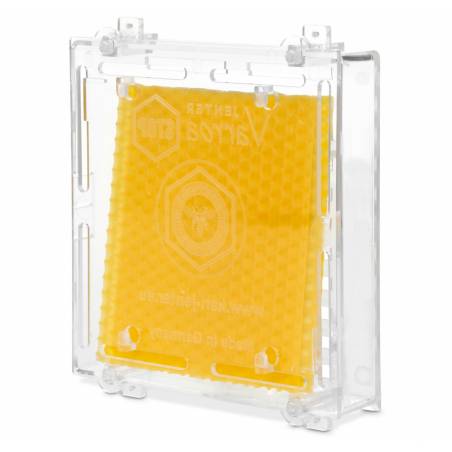
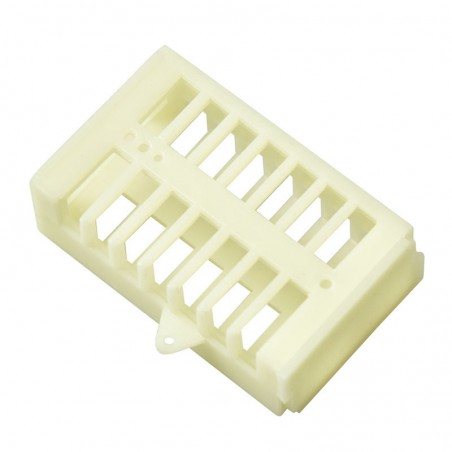
The Chinese cage (€0.48) confines the queen for a few days. With no open brood the mite cannot reproduce and stays exposed on the bees — which is exactly when a treatment works best. It is a calendar intervention: it has to be planned, not improvised.
The drone trap frame
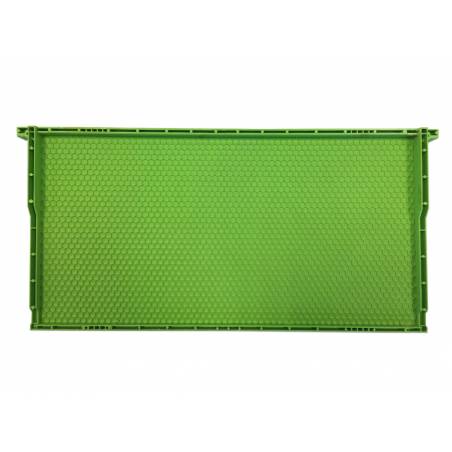
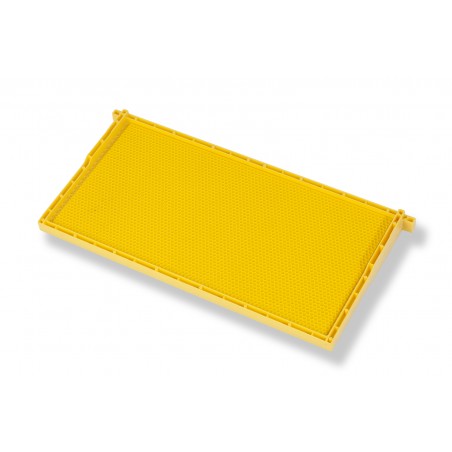
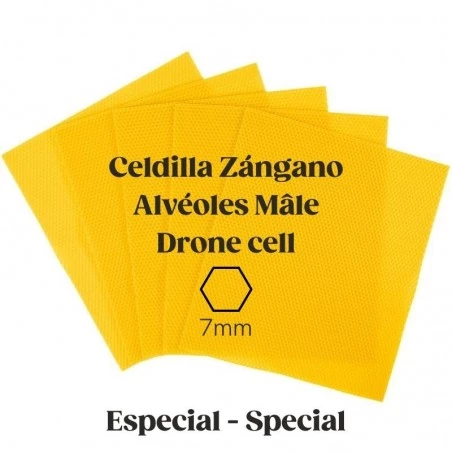
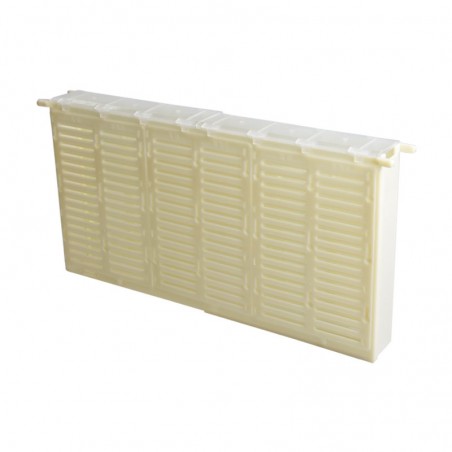
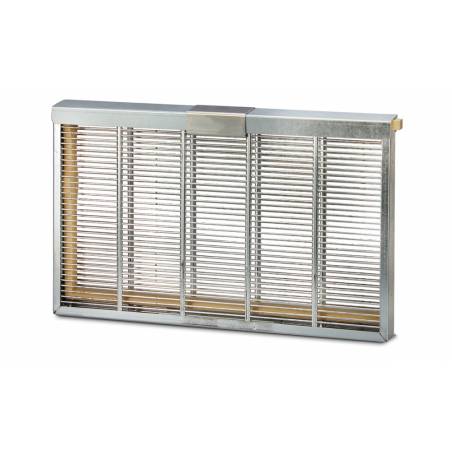
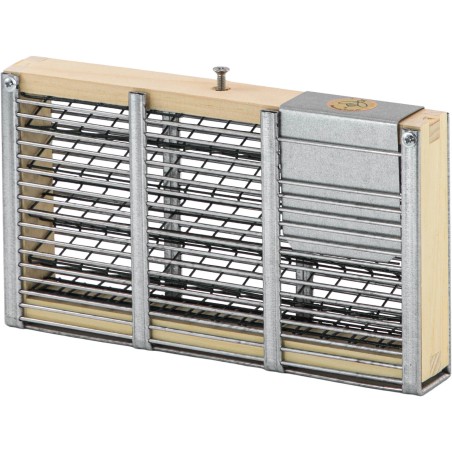
The drone-cell frame (€4.90) exploits the mite's preference for drone brood: the female goes in, and the frame is removed once capped. It works only if you remove it in time: if it emerges, you have bred varroa in your own hive.
Diffusers and evaporators
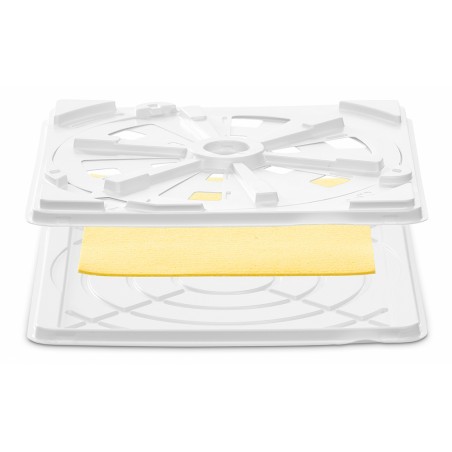
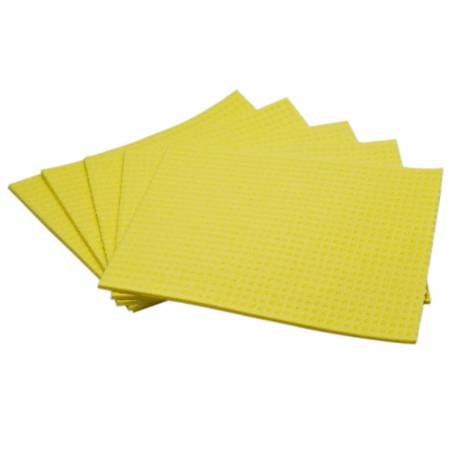
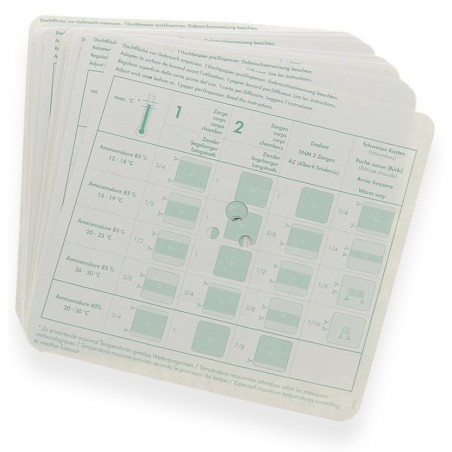
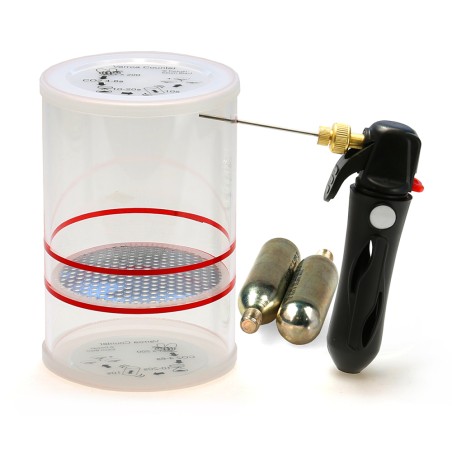
Liebig diffuser (€8.45), papers (€11.90) and evaporator sponges (€7.95) are application supports: the hardware that doses and spreads what you apply. The product itself, with its leaflet, is separate.
The 4.9 mm
Small-cell foundation is an approach with supporters and detractors, and the evidence is not conclusive. We stock it because some beekeepers work that way; we do not present it as a solution.
The full strategy is in varroa medicines, and drone wax in beeswax.