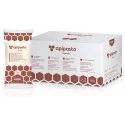
 Apipasta with vitamins 15kg
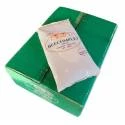 Beecomplet® Spring 14Kg
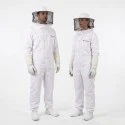 Beekeeper suit with round veil
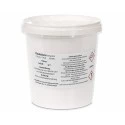 Oxalic acid 1kg
 Beeswax Foundation 5kg
 Fresh royal jelly 20g
 Classic honey jar 1kg comb-lines TO77 - Pack of 16 units
 Promotor L Apis 1 litre

 Share in WhatsApp
200 BEES PER SAMPLE | 4-6 s OF CO₂ |
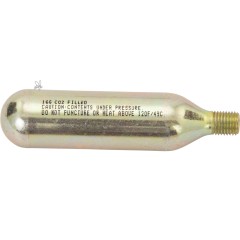
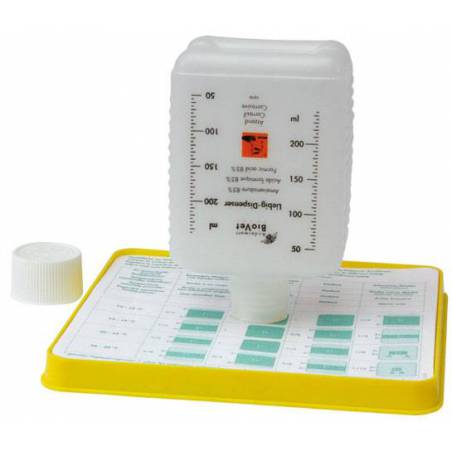
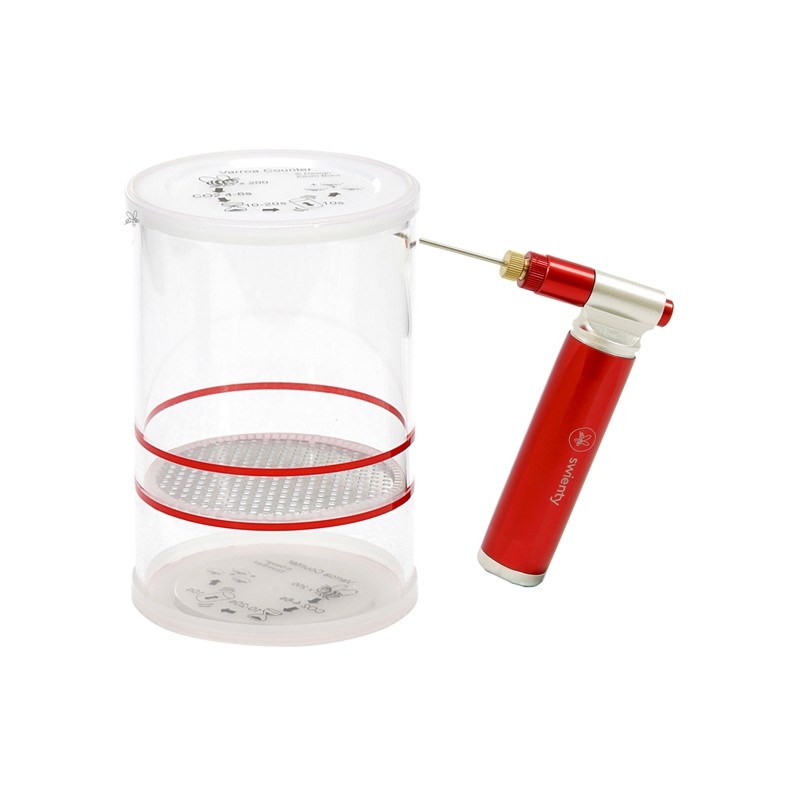
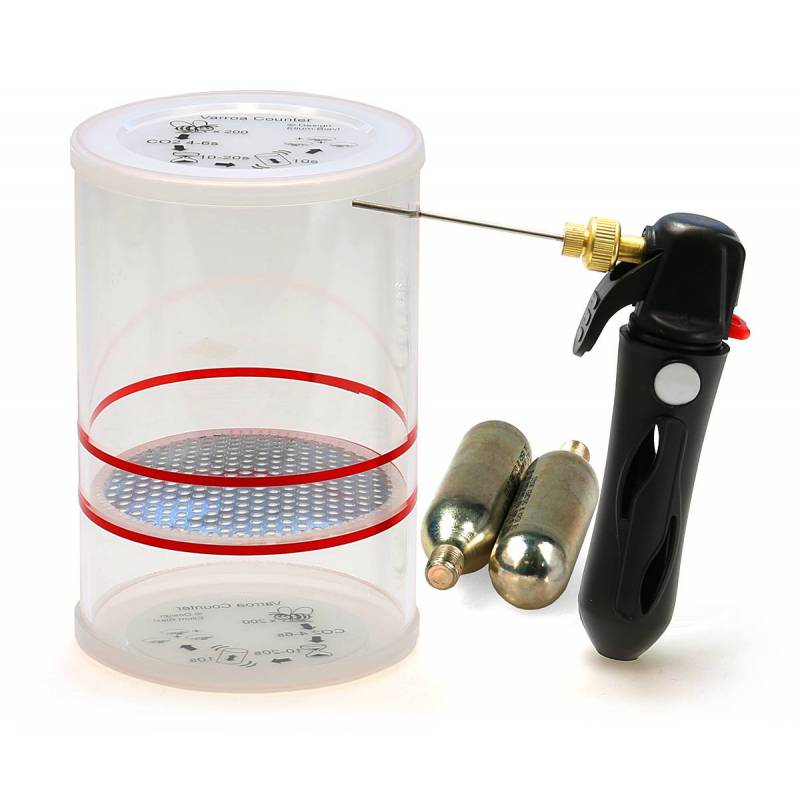
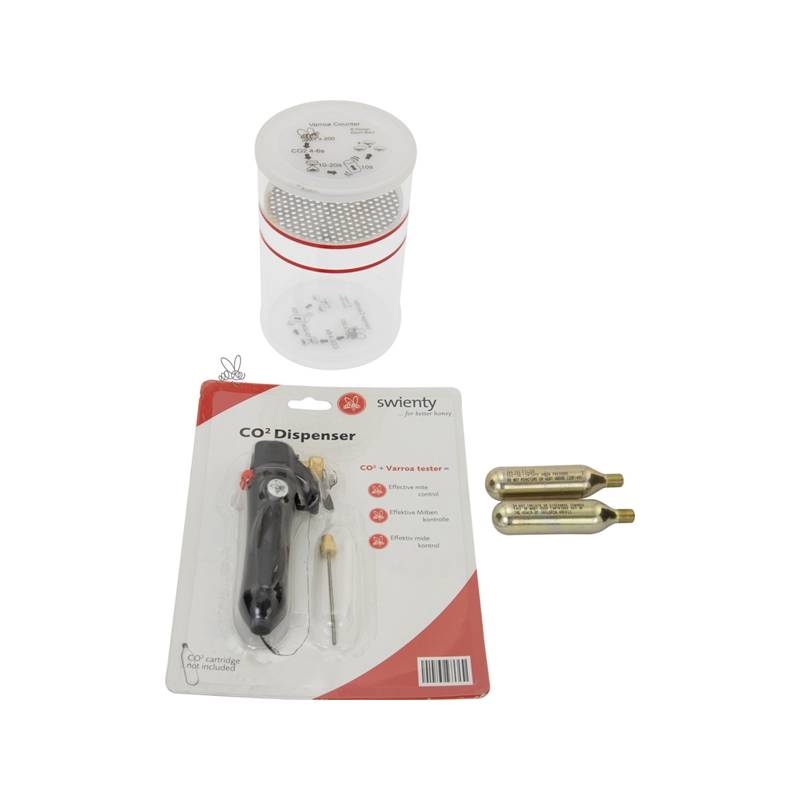
Varroa diagnosis kit using CO₂ anaesthesia: sampling jar, dispenser and two 16 g cylinders. You count the mites and the bees wake up.
Treatment is decided by infestation level, not by the calendar. This is what gives you the level.
01 · WHY YOU MEASURE
Most of a colony's varroa population is inside the sealed brood, reproducing; what rides on the adult bees — the phoretic phase — is the fraction you can count without uncapping anything. So this count is not a census, it is an indicator: it lets you compare one colony with another, and a colony with itself across the season. Which is why it must be repeated the same way every time — same number of bees, always from a brood frame, same time of year. A single number says little; a series of numbers tells you whether you are gaining or losing.
02 · HOW IT IS DONE
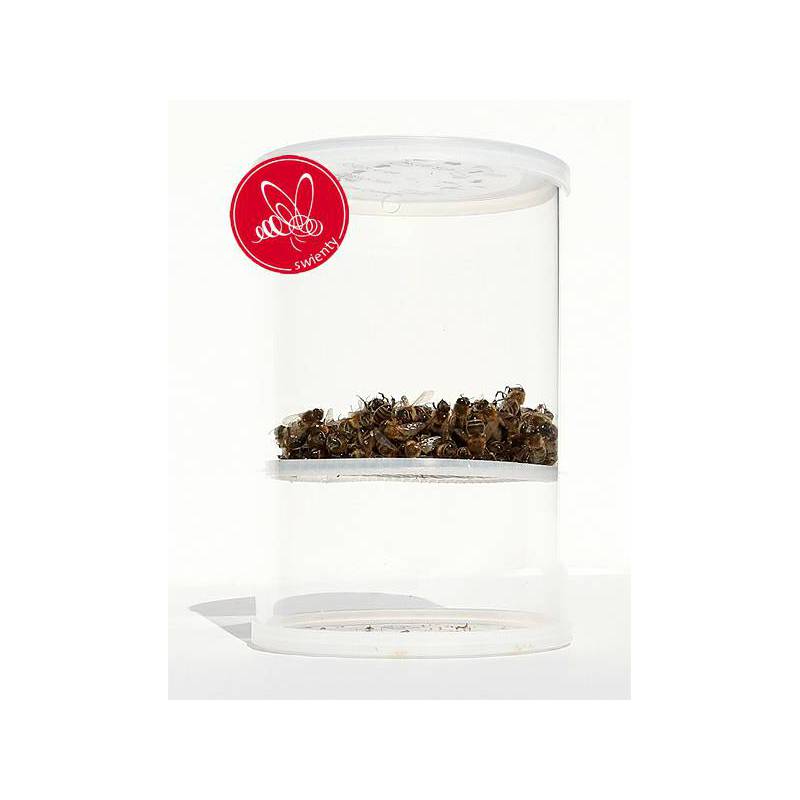
Collect about 200 bees from a brood frame — that is where the nurse bees are, and they carry the most mites — taking care not to scoop up the queen. Close the jar and apply CO₂ for 4 to 6 seconds; let it act for about 20 seconds and shake for 10 seconds. The anaesthetised mites let go of the bees and fall to the bottom, where you count them. The bees come round in a few minutes and go back to the hive — that is the difference from an alcohol wash, which gives a similar count but kills the sample.
03 · WHAT THE NUMBER MEANS
The figure that matters is the infestation percentage: mites counted divided by bees in the sample, times a hundred. With a 200-bee sample the arithmetic is direct — each mite is half a point, so 6 mites is 3 % and 20 mites is 10 %. For reference, the intervention thresholds in common use sit around 3 % in mid-season and drop going into winter, because the winter bee has to survive until February. But the specific threshold depends on season, region and health plan: the decision to treat, and with what, belongs to your vet or bee health association, and this tool is what lets you bring them a figure instead of an impression.
04 · BEFORE YOU BUY
It includes the jar, the dispenser and two 16 g cylinders; the manufacturer states more than 12 tests from them, though real yield depends on how many seconds you release each time. The cylinders are a standard refill. And one warning that saves grief: when screwing the cylinder in, stop tightening the moment you hear the gas pierce — that is where the thread gets forced and where it breaks. This is a plastic instrument to be handled with care, not an apiary tool.
| ✓ FITS | Tracking infestation hive by hive across the season. |
| ✕ IT IS NOT | A treatment or a full census: it does not count mites inside the brood. |
| ⚠ SCREWING IN | Stop as soon as the gas pierces. That is where it breaks. |
| LTA reference | 115880 |
|---|---|
| Method | CO₂ anaesthesia and count by shaking |
| Sample | About 200 bees from a brood frame |
| Gas application | 4-6 seconds |
| Rest | 20 seconds |
| Shaking | 10 seconds |
| Includes | Sampling jar, dispenser and 2 × 16 g CO₂ cylinders |
| Yield | More than 12 tests from the two cylinders, per the manufacturer |
| Refills | 16 g CO₂ cylinders |
| Effect on the bees | They recover within minutes |

check_circle
check_circle