
-
Beehives
- Complete beehive
- Accessories
-
Nuc hives
- Nucs by format
- With bees & mating
- Spare parts
-
Bee equipment
- For the apiary
- For the beekeeper
-
Clothing
- Clothing Accessories
-
Beeswax
-
Pure beeswax
- Beeswax and foundation
- Beeswax foundations
- Melting and rolling beewax
-
Pure beeswax
-
Bee feed
- Accessories and source materials
- Utensils
-
Bee health
- Varroa Treatments
- Diseases control
- Nutraceuticals
-
Extraction and bottling
- Before extraction
- Honey extraction
- After extraction
-
Bee pollen
- Harvest
- Indicted
-
Honey packaging
- Flasks per utility
- Flasks by size
- Other packaging
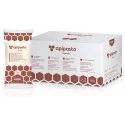 Apipasta with vitamins 15kg
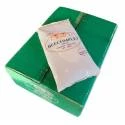 Beecomplet® Spring 14Kg
 Beekeeper suit with round veil
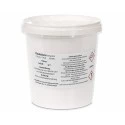 Oxalic acid 1kg
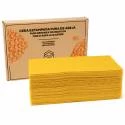 Beeswax Foundation 5kg
 Fresh royal jelly 20g
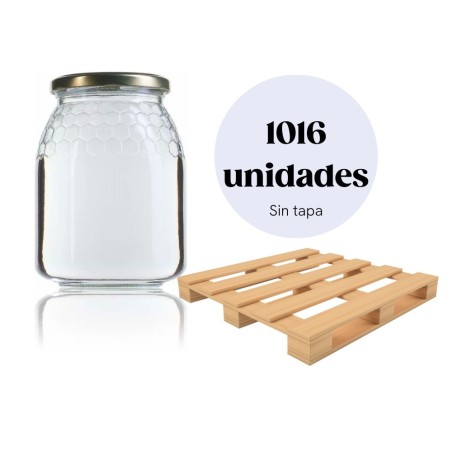
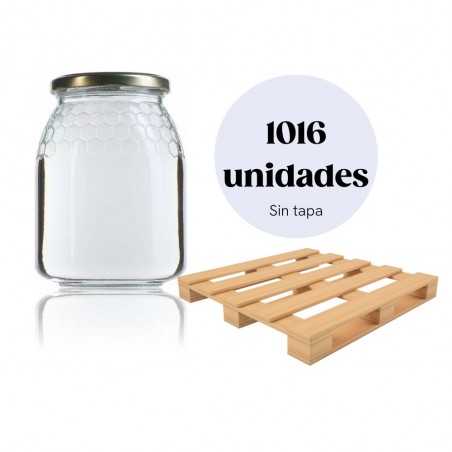
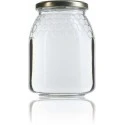 Classic honey jar 1kg comb-lines TO77 - Pack of 16 units
 Promotor L Apis 1 litre
Honey Crystal Jars
Glass honey jars in packs and pallet quantities. Choose the jar volume to suit the weight of honey you plan to fill, and check the neck finish: standard TO and Deep lids are not interchangeable, even at the same diameter.
Capacity
Finish
Honey capacity
Price
-
€6.00 - €1,660.00
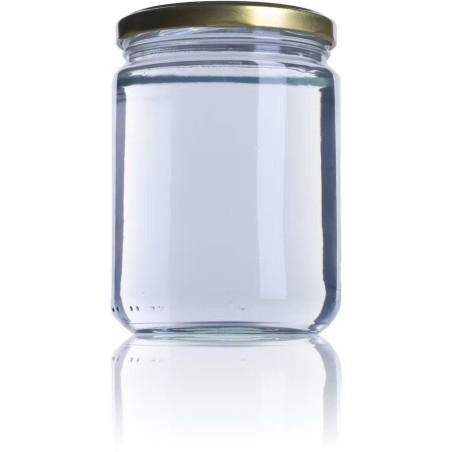
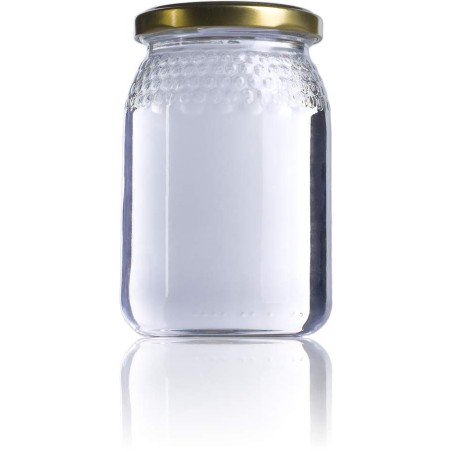
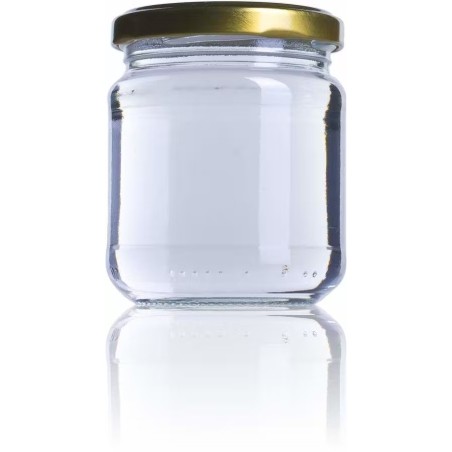
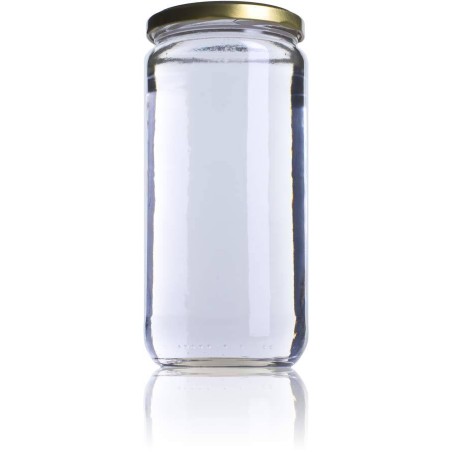
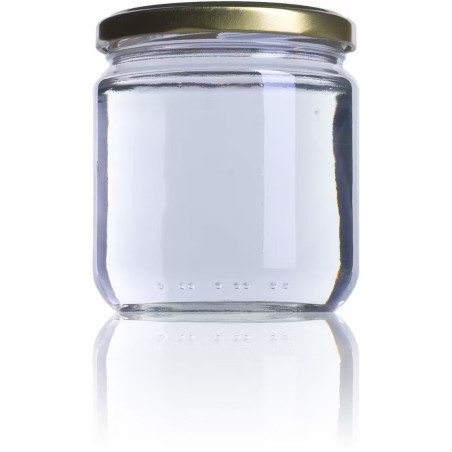
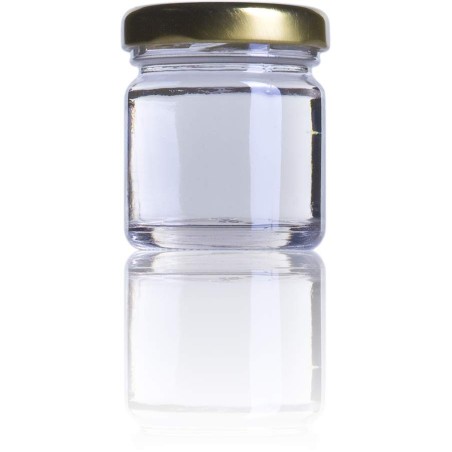
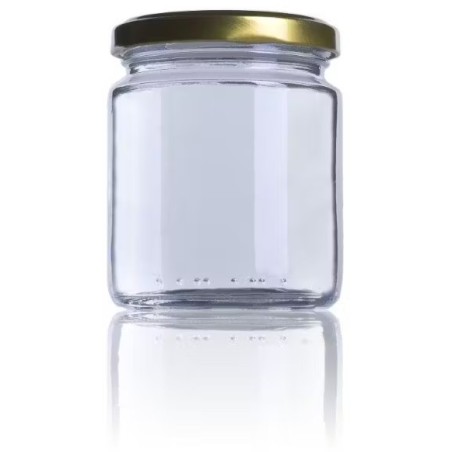
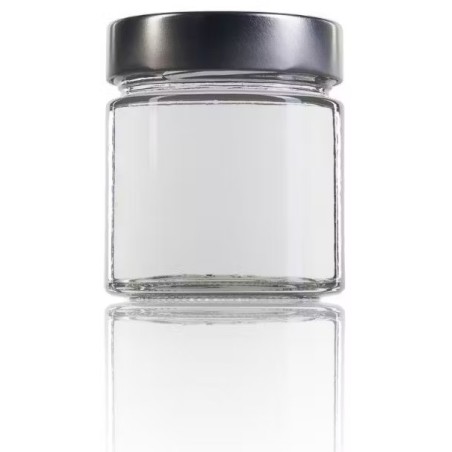
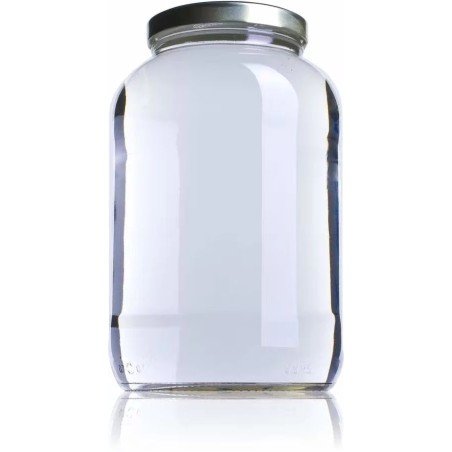
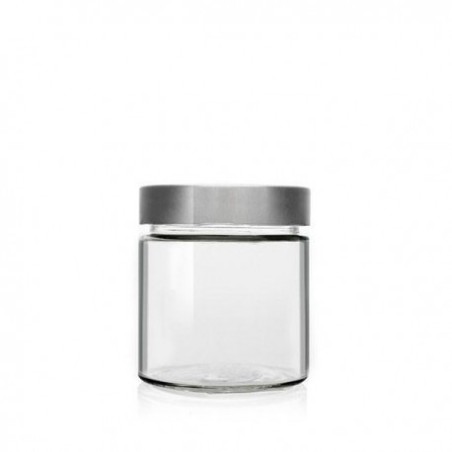
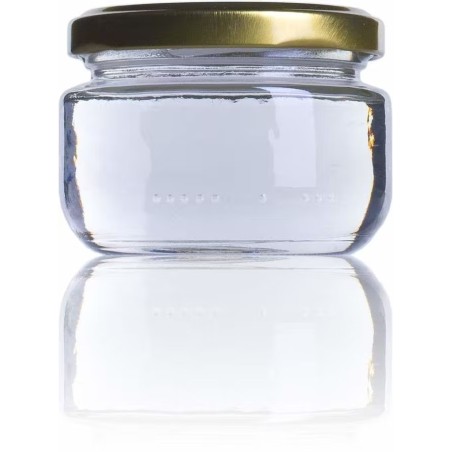
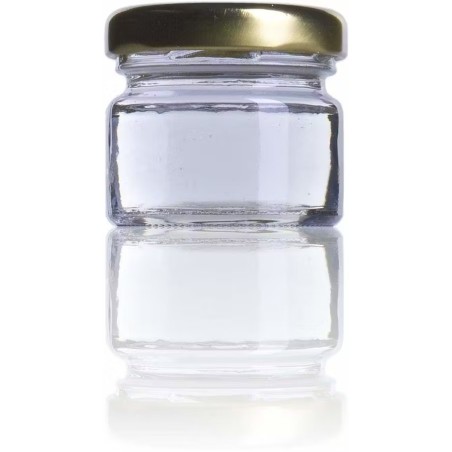


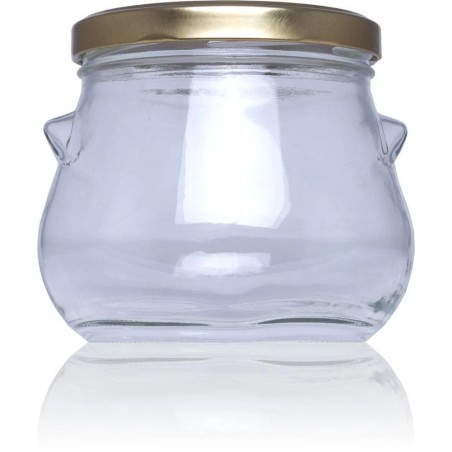

My recommendation on glass jars for honey
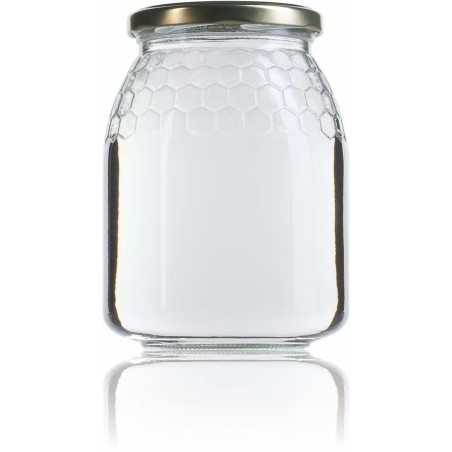
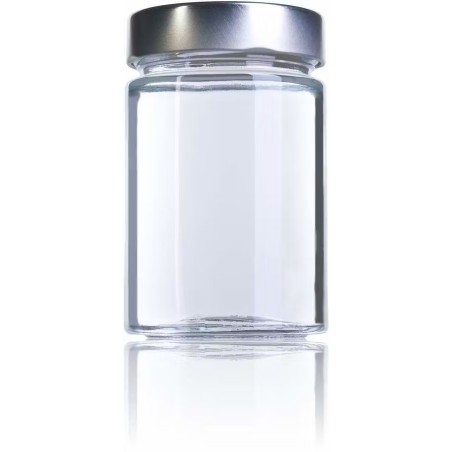
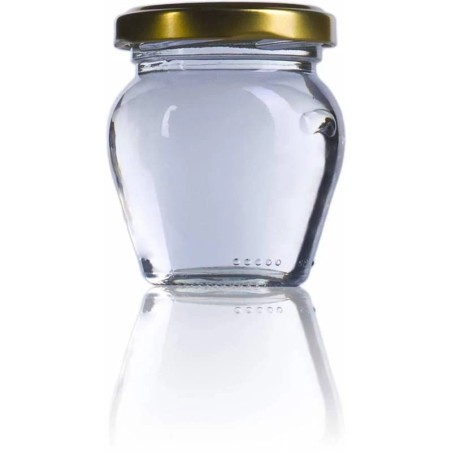
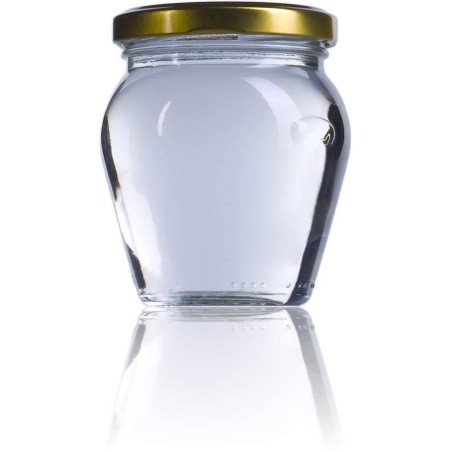
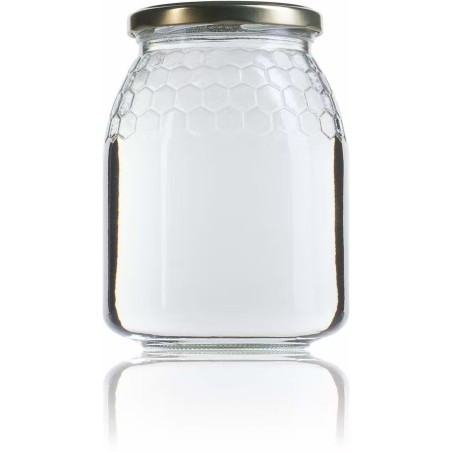
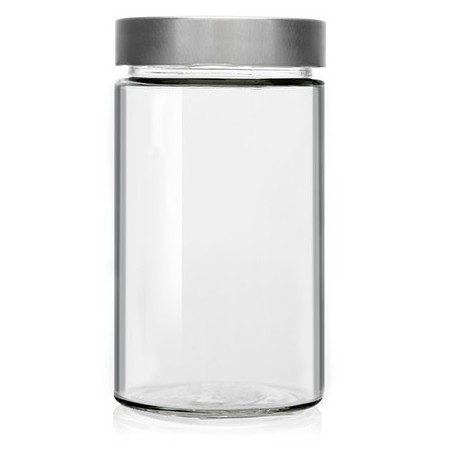
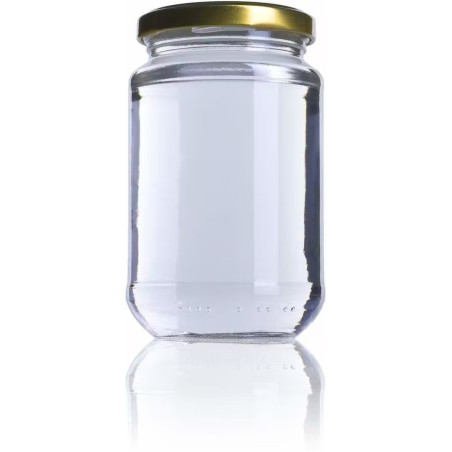
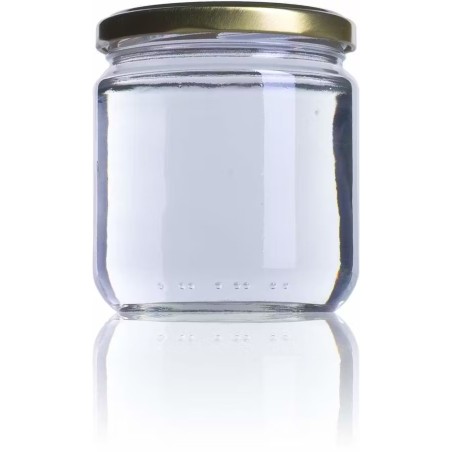
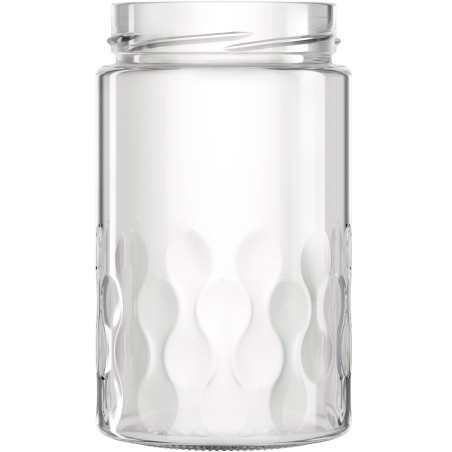
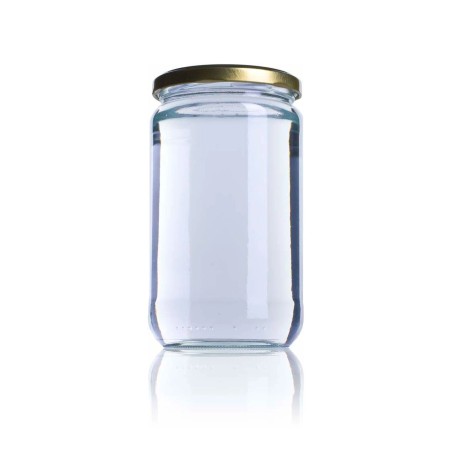
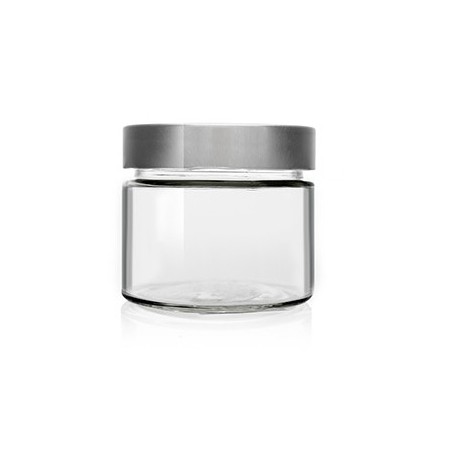
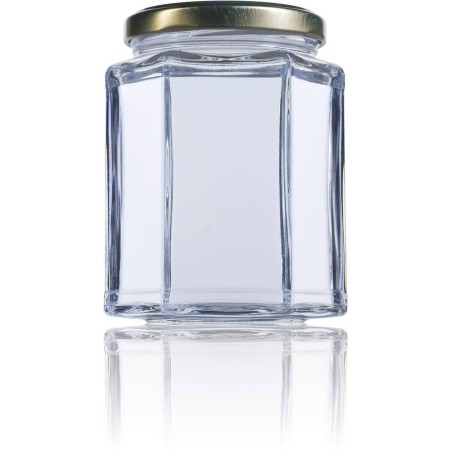
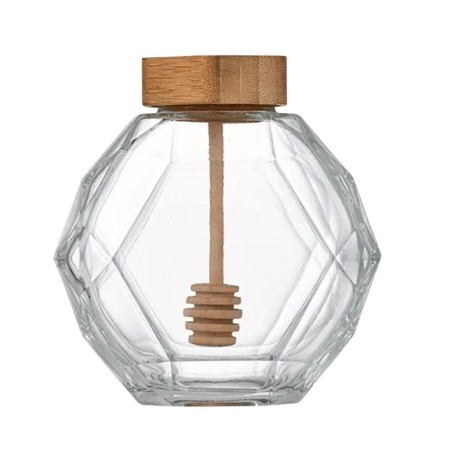
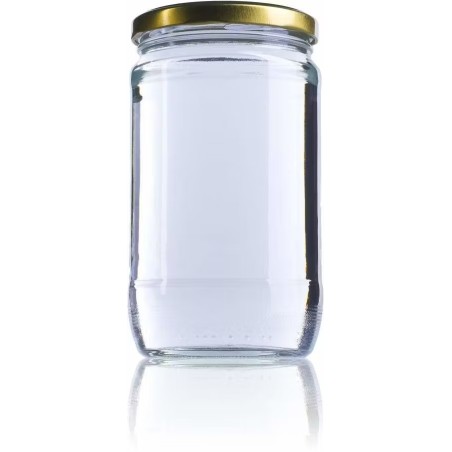
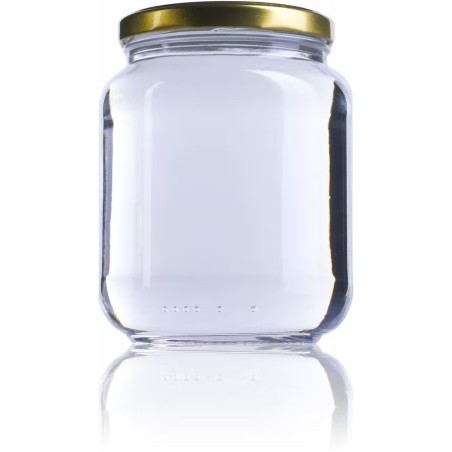
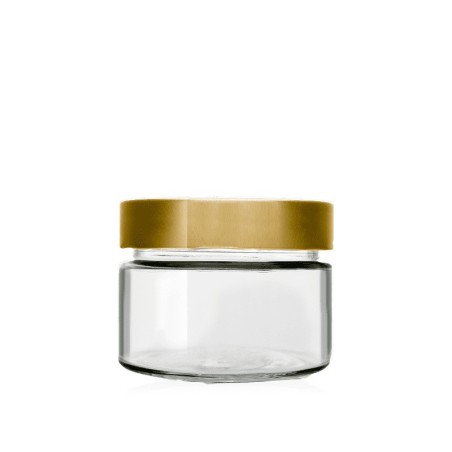
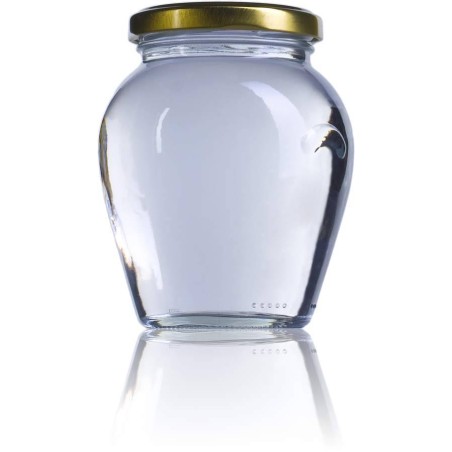
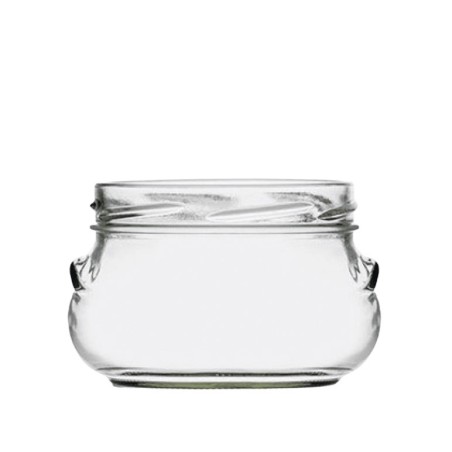
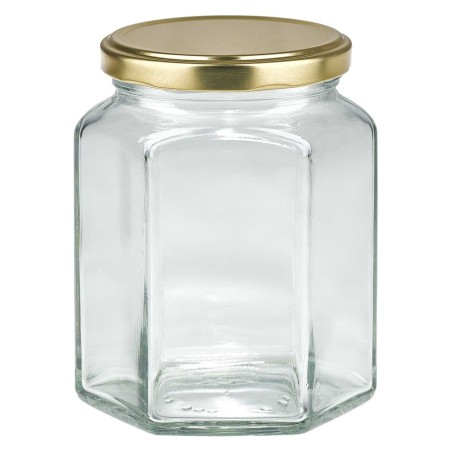
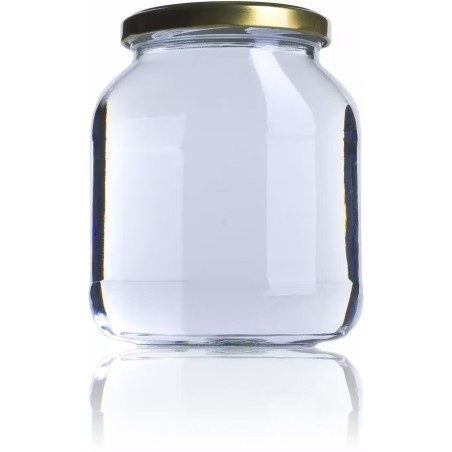
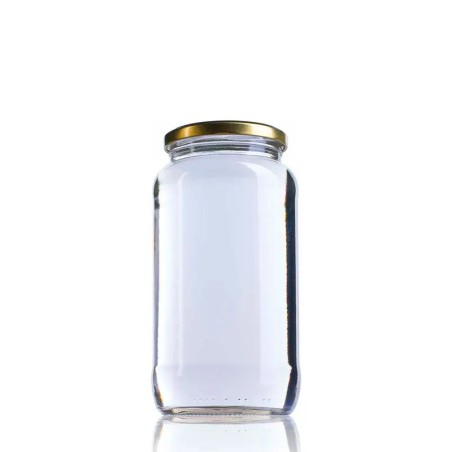
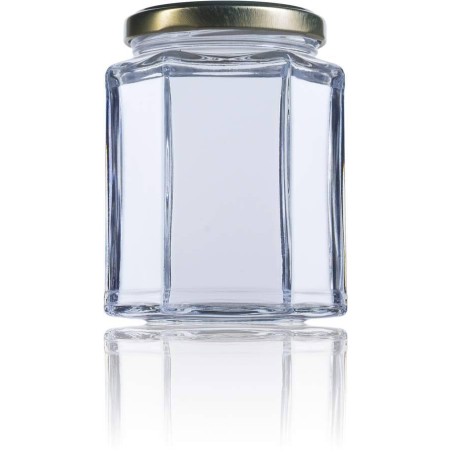
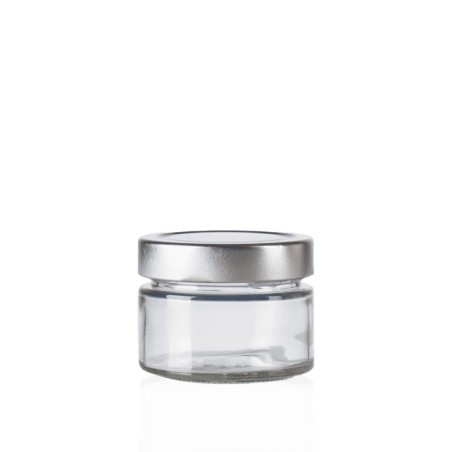
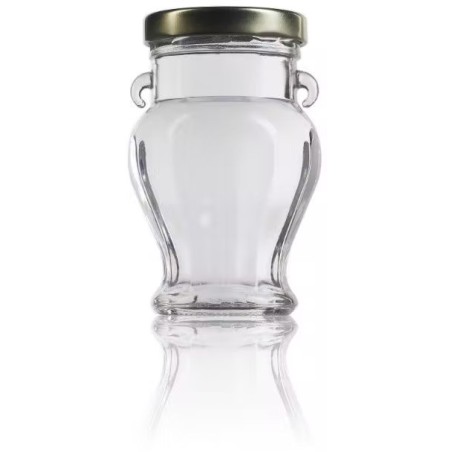
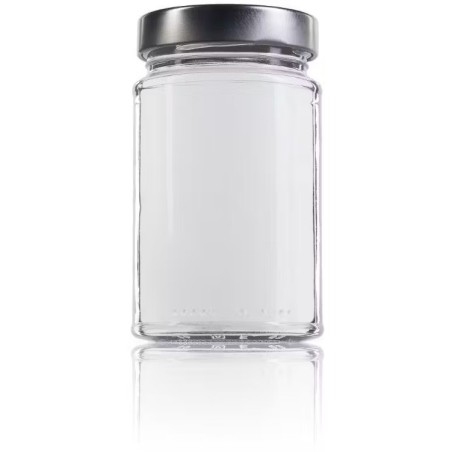
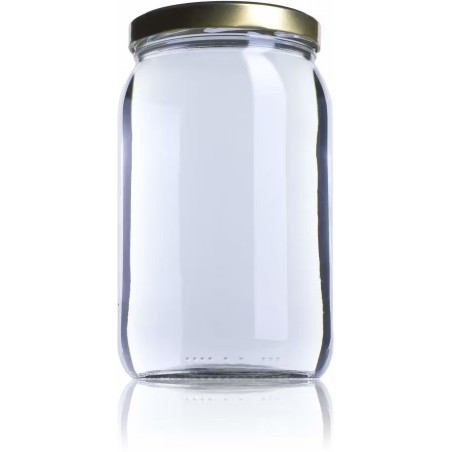
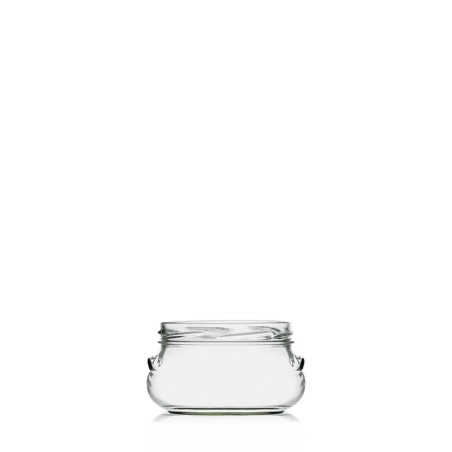
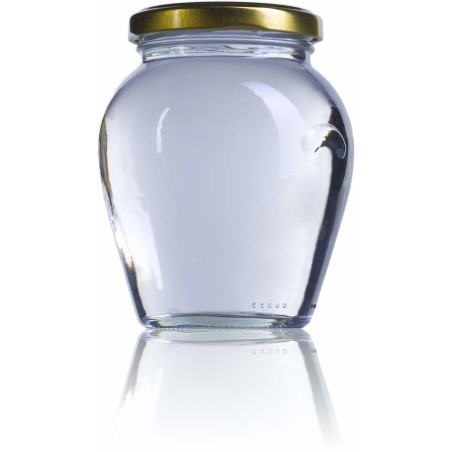
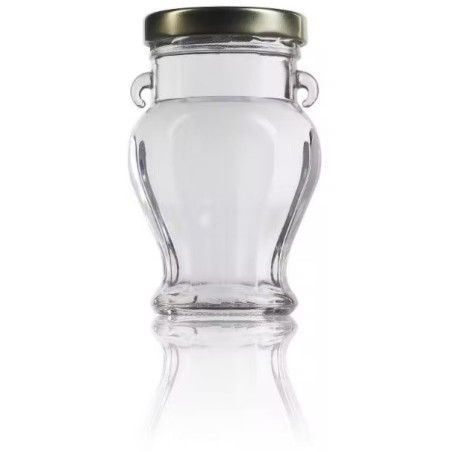
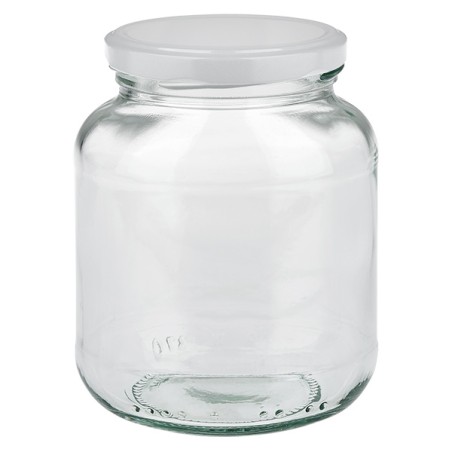
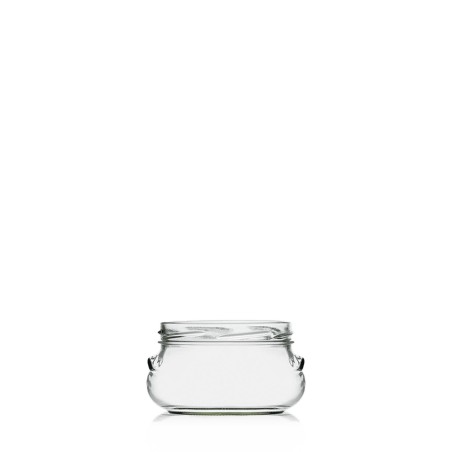
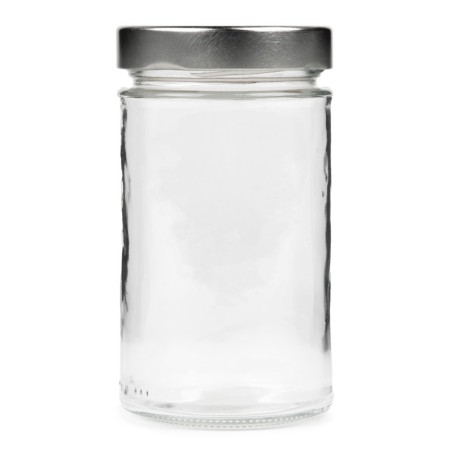
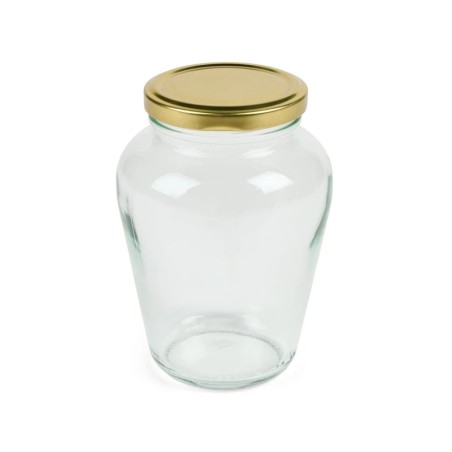
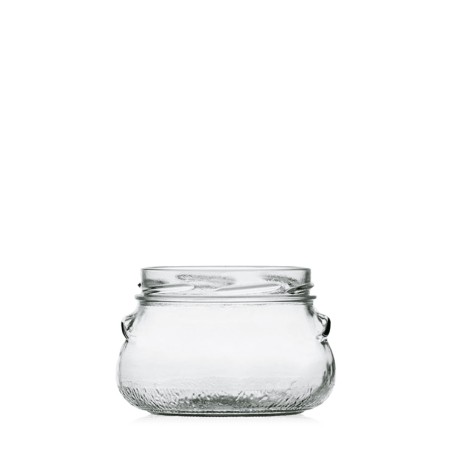
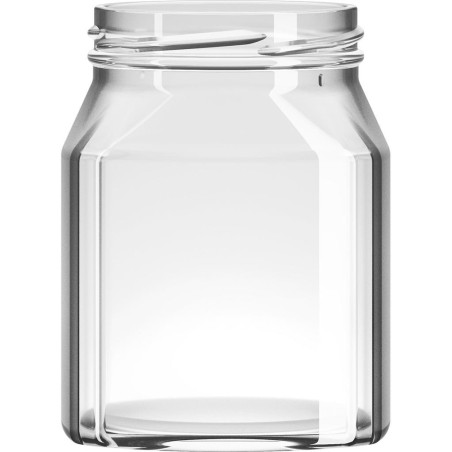
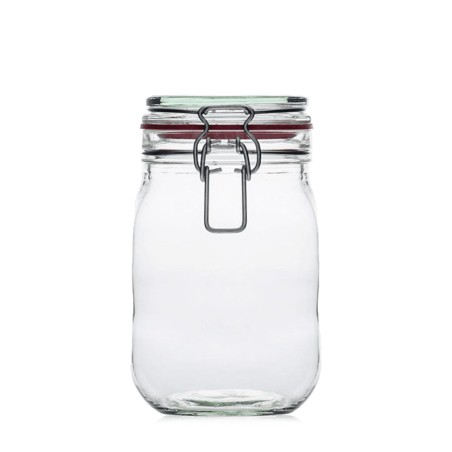
The honey jar isn't just a container: it's part of how the customer perceives your product. A good honey in a badly chosen jar loses presence, labels worse and can give you closure, transport or bottling problems. For honey, I wouldn't look only at the millilitres; I'd first look at what weight you want to sell, what image you want to project and what lid that jar needs. A plain format is very practical if you want a clean, professional label; a jar with a honeycomb pattern quickly communicates a beekeeping product; an orcio, hexagonal or gourmet format can help differentiate a special honey; and small formats work very well for tastings, variety sets or gifts.
My advice is to choose the jar thinking about the whole process: filling, closure, labelling, packaging and sale. Honey is sold by weight, not by volume, so it's worth checking the real capacity of the container carefully and testing with your honey, because not all have the same fluidity nor are bottled the same when warm, cold or close to crystallizing. Before buying, I'd check a compatible Twist-Off mouth, a new food-grade lid, usable label area, jar stability, glass strength, ease of cleaning and box format. And here I'll take a clear stand: I wouldn't reuse lids to sell honey, even if they “look good”. A cheap lid that seals badly, gets marked, rusts or gives a bad image can ruin an excellent product for you. The right jar doesn't improve the honey, but it does help sell it better, preserve it well and convey more trust from the first glance.
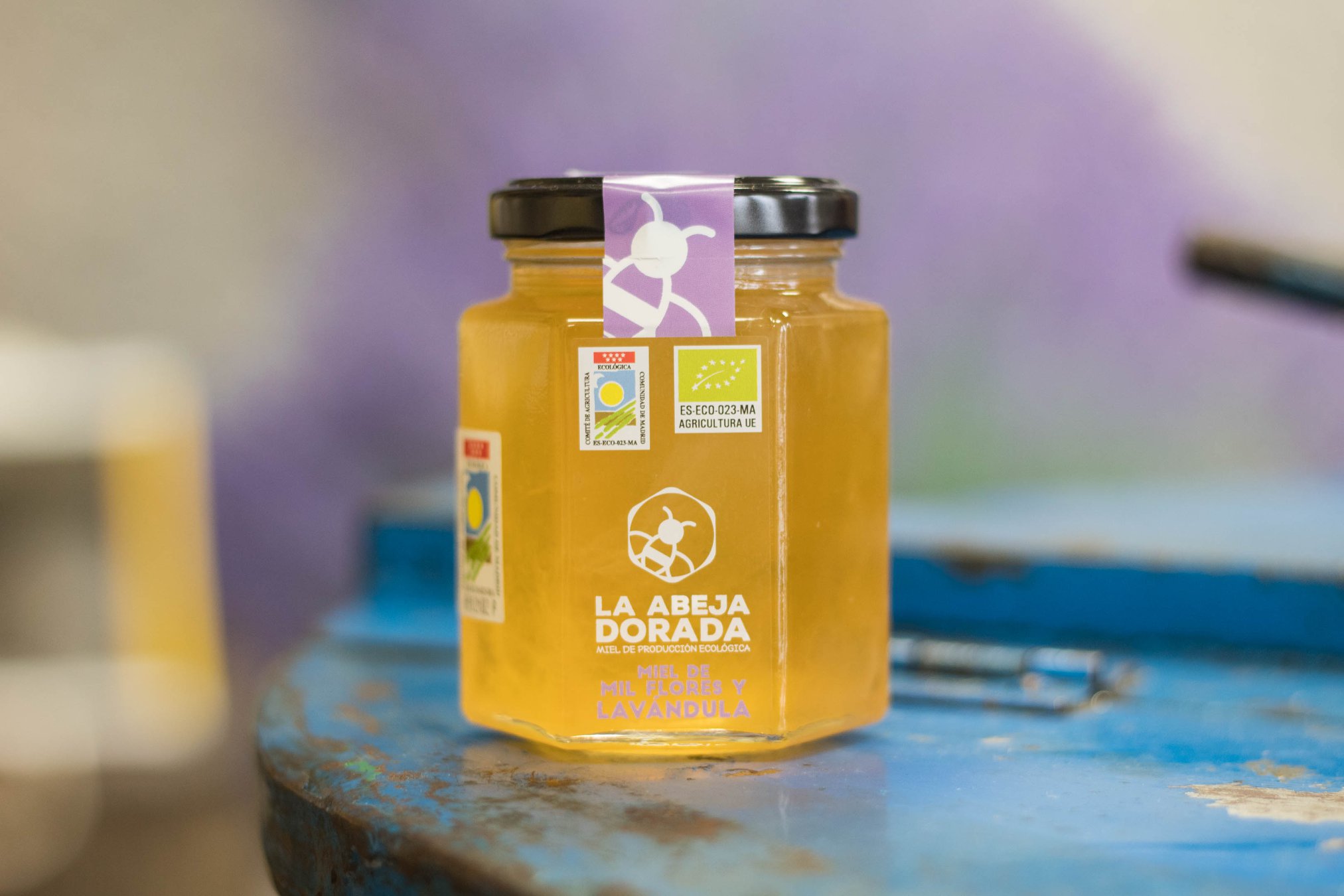
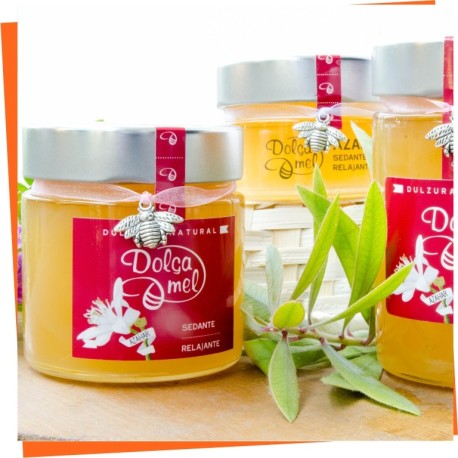
Honey Crystal Jars
The conversion that catches everyone out
Honey weighs about 1.4 times its volume. That is why a 500 ml jar sells as 700 g and a 720 ml jar as 1 kg. It is the reason the names in this category mix millilitres and kilos with no apparent logic: some go by glass capacity, others by the weight of honey packed. Decide the selling weight first, then convert.
The neck code overrides everything else
TO plus a number is the neck diameter in millimetres: TO43, TO48, TO53, TO58, TO63, TO66, TO70, TO77, TO82, TO89, TO100, TO110. The lid must match exactly; there is no tolerance. Where DTO or "Deep" appears it is a tall neck with a deeper skirt, and it does not cross over with the standard one of the same diameter.
To save you opening datasheets, this is how the necks fall by range: plain V370, V580 and V720 in TO77 and the N720 Normalisse in TO82 · honeycomb in TO66, TO77 and TO82 · Aura in TO63, TO70 and TO82 Deep · Orcio in TO53, TO63 and TO82 · hexagonal in TO53, TO63, TO70 and TO82 · Apiari in TO63 and TO82 Deep · Diamond® in TO43 and TO48 · tubs in TO82, TO89 and TO100 · ounce and tasting sizes in TO43 and TO66 · gallons in TO77 and TO110.
Pack or pallet: where the jump is
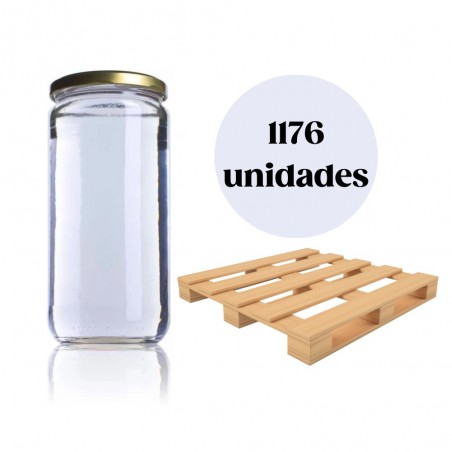
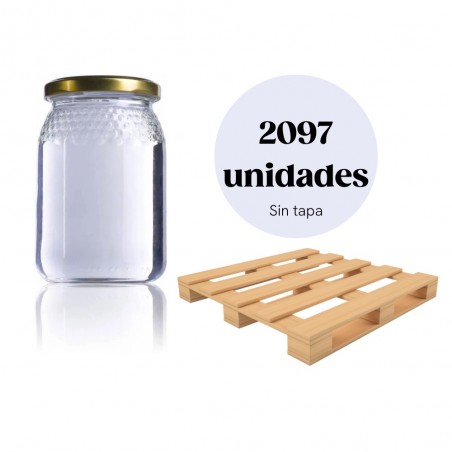
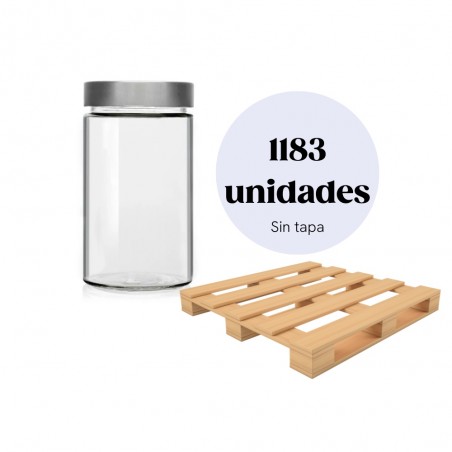
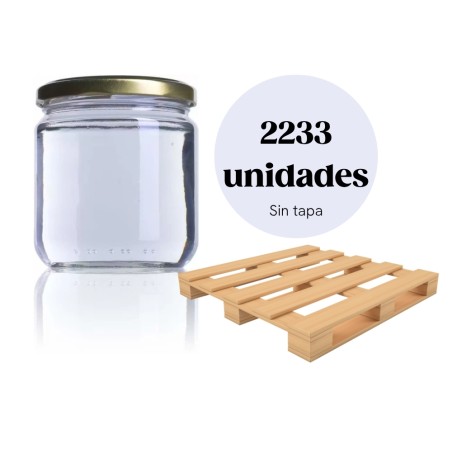
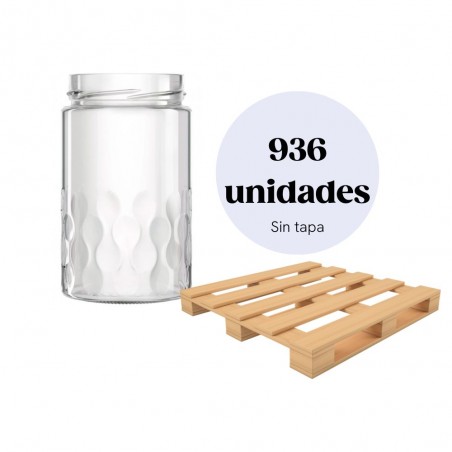
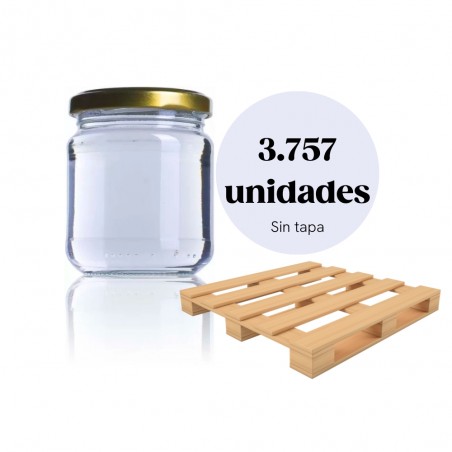
Packs run from 5 to 40 units depending on reference, and pallets from 936 to 4,116. If you pack a whole season, it is worth looking at the pallet for the format you already use rather than stacking up packs: the unit price is not comparable. The formats available by the pallet are the fastest movers - V720, V370, Aura 250 and 370, Apiari 1 kg, B212, 12REF, 1 kg and 1/2 kg honeycomb, and V580.
If you pack for sale, labelling follows Regulation EU 1169/2011 and the Honey Directive: product name, origin, net weight, batch and packer. Honey labels has formats by jar size; Lids and closures has lids by neck code.
What factors determine the price of honey jars?
It depends on the capacity, shape, weight of the glass, type of rim, lid, decoration and quantity purchased. To compare products, calculate the total cost per unit: jar, compatible lid, packaging, transport and potential breakages.
A ‘budget’ jar may no longer be cost-effective if it requires you to buy the lid separately or increases logistics costs. Also check the number of units per pack or pallet and the net weight of honey stated for the product, as two containers with similar volumes are not always designed for the same commercial presentation.
What should you check when buying honey jars?
Check the intended net weight of the honey, the volume of the container, the type of lid — for example, twist-off — and the exact diameter of the lid. Check whether the lid is included, what colours or materials are available, and whether the product specifications confirm suitability for food use and the filling conditions.
The logistics format is also important: units per pack, dividers, palletising and protection against breakage. Buying from a specialist shop adds value when jar-lid compatibility and honey capacity are clearly identified; this should not be assumed solely on the basis of a photograph.
What capacities are available for honey jars?
They range from sample sizes of a few tens of millilitres to family-sized jars of several litres. The most common sizes for retail sale are usually 250 g, 500 g and 1 kg of honey, but the exact volume varies depending on the shape and the manufacturer.
Do not convert volume to weight using a rigid formula. Honey weighs around 1.4 kg per litre, but its density varies with humidity and temperature. When labelling and filling, use the honey capacity stated on the jar’s specification sheet and check the actual weight of your product and the headspace left during the process.
Do the honey jars come with a lid?
It depends on the product code. Some are sold with a lid, others allow you to choose one, and others offer it separately. Check the product details to see what’s included in the price and the exact diameter or mouth code.
A lid that appears to be the same size may not fit the jar’s finish. For a proper seal, the mouth, flanges, sealing compound and conditions of use must all match. ‘With lid’ does not mean that the seal will remain intact following any reuse or heat treatment.
When is it worth buying jars by the box or by the pallet?
Buying by the box allows you to test the format, label, filling process and market acceptance with a lower initial investment. Buying by the pallet usually reduces the cost per unit and the number of handling operations, but requires dry storage space, stock rotation and the capacity to receive and move glass safely.
Compare the total cost of holding stock in the warehouse, not just the price of the jar: lids, transport, surcharges, breakages and tied-up capital. Before scaling up, test a box with your dosing machine, capping machine, labelling system and dispatch packaging.
How do you order the correct honey jars and lids?
Start with the jar’s product code and its rim finish. Add a lid of the same diameter and type, confirm whether it is sold by the unit, pack or box, and check that the quantities of jars and lids match. If hot-filling or a specific process is to be used, check that both components are suitable for this.
Before placing a large order, test the seal, tightening torque, label and packaging using your actual production process. Upon receipt, inspect for breakages, damaged rims and deformed lids, retaining the batch identification for traceability.
How do you choose the jar capacity based on the weight of the honey?
Use the target net weight and the honey capacity stated by the manufacturer. As a guide, many jars of around 370 ml are marketed as containing 500 g and those of around 720 ml as containing 1 kg, but this is not a universal equivalence.
Carry out a test with your honey at the filling temperature, weigh several jars and leave the headspace required by the process. Density varies with humidity and temperature, and the shape of the container affects the visible level. The final check should be carried out by weight, not by estimating the height by eye.
How does a twist-off lid work on a jar of honey?
The twist-off lid hooks its tabs onto the rim of the jar and presses a sealing compound against the glass. A secure seal depends on the diameter, profile, lid and tightening torque being compatible, and on the rim being clean and free from damage.
With honey, a good seal protects against leaks and ambient moisture, but does not make the container suitable for any heat treatment nor does it guarantee a vacuum. Follow the instructions on the jar and lid, use components in good condition and check the seal of the batch after filling.
Which jar do I need for 250 g, 500 g or 1 kg of honey?
Choose a reference that explicitly states that weight of honey. As a market guide, 500 g is usually packaged in jars of around 347–370 ml and 1 kg in about 720 ml; for 250 g smaller formats are used, but the exact figure depends on the design.
Honey does not always have the same density. Verify the weight with your batch, the filling temperature and a calibrated scale, and confirm that the headspace is appropriate. Do not select the jar solely by its nominal volume nor copy an equivalence from another manufacturer.
Is there a difference between a “jar” and a “pot” of honey?
In commercial use, they usually function as synonyms for a container, typically made of glass. Neither word defines capacity, type of opening, lid or suitability for a process.
To buy or order replacements, use technical data: reference, volume, expected net weight of honey, diameter and finish of the opening, and compatible lid. Two "500 g pots" may have different shapes and closures and not share lids.