
-
Beehives
- Complete beehive
- Accessories
-
Nuc hives
- Nucs by format
- With bees & mating
- Spare parts
-
Bee equipment
- For the apiary
- For the beekeeper
-
Clothing
- Clothing Accessories
-
Beeswax
-
Pure beeswax
- Beeswax and foundation
- Beeswax foundations
- Melting and rolling beewax
-
Pure beeswax
-
Bee feed
- Accessories and source materials
- Utensils
-
Bee health
- Varroa Treatments
- Diseases control
- Nutraceuticals
-
Extraction and bottling
- Before extraction
- Honey extraction
- After extraction
-
Bee pollen
- Harvest
- Indicted
-
Honey packaging
- Flasks per utility
- Flasks by size
- Other packaging
 Apipasta with vitamins 15kg
 Beecomplet® Spring 14Kg
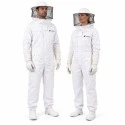 Beekeeper suit with round veil
 Oxalic acid 99% 1kg
 Beeswax Foundation 5kg
 Fresh royal jelly 20g
 Classic honey jar 1kg comb-lines TO77 - Pack of 16 units
 Promotor L Apis 1 litre
Cleansers and Maintenance
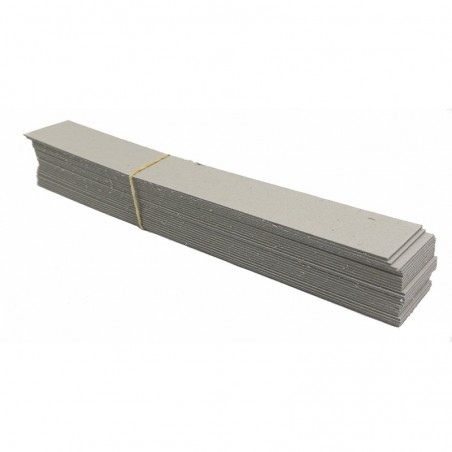
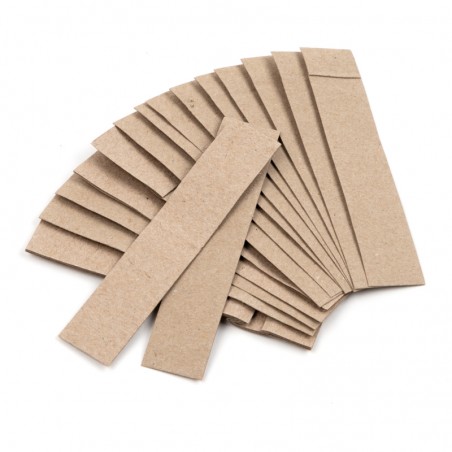
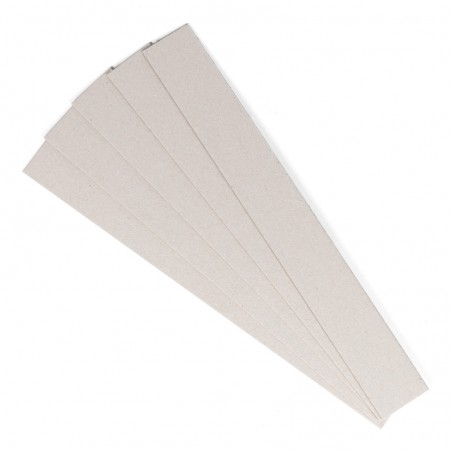
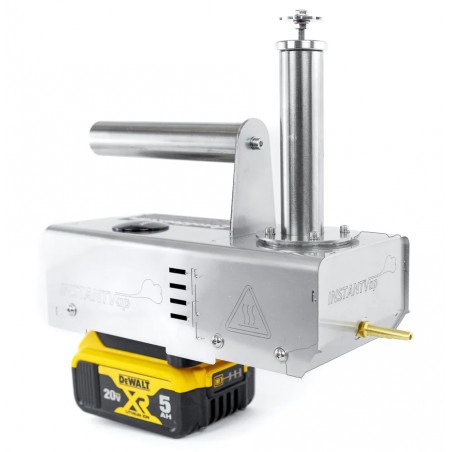
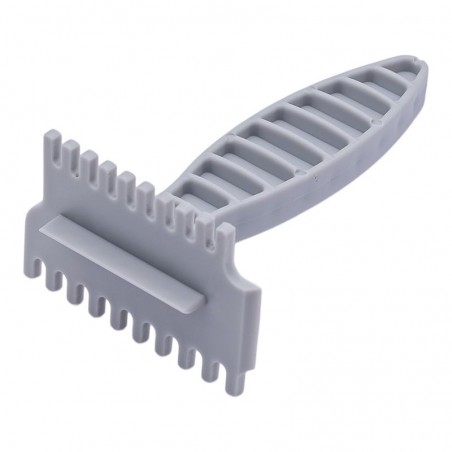
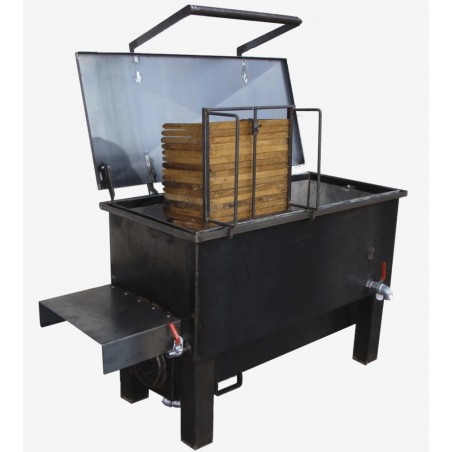
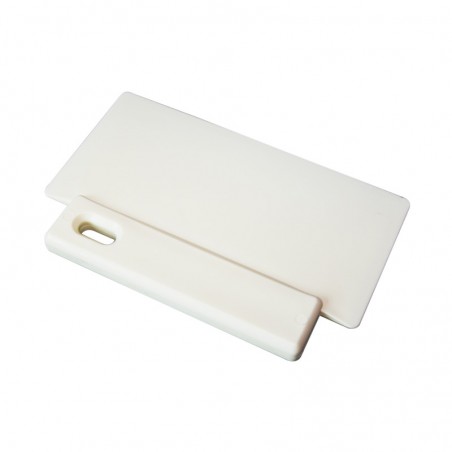
Cardboard sheets and strips for bottom-board diagnosis, excluder combs, flame guns and disinfectants, frame washers and workshop cleaning kit.


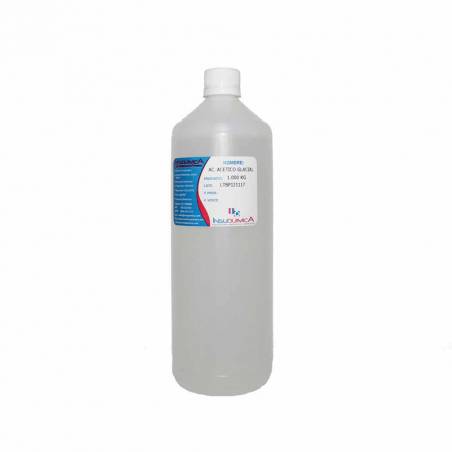
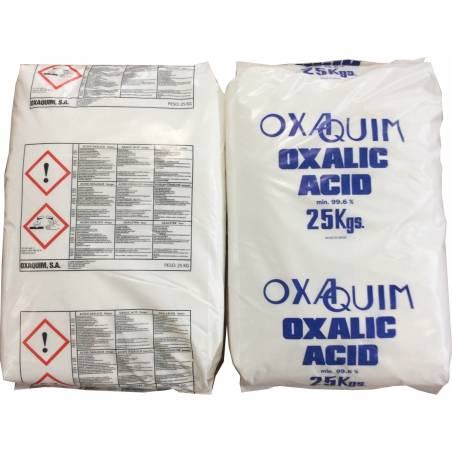







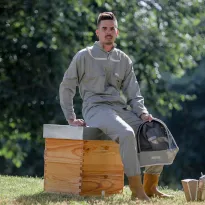
My advice for a more hygienic inspection
Before opening the first hive, I would walk past the entrances and mark any colonies showing unusual activity or debris; a handful of soil on the roof is enough. I would inspect the apparently normal colonies first and leave the suspect ones until last. It is the order recommended by Fina Gonell, Marta Pitarch and Antonio Gómez Pajuelo in their handbook of good practice in hive health and feeding: a simple way to avoid moving from a colony with problems to another while using the same equipment.
I would also set aside a separate place for tools used in those hives until they have been cleaned and appropriately disinfected. My advice is to organise hygiene before starting the visit: if everything ends up in the same box, it becomes difficult to tell what is clean and what still needs attention. No cleaning product can, on its own, make up for a routine that mixes everything together again.

Cleansers and Maintenance
Beekeeping hygiene is what stops one hive's problem becoming the apiary's problem. And the vehicle is almost always you.
What you carry from hive to hive
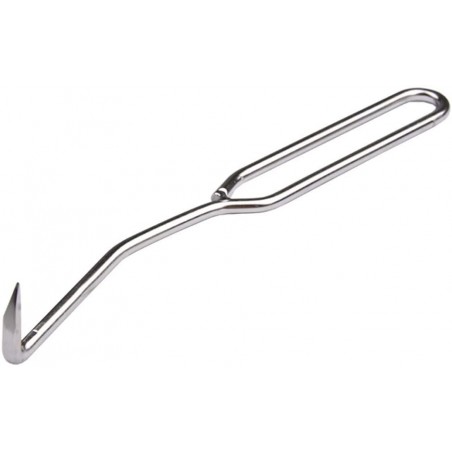
The hive tool, the gloves, the brush, the suit. In a healthy apiary nothing happens; the moment there is a focus, every opening spreads it. Scraping and flaming the hive tool is the cheapest measure there is; latex gloves get changed, which is faster than disinfecting leather ones.
Cardboard sheets: 11 cents that give information
They go on the floor, under the mesh. What falls on them — varroa, wax debris, cappings, larvae — is an X-ray of what is happening above without opening the hive. It is the least invasive way to monitor and the one you can do in midwinter.
Equipment that gets reused
Old frames, supers, inner covers. Flame is the classic method for wood: fast, residue-free and effective on the surface. Disinfectants have their place, but each product has its indication and its contact time — read before use, not after.
And a rule that is costly to ignore: material from an apiary with a notifiable disease is not moved or reused on your own initiative. There the official veterinary service decides.
The extraction room
It is a food-handling room, with everything that implies: washable surfaces, water, and documented cleaning if you pack for sale.
Find equipment for assessing colony health in disease diagnosis, cleaning tools in disinfection and hygiene accessories, and other health-related equipment in bee health.