 Apipasta with vitamins 15kg
 Beecomplet® Spring 14Kg
 Beekeeper suit with round veil
 Oxalic acid 1kg
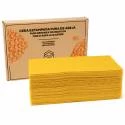 Beeswax Foundation 5kg
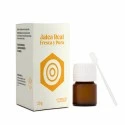 Fresh royal jelly 20g
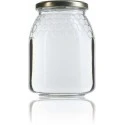 Classic honey jar 1kg comb-lines TO77 - Pack of 16 units
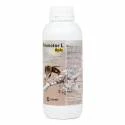 Promotor L Apis 1 litre

 Share in WhatsApp
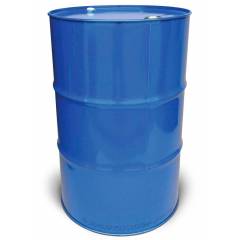
99.5 % GLYCEROL | 25 L DRUM · 31.5 KG NET |
1.26 kg/L DENSITY | 18 °C MELTING POINT |
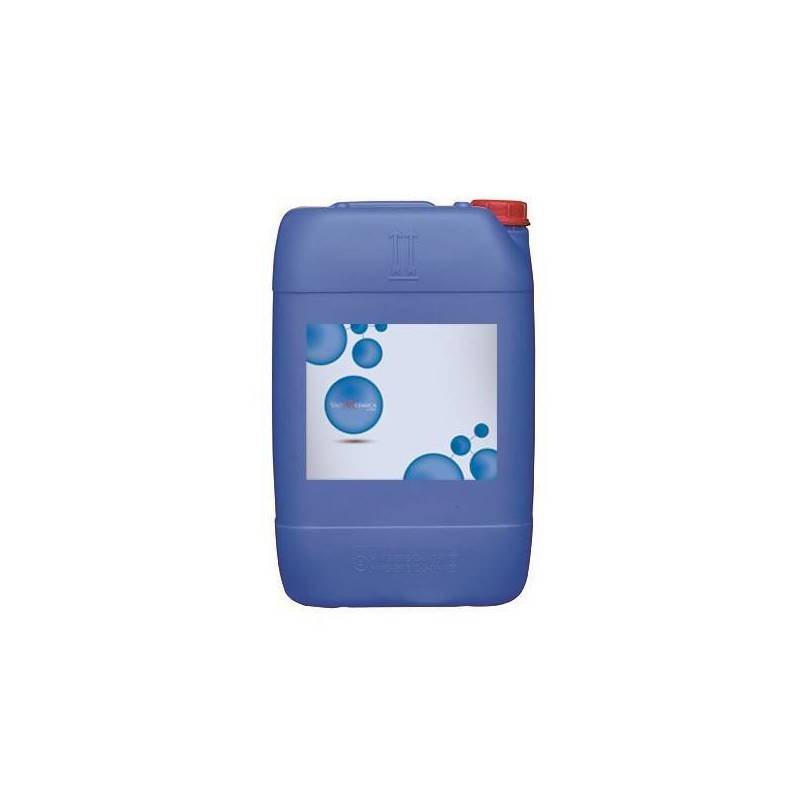
Glycerol at 99.5 % in a 25-litre drum, supplied with a safety data sheet under Regulation (EU) 2020/878.
It is a technical input for laboratory and industry, not a product to apply in the hive. Everything below comes from its own safety data sheet, downloadable here.
01 · IDENTITY
The product is glycerol at 99.5 %, CAS 56-81-5 and EC 200-289-5: a colourless, odourless liquid with a pH of 6 to 7.5 in a 10 % solution. Per its sheet it is not classified as hazardous under Regulation (EC) 1272/2008, so it carries no pictograms or hazard statements and falls outside the Seveso III directive. What governs, even so, is what it is identified for.
02 · WHICH OF THE TWO
The catalogue carries two glycerines and they are not the same. This is the technical grade, identified in its sheet for laboratory and industrial uses, and explicit the other way round: it considers any use not specified there to be advised against. The other one, the 265 kg drum, is European Pharmacopoeia grade. If that grade is what you need, this is not it. And its storage must avoid contact with foodstuffs, per its own conditions section.
03 · HANDLING
Glycerol is chemically unstable in contact with acids, bases and oxidising agents — its three declared incompatible materials — and at high temperature it can undergo pyrolysis. Hence the conditions to avoid are heating and contact with those materials. Containers are kept between 5 and 35 °C, somewhere dry and ventilated, upright and well closed. And the important one: never use pressure to empty the container, which is not a pressure vessel. To transfer it, gravity or a pump.
04 · THREE FIGURES THAT SHAPE THE WORK
It melts at 18 °C: in a workroom with no heating the contents thicken in winter and become hard to transfer, so warming the room pays off better than forcing anything. It is dense — 1.26 kg per litre, so about 31.5 kg net in this drum — which means the weight is worked out from the volume, not guessed. And spills leave the floor slippery: the sheet itself recommends CE category II work footwear.
05 · BEFORE YOU BUY
The safety data sheet and the manufacturer’s product sheet are downloadable on this page. Send them ahead if your activity requires raw-material documentation.
| ✓ FITS | Laboratory, cleaning and industrial uses, with its safety data sheet behind it. |
| ✕ DOESN’T FIT | Uses its sheet does not specify, and any application in the hive. For pharmacopoeia grade, the 265 kg drum. |
⚠ PRECAUTIONS
This is not a veterinary medicine and it is not for preparing one. Against varroosis the only route is an authorised medicine, listed in AEMPS/CIMA Vet, with its own sheet, dose and withdrawal period. This page gives no recipes, proportions or in-hive application schedules.
| Reference | 141414 |
|---|---|
| Chemical name | Glycerol |
| Purity | 99.5 % |
| CAS / EC no. | 56-81-5 / 200-289-5 |
| Grade | Technical · laboratory and industry |
| Appearance | Colourless, odourless liquid |
| Relative density | 1.261 (1,260 kg/m³) |
| Melting / boiling point | 18 °C / 290 °C |
| Flash point | 199 °C |
| pH (10 % solution) | 6 – 7.5 |
| CLP classification | Not classified as hazardous (Regulation EC 1272/2008) |
| Format | 25-litre drum (31.5 kg net) |
| Storage | 5 – 35 °C, dry and ventilated, upright and closed |
2 files available

check_circle
check_circle