
-
Beehives
- Complete beehive
- Accessories
-
Nuc hives
- Nucs by format
- With bees & mating
- Spare parts
-
Bee equipment
- For the apiary
- For the beekeeper
-
Clothing
- Clothing Accessories
-
Beeswax
-
Pure beeswax
- Beeswax and foundation
- Beeswax foundations
- Melting and rolling beewax
-
Pure beeswax
-
Bee feed
- Accessories and source materials
- Utensils
-
Bee health
- Varroa Treatments
- Diseases control
- Nutraceuticals
-
Extraction and bottling
- Before extraction
- Honey extraction
- After extraction
-
Bee pollen
- Harvest
- Indicted
-
Honey packaging
- Flasks per utility
- Flasks by size
- Other packaging
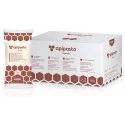 Apipasta with vitamins 15kg
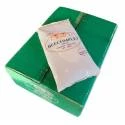 Beecomplet® Spring 14Kg
 Beekeeper suit with round veil
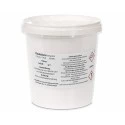 Oxalic acid 1kg
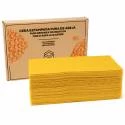 Beeswax Foundation 5kg
 Fresh royal jelly 20g
 Classic honey jar 1kg comb-lines TO77 - Pack of 16 units
 Promotor L Apis 1 litre
Preserving jars for jams
Glass jars for jam and preserves, from 33 ml to 850 ml, in TO43 to TO100 finishes. The same food-grade glass as the honey jars: what changes is the capacity and the lid.
Capacity
Finish
Honey capacity
Price
-
€7.00 - €48.00
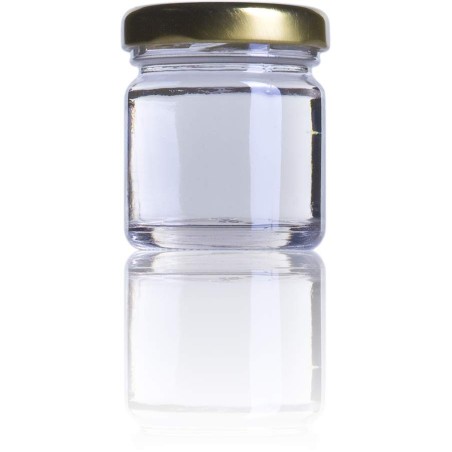
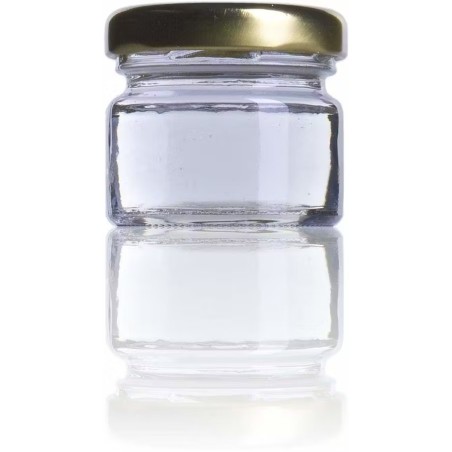
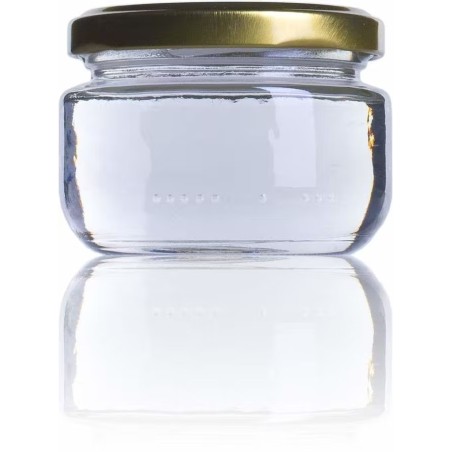
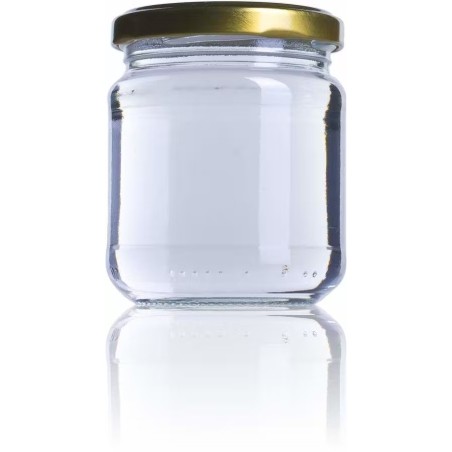
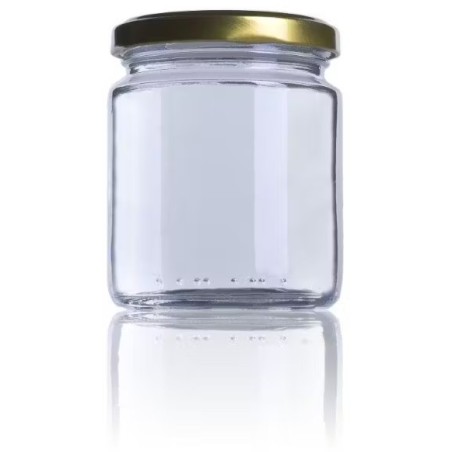
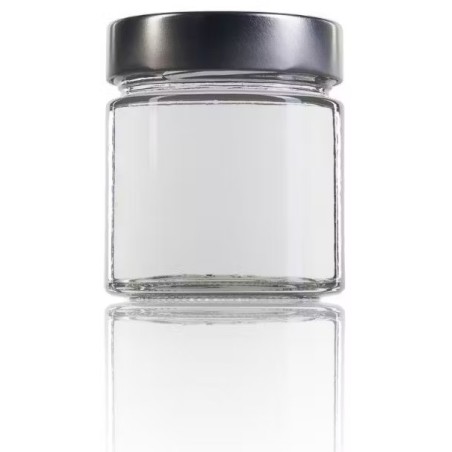
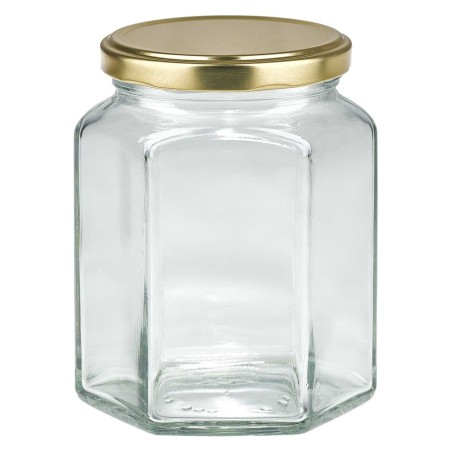
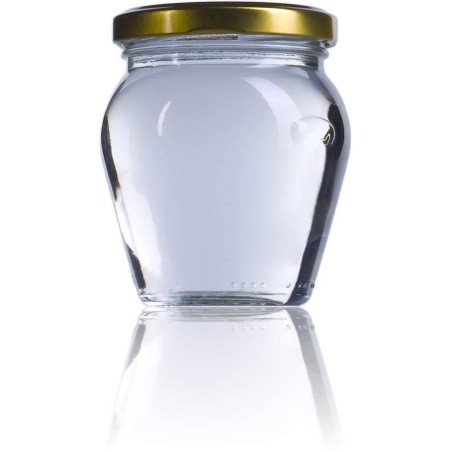
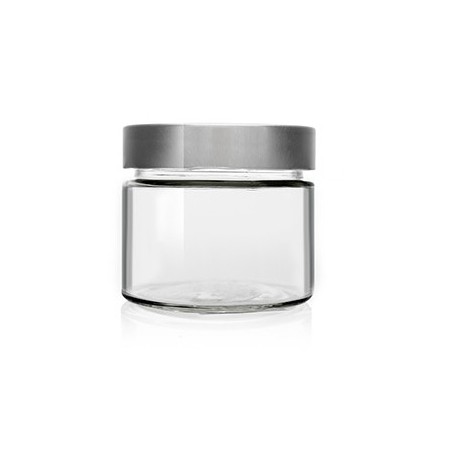
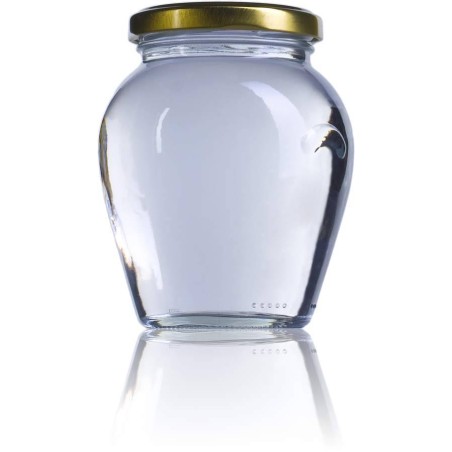
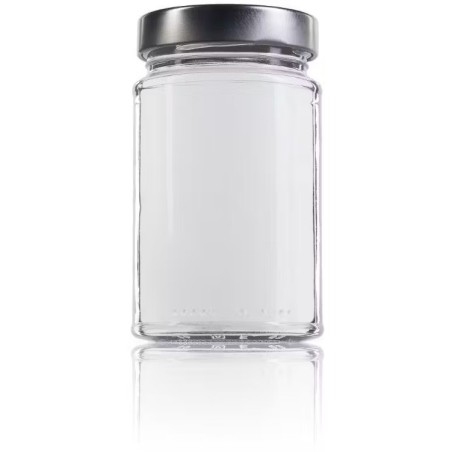
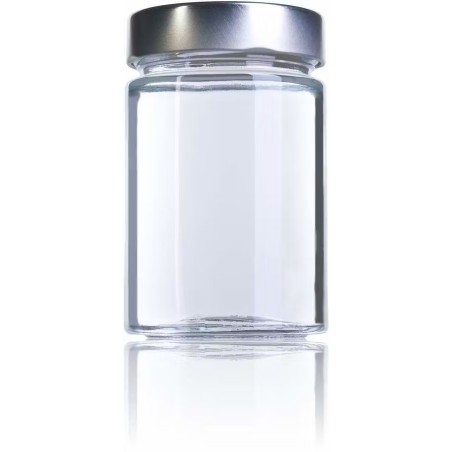
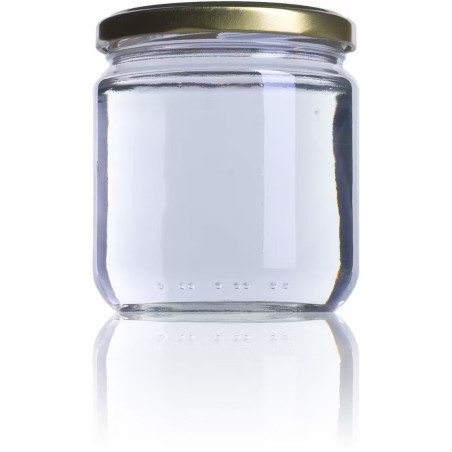
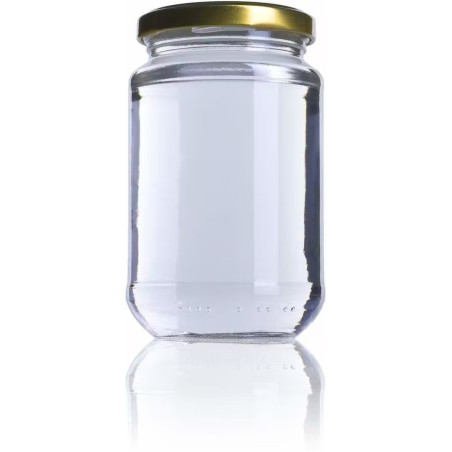
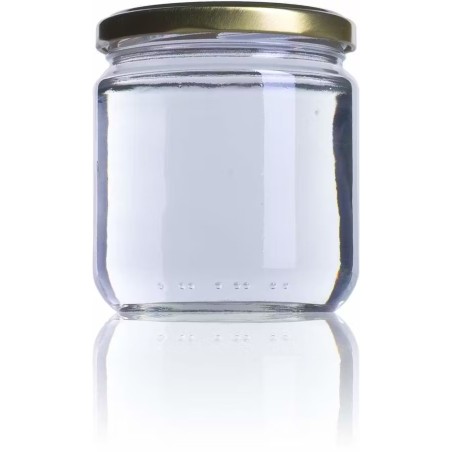
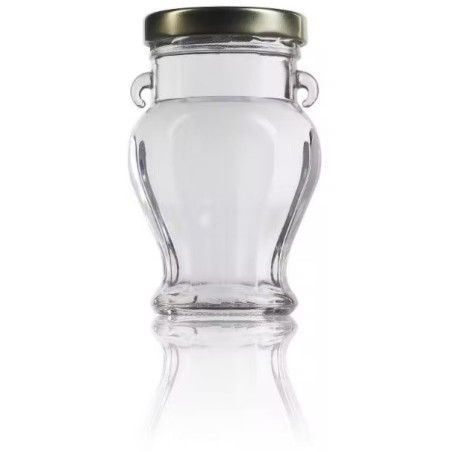
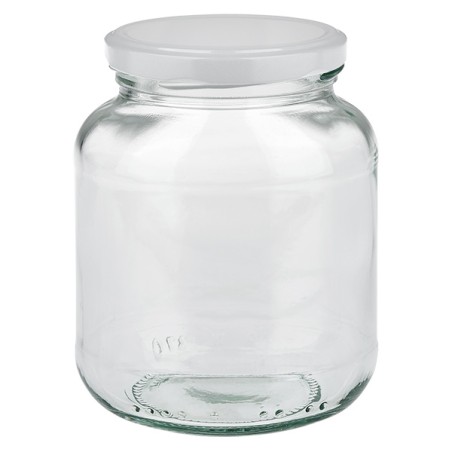
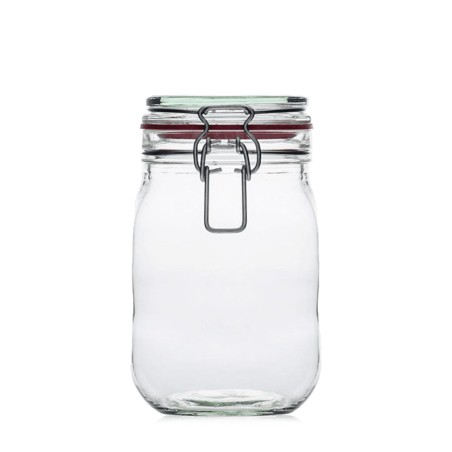
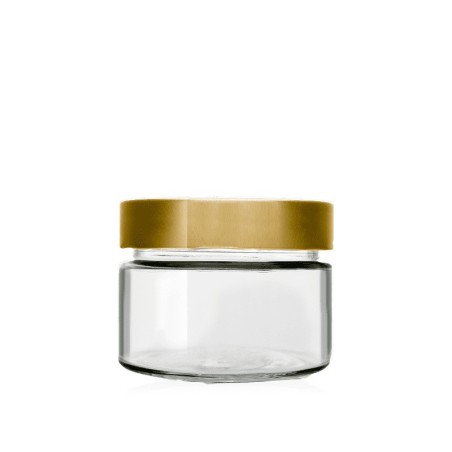
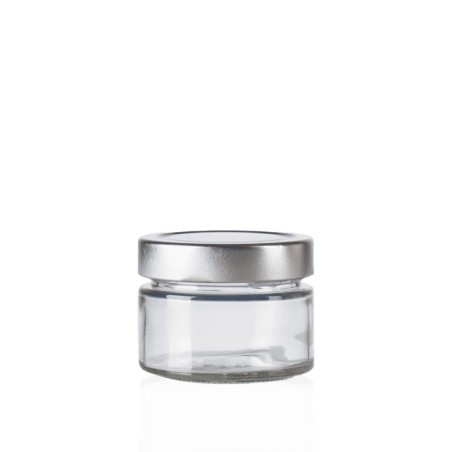
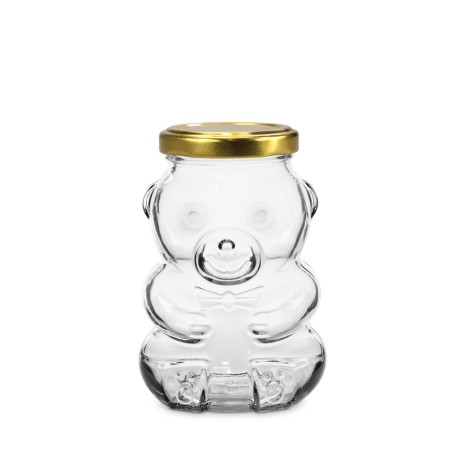
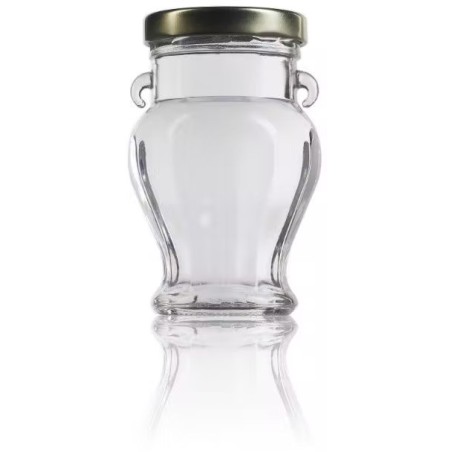
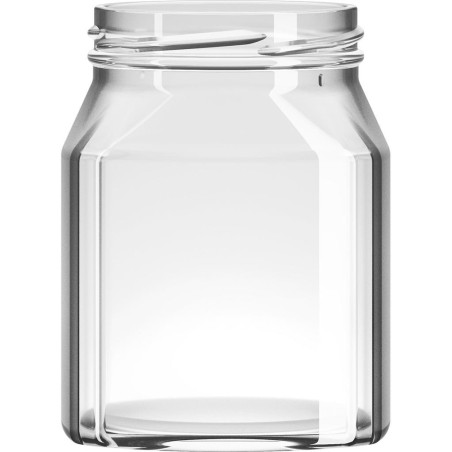
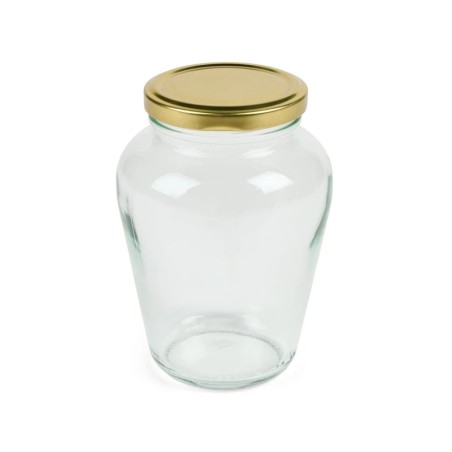
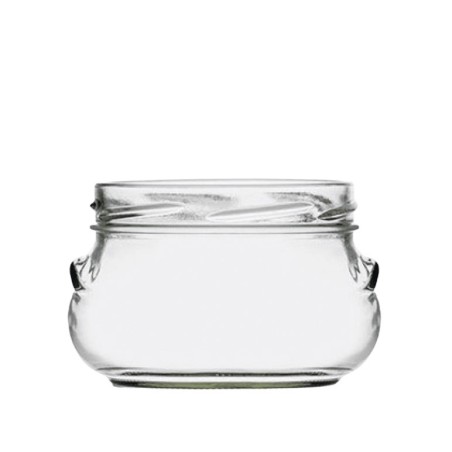
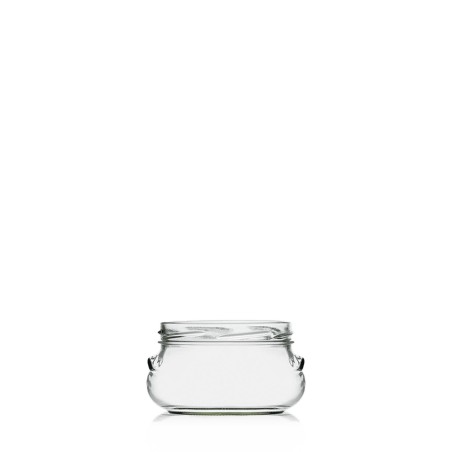
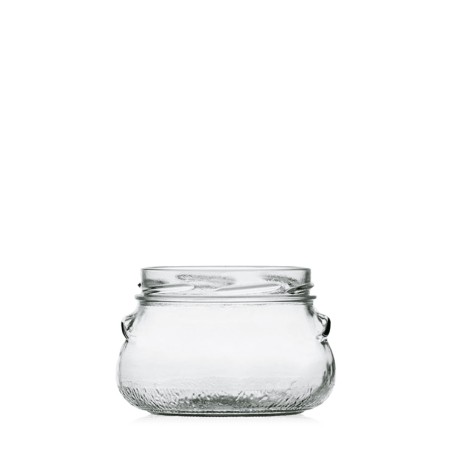

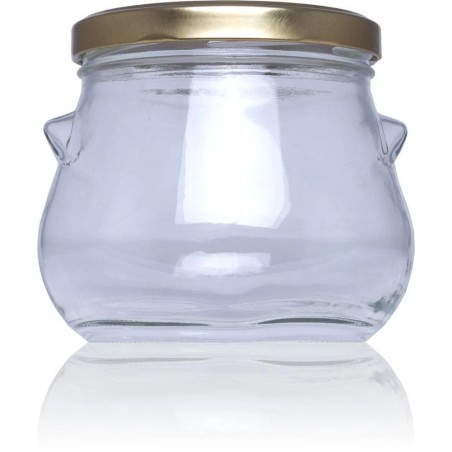
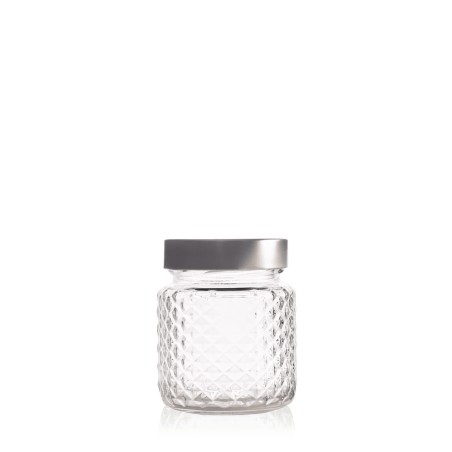
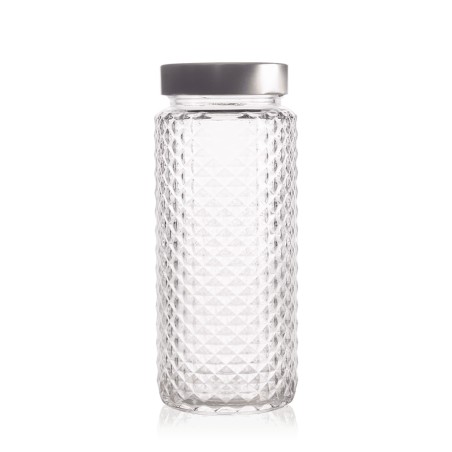
A jam jar works for honey, but check the mouth
Plenty of people buy here to pack honey, and it works: glass gives nothing to the contents and the twist-off closure withstands hot filling. But the figure that decides is not the capacity, it is the mouth diameter. A jam jar and a honey jar of the same volume can have different mouths, and a lid that is not its own will not close however hard you tighten. Before ordering a box, measure the mouth of the one you already use or ask for a sample.
And one difference that does matter between jam and honey: jam is filled hot and pasteurised, honey should not go through that. If you buy a jar meant for preserves, check that the lid is pasteurisable only if you will actually need it; for honey you do not, and you sometimes pay for a feature you never use. What you always do need is a lid that seals first time: the inner compound deforms on closing, which is why a lid is not reused — a honey jar that does not seal tight takes on moisture and ferments.
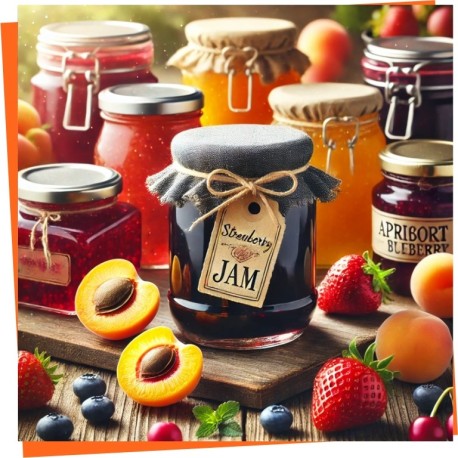
Preserving jars for jams
Worth saying up front: it is the same glass as the honey jars. Tubs, plain jars, amphoras and hexagonals are the same food-grade containers. What changes when you make jam is two specific things.
The lid has to be pasteurisable
Jam is hot-filled and often pasteurised afterwards. For that, the lid must state that it is pasteurisable: it carries a sealing compound that withstands the process. A standard lid of the same diameter can lose its seal and ruin the whole batch. You will find them in lids and closures, and the finish code — TO43 to TO100 — has to match the jar's.
Capacity is chosen by what you are going to produce
- 33 to 106 ml — samples, catering and gift favours.
- 212 to 370 ml — the usual retail range. The 290 ml and 370 ml tubs are the ones that move most.
- 520 to 850 ml — large household use and own production.
Jars are supplied by the pack, from 9 to 40 units depending on the format, and from around a thousand units it is worth looking at the general range and buying by pallet.
One warning that saves trouble: unit prices drop a lot with pack size, but homemade jam does not keep indefinitely. Buy the glass you are going to fill this season, not the one that works out cheapest per jar.
How long does jam last in a glass jar?
It is not determined by the jar alone. The recipe, acidity, amount of sugar, hygiene, seal and heat treatment all play a part. A home-made preserve made using a tried-and-tested recipe, processed and sealed correctly, will usually retain its best quality for around a year in a cool, dark and dry place; recipes with less sugar may lose quality sooner.
Once opened, refrigerate and follow the guidance on the recipe or label; a traditional jam usually retains its best quality for about a month. If you notice mould, gas, a bulging lid, leakage or a fermented smell, discard the entire contents without tasting it.
How do you open a vacuum-sealed jar of jam?
Dry the jar and lid, hold the jar firmly and use an opener designed for twist-off lids or a rubber grip to improve your hold. If necessary, warm only the lid with lukewarm water and dry it before twisting.
Do not strike the rim or insert knives or sharp objects between the lid and jar: this could crack the glass or cause injury. If the lid is bulging, the jar is leaking or damaged, or you see foam, do not use the contents; treat the preserve as spoiled.
What is the best jar size for jams?
For home use or gifts, small jars reduce the time the product remains open; medium-sized jars are suitable for frequent consumption; and large jars are only worthwhile if they are used up quickly. For sale, consider portion size, the cost of lids and labels, shipping weight and stock turnover.
If the jam is to be preserved using a heat treatment process, use the size specified in a tried-and-tested recipe. Do not replace one jar with a larger one whilst keeping the processing time the same: the heat may not be distributed evenly. Also check that the rim and lid are suitable for the process.
Can jam jars be reused?
The glass can be reused if the jar is designed for preserving, has no dents, chips, cracks or scratches, and is still compatible with the lid and the process. Check it against the light, paying particular attention to the rim and base.
The lid should not be assumed to be reusable: the sealing compound may become compromised and fail on a second sealing. For a new preserve, use a compatible, new lid or follow the specific system’s instructions exactly. Decorative jars or those of unknown origin may be suitable for dry storage, but should not be assumed to be suitable for heat treatment.
How do you prepare or sterilise jam jars?
Wash the jars and lids, rinse them and keep them warm to prevent thermal shock. Whether pre-sterilisation is required depends on the process: in validated water-bath guidelines, jars are pre-sterilised when the subsequent processing takes less than 10 minutes; for 10 minutes or more, they are washed and kept warm because they are sterilised during the process.
Follow a tried-and-tested recipe, the altitude-adjusted time and the jar and lid instructions. Lids can be boiled with the jars only if they are pasteurisable, and within the limit on their product page. And do not pour very hot contents into cold glass. Sterilising an empty jar does not make an unsuitable recipe or seal safe.
How do you create a vacuum in a jam jar?
Use a tried-and-tested recipe, fill the jar whilst the contents are still hot, leaving the recommended headspace, wipe the rim clean, fit a compatible lid and process the jar for the recommended time. As it cools, the air and steam inside contract, causing the lid to become concave and form a seal.
Simply filling and turning the jar upside down is not enough: packaging without processing does not control all microorganisms. Allow it to cool without touching the lid and check the seal afterwards. If it has not sealed, refrigerate or reprocess following a validated guide within the specified timeframe; never store a jar without a vacuum at room temperature.