
-
Beehives
- Complete beehive
- Accessories
-
Nuc hives
- Nucs by format
- With bees & mating
- Spare parts
-
Bee equipment
- For the apiary
- For the beekeeper
-
Clothing
- Clothing Accessories
-
Beeswax
-
Pure beeswax
- Beeswax and foundation
- Beeswax foundations
- Melting and rolling beewax
-
Pure beeswax
-
Bee feed
- Accessories and source materials
- Utensils
-
Bee health
- Varroa Treatments
- Diseases control
- Nutraceuticals
-
Extraction and bottling
- Before extraction
- Honey extraction
- After extraction
-
Bee pollen
- Harvest
- Indicted
-
Honey packaging
- Flasks per utility
- Flasks by size
- Other packaging
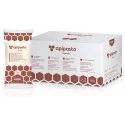 Apipasta with vitamins 15kg
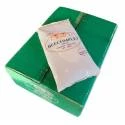 Beecomplet® Spring 14Kg
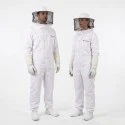 Beekeeper suit with round veil
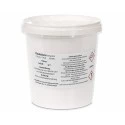 Oxalic acid 1kg
 Beeswax Foundation 5kg
 Fresh royal jelly 20g
 Classic honey jar 1kg comb-lines TO77 - Pack of 16 units
 Promotor L Apis 1 litre
Varroa treatments
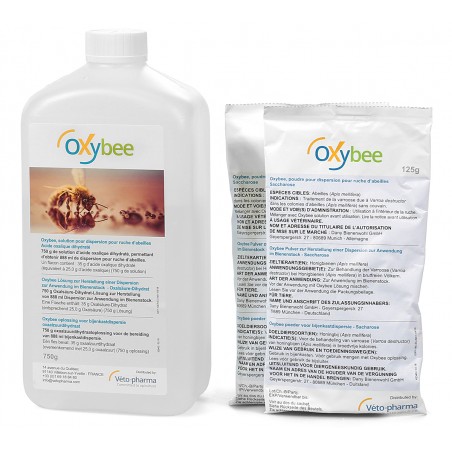
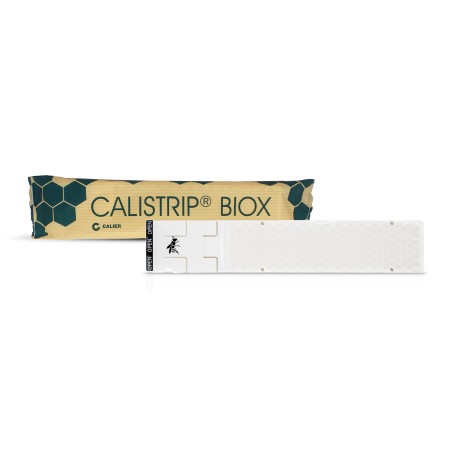
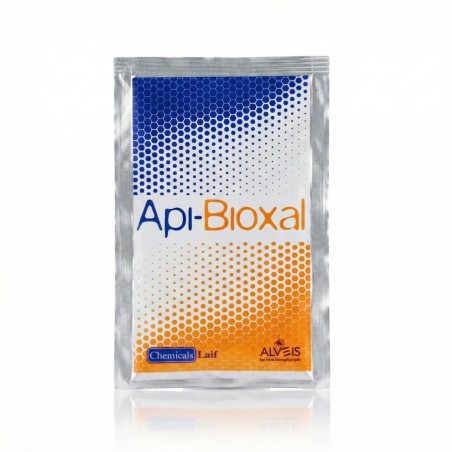
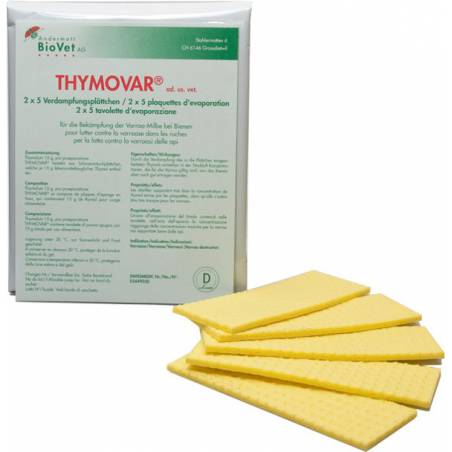
Authorised veterinary medicines against Varroa destructor: oxalic acid (Api-Bioxal), thymol (Apiguard), Varromed and Calistrip Biox strips. Always read the product data sheet.
Active substance
Price
-
€19.00 - €57.00
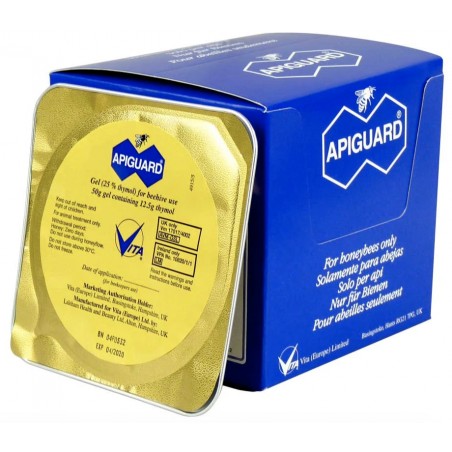
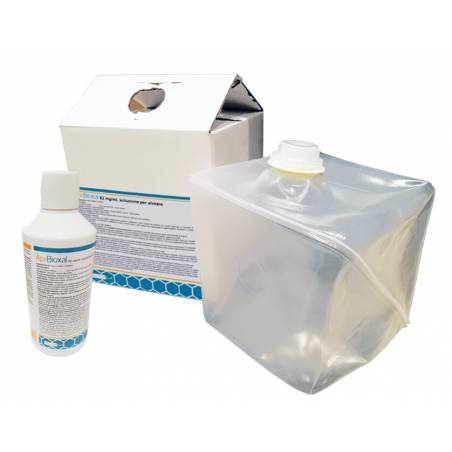
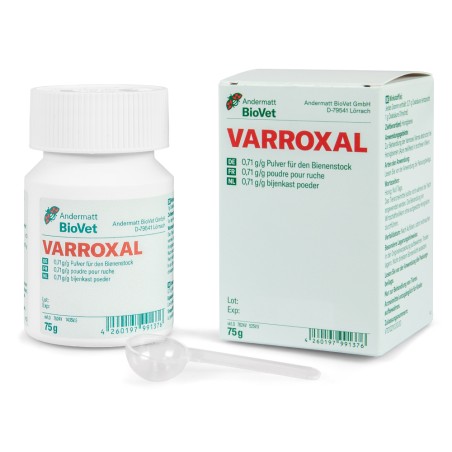

My recommendation on varroa treatments
Varroa treatments shouldn't be used as a calendar formality: “this month arrives, I put something in and forget about it”. That's one of the most dangerous mistakes. Varroa changes a lot depending on the year, the area, colony strength, the amount of brood, reinfestation, robbing and apiary management. That's why, before choosing a treatment, I'd first look at the infestation level, the presence of brood, the point in the season, the temperature, the removal of honey supers and the real state of the colony. Treating a colony with little brood isn't the same as treating a strong hive with a lot of capped brood, because a significant part of the varroa can be protected under the capping.
My advice is to always use authorized medicines, with a technical data sheet, leaflet and a veterinary prescription when applicable. No sanitary DIY, “by-ear” doses or unregistered products. It's also key to respect the duration of the treatment: leaving a strip in for less time than indicated may fall short; leaving it too long can increase residues and encourage problems. In contact treatments, placement matters a lot: they should be where the bees and the brood are, not where it's most convenient for us. And here I'll take a clear stand: treating without measuring is working blind. If you don't know how much varroa you have beforehand and don't check afterwards, you don't know whether the treatment has worked, whether you have a residual load left or whether you've suffered reinfestation.
Before buying, I'd check the active ingredient, the type of application, compatibility with your management, the use temperature, the presence or absence of brood, the withdrawal period, the protective equipment needed and the legal availability of the product. And I would never treat with honey supers intended for harvest in place. A good varroa treatment isn't just the one that kills mites; it's the one that fits the biological moment of the hive, is applied correctly and helps reach autumn with healthy winter bees. With varroa, arriving late usually costs much more than treating well.
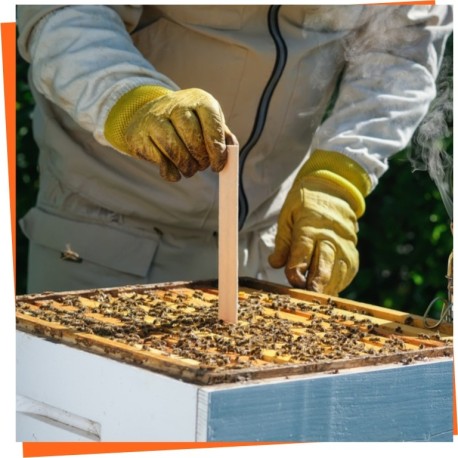
Varroa treatments
These are veterinary medicines, not supplements. What follows is context for choosing; the dose, the timing and the duration are set by each product's data sheet and, where applicable, by prescription.
There is no single treatment
The strategy adapts to the infestation level and the season, not the other way round. That is why the catalogue has different formulations and not one "best": the active, the release mechanism and the usable window all change.
- Oxalic acid (Api-Bioxal, and the glycerol version) — acts on phoretic varroa, the mites riding adult bees. That is why it performs far better in the absence of brood.
- Thymol (Apiguard, gel for 5 hives) — slow release by evaporation, so it depends on ambient temperature: outside its range it does not release what it should.
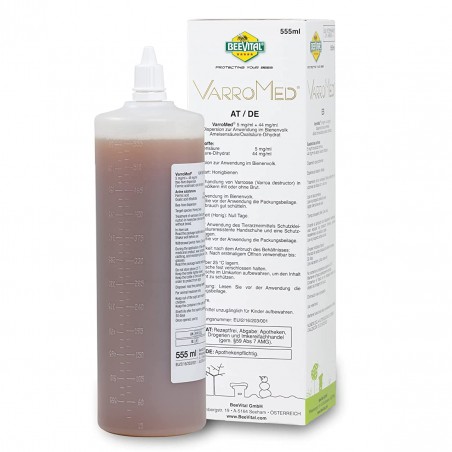
- Varromed (555 ml, 20 hives) — solution for direct application.
- Calistrip Biox (strips, 6.44 g, 5 hives) — strip format, extended release inside the hive.
When comparing, look at the formulation and the release, not just the active ingredient: two products with the same active can behave very differently.
What to be clear about
Counts rising again after treating does not always mean the product failed: in areas with dense apiaries, reinfestation from neighbouring hives is common, and it is diagnosed by counting, not by assuming.
More concentration is not more efficacy, and no treatment eradicates varroa: you live with it by controlling the level. Late-summer treatments are the ones that decide the quality of the winter bees, which are the ones that have to reach spring.
The hive matters too: screened floors and equipment that allows counting make integrated management easier. And if you treat, check compatibility with the feed you are giving.
What causes varroa?
Varroa is caused by the mite Varroa destructor, which parasitises adult bees and brood alike, weakening them and leaving them open to disease. Left untreated, the infestation can kill the colony within a few years.
How is varroa eliminated?
Fighting varroa in bee colonies calls for an integrated approach, the mainstay of which is the use of authorised treatments based on molecules such as amitraz or oxalic acid, among others. These veterinary medicines are essential to bring the infestation down and must be applied following the recommendations and the regulations in force.
Alongside those core treatments, however, there are complementary actions that can support varroa control. They include physical methods such as raising and removing drone brood, the use of screened floors, and management practices such as caging the queen. Selecting varroa-resistant bees can also form part of the overall plan.
The most important thing throughout is constant monitoring of infestation levels. Decisions should rest on careful observation and assessment of the colony, adapting the strategy as needed. In short: while authorised treatments are the backbone of varroa control, a set of complementary practices and continuous vigilance allow this pest to be managed more effectively and sustainably.
What is the best treatment against varroa?
There is no single "best" treatment; the right one varies with location, time of year and the state of the colony. Combining chemical treatments — authorised veterinary medicines based on molecules such as amitraz or oxalic acid — with management methods can give an effective answer.
Constant monitoring of infestation levels in the colony is also crucial to decide when and how to treat, and which medicines or methods to use; it largely determines how well the treatment works.
Do not forget to consult your apiary vet or a technician if you have any doubts.
What does varroa do to bees?
Varroa wounds bees by attaching to them to feed on their fat reserves. This weakens them and leaves them more vulnerable to viruses and disease. In the brood it can also interrupt development and cause deformities. Where the infestation is severe, it can lead to the collapse and death of the colony.