
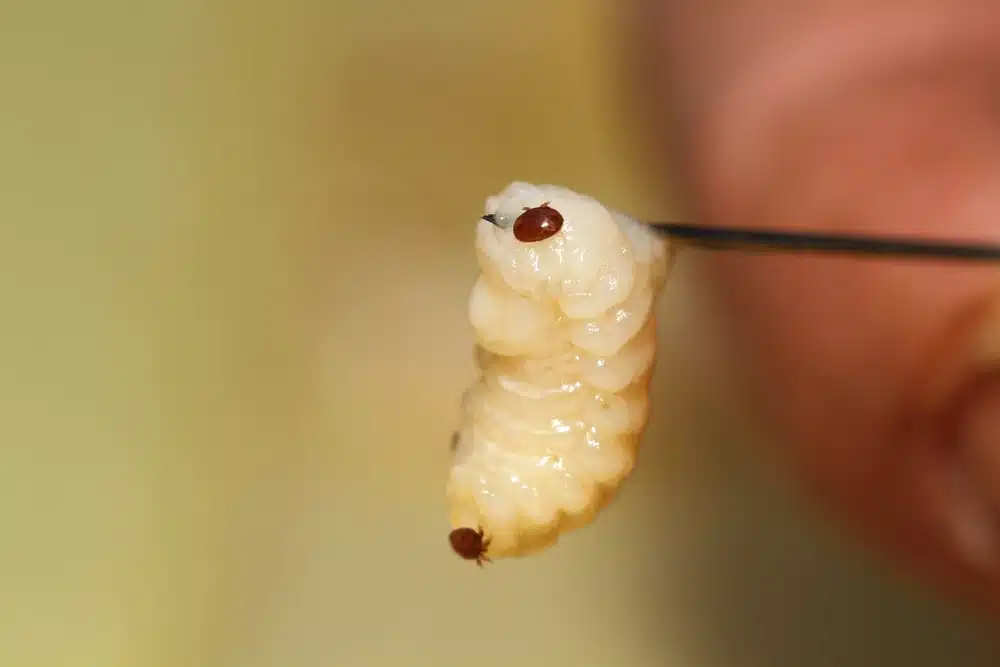
How climate and brood rearing affect varroa
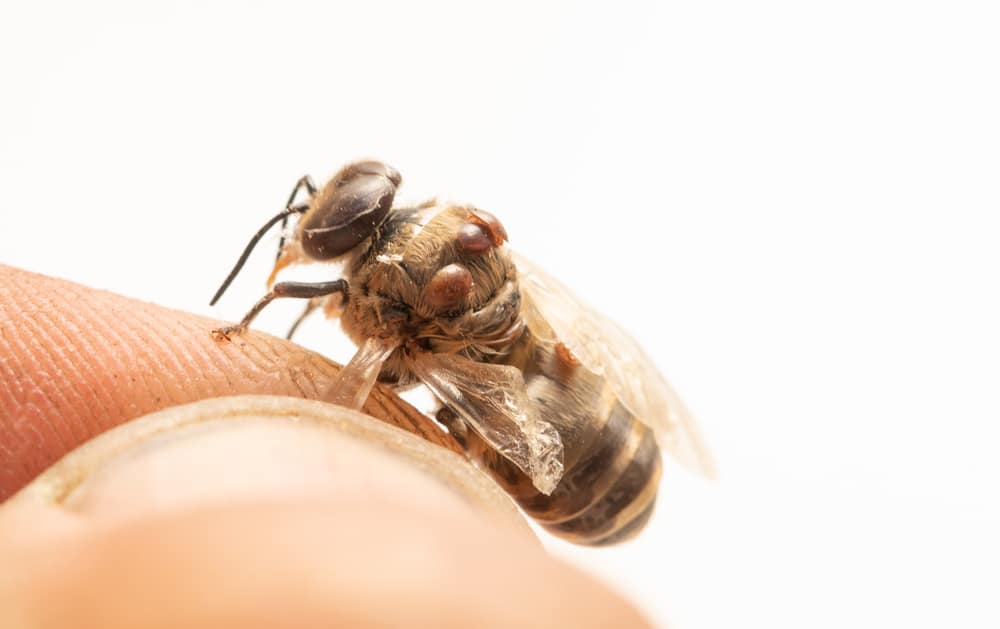
Mild winters can extend brood rearing and shorten the natural brood break that interrupts reproduction of Varroa destructor. Conditions vary between regions and seasons: temperature alone does not tell you whether a colony is broodless. Poor forage, drought and heavy stocking can add nutritional pressure. Varroa damages bees through feeding and the transmission of viruses, notably deformed wing virus (DWV). Research also distinguishes its diet on adult bees, where it consumes fat-body tissue, from its feeding on developing pupae, where haemolymph is important.
The result can be a colony entering the end of the season with too few healthy bees and a high mite burden.
Why monitoring and timely action matter
Effective control combines monitoring, suitable veterinary medicines and practical colony management. Act on mite counts and colony condition, rather than waiting for a fixed date in the calendar.
- Rapid population growth: Mite numbers can rise quickly while brood is present, and mites arriving from other colonies can add to the burden. A single end-of-season treatment is not a reliable year-round plan.
- Damage to bees and colonies: Varroa feeding and associated viruses can shorten bee lifespan and weaken the colony. Monitoring early in the season gives you time to respond before the problem becomes severe.
- Protect the next generation: Waiting until a colony is visibly failing may be too late to protect the bees already damaged. In temperate climates, pay particular attention before the colony raises its long-lived winter bees. The relevant timing depends on local brood-rearing patterns, not a universal month.
Keep a record of the monitoring method, sample size, result and date. Repeat checks after treatment to assess the remaining infestation; a large mite drop during treatment does not, by itself, prove that control was adequate.
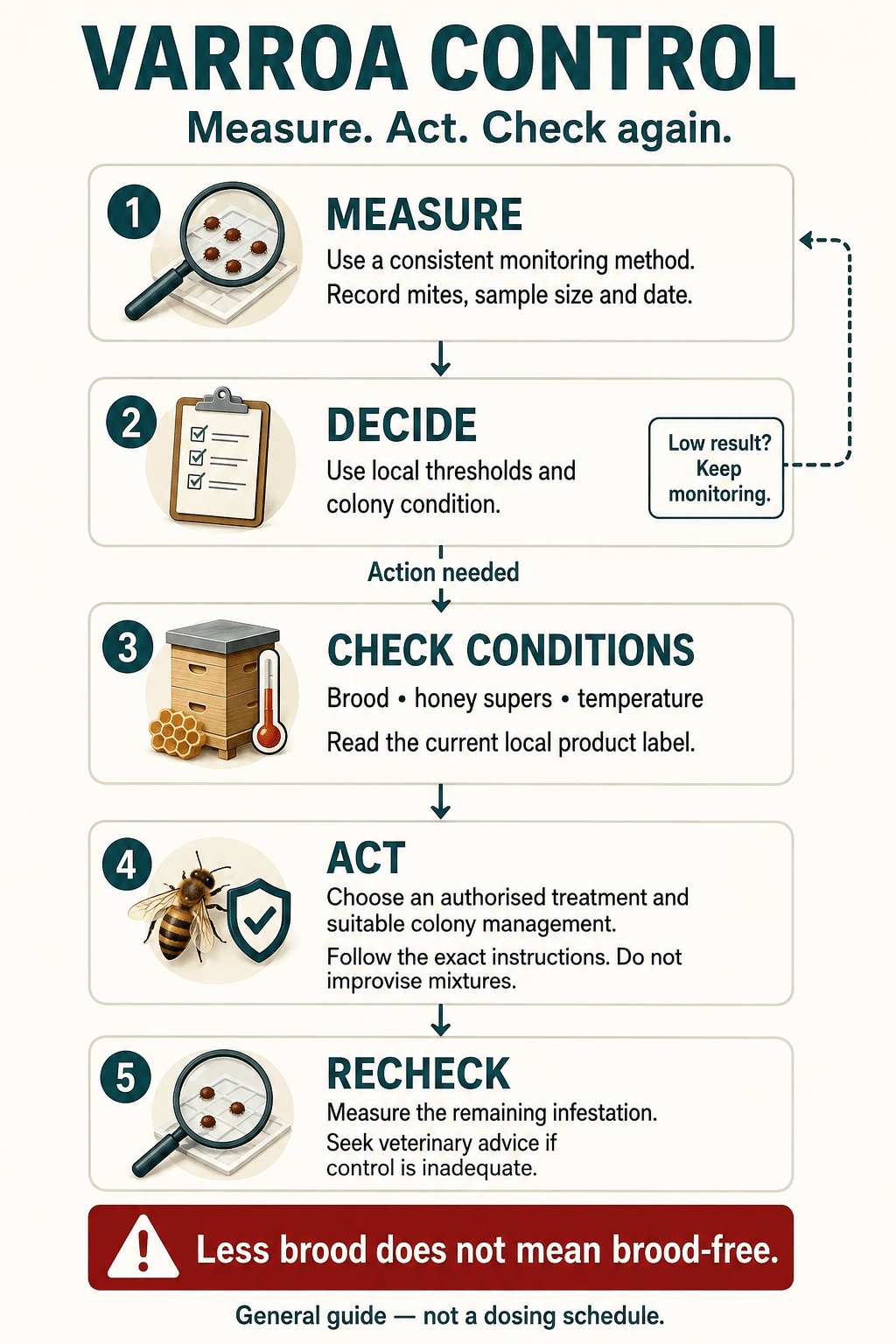
An integrated approach to varroa control
Addressing Varroa requires an integrated, year-round strategy that combines different management practices to protect colony health. The main recommendations are:
1. Monitor mite levels
Monitor representative colonies across the apiary, not just the strongest or easiest hive to open. Interpret results using thresholds appropriate to your region, season and sampling method. Before-and-after measurements are most useful when the method is consistent.
Counts can be carried out in different ways:
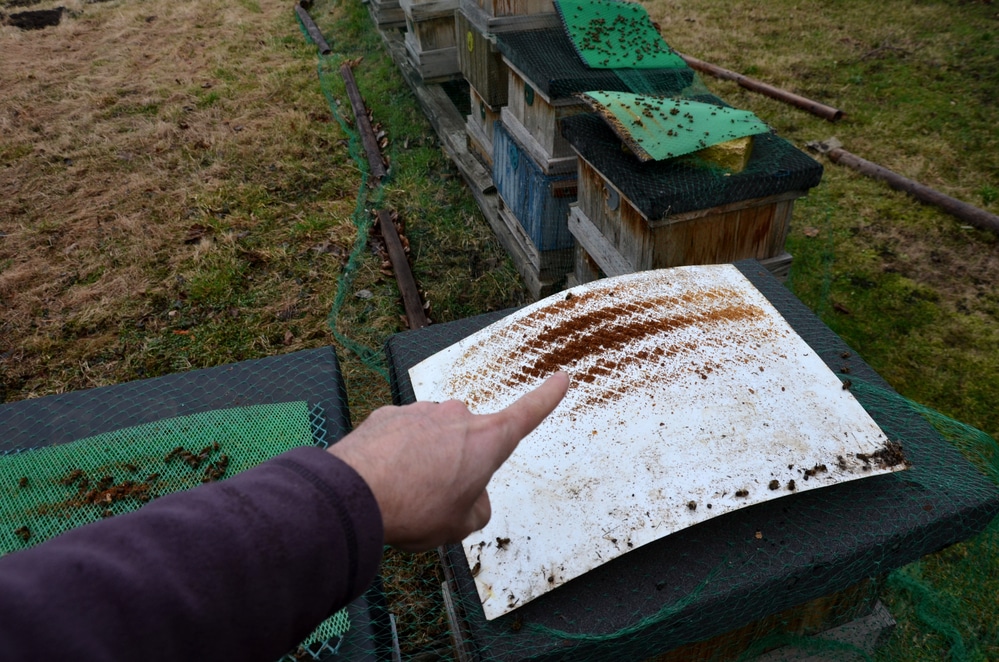
- Natural mite fall onto a monitoring board can show trends. Record the observation period and express the result as mites per day; do not equate this directly with the percentage of adult bees carrying mites.
- An adult-bee sample, commonly about 300 workers, can be assessed with an alcohol wash or another validated method. Keep the queen out of the sample; an alcohol wash kills the sampled bees. Sugar-roll and CO₂ methods need their own protocols and interpretation, rather than being treated as interchangeable.
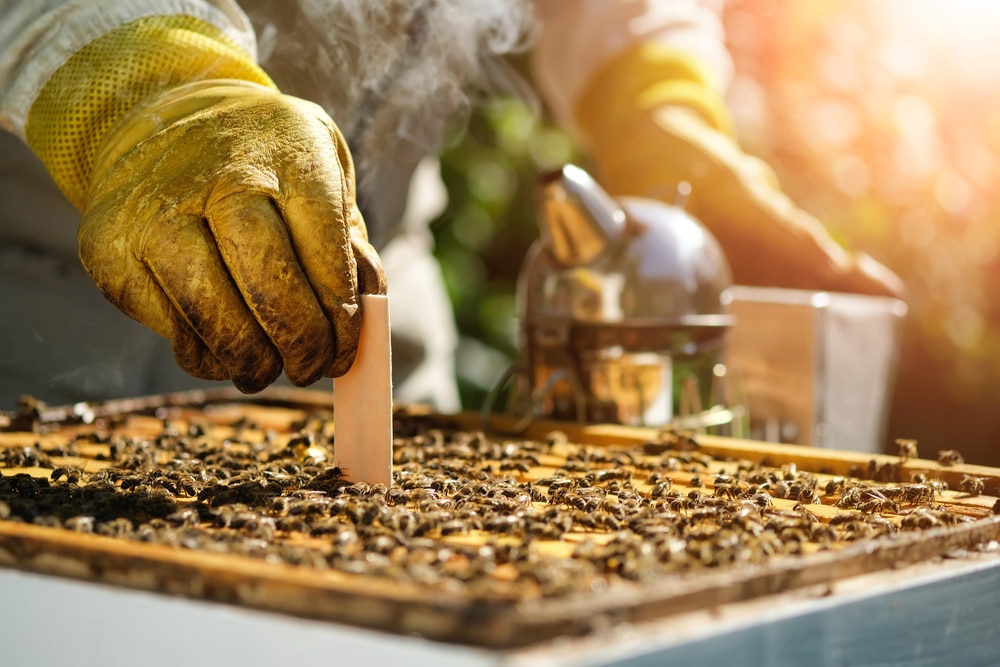
- Brood uncapping can reveal mites in sealed cells, but the result describes that brood sample. It is not interchangeable with an adult-bee infestation percentage and should not be the only basis for a treatment decision.
2. Use authorised treatments correctly
Use only authorised veterinary medicines, following the current product information in the country where the bees are kept. Check the dose, application route, brood conditions, temperature limits, treatment duration, honey restrictions and protective equipment. This article discusses examples used in Spain; it is not a dosing schedule or a substitute for veterinary advice.
3. Rotate active ingredients, not just brands
Build resistance management into the programme. Changing the brand while keeping the same active ingredient is not a meaningful rotation. The following products illustrate different treatment profiles, not a fixed sequence or an instruction to use them together. Do not mix Oxybee with other medicines or use it alongside other acaricides.
- Oxalic acid products, such as Oxybee: Oxybee is a single-application trickling treatment for brood-free colonies. Do not generalise its instructions to every oxalic acid formulation, or describe it as a residue-free treatment that can be used whenever summer arrives.
- Amitraz strips, such as Apivar: These act over a defined treatment period. The Spanish product information specifies six weeks before strip removal, a seven-day honey withdrawal period and veterinary supervision. Check the national label: instructions are not identical across countries.
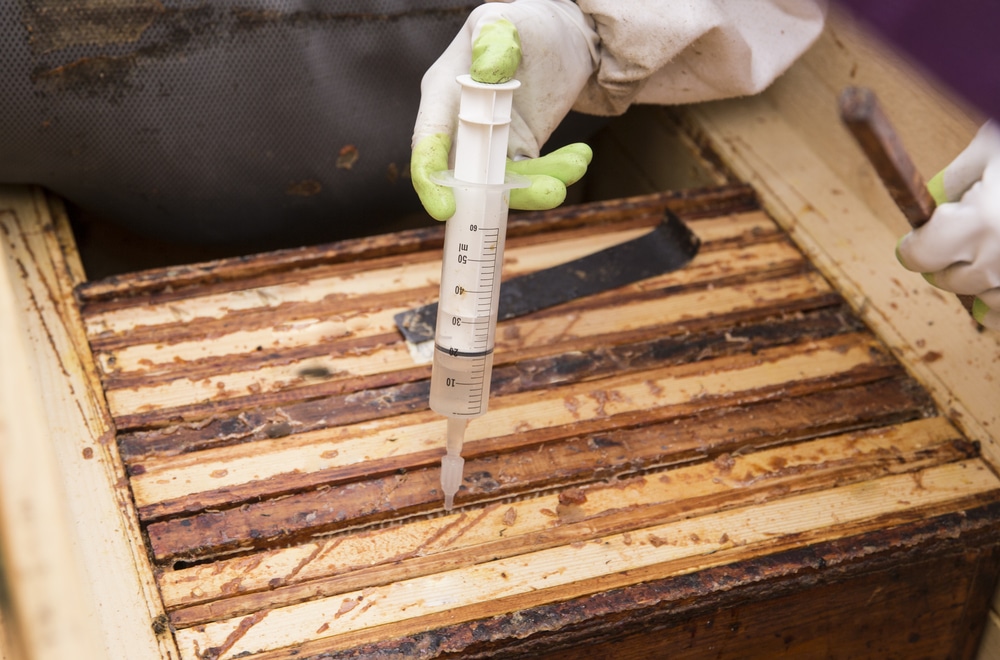
4. Plan brood breaks and colony management
A planned brood break can make some treatments more effective, but it requires careful timing and inspection. Choose a method suited to the colony and your experience:
- Requeening: A planned change of queen may create a break in laying, but requeening alone does not immediately remove existing brood. Do not assume that a young queen makes a colony resistant to treatment damage.
- Making nucleus colonies: Splitting can be part of a brood-break plan, but both the parent colony and the nuc need assessment. Simply taking a few frames from a hive does not make the parent colony brood-free.
- Natural brood breaks: Cold weather or a summer dearth may reduce or stop brood rearing. Check the combs: less brood is not the same as no brood.
- Planned brood-free periods: Brood removal or queen caging may be useful in a control programme, but neither a fixed twice-yearly schedule nor a universal percentage of mites in brood is appropriate. Plan how the colony will recover and how any retained brood will be managed.
- Hive space and colony strength: Match equipment to the colony while maintaining suitable ventilation and room for the bees. Do not crowd a colony simply to intensify a treatment; product placement and application conditions must follow its instructions.
- Food and water: Assess stores, forage and water availability, especially after brood manipulation or during drought. Feed when the colony needs support, not automatically after every treatment. Keep supplementary feed out of honey intended for harvest.
- Brood-removal splits: Removing brood from a parent colony separates mites carried on adult bees from those reproducing in sealed cells. The brood is not made mite-free by moving it elsewhere.
Plan the parent colony and brood-holding units as separate management tasks, including queen status, food and the timing of any treatment. Keep enough bees with transferred brood to care for it.
Before treating a supposedly broodless unit, inspect it. A fixed number of days after making a split is not proof: queen emergence, mating, renewed laying and the age of the retained brood all matter.
Do not transfer visibly diseased brood between colonies, or sell a new nuc on the assumption that one intervention has solved its varroa problem.
Choose treatments to suit the colony
Select the next intervention from the current mite count, brood status, forage conditions and permitted use of the product. A year-round strategy does not mean leaving medicines in the hive continuously or combining products without checking compatibility.
- During the active season: A brood-break intervention may create a treatment opportunity. For Oxybee, a reduction in brood alone is insufficient: the colony must be brood-free, and the honey-flow and honey-super restrictions still apply.
- Before overwintering: Use monitoring to decide whether further action is needed. A completed strip treatment does not guarantee protection for the entire winter; continue appropriate checks for surviving mites or reinfestation.
A summer example: the SOMA approach
SOMA (Summer Oxybee® Mite Away) is a summer brood-management approach described by Véto-pharma. Treat it as a specific management example, not evidence that every colony should receive the same summer treatment.
What is SOMA?
It separates brood-holding colonies from units intended for broodless treatment. Every resulting unit still needs a control plan.
The main stages
1. Manage the brood
Plan where the brood will go, with adequate bees and care in the receiving colonies. Concentrating brood also concentrates a potential mite burden.
2. Check conditions before treatment
For Oxybee, confirm brood-free conditions and all label requirements. Removing capped brood alone is not a reason to ignore remaining brood or honey-production restrictions.
3. Manage the brood-holding colonies
- SOMA: The published variant uses Apivar in brood-holding colonies. Its suitability must be checked against the current national label and veterinary advice.
- SOMA QUEEN: This variant uses queen caging before subsequent treatment. Confirm broodlessness and queen condition; do not rely on the calendar alone.
- SOMA ECO: Organic status does not mean harmless. Check the product, brood conditions and your certification requirements.
Safety and follow-up
Read the complete current product information before opening or applying any medicine.
– Protection: For Oxybee, use acid-resistant gloves, eye protection and protective clothing; a bee veil alone does not protect against chemical exposure.
– Application: Use the labelled route and dose. Oxybee is for trickling, not sublimation, and should not be repeated on the same generation of workers.
– Follow-up: Record treatment and removal dates, observe colony condition and check the remaining mite level. Seek veterinary advice if control is inadequate or adverse effects occur.
Conclusion
Managing Varroa destructor is an ongoing cycle of measuring, choosing an appropriate intervention and checking the result. Brood management, veterinary medicines and good nutrition have different roles; none replaces the others. Keep the programme flexible, but do not improvise doses, extend treatment periods or assume that a low count will remain low.
Reference points for this review: Spanish Apivar product information; Oxybee official product information; Véto-pharma’s SOMA description; monitoring principles; and research on varroa feeding. Product information may change: always check the current local authorisation before use.

ISNI 0000 0005 1801 1100 | Joshua Ivars is the manager of LA TIENDA DEL APICULTOR and the author of this blog, where he shares technical and practical guidance for beekeepers. Drawing on extensive experience in the beekeeping sector, he offers advice and solutions based on beekeepers’ real needs, sharing his knowledge of equipment and essential beekeeping practices.


