
-
Beehives
- Complete beehive
- Accessories
-
Nuc hives
- Nucs by format
- With bees & mating
- Spare parts
-
Bee equipment
- For the apiary
- For the beekeeper
-
Clothing
- Clothing Accessories
-
Beeswax
-
Pure beeswax
- Beeswax and foundation
- Beeswax foundations
- Melting and rolling beewax
-
Pure beeswax
-
Bee feed
- Accessories and source materials
- Utensils
-
Bee health
- Varroa Treatments
- Diseases control
- Nutraceuticals
-
Extraction and bottling
- Before extraction
- Honey extraction
- After extraction
-
Bee pollen
- Harvest
- Indicted
-
Honey packaging
- Flasks per utility
- Flasks by size
- Other packaging
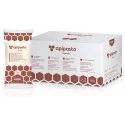 Apipasta with vitamins 15kg
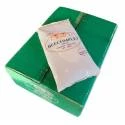 Beecomplet® Spring 14Kg
 Beekeeper suit with round veil
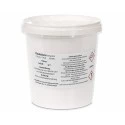 Oxalic acid 1kg
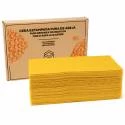 Beeswax Foundation 5kg
 Fresh royal jelly 20g
 Classic honey jar 1kg comb-lines TO77 - Pack of 16 units
 Promotor L Apis 1 litre
Preserving Jars
Glass jars for preserves, from 212 to 850 ml, in TO63 to TO100 finishes and with deep-mouth versions. For hot filling with a pasteurisable lid.
Capacity
Finish
Honey capacity
Price
-
€8.00 - €37.00
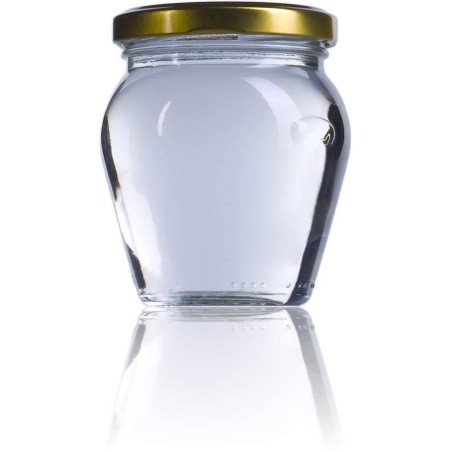
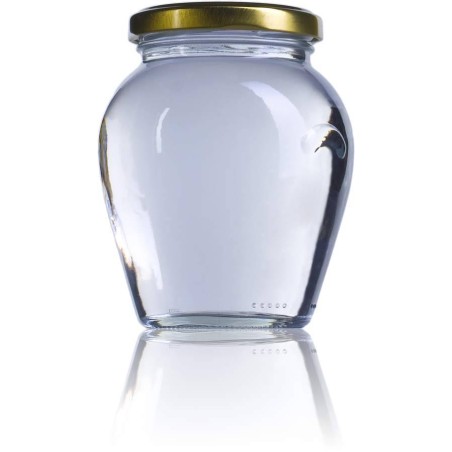
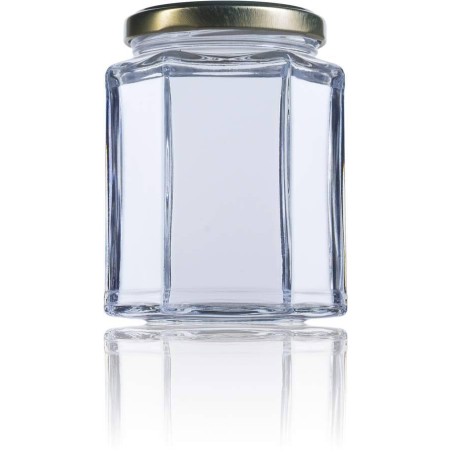
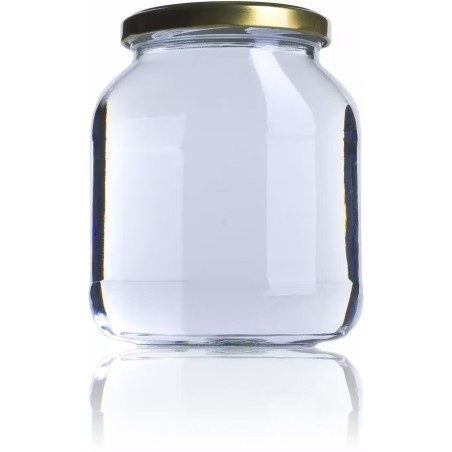
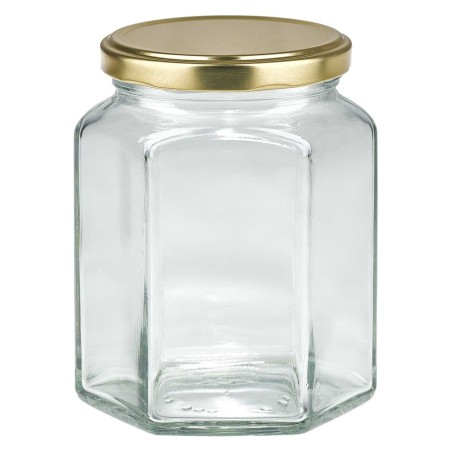
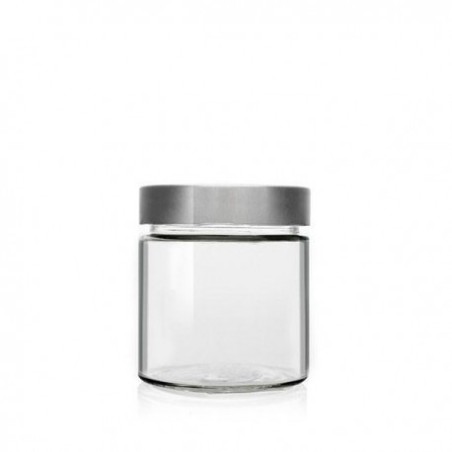
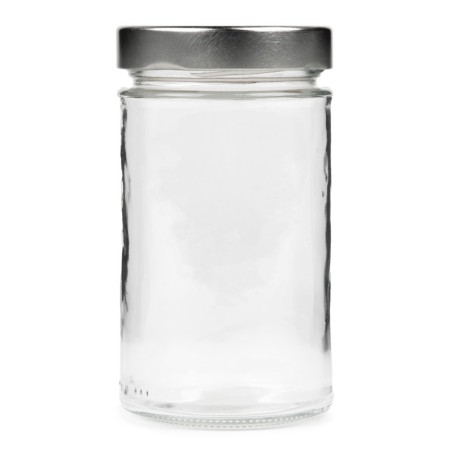
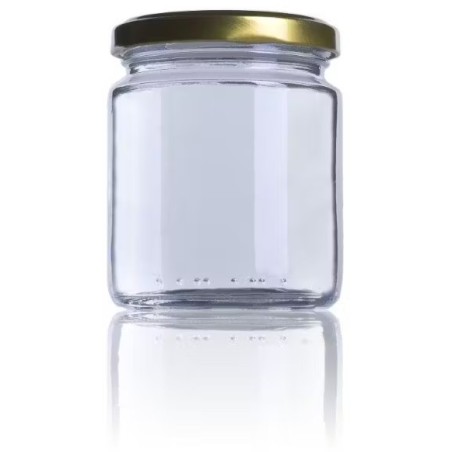
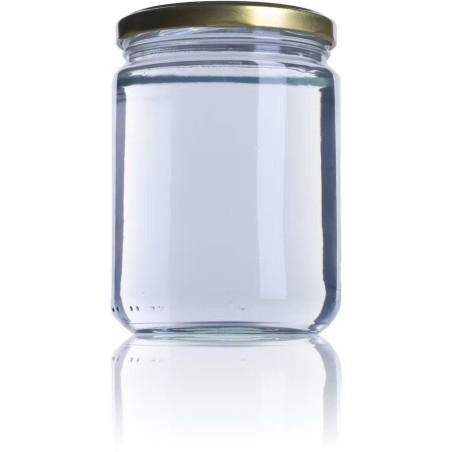
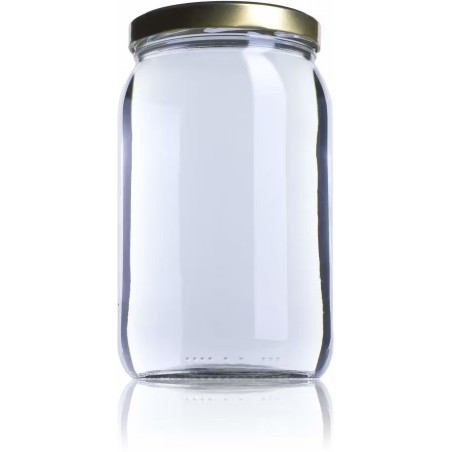
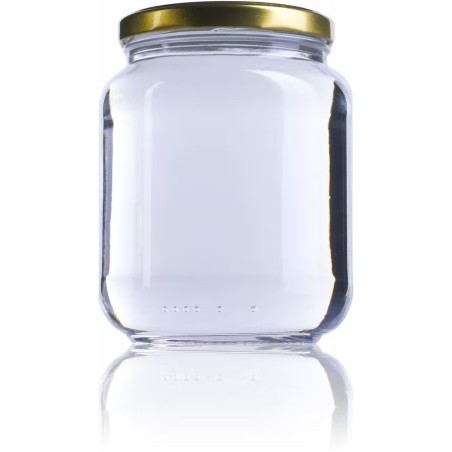
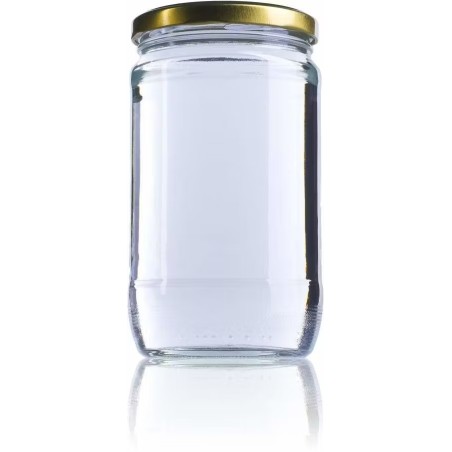
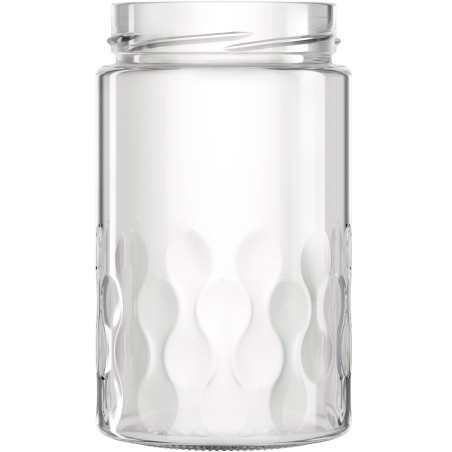
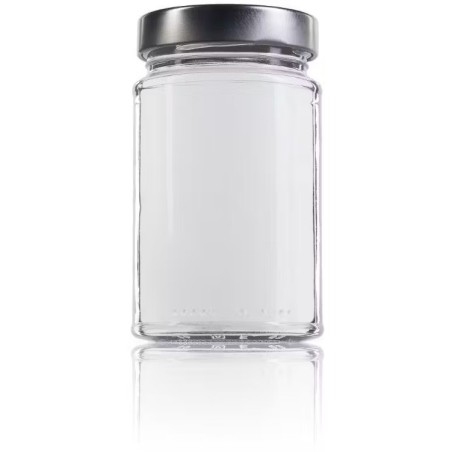
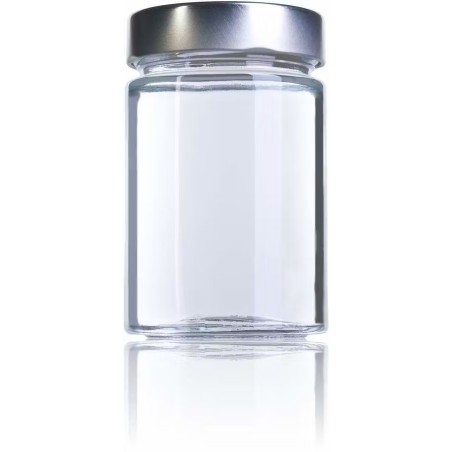
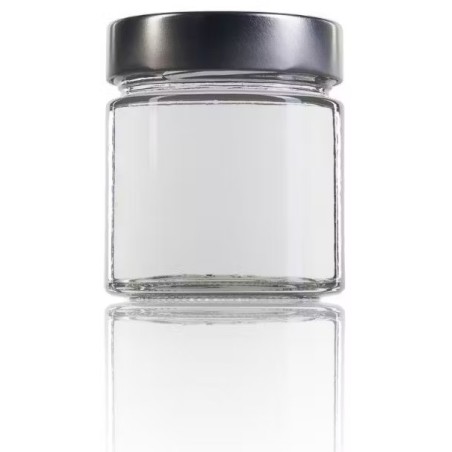
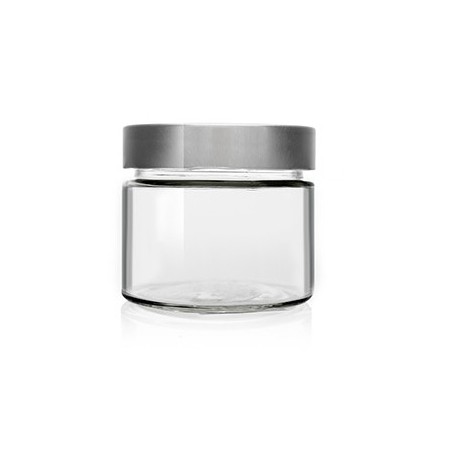
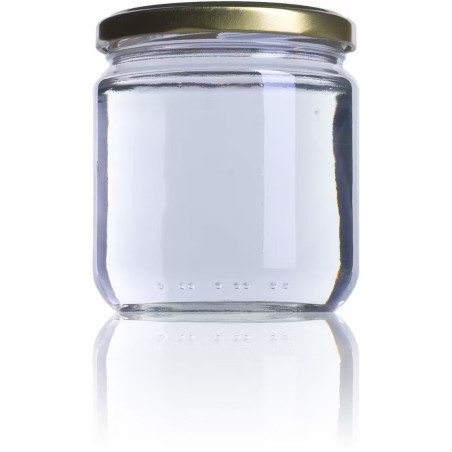
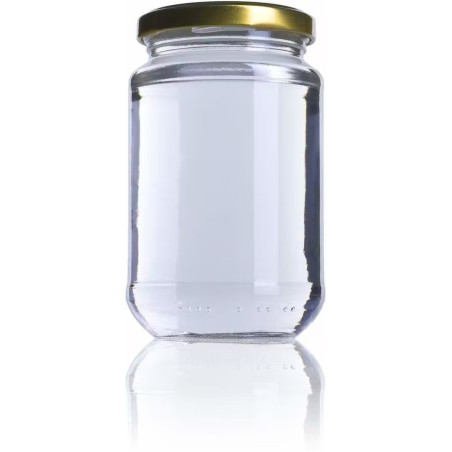
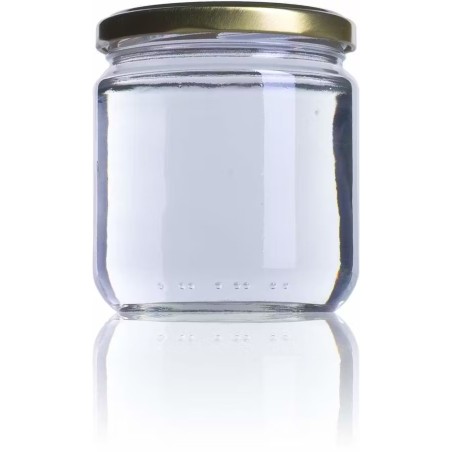
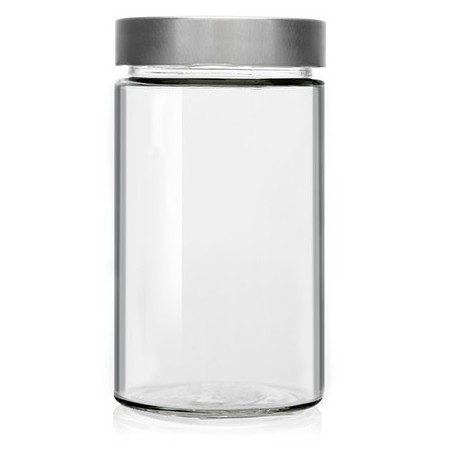
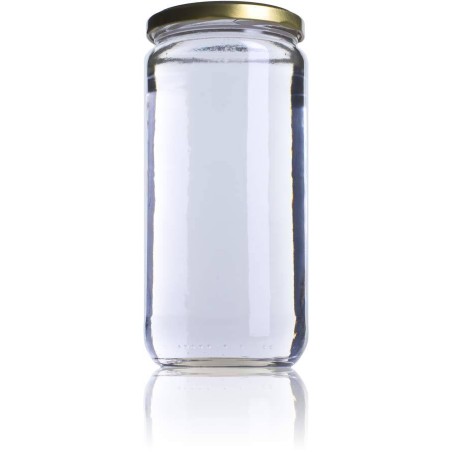
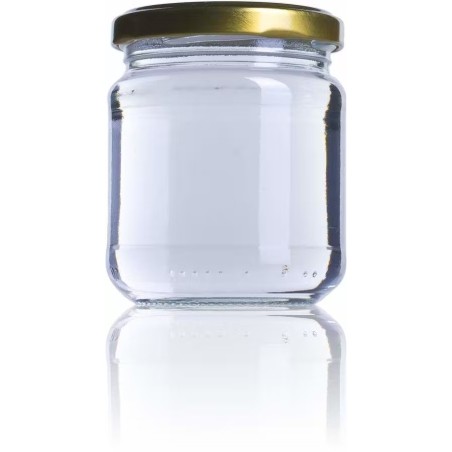
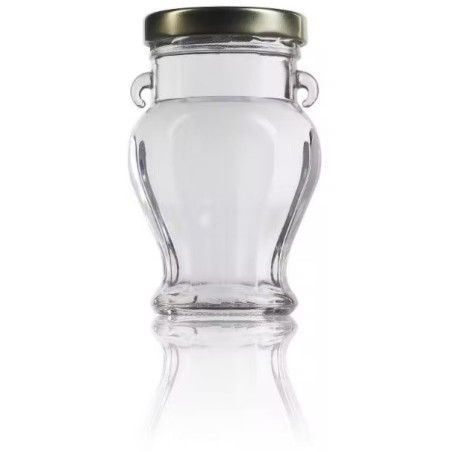
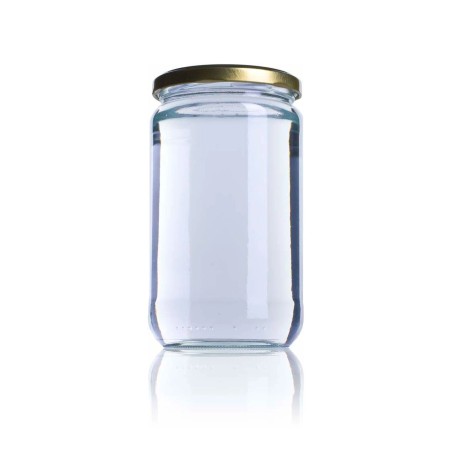
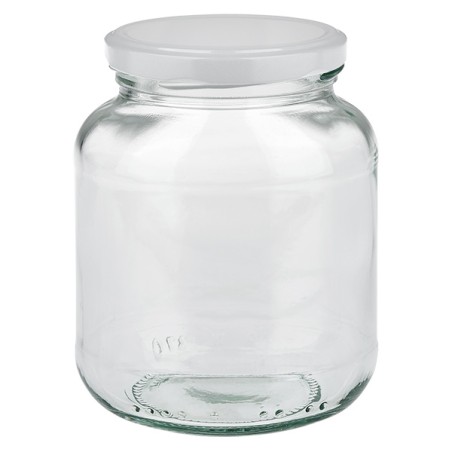
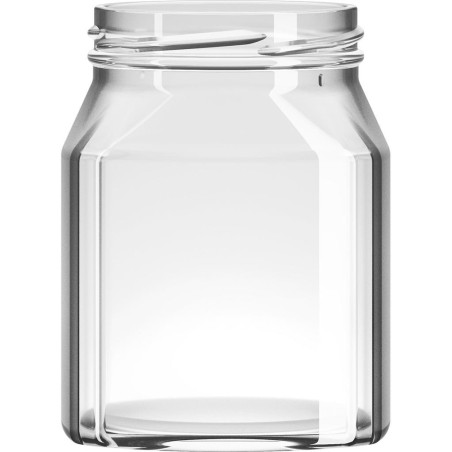
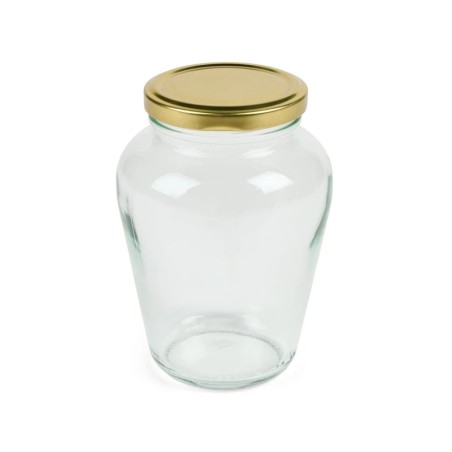
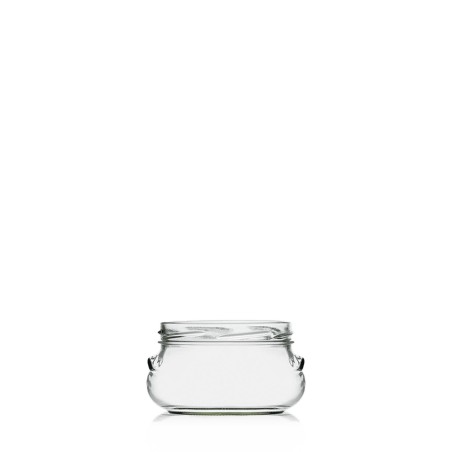
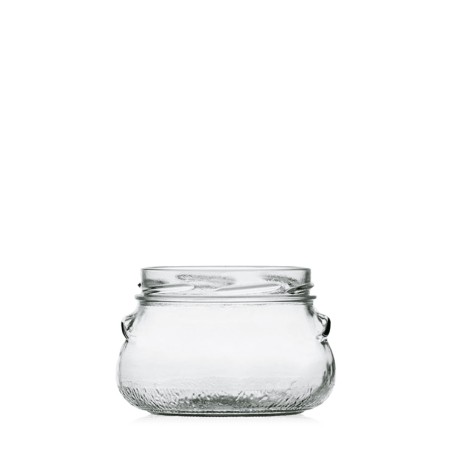

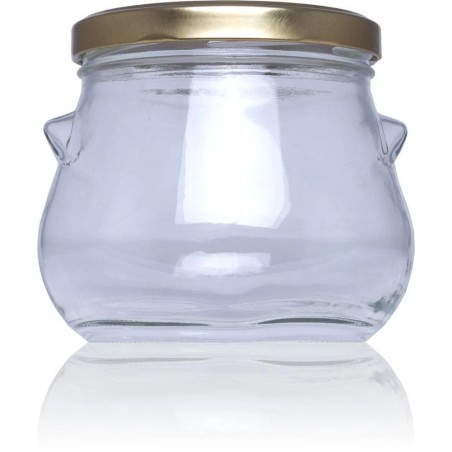
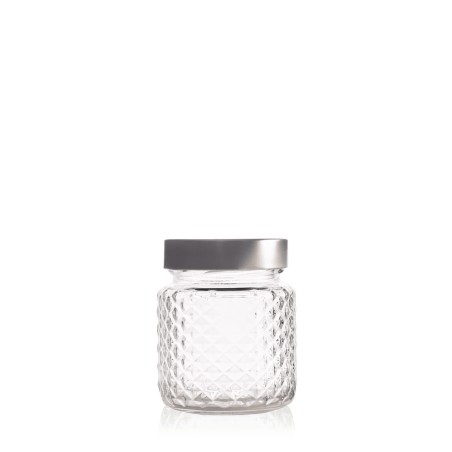
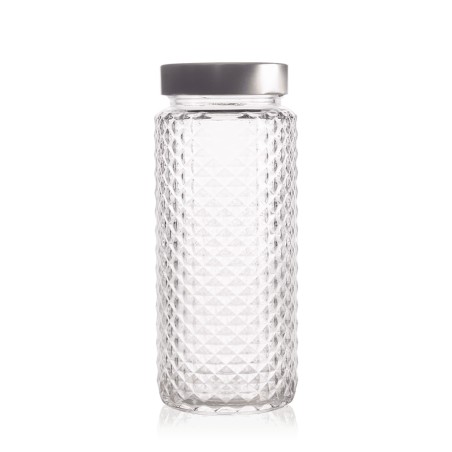
The wide mouth, which looks like a detail, is their best feature for honey
These jars are designed for putting solids in and getting them out, which is why their mouth is wider than a conventional honey jar's. For preserves that is functional; for honey it turns out to be a real advantage, because almost all honeys end up crystallising and crystallised honey is spooned out, not poured. With a narrow mouth the customer fights the jar; with a wide one, they do not.
What is worth checking before buying is the lid. A preserve jar usually comes with a closure meant for pasteurising, and you pay for that feature; for honey you do not need it. And the figure that must match is not the volume, it is the mouth diameter: a lid of another size will not close however hard you tighten. If you buy jar and lid separately, check both quote the same TO — and remember a lid is not reused: the inner compound deforms on sealing, and a lid that no longer seals tight lets the honey take on moisture.
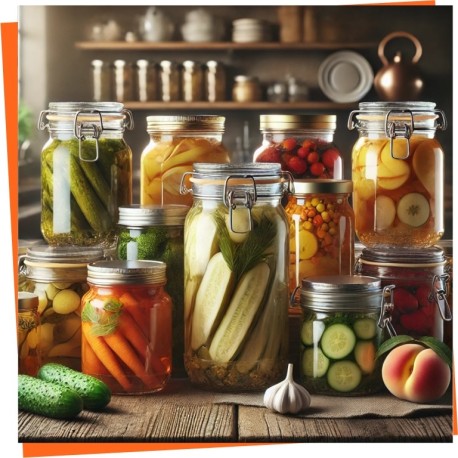
Preserving Jars
Preserving is the most demanding use in this family, because the jar does not just contain: it has to survive the process.
The lid decides, not the jar
The glass is the same as for honey and jam. What changes is that here the lid has to be pasteurisable and say so on the page: it carries a sealing compound that withstands hot filling and the later water bath. A standard lid of the same diameter can lose its seal and leave the whole batch without vacuum.
And the code has to match exactly: here there are TO63 to TO100 mouths, plus deep-mouth versions that do not cross over with the standard one of the same number. A 410 ml TO82 Deep jar will not seal with an ordinary TO82 lid. Lids are in lids and closures.
Wide mouth for anything with pieces
If you are packing whole fruit or chopped tomato, a wide mouth — TO82, TO100 — saves you breaking the product going in and coming out. For sauces and purées a narrow mouth is fine, and it seals over less surface, which is marginally safer. Vegetables and pulses are a different matter: being low-acid, they need a pressure canner, above the 100 °C a pasteurisable lid is rated for; only acid or acidified foods, following a recipe, go in a water bath.
Capacities
From 212 ml (single portion) to 850 ml (family), by way of 228, 290 and 640 ml tubs. Packs run from 9 to 25 units depending on the format and the price on the page is for the complete pack.
One warning that is not about the glass but matters just as much: check the seal before storing. If the centre of the lid has not pulled down on cooling, or gives when pressed, that jar has no vacuum and does not go into storage as a preserve.
How do you sterilise and reuse glass preserving jars?
The glass jar can be reused; the lid cannot.
- Run a finger round the rim: a nick or chip, however small, can stop it sealing even with a new lid. If the glass has cracks or knock marks, that jar is done with water-bath preserving.
- Wash it in hot soapy water, rinse it and keep it hot until you fill it; if you have boiled it, drain it just before filling.
- Boiling it empty is only needed if the filled jar will be processed for less than 10 minutes; with longer processing, the bath itself sterilises it.
A Twist-Off lid is single-use for preserving: its gasket takes the shape of the glass rim at the first closing and will not seal the same way again. For every preserve, a new lid with the same mouth code as the jar.
How long do preserves keep in glass jars?
How long it keeps is not down to the glass — which does not react with the food, but does not sterilise it either — but to the recipe, the processing and the seal. A preserve made to a tested recipe, with its seal checked, should be eaten within the year and stored somewhere cool, dark and dry.
Before opening, check the jar: the centre of the lid should still be pulled down and not give when pressed. If the lid is domed or rusty, leaks or releases gas, throw it away without tasting. And do not trust appearances: botulinum toxin does not change colour, smell or taste, so with vegetables and pulses the only guarantee is having pressure-canned them or acidified them to a recipe.
What kind of containers should be used for preserves?
A glass jar with a rim free of chips and a new, pasteurisable Twist-Off lid with the same code as the mouth: the diameter (TO63, TO82…) and the height, standard or Deep. As for size, use the one the recipe gives: the processing time is worked out for that jar, and in a larger one the heat may not reach the centre in the same way.
If the recipe calls for a pressure canner, above 100 °C, the lid has to be sterilisable. And jars from shop-bought products or of unknown origin are better kept for dry storage than for heat processing.
What are preserving jars?
They are glass jars designed to seal airtight and withstand the heat processing of preserves. Glass gives nothing off into the food and lets you see the contents without opening, and the mouth is a standardised thread: its code gives the diameter (TO63, TO82…) and whether it is standard or deep-finish (Deep).
Almost all of them are sold without a lid: the pasteurisable Twist-Off is bought separately, new for every preserve and with the same mouth code as the jar, in the colour and finish you prefer.
How long should preserving jars be boiled?
There are two separate boils, and it pays not to mix them up:
- The empty jar, before filling: 10 minutes at a boil under 2.5 cm of water, plus one minute for every further 300 m of altitude above 300 m. It is only needed if the filled jar will be processed for less than 10 minutes; for longer processing, washing it and keeping it hot is enough, because the bath itself sterilises it.
- The filled, closed jar: the recipe sets the time according to the food, the jar size and the altitude, counted from when the water returns to the boil. There is no single time that suits everything.
Lids can be boiled with the empty jars if they are pasteurisable: loose, and within the limit on their product page. Boiling the empty jar only leaves it clean for filling; what preserves the food is processing the filled jar.