
-
Beehives
- Complete beehive
- Accessories
-
Nuc hives
- Nucs by format
- With bees & mating
- Spare parts
-
Bee equipment
- For the apiary
- For the beekeeper
-
Clothing
- Clothing Accessories
-
Beeswax
-
Pure beeswax
- Beeswax and foundation
- Beeswax foundations
- Melting and rolling beewax
-
Pure beeswax
-
Bee feed
- Accessories and source materials
- Utensils
-
Bee health
- Varroa Treatments
- Diseases control
- Nutraceuticals
-
Extraction and bottling
- Before extraction
- Honey extraction
- After extraction
-
Bee pollen
- Harvest
- Indicted
-
Honey packaging
- Flasks per utility
- Flasks by size
- Other packaging
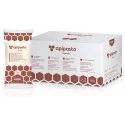 Apipasta with vitamins 15kg
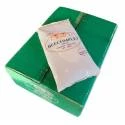 Beecomplet® Spring 14Kg
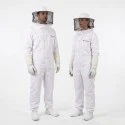 Beekeeper suit with round veil
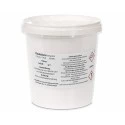 Oxalic acid 1kg
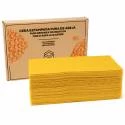 Beeswax Foundation 5kg
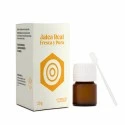 Fresh royal jelly 20g
 Classic honey jar 1kg comb-lines TO77 - Pack of 16 units
 Promotor L Apis 1 litre
Hive entrances
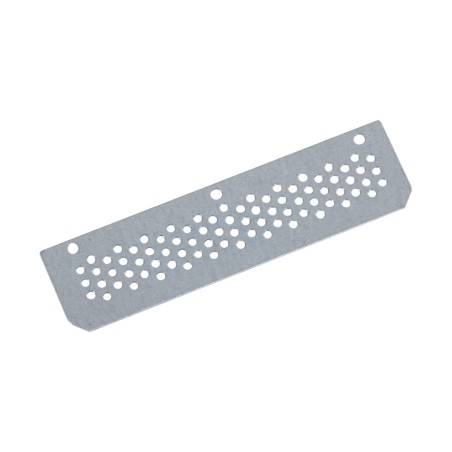
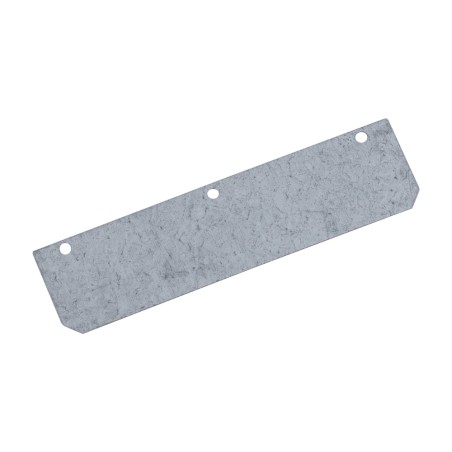
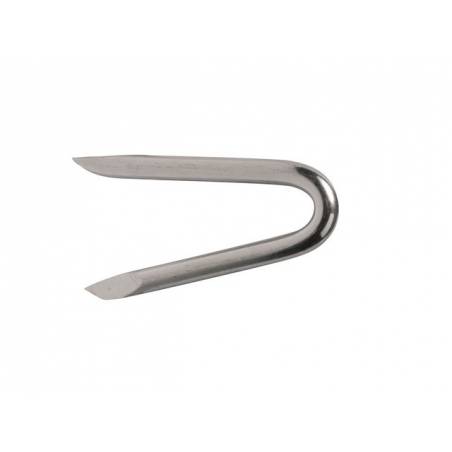
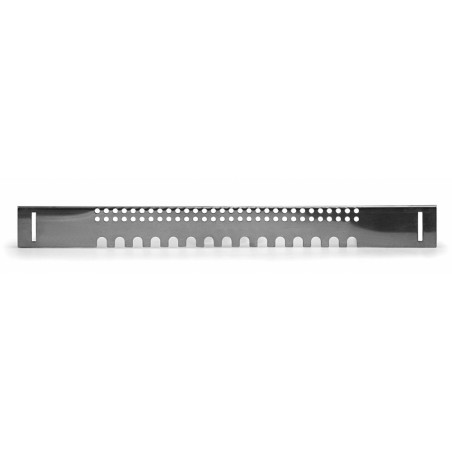
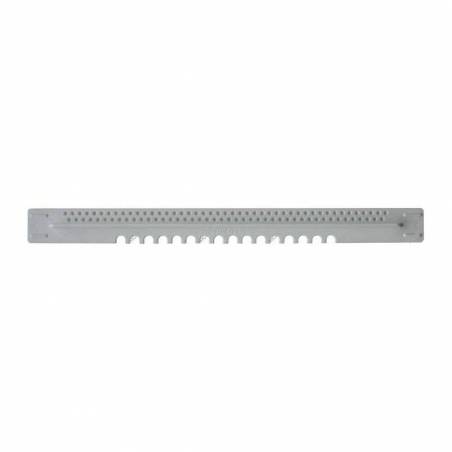
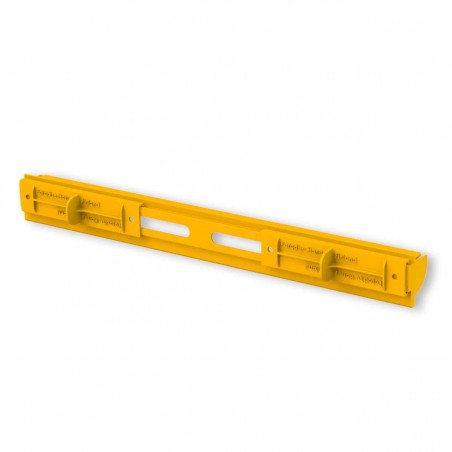
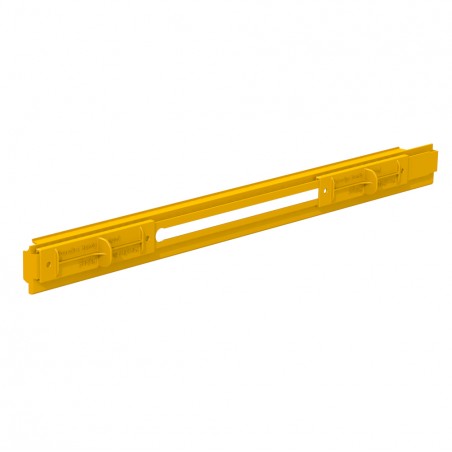
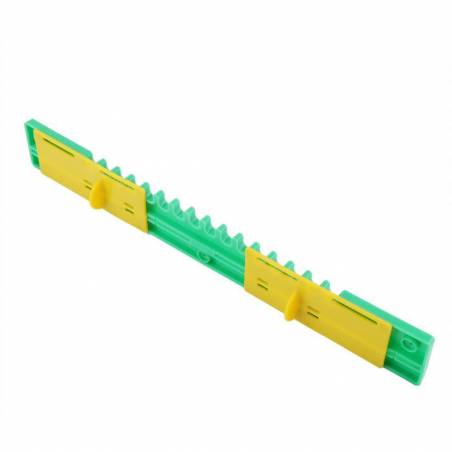
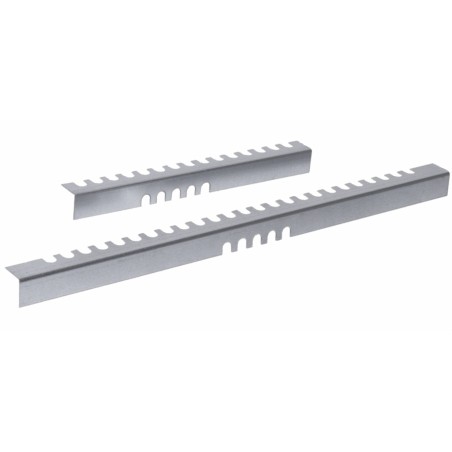
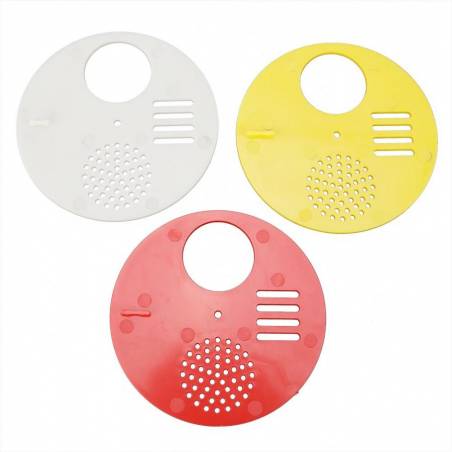
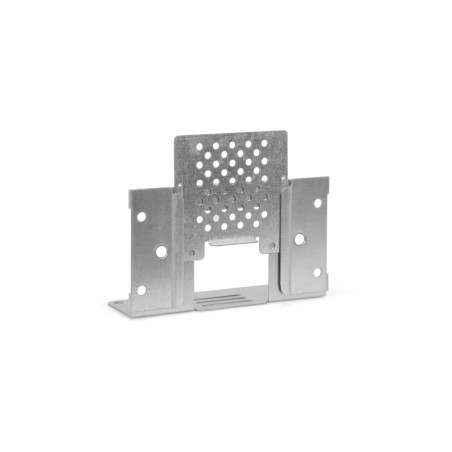
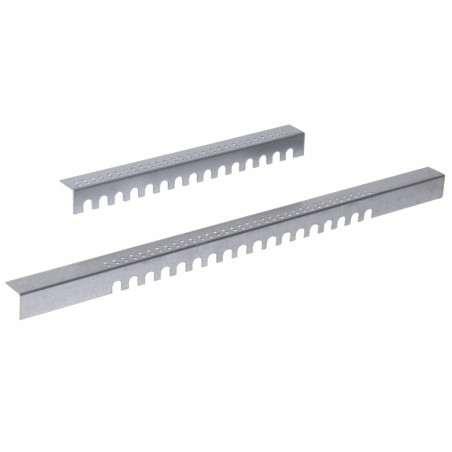
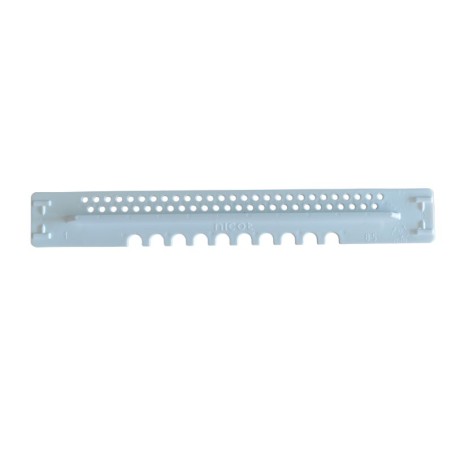
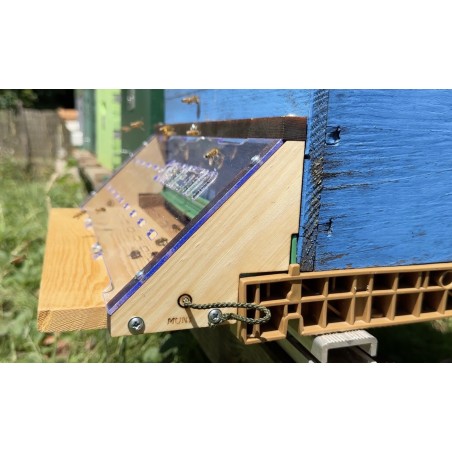
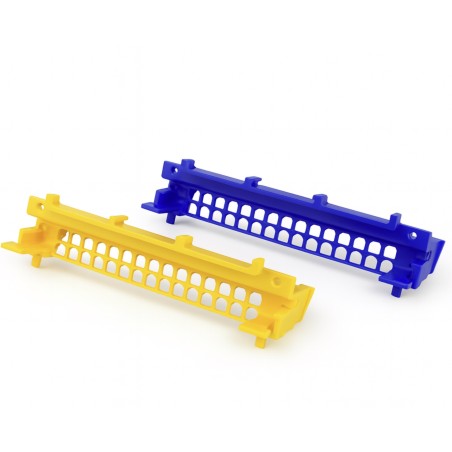
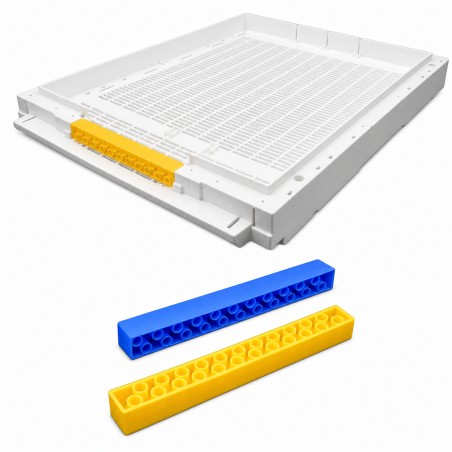
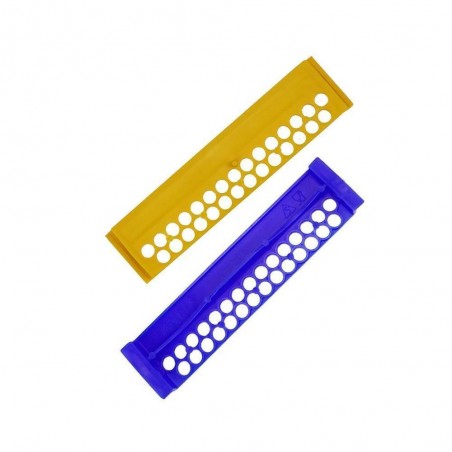
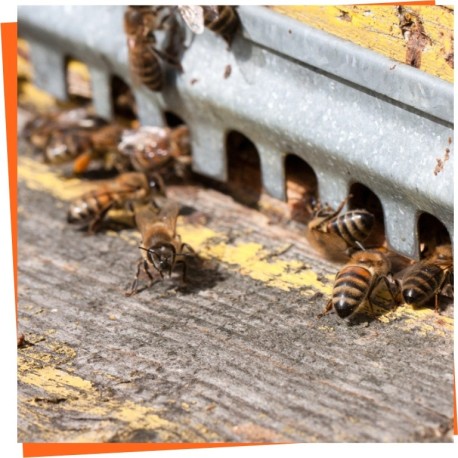
Metal entrances, winter/summer angled ones, square ones for fixed-comb hives, anti-hornet and plastic reducers. From €0.19 to €24.95.
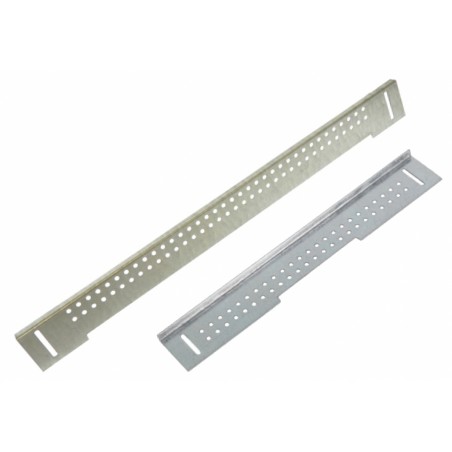
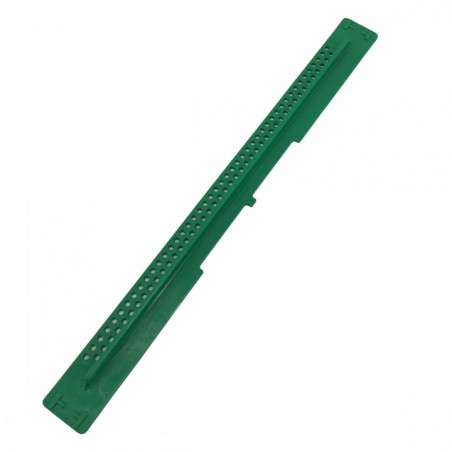
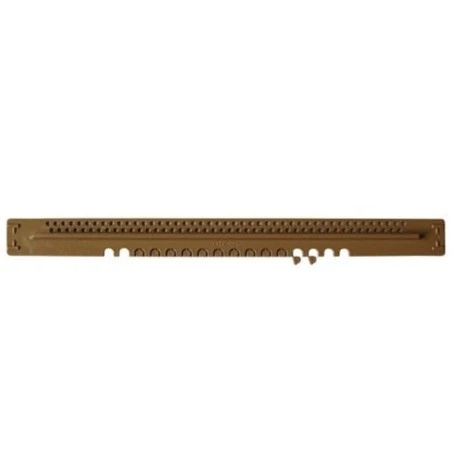
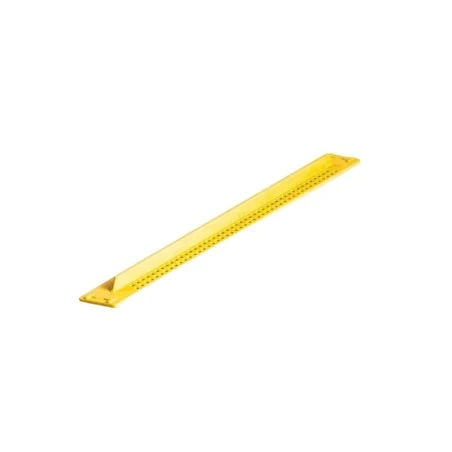
Hive entrances
It is the cheapest part of the hive and the one that decides whether the colony can defend itself. Its whole job is one thing: matching the size of the door to the strength inside.
The rule
Strong colony, open entrance. Weak colony, closed entrance. A weak hive with the entrance wide open cannot guard that whole front, and that is where robbers and wax moth get in. A freshly made nuc wants a couple of centimetres, no more.
By season
- Winter — reduced, to keep heat and stop mice. The winter/summer angled entrance gives both positions by turning the piece.
- Summer — open: the colony needs to ventilate to evaporate nectar and cool the brood nest.
- Migration — fully closed during transport, and opened at destination at night or at dawn, not in full sun.
The anti-hornet entrance
A grid that lets the bee through and not the hornet. It does not solve the problem on its own — you also have to act on the hawking pressure — but it reduces predator entry and lowers the colony's stress, which in hornet country stops foraging out of fear.
Traps are in wasp traps; the other parts in hive accessories.