
-
Beehives
- Complete beehive
- Accessories
-
Nuc hives
- Nucs by format
- With bees & mating
- Spare parts
-
Bee equipment
- For the apiary
- For the beekeeper
-
Clothing
- Clothing Accessories
-
Beeswax
-
Pure beeswax
- Beeswax and foundation
- Beeswax foundations
- Melting and rolling beewax
-
Pure beeswax
-
Bee feed
- Accessories and source materials
- Utensils
-
Bee health
- Varroa Treatments
- Diseases control
- Nutraceuticals
-
Extraction and bottling
- Before extraction
- Honey extraction
- After extraction
-
Bee pollen
- Harvest
- Indicted
-
Honey packaging
- Flasks per utility
- Flasks by size
- Other packaging
 Apipasta with vitamins 15kg
 Beecomplet® Spring 14Kg
 Beekeeper suit with round veil
 Oxalic acid 99% 1kg
 Beeswax Foundation 5kg
 Fresh royal jelly 20g
 Classic honey jar 1kg comb-lines TO77 - Pack of 16 units
 Promotor L Apis 1 litre
Queen Marking
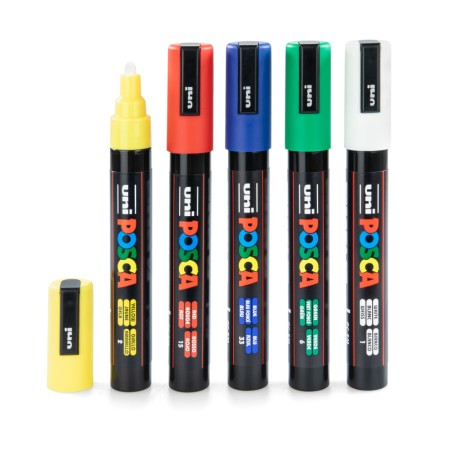
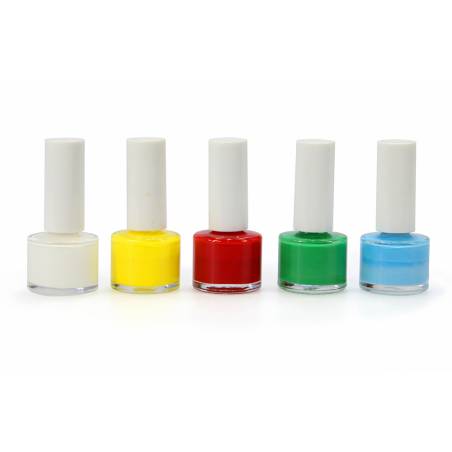
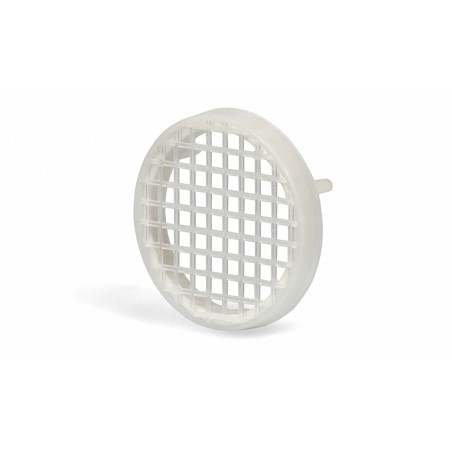
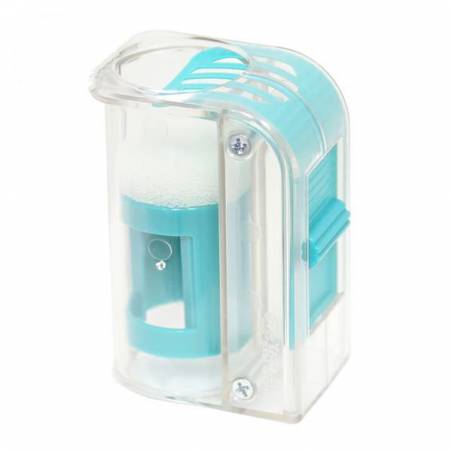
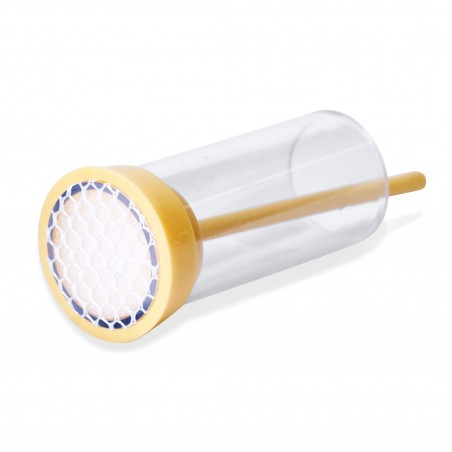
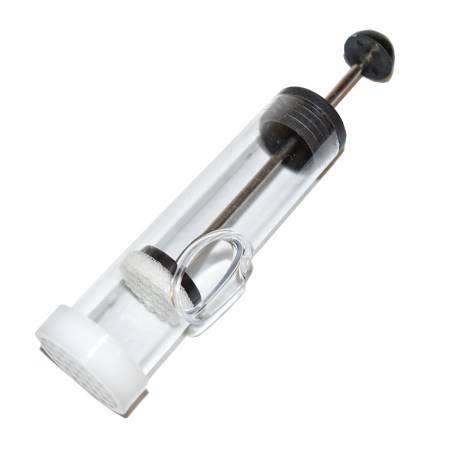
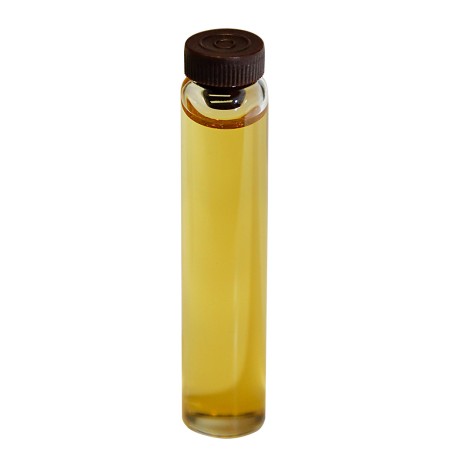
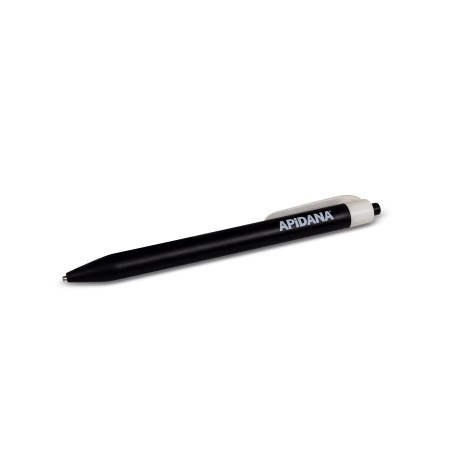
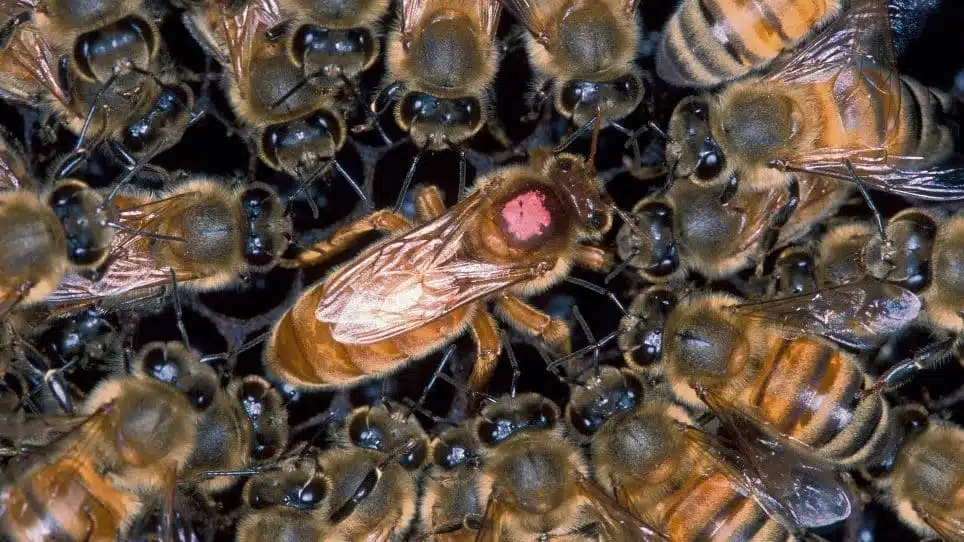
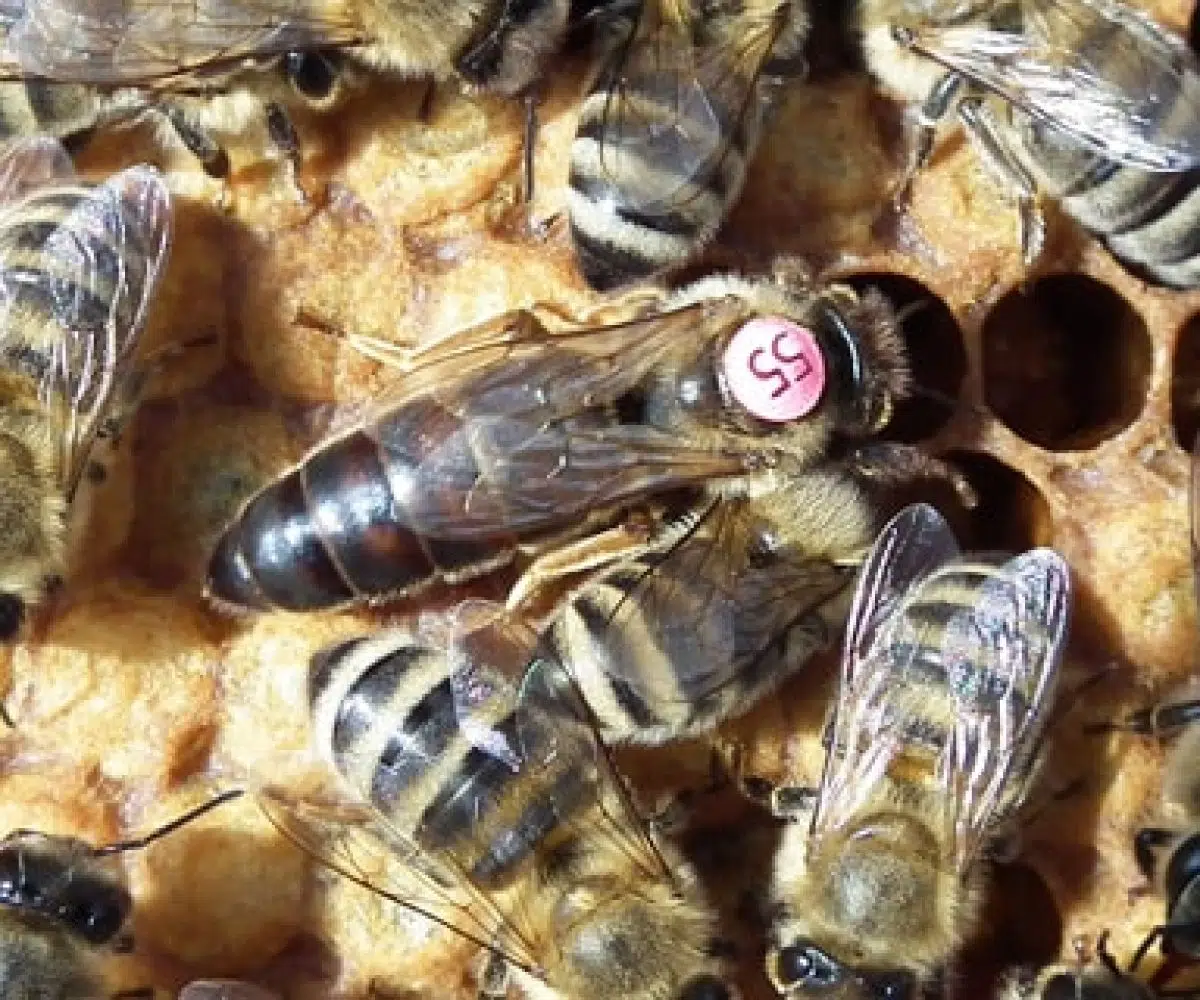
Queen marking pens and paints, plunger cages, marking cages for use on the comb and numbered discs. Choose a colour spot for visibility or individual identification to track each queen in your records.

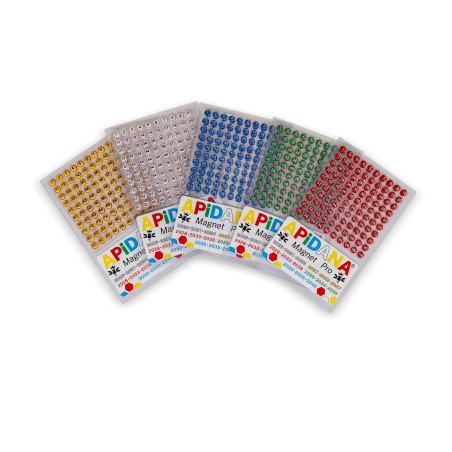

My advice for identifying your queens
For a small apiary, I would prioritise a marking pen you can handle confidently and a record for each hive. The record matters more than a striking mark. Note each queen change too, otherwise you may credit the new queen with the previous queen’s performance.
For breeder queens or comparisons between sisters, I would choose numbered identification and individual records. Set out the marking equipment before looking for the queen. Having the applicator, paint and a place for drying ready helps reduce handling and avoids improvising while you hold her.

Queen Marking
A colour spot or an individual number
POSCA pens and queen marking paints place a visible spot on the thorax. Numbered discs add individual identification: check the adhesive and applicator required by your chosen system. Different discs may need different applicators.
Holding the queen
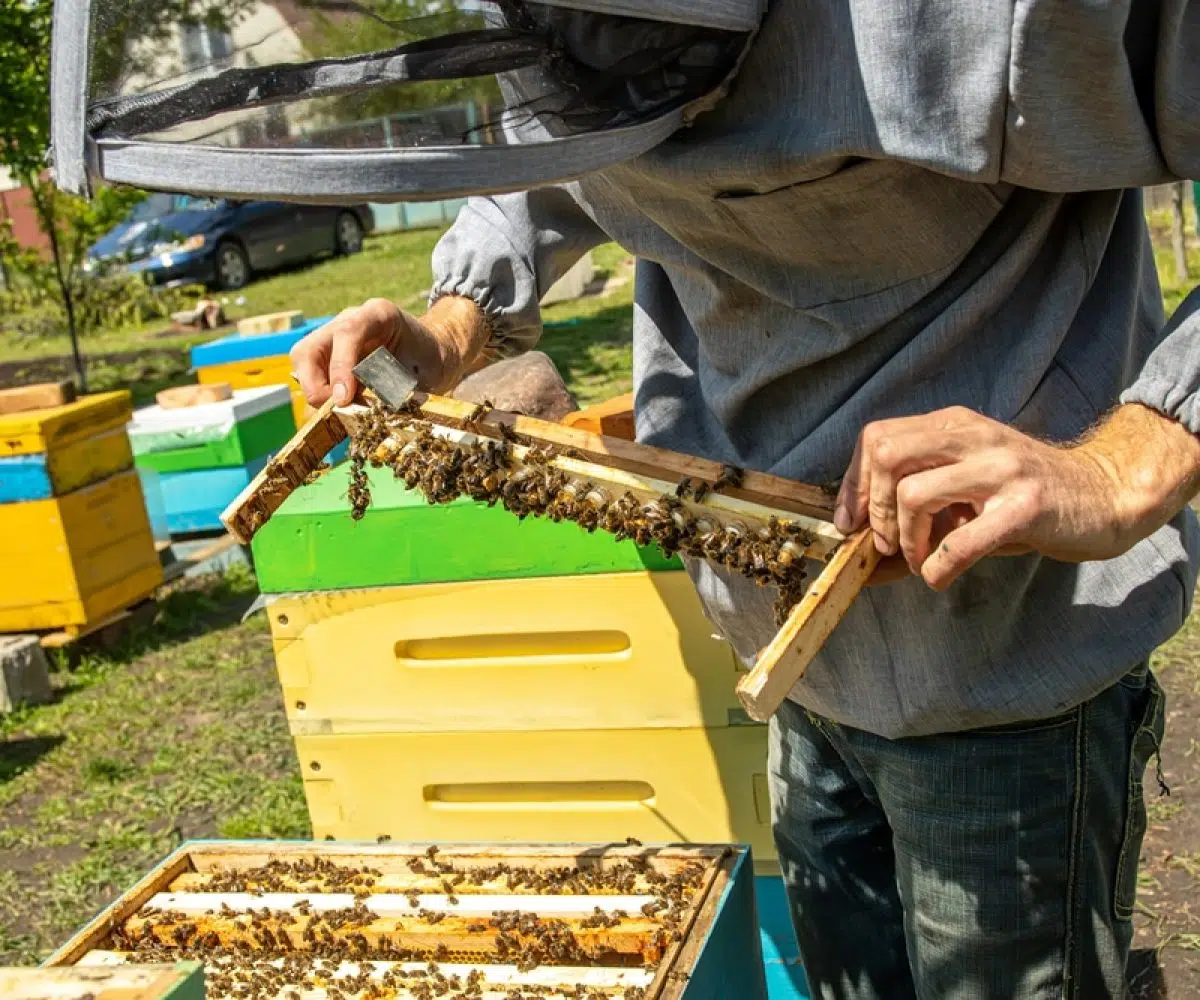
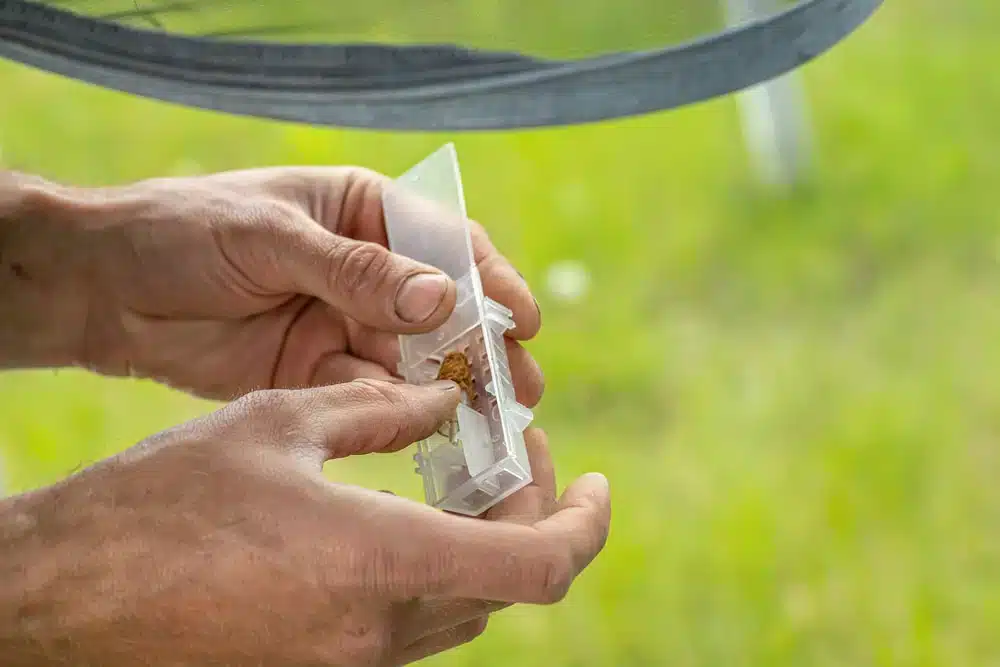
A plunger marking cage holds her inside a tube, gently bringing her towards the mesh. A marking cage used on the frame contains her directly on the comb. Choose the method that gives you better control of pressure, keeping legs, wings and abdomen clear of trapping points.
The five-colour code
The colour represents the year the queen was reared and repeats every five years:
- White: years ending in 1 or 6.
- Yellow: 2 or 7.
- Red: 3 or 8.
- Green: 4 or 9.
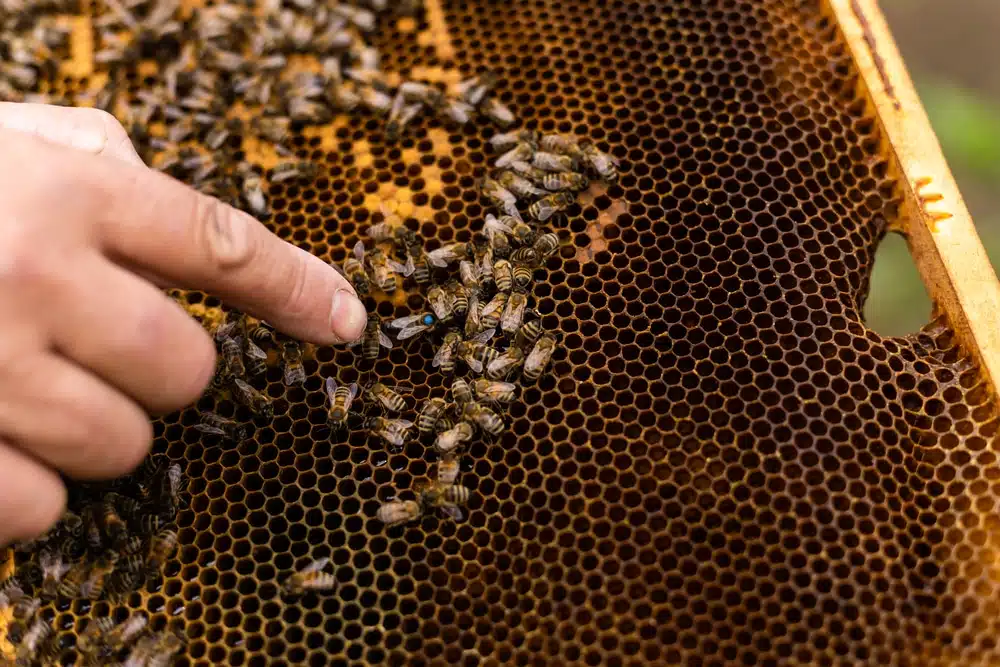
- Blue: 5 or 0.
Record the full year, origin and introduction date. If her year of emergence is unknown, record that uncertainty: applying a colour cannot resolve it or determine when she should be replaced.
Prepare, mark and allow to dry
Test the pen’s flow away from the hive before bringing it near the queen. Apply a small amount of suitable marking paint to the top of the thorax, avoiding the head, wings and abdomen. Allow it to dry before returning her and watch the workers’ response. For discs, follow the adhesive instructions.
Complete your equipment in queen rearing, or browse live bees and queens.