
Identifying the different types of queen cells
Finding queen cells does not automatically mean that a colony is about to swarm. Honey bees also rear queens after sudden queen loss or to replace a queen through supersedure. The practical task is to interpret the cells alongside the queen, brood and recent colony history, rather than decide what to do from their appearance alone.
Do not destroy queen cells indiscriminately. If the old queen has gone and no suitable young brood remains, removing every viable cell can take away the colony’s remaining chance to rear a replacement.
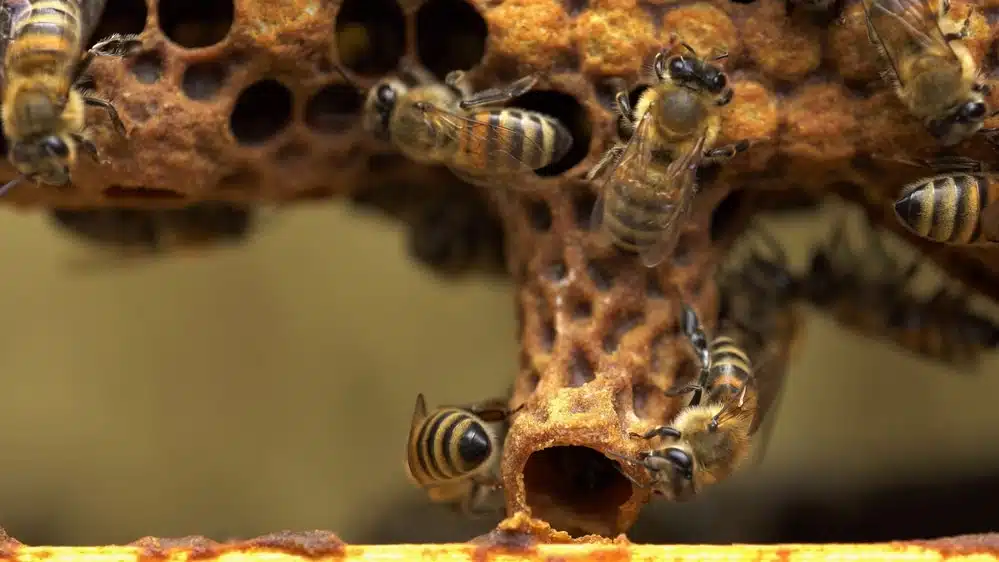
Emergency queen cells
Workers start emergency queen rearing after the colony loses its queen. This can follow an accident during an inspection, or the deliberate removal of the queen when making a split. They modify worker cells containing young female larvae to accommodate developing queens.
Emergency cells may be found on the face of a brood comb, wherever suitable young larvae are available. Eggs can provide larvae after they hatch, but an egg is not yet a queen larva. Cell size alone is not a reliable way to distinguish emergency cells from the other types.
Supersedure cells
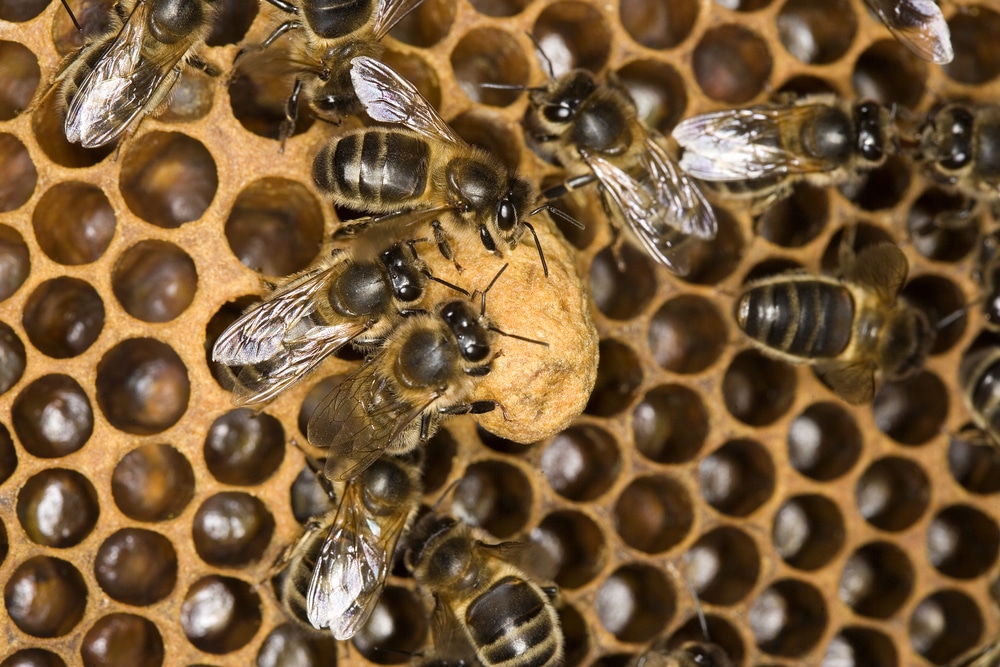
Supersedure cells are raised when a colony replaces its queen without dividing through swarming. There are often relatively few cells, but there is no fixed number that proves supersedure. The old queen may still be present and laying.
These cells are often found on the face of a brood comb. That position can be a useful clue, but it is not a diagnosis: emergency cells can occur there too, and queen-cell positions vary.
A colony may attempt supersedure during the active season. Successful replacement still depends on queen development, mating opportunities and conditions in the colony; finding cells does not mean that the process has already succeeded.
Swarm cells
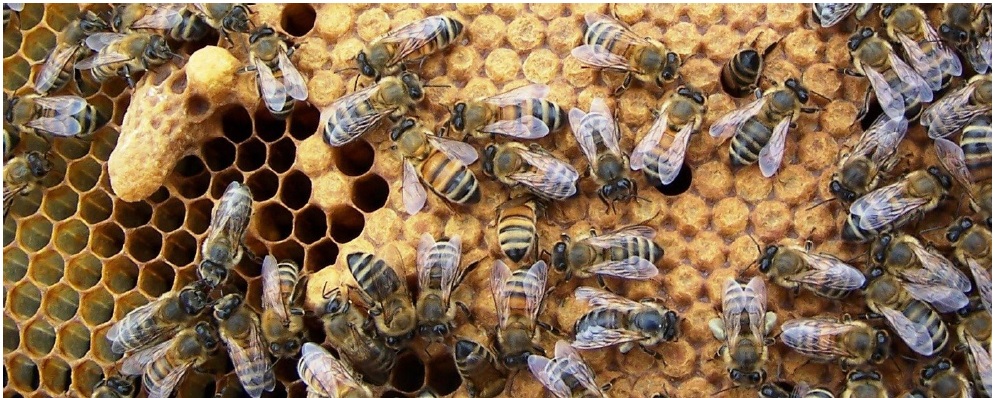
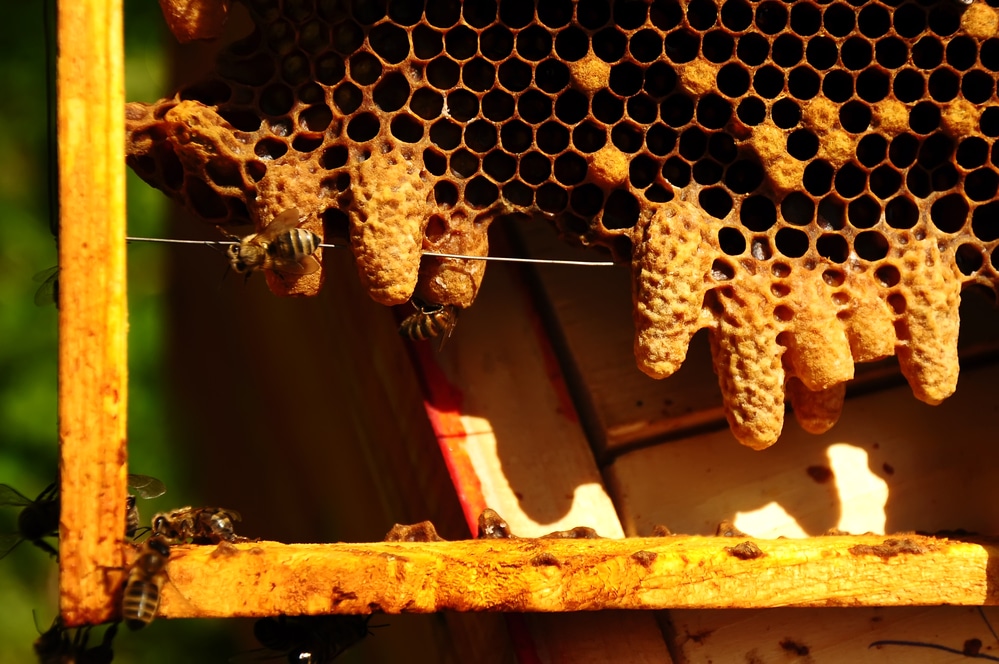
Swarm cells are raised as part of colony reproduction by swarming. Several cells may be present, sometimes at different stages of development. Do not rely on a numerical range to classify them or assume that a small number rules out swarming.
Swarm cells are often found near the lower edges of brood combs or in gaps in the comb. Check the rest of the colony as well. If cells are already sealed, the old queen and the prime swarm may have left before the inspection.
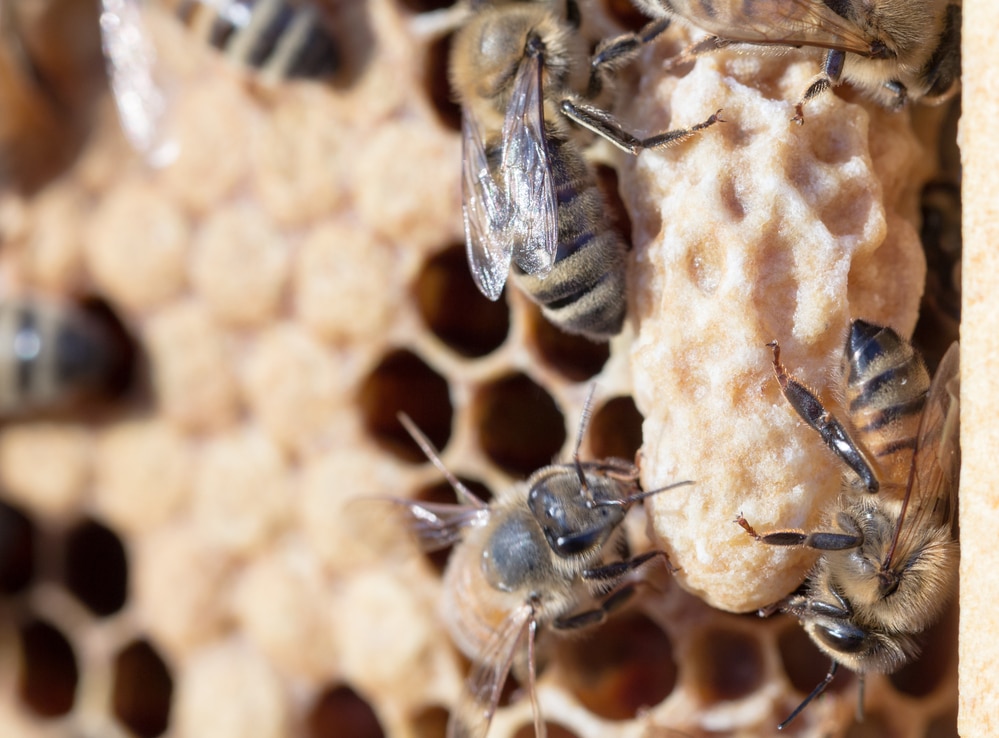
Natural queen supersedure: good or bad?
- Natural supersedure can produce a useful replacement queen, but it is not a guarantee of breeding quality. Development, nutrition, mating and the colony’s inherited traits all matter. Do not remove its replacement cells merely because they might be useful elsewhere.
- Assess the new queen after she has mated and begun laying. A young queen may perform well, but age alone does not guarantee a good brood pattern or colony performance.
- Supersedure and swarming are different processes. A colony that has replaced its queen still needs normal swarm monitoring; supersedure is not a substitute for swarm management.
- A daughter queen develops from a fertilised egg: she inherits nuclear genetic material from her mother and from the single drone whose sperm fertilised that egg. Her own later matings do not alter her inherited genotype. Instead, the drones she mates with contribute paternal genes to her future female offspring. Open mating therefore does not guarantee that a purchased breeding line’s traits will be reproduced unchanged. Nor does supersedure by itself prove that the colony will become defensive.

ISNI 0000 0005 1801 1100 | Joshua Ivars is the manager of LA TIENDA DEL APICULTOR and the author of this blog, where he shares technical and practical guidance for beekeepers. Drawing on extensive experience in the beekeeping sector, he offers advice and solutions based on beekeepers’ real needs, sharing his knowledge of equipment and essential beekeeping practices.


