
-
Beehives
- Complete beehive
- Accessories
-
Nuc hives
- Nucs by format
- With bees & mating
- Spare parts
-
Bee equipment
- For the apiary
- For the beekeeper
-
Clothing
- Clothing Accessories
-
Beeswax
-
Pure beeswax
- Beeswax and foundation
- Beeswax foundations
- Melting and rolling beewax
-
Pure beeswax
-
Bee feed
- Accessories and source materials
- Utensils
-
Bee health
- Varroa Treatments
- Diseases control
- Nutraceuticals
-
Extraction and bottling
- Before extraction
- Honey extraction
- After extraction
-
Bee pollen
- Harvest
- Indicted
-
Honey packaging
- Flasks per utility
- Flasks by size
- Other packaging
 Apipasta with vitamins 15kg
 Beecomplet® Spring 14Kg
 Beekeeper suit with round veil
 Oxalic acid 1kg
 Beeswax Foundation 5kg
 Fresh royal jelly 20g
 Classic honey jar 1kg comb-lines TO77 - Pack of 16 units
 Promotor L Apis 1 litre
Dadant Beehives
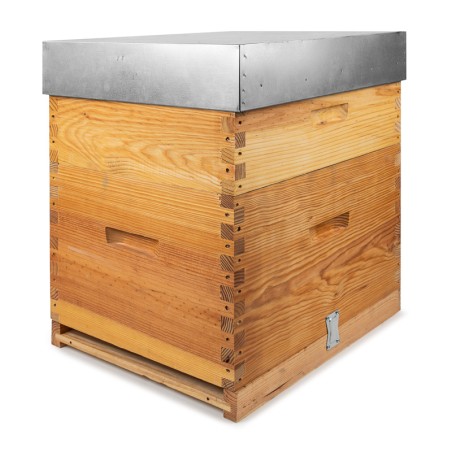
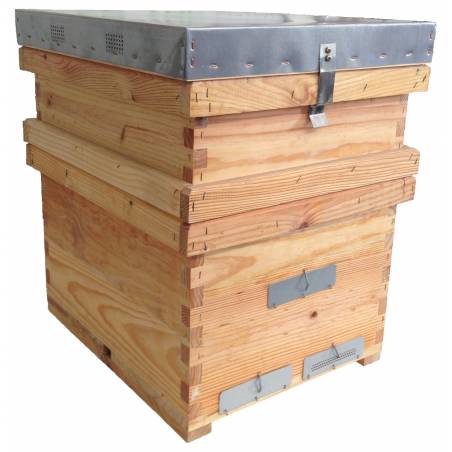
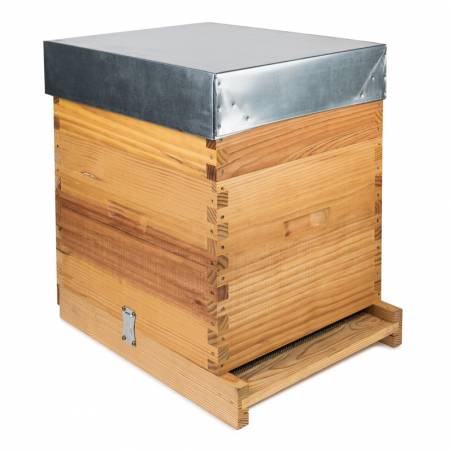
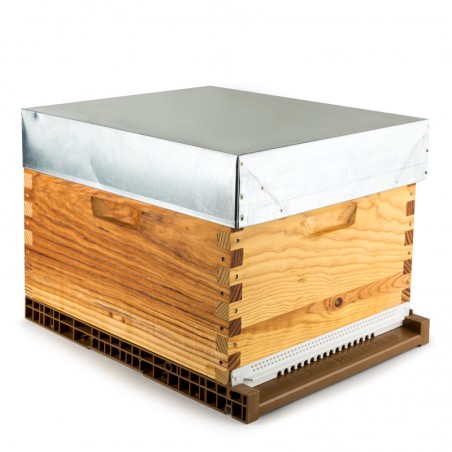
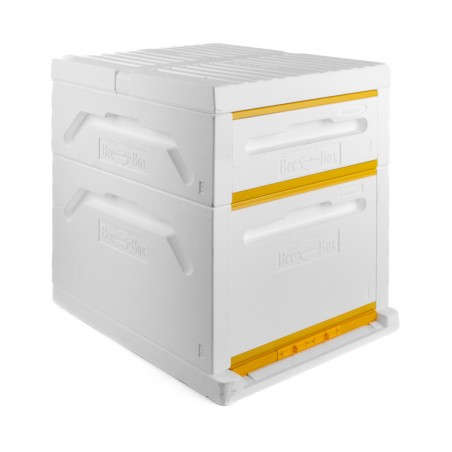
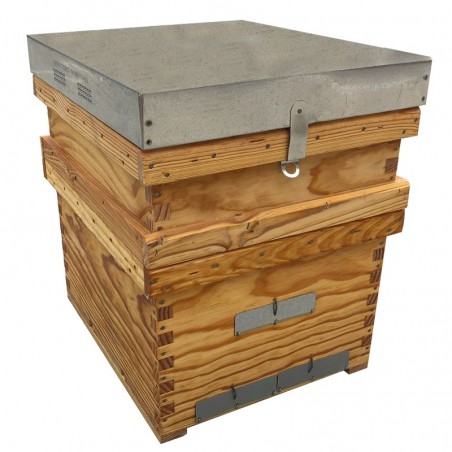
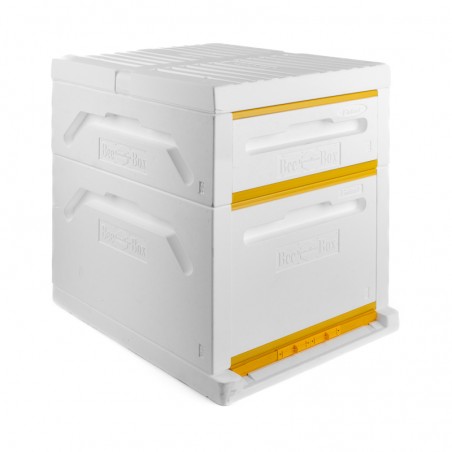
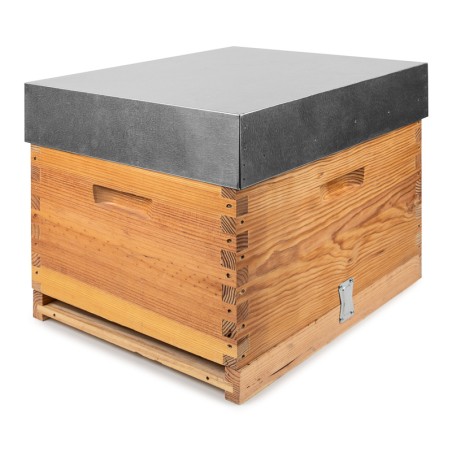
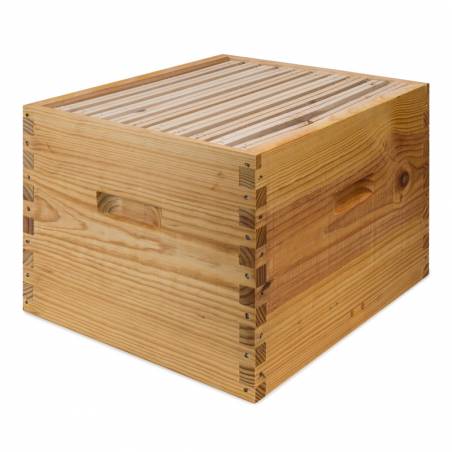
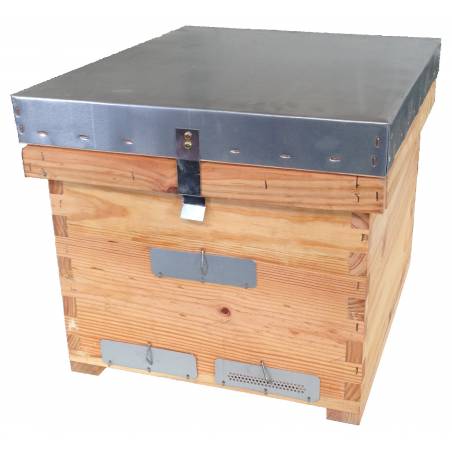
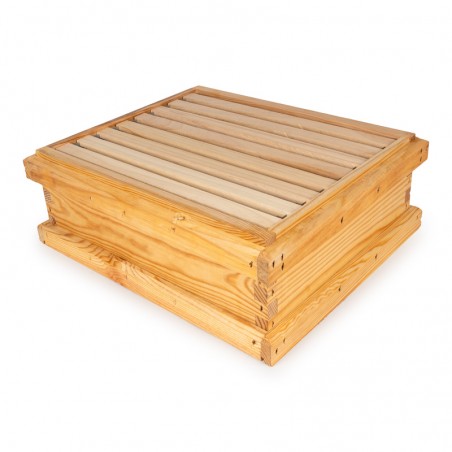
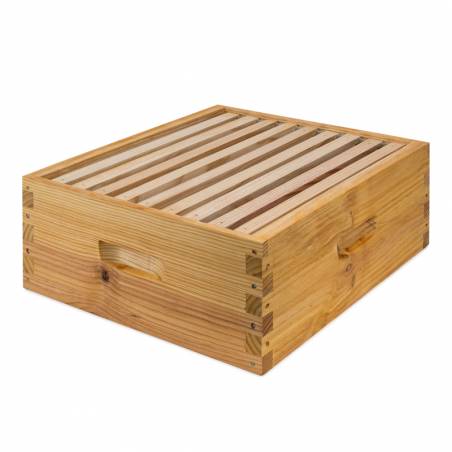
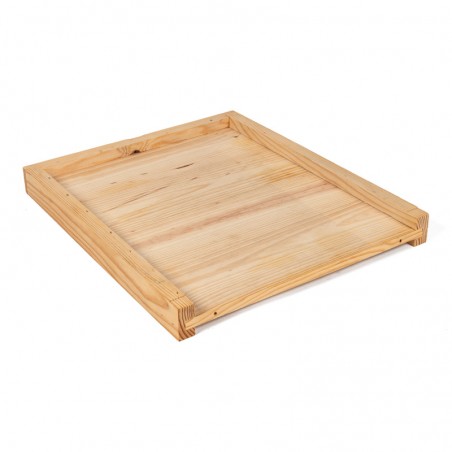
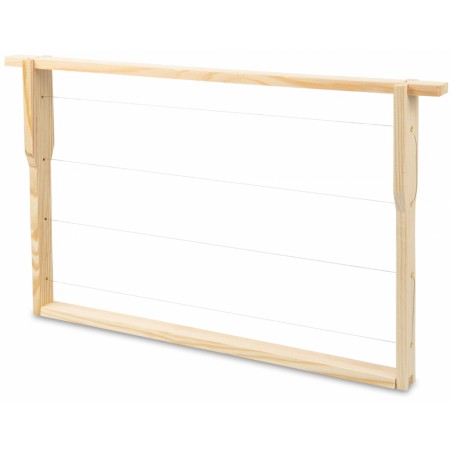
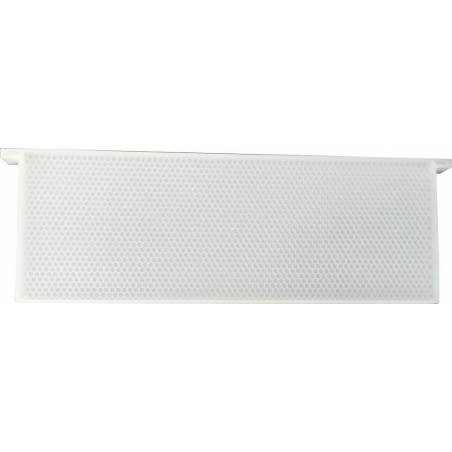
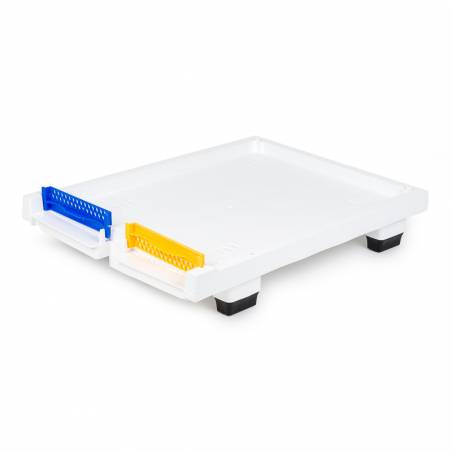
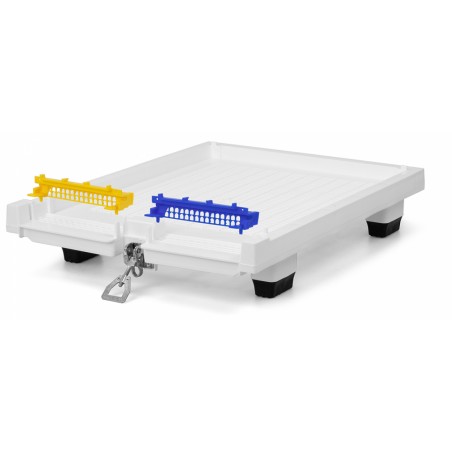
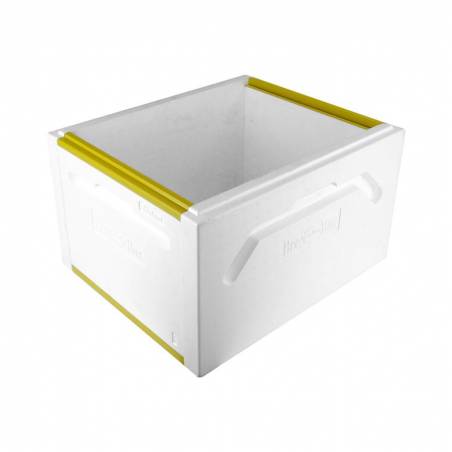
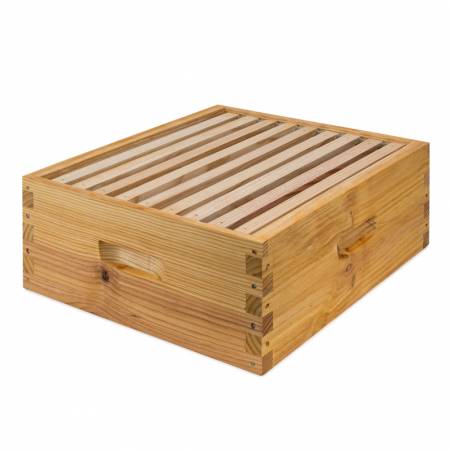
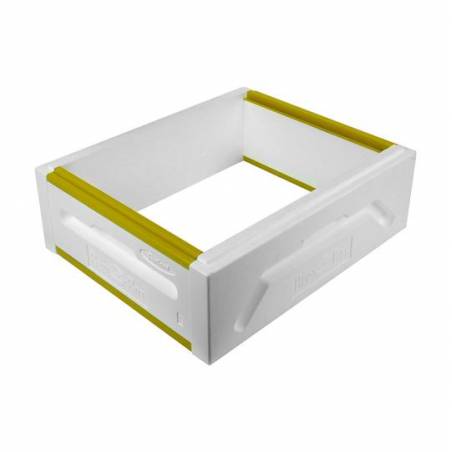
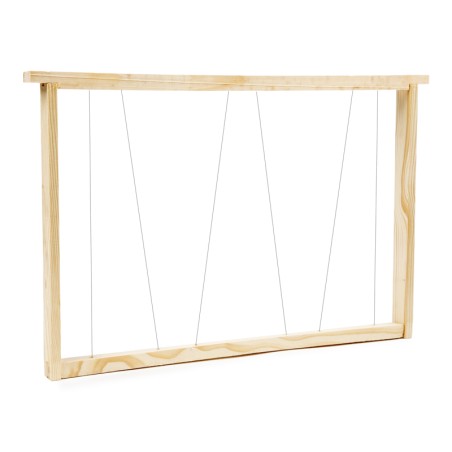
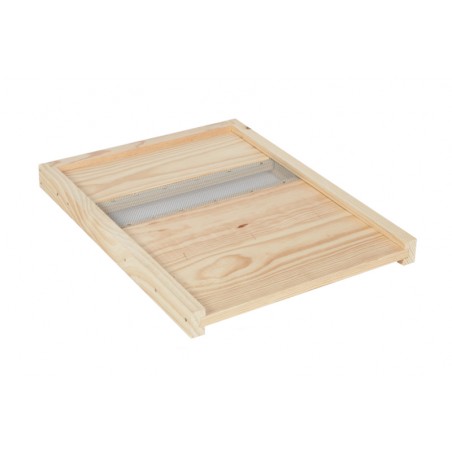
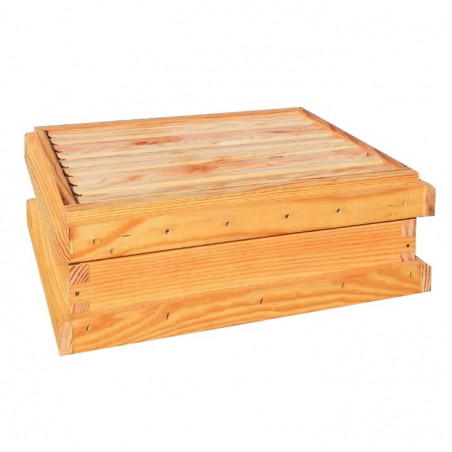
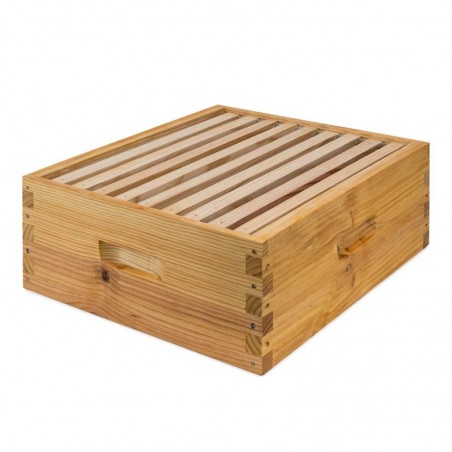
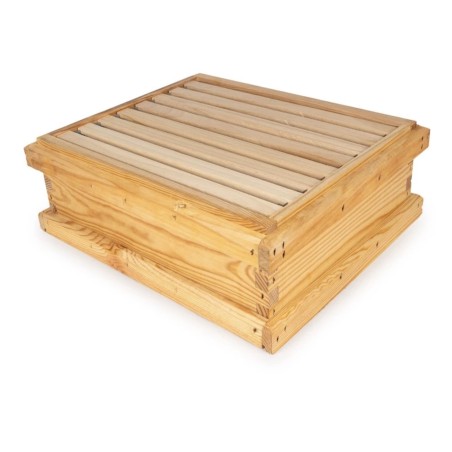
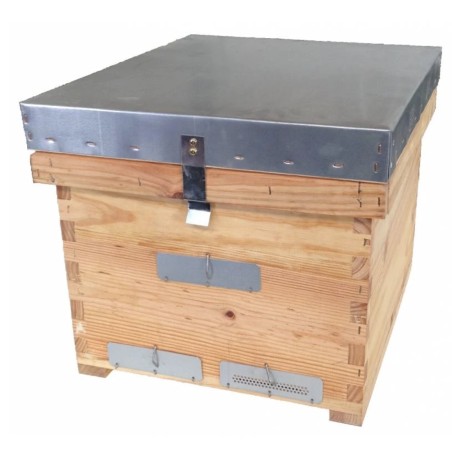
Dadant hives complete and in parts, with a 42 × 27 cm brood frame, 42 × 13 cm shallow super and around 54 litres. Plus Dadant and French Dadant Blatt frames and insulating crown boards.
Hive type
Material
Number of frames
Brand
Price
-
€0.00 - €1,105.00
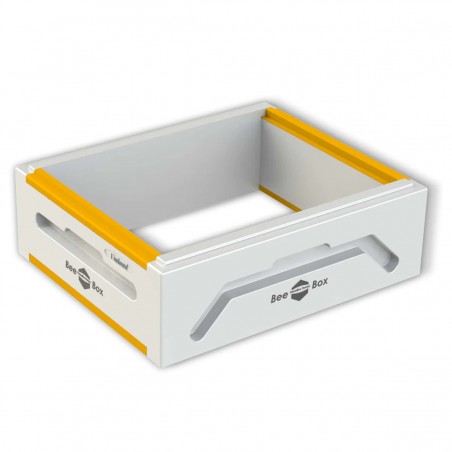
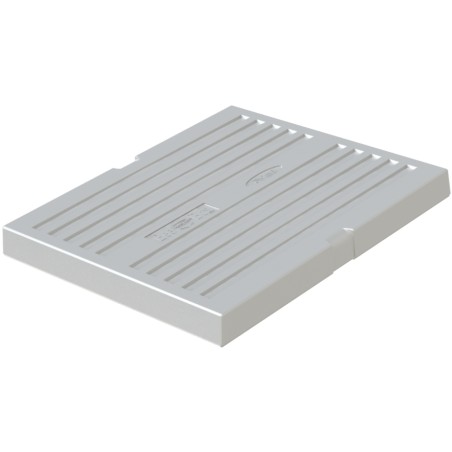
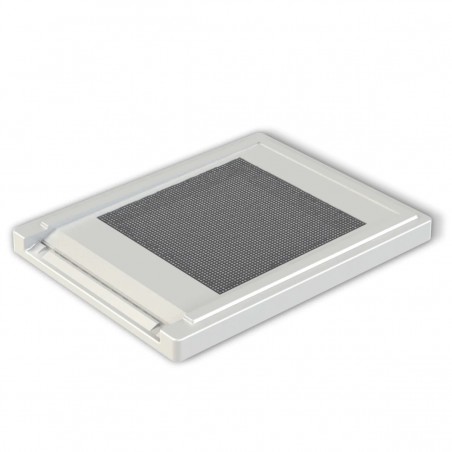
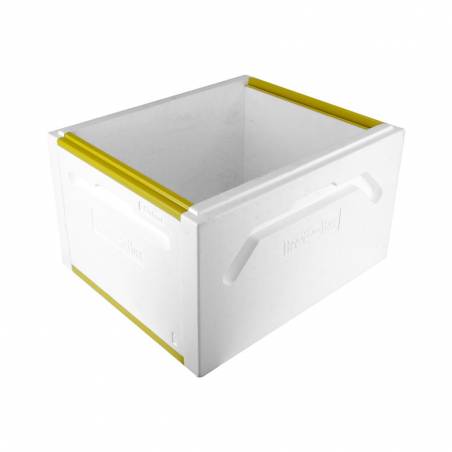
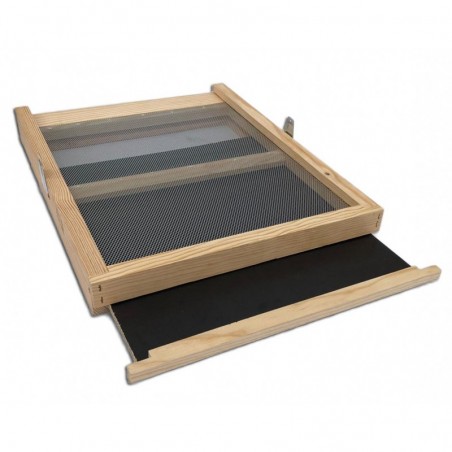
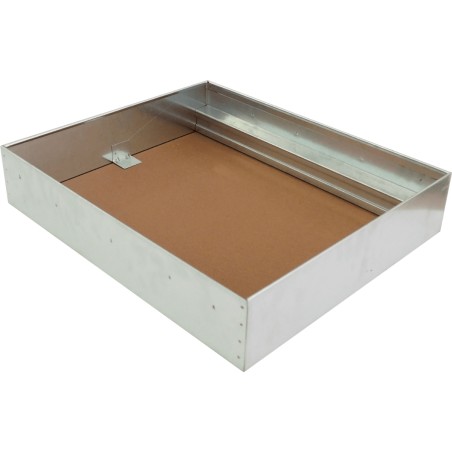
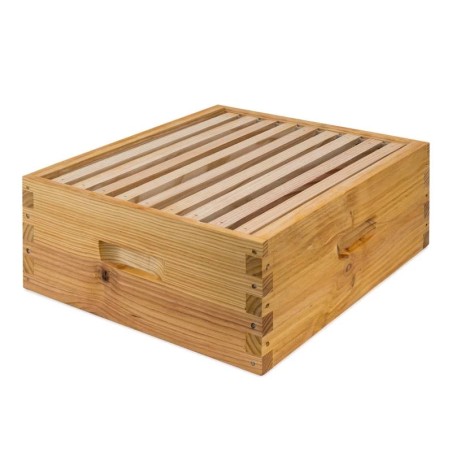
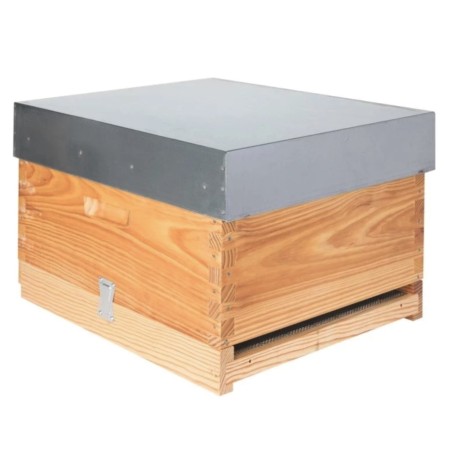

When to choose a Dadant hive
The Dadant hive strikes me as a very good choice when you're after more modular beekeeping, with a good brood chamber, a better separation between brood and honey and supers that are more comfortable to handle. Compared to a Layens, it requires more equipment and more storage space, because you work with supers; but in return it lets you organize the harvest better, add volume when the bloom arrives and not have to rush so much to empty frames when the hive fills up. If your area has good nectar flows or you want to work with a more orderly, scalable system, Dadant makes a lot of sense.
My advice is to choose Dadant if you want to think in the medium term and not just about the initial investment. The large brood chamber helps the colony have enough room to develop and overwinter well, while the supers let you harvest more comfortably and separate the honey better from the brood area. I wouldn't choose it if you're looking for the cheapest system or if you don't have room to store supers and frames out of season. Before buying, I'd check the wood quality, thickness, joints, frame compatibility, type of floor, feeding and auxiliary equipment carefully. With Dadant, the key is to be consistent: if you choose this format, try to keep it in frames, foundation, supers, queen excluders, feeders and extractors. Mixing systems without need ends up costing money and time.


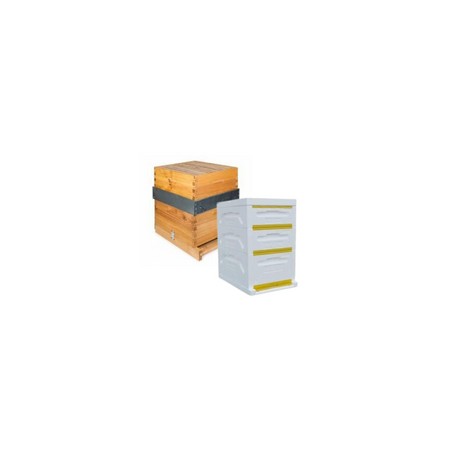
Dadant Beehives
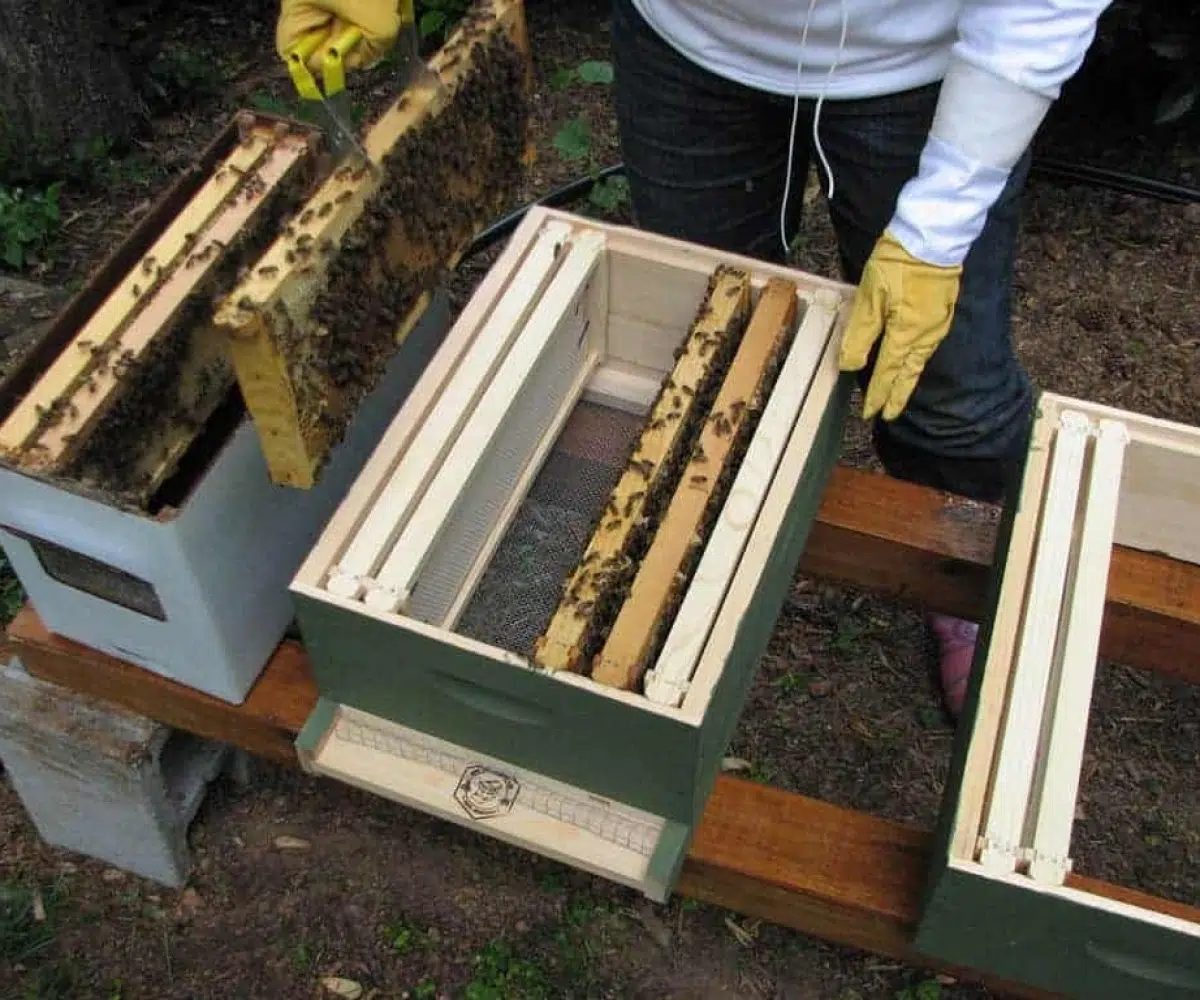
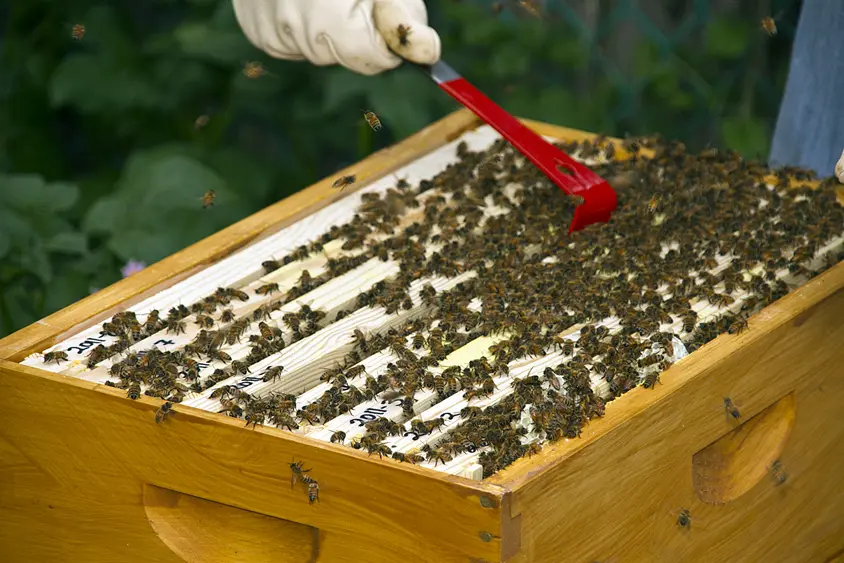
The Dadant is the large brood chamber hive: a 42 × 27 cm frame and around 54 litres of body, against 42 for a Langstroth.
What that chamber buys you
Room for the queen to lay without pressure, good separation between brood and honey and comfortable wintering on a single body — without doubling up chambers, which many Langstroths need in cold areas. That is why it dominates professional beekeeping across much of Europe.
And what you pay for it
- Body and super do not share a frame. The shallow super is 42 × 13 cm: you cannot move a brood frame up into the super or the other way round. That means carrying two frame sizes and two foundation sizes in the store.
- Higher initial cost than an equivalent Langstroth.
- Full supers are heavy. Less than a full Langstroth, but the whole thing is bulky, and migratory work shows it.
- Slow start on an early flow if the colony does not come through strong: a large empty chamber is hard to warm.
Watch the French variant
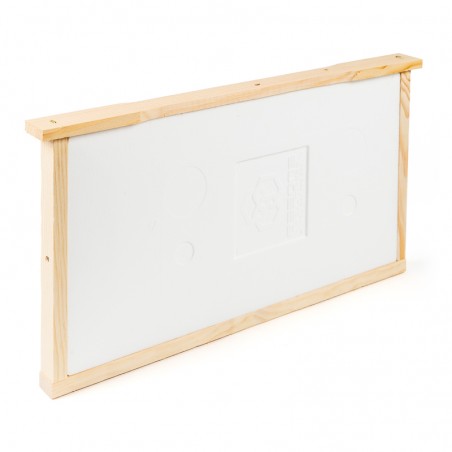
There are Dadant frames here (€1.35) and French Dadant Blatt (€1.22), and they are not the same size. Before ordering frames, foundation or spares, check exactly which model you have: it is the most frequent mistake in this family.
The accessory that gets appreciated most
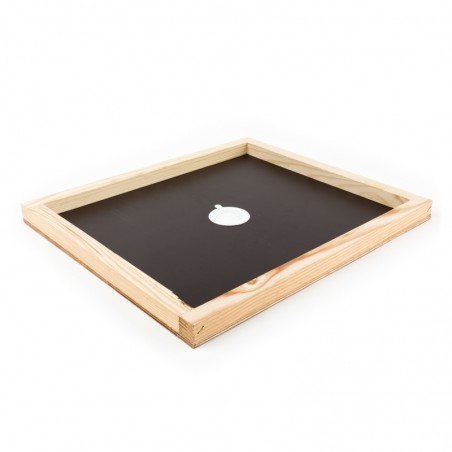
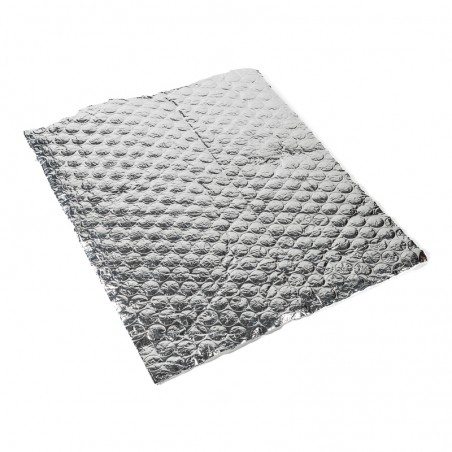
The Polynum® reflective insulating crown board (€2.15). In a 54-litre chamber, controlling humidity and heat over winter matters, and a reflective sheet above the top bars cuts the condensation that drips onto the cluster.
The comparison between systems is in hives, and frames in all sizes in their own.
How much does a Dadant hive weigh?
There is no single weight. It varies depending on whether it is a US Dadant or a Dadant Blatt hive, the material, the thickness of the walls, and whether you are weighing just the body or the whole assembly including the bottom board, lid, frames and supers. To compare models, you should use the empty weight specified in each product description, not a generic figure.
When moving it, it is advisable to calculate the weight of each loaded component separately. A half-super full of honey may be the component that makes handling difficult, even if the empty hive body is light. If weight is a factor in your purchase, also check whether the components can be easily separated and what carrying aids you will be using.
What are the characteristics of a Dadant hive?
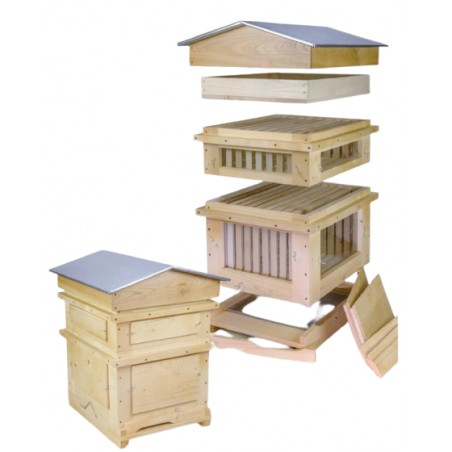
The Dadant is a vertical hive with a deep brood chamber and shallower supers. This separation makes it easier to organise the nest and the harvest, but means you have to work with two frame sizes. The effective dimensions of the brood chamber are approximately 42 × 27 cm and those of the super 42 × 13 cm, though these should always be verified with the manufacturer.
There are two variants that should not be considered interchangeable: the US Dadant, whose top bar is usually around 48 cm, and the Dadant Blatt, which is around 47 cm. Before purchasing hive bodies, frames, queen excluders or honey extractors, check the specific variant and exact dimensions. The spacious interior alone does not prevent swarming or resolve health issues: both depend on management, colony size, space and the health management plan.
What is the difference between a fixed-site Dadant and a migratory one?
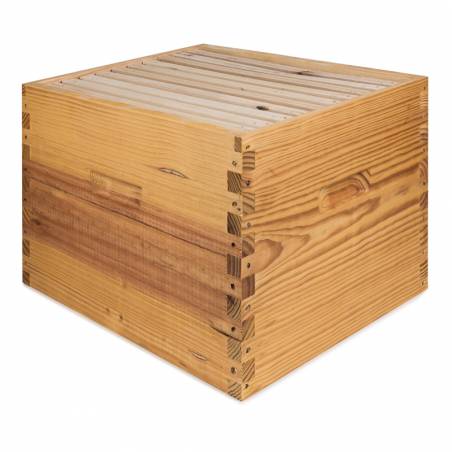
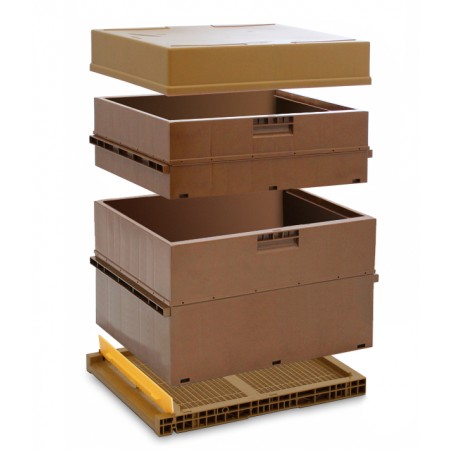
It is not where they stand, it is how they are built. The fixed-site Dadant has the floor as a separate part and plain boxes, with the handhold cut into the timber. The migratory one has the floor integrated into the brood box and battens — the strips standing proud around each box — so a crane can lift it without it coming apart; it does without a projecting landing board so the hives can be stacked tight in the lorry.
Both can be moved. Fixing clips between floor, brood box and supers lock the fixed-site one into a single unit. In exchange, the fixed-site build makes it easier to change the floor or run a double brood box — common enough on a Dadant, which already has the large chamber — while the migratory build wins on compactness and on quick loading.