 Apipasta with vitamins 15kg
 Beecomplet® Spring 14Kg
 Beekeeper suit with round veil
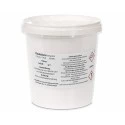 Oxalic acid 1kg
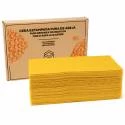 Beeswax Foundation 5kg
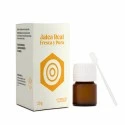 Fresh royal jelly 20g
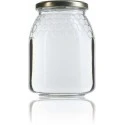 Classic honey jar 1kg comb-lines TO77 - Pack of 16 units
 Promotor L Apis 1 litre

 Share in WhatsApp
60 L THE SACK | 3 h OF STEAM DISTILLATION |
100 % PLANT, MARITIME PINE | Direct LIGHTING, NO PAPER |
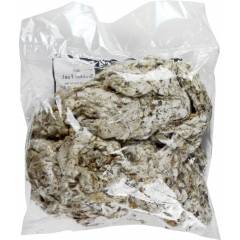
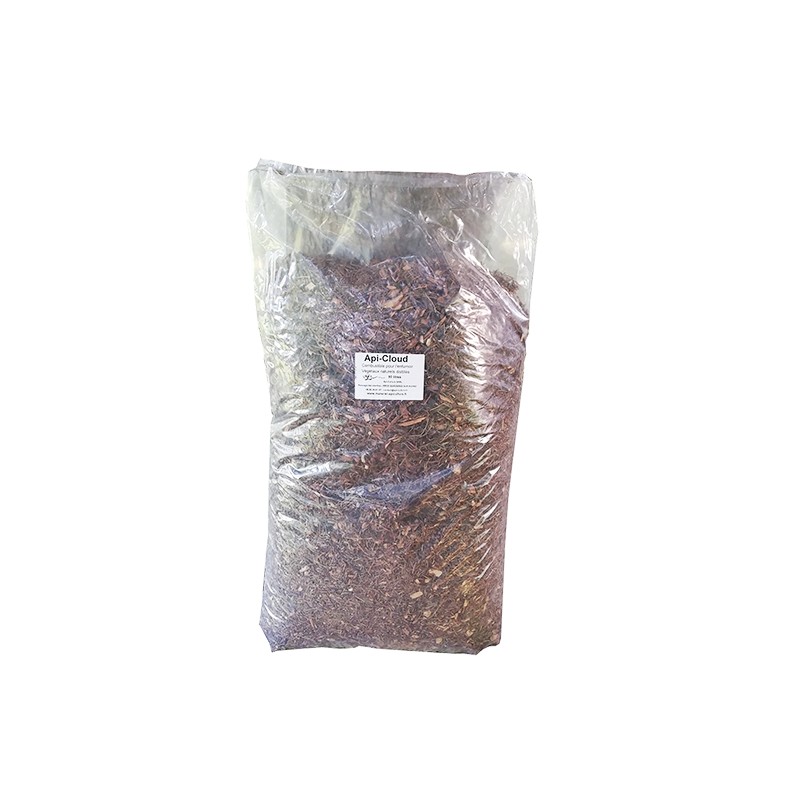
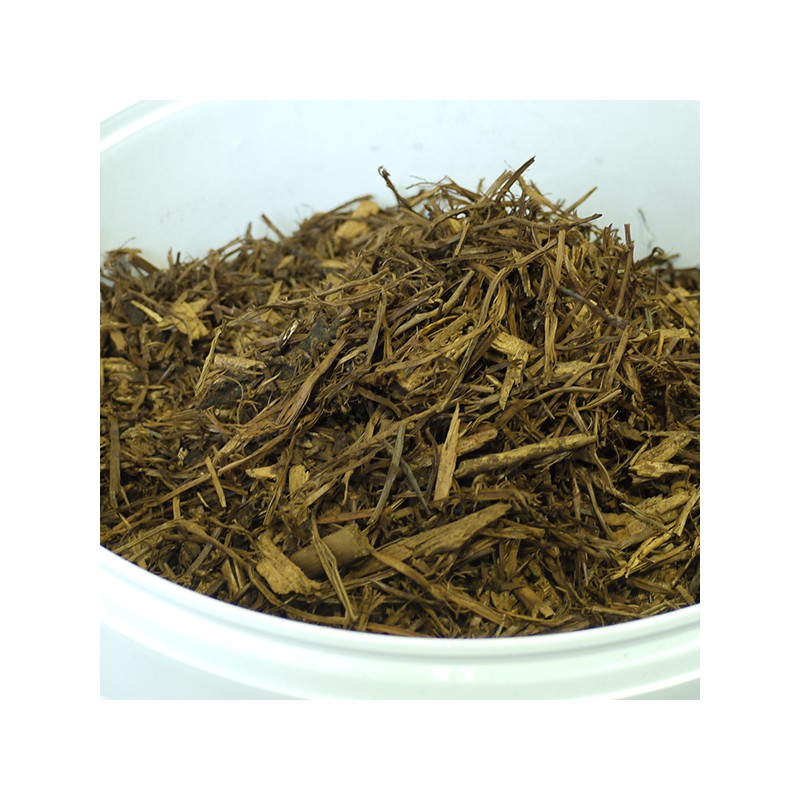
Smoker fuel in a 60-litre sack: ground maritime pine branches and needles, steam-distilled for three hours and sun-dried. It lights from a direct flame and gives a thick, white, cool smoke.
The distillation is what sets it apart from pine litter off the ground: it strips out the pine’s essential oils and terpenes, which are what make the smoke acrid and leave tar stuck inside the smoker.
01 · WHY IT DOES NOT BITE
Untreated pine burns with its resin, and that resin is the smoke that stings the eyes and the black crust that builds up on the lid and the grate. Here the ground branches spend three hours in a flow of steam that carries the volatiles away, then dry in the sun: what comes out of the sack is needles and chips, straw-coloured to brown. The smoke it gives is white, plentiful and cool, which is the smoke that calms; hot, bluish smoke agitates. And it does not put bees to sleep: it distracts them and makes them fill their crops for a few minutes, so you dose it in two or three puffs at the entrance and under the crown board, not as a continuous cloud.
02 · HOW TO LIGHT IT
A handful in the bottom, pressed down a little, and the flame on top: it starts on its own, with no tinder or tablet, though a dry sheet of paper helps on a damp day. That is the difference from pellet fuel, which needs an ember underneath. Top up little by little and the burn lasts the whole inspection. The material comes ground in two sizes: fine needles catch sooner and coarse chips last longer, so start with the fine and top up with the coarse. The old hand’s trick the maker recommends: a plug of green grass on top of the charge, which acts as a filter and sends the smoke out cooler and spark-free.
03 · IN ORGANIC BEEKEEPING
The maker declares it a 100 % natural product, obtained only by distillation and drying, and usable in organic beekeeping. If you work under certification, check with your control body before entering it in the log: the body validates the input, not the label. Keep it closed: damp, it takes twice as long to light.
04 · BEFORE YOU BUY
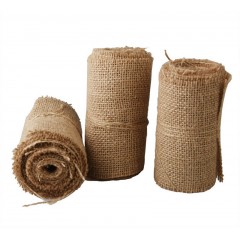
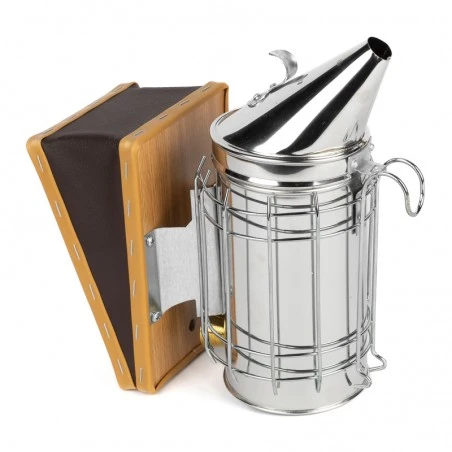
A 60-litre sack weighs 11 kg and suits any bellows smoker, whether stainless, copper or galvanised. It needs no tinder but accepts it: in wind or damp, the jute or the cotton fire-starter is still the fastest way.
| ✓ FITS | Any bellows smoker · long inspections without refilling every two hives · anyone who wants no tar in the smoker. |
| ✕ DOESN’T FIT | Electric or heating-element smokers: those take their own consumable. |
| ⚠ NOT INCLUDED | Tinder or smoker. One 60-litre sack, sealed. |
⚠ PRECAUTIONS
Check that the smoke comes out cool and spark-free before bringing it near the bees. In summer and in dry country, light it away from dry grass and carry the smoker extinguished or in a closed metal box: no fuel removes the risk of fire.
| Reference | API060 |
|---|---|
| Composition | Ground maritime pine branches and needles · 100 % plant |
| Process | Steam distillation for 3 hours · sun-dried |
| According to the maker | Free of essential oils, tars and phytoactive terpenes · usable in organic beekeeping |
| Appearance | Needles and chips, straw to brown, in two sizes |
| Lighting | Direct from a flame · a dry sheet of paper if damp |
| Smoke | White, thick and cool |
| Format | 60-litre sack · 11 kg |
| Compatibility | Bellows smokers in stainless, copper or galvanised steel |
| Origin | Made in France |
Data sheet
Specific References

check_circle
check_circle