 Apipasta with vitamins 15kg
 Beecomplet® Spring 14Kg
 Beekeeper suit with round veil
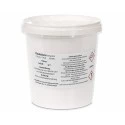 Oxalic acid 1kg
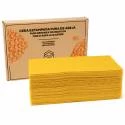 Beeswax Foundation 5kg
 Fresh royal jelly 20g
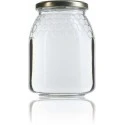 Classic honey jar 1kg comb-lines TO77 - Pack of 16 units
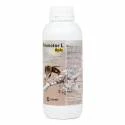 Promotor L Apis 1 litre

 Share in WhatsApp
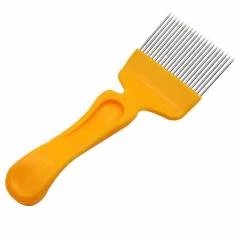
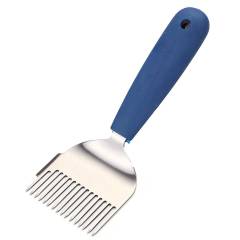
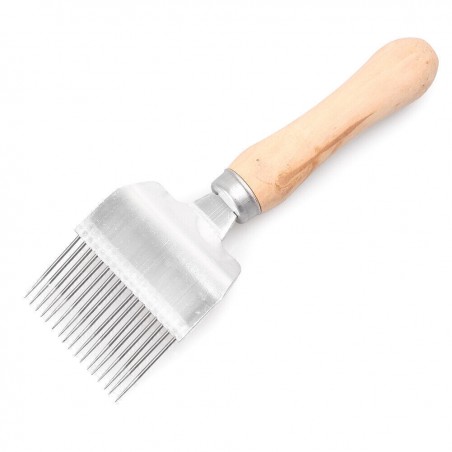
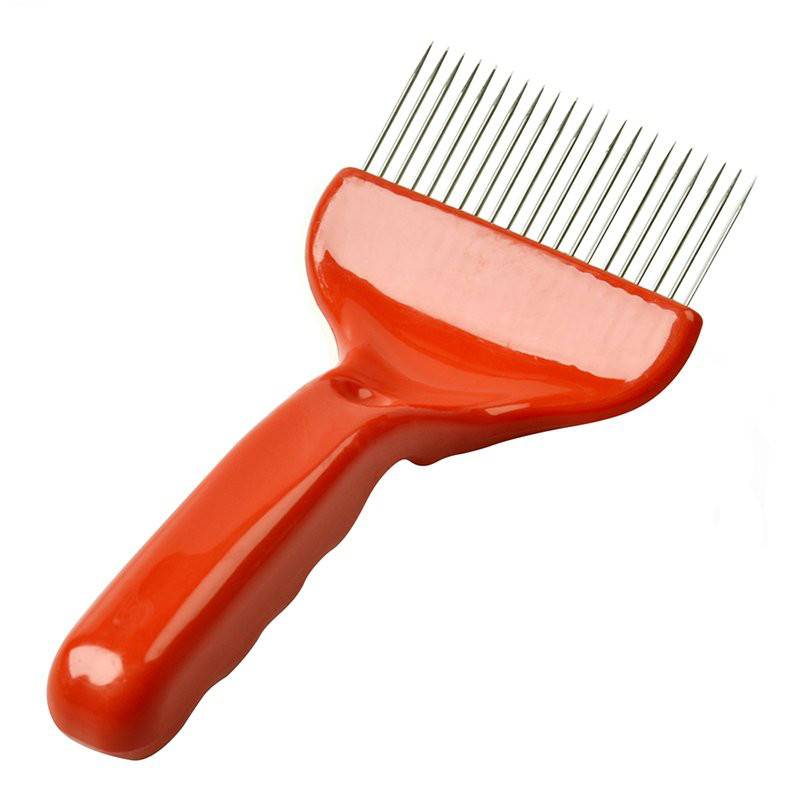
Uncapping fork with 21 stainless steel tines of 55 mm, spaced 3 mm apart.
The long tine is what reaches the low spots. Where the knife passes over because the comb is sunken, the fork goes in and opens it.
01 · THE 55 MM
A knife cuts along a plane: it rests on the frame bars and takes off whatever stands proud. The trouble is that no comb is drawn perfectly straight, and the areas that ended up below that plane come out of the extractor unopened, with the honey still in. A 55 mm tine reaches that hollow and pierces the capping where the blade cannot.
02 · THE SPACING
With the tines very close together the fork turns into a blade and takes off too much wax; too far apart, it leaves closed cells between passes. 3 mm is the compromise that opens continuously without pulling the comb along. Work by tilting the fork and lifting only the film of wax, with overlapping passes and light pressure: if you feel the comb dragging, you have gone in too deep.
03 · MAINTENANCE
Wax builds up between the tines and that is where forks get ruined: pulling it out roughly spreads them and they lose their even spacing. Take it off with really hot water the moment you finish, while it still runs, and if you need to help it along work along the tine, never across. One bent tine leaves a line of unopened cells on every pass.
04 · BEFORE YOU BUY
A fork opens more wax than a knife and drags more particles: count on straining well as it leaves the extractor.
| ✓ FITS | Finishing sunken areas, irregular combs and frames the knife leaves half done. |
| ✕ DOESN'T FIT | As your only tool at high volume: for uncapping in series, the bench and the knife are faster. |
| Tines | 21, stainless steel |
|---|---|
| Tine length | 55 mm |
| Spacing | 3 mm |
| Weight | 45 g |
| Reference | UF08 |
Data sheet
check_circle
check_circle