
In two previous posts, we covered key concepts in the assessment of beeswax quality and processing combs to recover beeswax.
This post explains how beeswax is processed into the foundation sheets fitted to frames, using foundation-embossing equipment.
Historically, wax foundation originated in Germany and the Netherlands in the mid-nineteenth century, but its full industrial development came at the end of that century, in Belgium and the United States.
The purpose of their use is to give bees a head start on comb building, thus accelerating and ensuring the completion of a full comb within the wooden frame. Typically, a sheet weighs about half of what the finished comb will eventually weigh. Considering the dimensions of a Dadant or Layens frame, similar in surface area, a sheet weighs approximately 100 g, and bees must then produce another equivalent amount. This is already a significant advantage, as producing 1 kg of wax costs bees, in our climatic region, at least 8 kg of honey.
Foundation must be made from good-quality beeswax that is neither mouldy nor excessively old, has not been scorched while the combs were melted, and contains as little residue as possible. This helps preserve the compounds that attract bees, encouraging them to accept and draw the foundation quickly.
Artisanal rolling
Flat-mould embossing
Beekeepers who wish to do so may produce their own sheets using artisanal methods, with varying degrees of complexity and effort. A good option is to focus these tasks at the end of the season, when there is less work in the hives, and to use this time to produce the wax foundation that will be used in the following spring and rest of the season.
For small-scale self-production and a limited number of hives, the simplest method is to use a silicone mould with stamped cells, and to apply a light coating of soap. The soap should generate minimal residue and unusual odours; a fragrance-free baby soap would be ideal.
Molten wax is poured onto the mould and pressed so that the cell pattern is transferred. Keep the wax in a water bath at the correct working temperature. The exact setting requires testing, but it must be above 65 °C—the melting point of beeswax—and no higher than about 90 °C, otherwise the wax may flow too freely and produce sheets that are too thin. The correct setting also depends on the ambient temperature, which affects how quickly the poured wax cools.
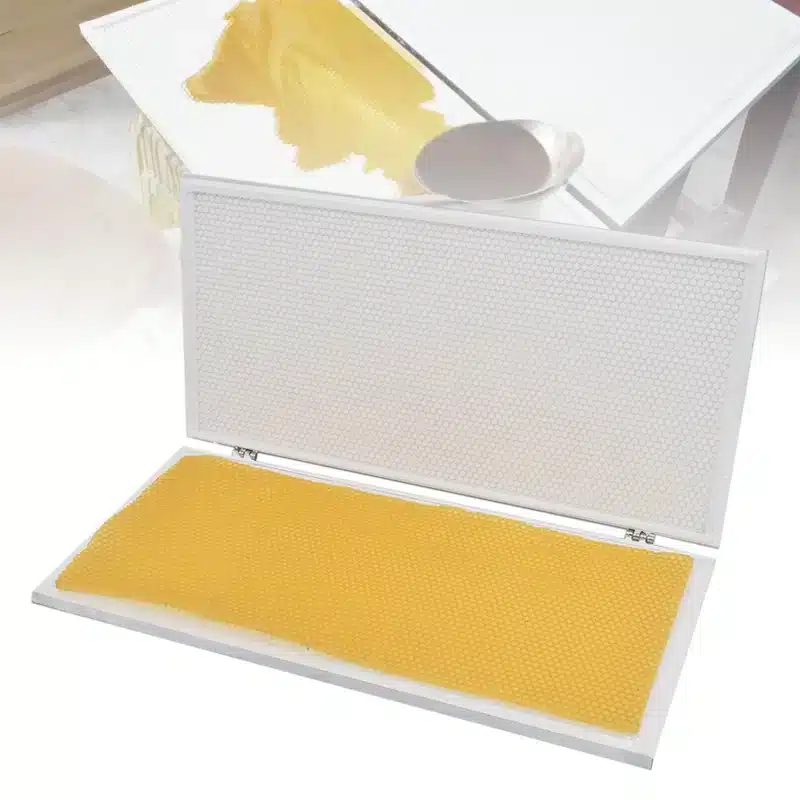
Molten wax crystallises as it solidifies. Rapid cooling produces a rigid sheet with little flexibility. This is usually acceptable in warm areas but can cause breakage in colder regions if the sheets are handled carelessly.
This method therefore produces rigid sheets, so it is not very suitable for cold regions.
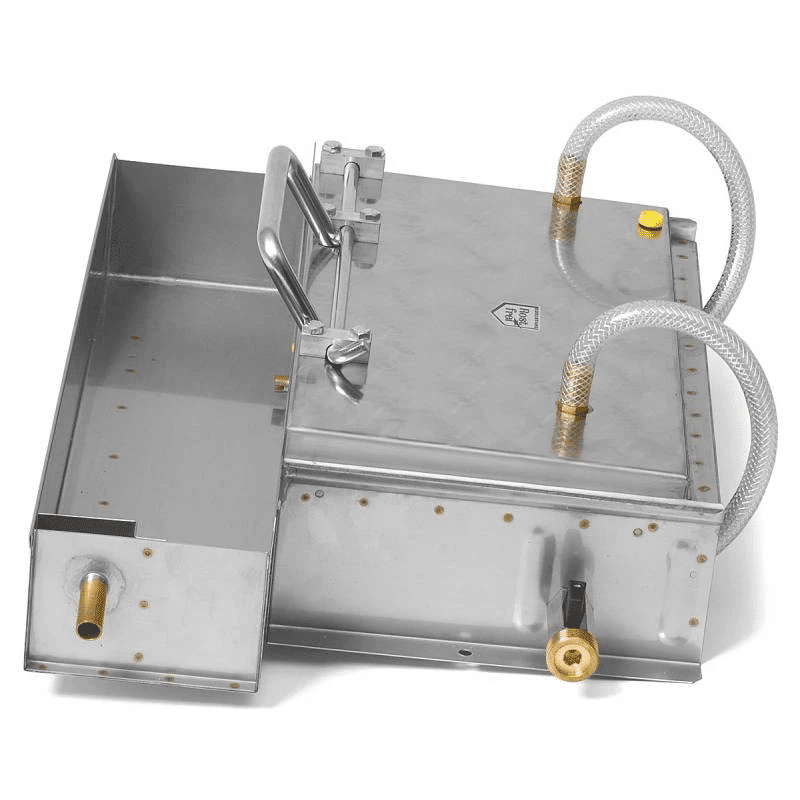
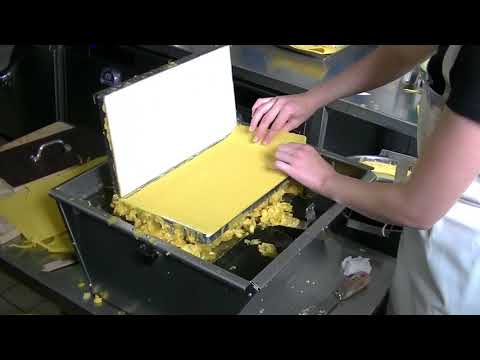
A similar but more productive option is a cooled flat embossing press. It works on the same principle but allows sheets to be produced more quickly.
Roller embossing
At a more professional level, the wax is embossed with rollers. It is advisable to begin by making wax slabs sized for the rollers. These are usually cast in trays similar to domestic oven trays and cut to working dimensions of approximately 35 × 20 × 1.5–2 cm. The slabs can be prepared at any time by pouring molten wax into moulds and stored until embossing.
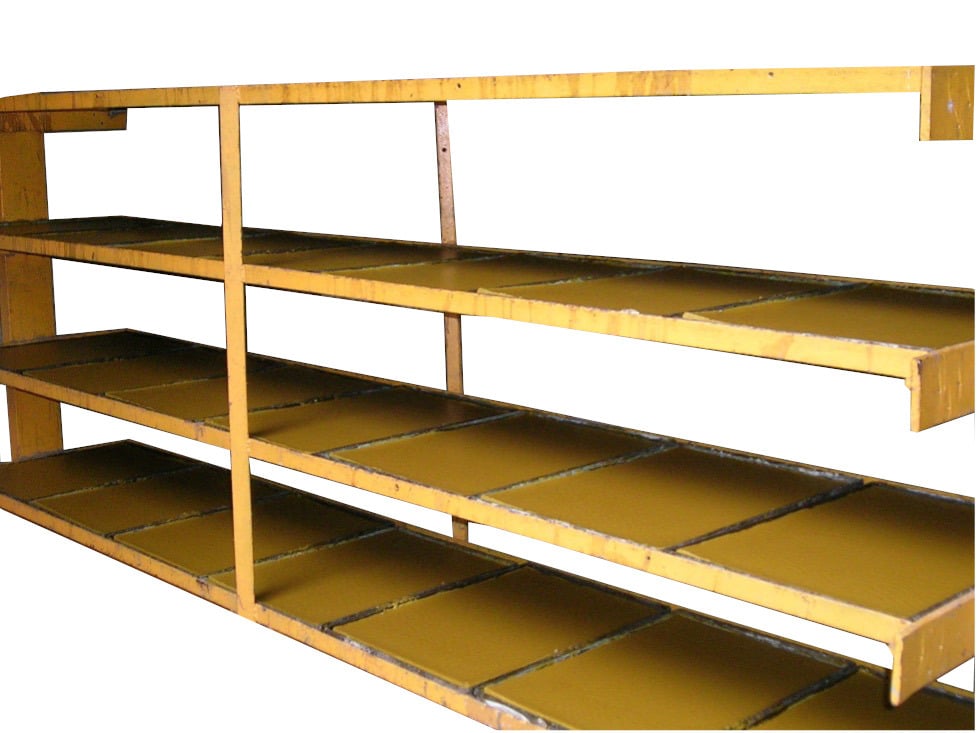
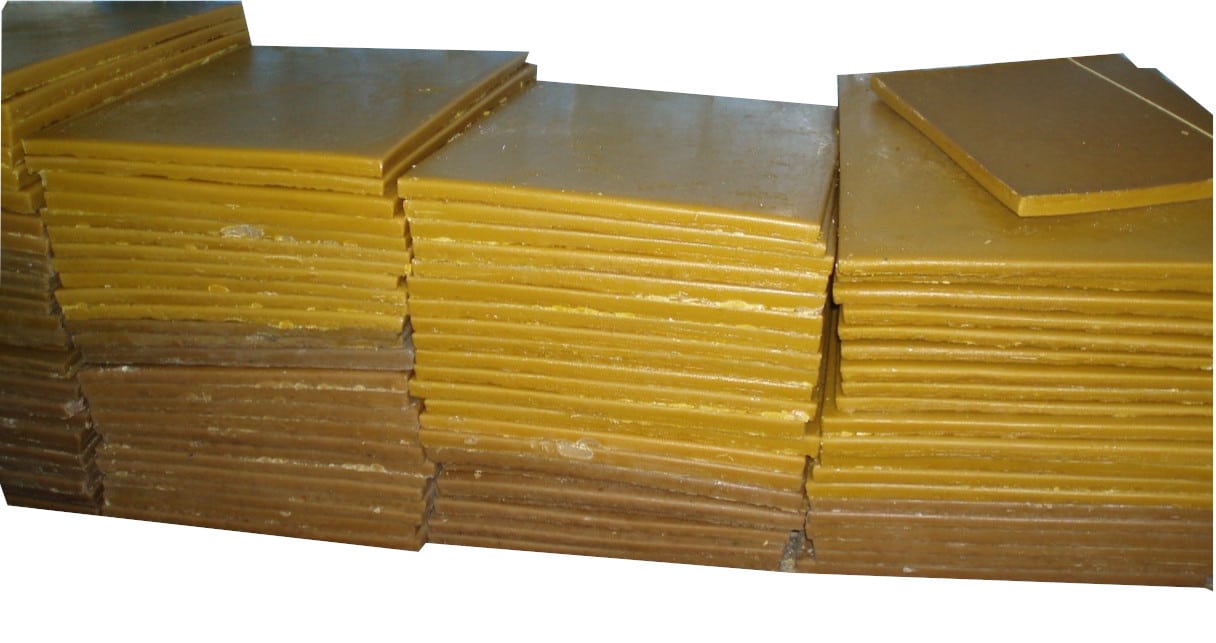
Before the wax slabs can be processed and rolled, they must first be warmed in hot water to approximately 40 °C, the moulding temperature. Once warm, they are passed through flat rollers. Both the wax slab and the rollers are coated with soap solution beforehand to prevent sticking and produce a wax band with the thickness and flexibility required for the embossing rollers.
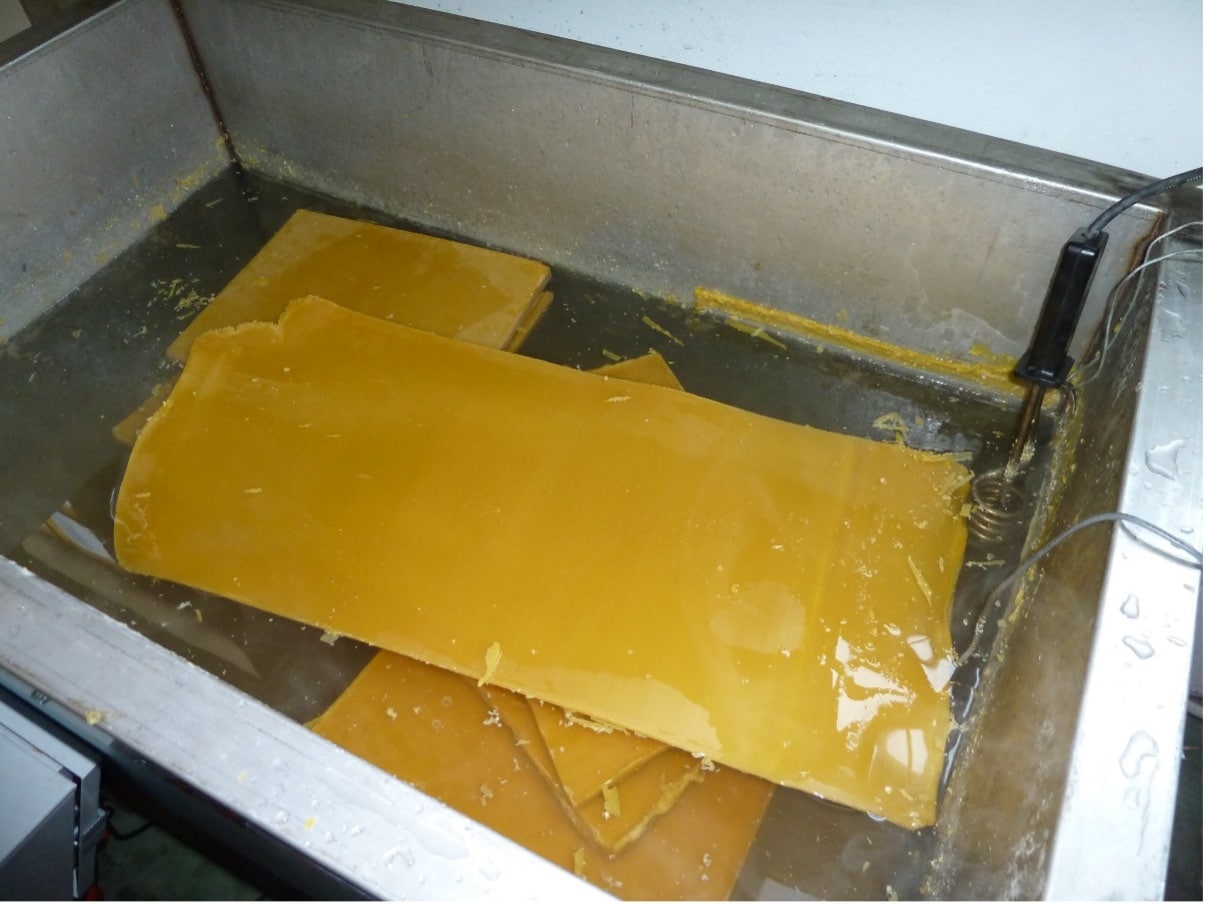
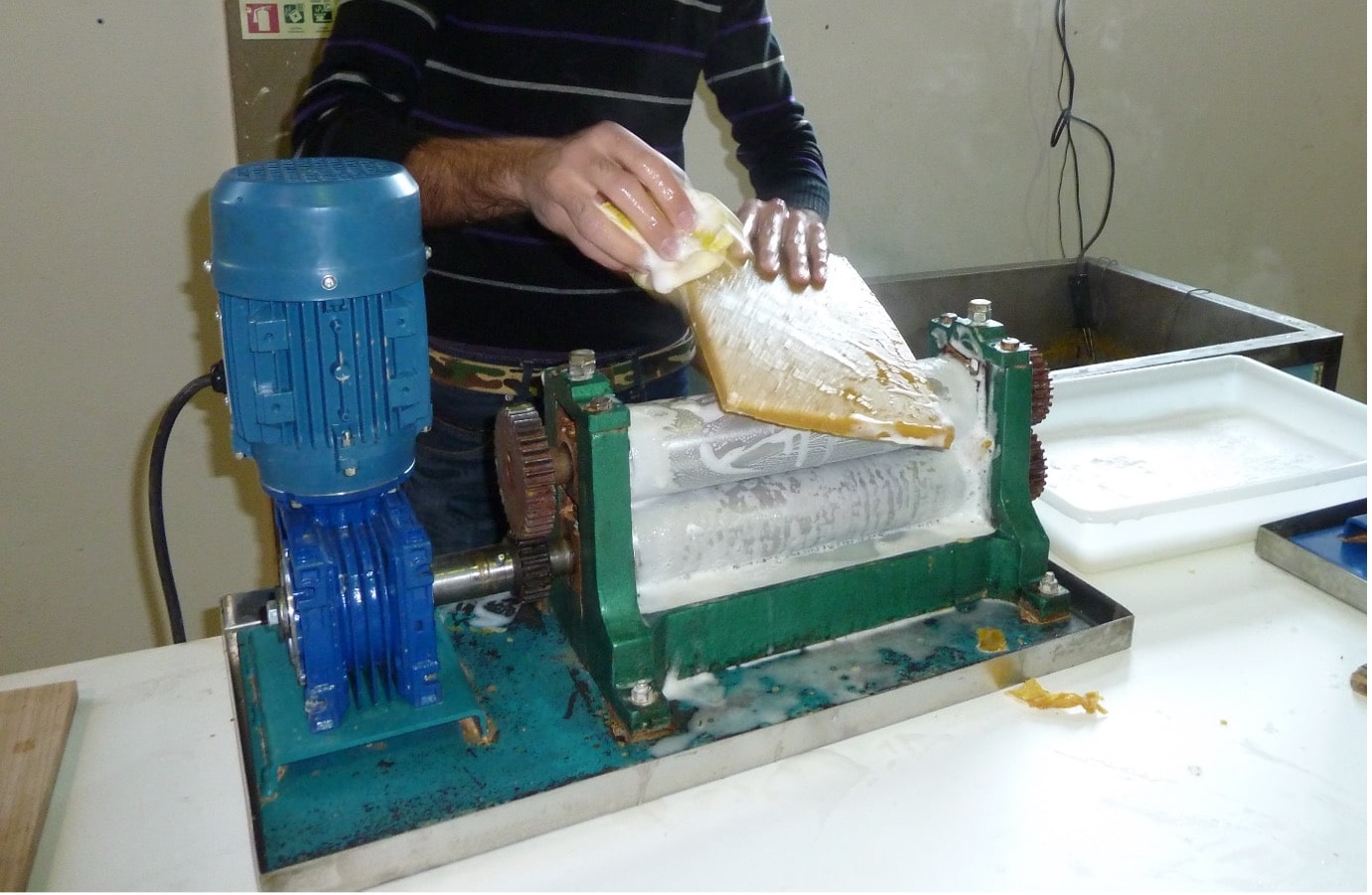
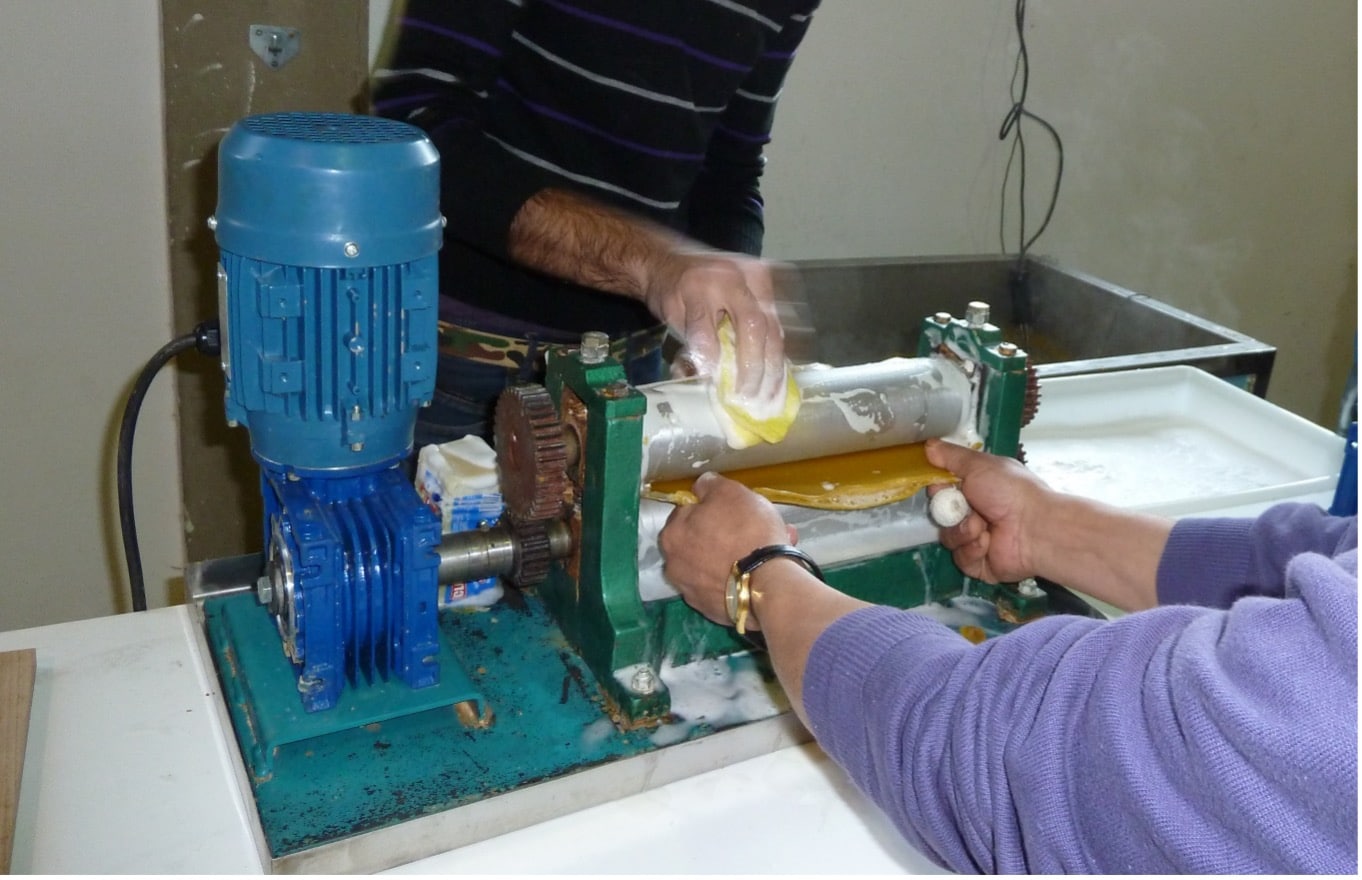
The wax ribbon produced by the flat rollers (which must remain at the moulding temperature of about 40 °C) is then coated again with soap solution and passed through the embossing rollers, which have also been coated with soap solution.
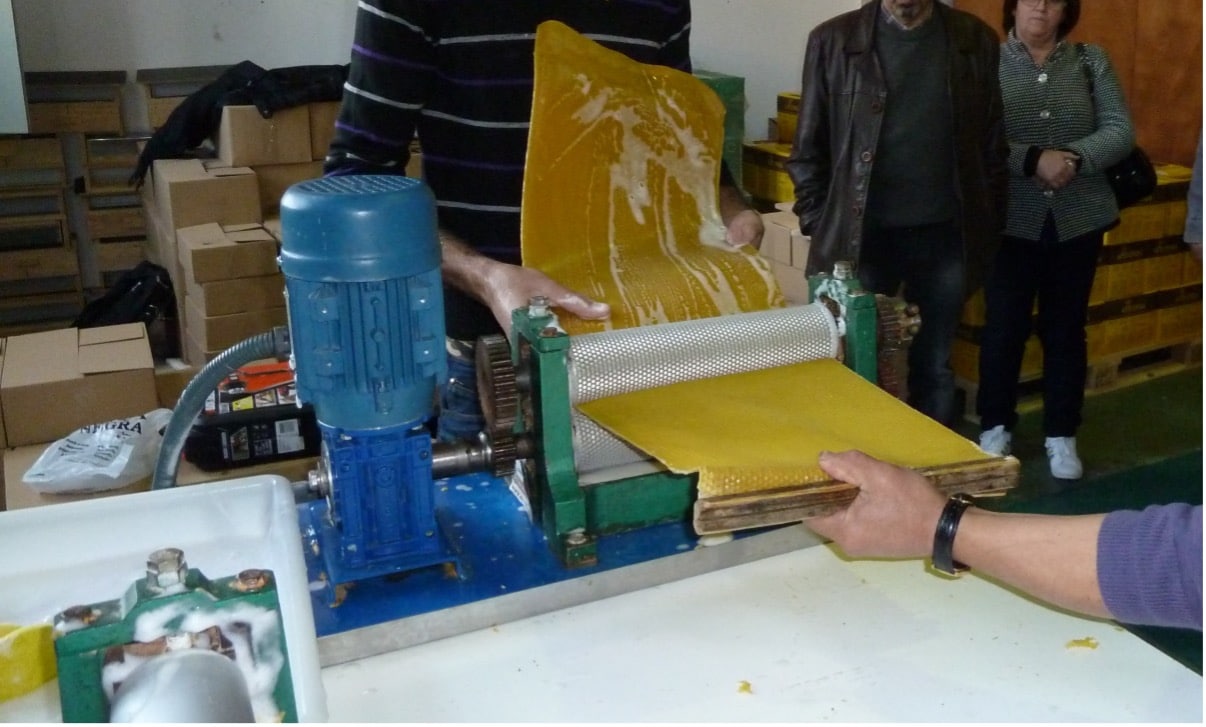
The only remaining step is to cut the embossed wax band to the required foundation-sheet dimensions, using suitable templates.
In the market there are manual and motorised rollers, made from different materials, of various lengths, and with cells of different sizes; the most common for worker cells is around 5.3 mm, although there are also those for African bee cells, slightly smaller, and for drone cells, obviously larger.
The thickness of the foundation can be adjusted by varying the distance between the two embossing rollers. Typically, the setting is adjusted to produce approximately 9–10 Layens or Dadant foundation sheets per kg of wax, and about 20% more Langstroth sheets.
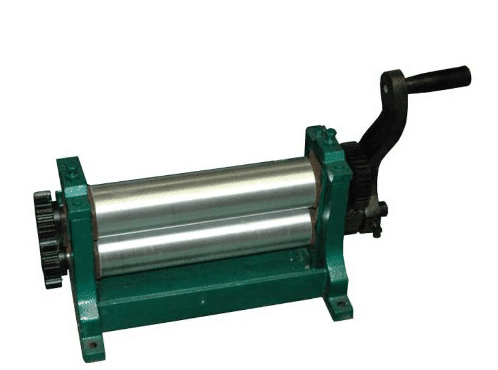
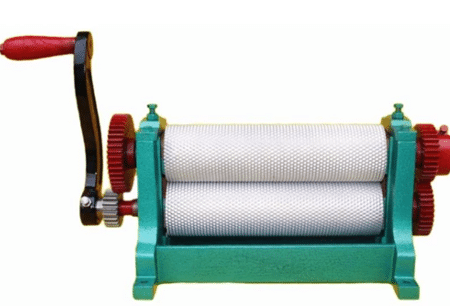
More and more professional beekeepers are using this method to produce their own sheets during the low-work season, mainly because this allows them to control any potential residues, particularly from acaricides. In this regard, it is worth remembering what was already mentioned in the post on wax quality.
It is worth noting that cappings wax from honey supers contains four times fewer residues than brood-comb wax from the same colonies. However, blending some brood-comb wax with cappings wax can make the foundation easier to process. This residue ratio does not apply in the same way to Layens wax, because honey cappings may come from combs that were previously in the brood nest and exposed directly to treatments.
Industrial rolling
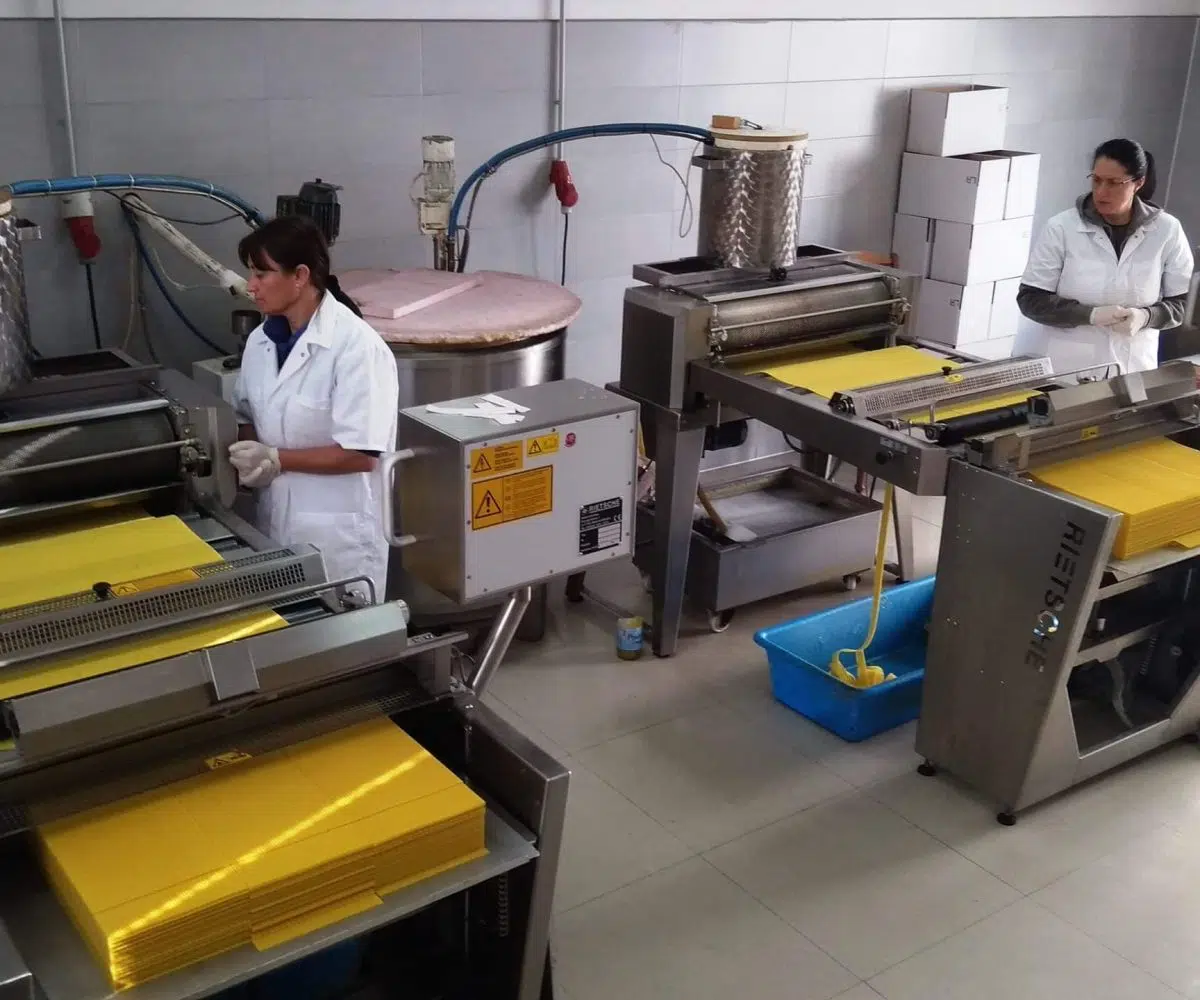
Industrial rolling is carried out using the same roller system as described above, with the difference being in the size of the machines and the level of automation, to improve output efficiency.
This is the method used by some entrepreneurial professional beekeepers, for their own use and that of their network, some cooperatives, and companies that manufacture sheets for sale.
There are two types of industrial rolling, automatic, using a single machine, which produces more rigid sheets, and semi-automatic, which requires two machines and produces more flexible sheets.
Fully automatic industrial rolling for rigid foundation sheets
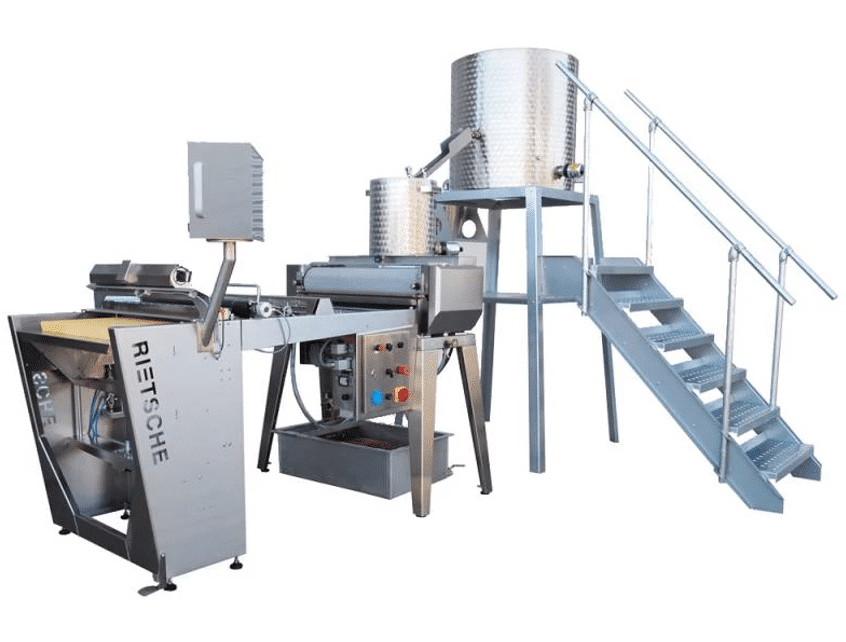
In this process, one machine receives molten wax from a heated feed tank that keeps it at the processing temperature. A thin stream of wax falls onto two embossing rollers rotating in opposite directions; a temperature-controlled soap solution from an adjacent tank cools and lubricates them. The wax solidifies immediately and takes on the rollers’ hexagonal pattern. As with the other systems, the gap between the rollers determines sheet thickness.
The result is a continuous wax band embossed with hexagonal cells, which drops onto a conveyor belt. Adjustable side blades on the belt trim the band to the set width. A bank of fans prevents excess moisture on the surface of the foundation sheets. Farther along the same belt, another blade descends vertically onto the wax band at the programmed interval. This produces foundation sheets cut to the required size at the end of the belt; they fall onto a table that lowers as the weight of the completed sheets increases.

This process is entirely automatic. And, as already mentioned, the rapid cooling of the wax will produce more rigid sheets, which may lead to breakage during handling in cold periods or cold regions. This drawback can be partially overcome by controlling the temperature in the rolling machine’s working area, to achieve a slower cooling of the wax. Temperature control, nevertheless, will be necessary to properly manage the entire process.
Industrial semi-automatic rolling, for making flexible wax sheets
For cold regions, foundation sheets should be flexible so that, when low temperatures make them stiffer, they remain flexible enough to handle without breaking.
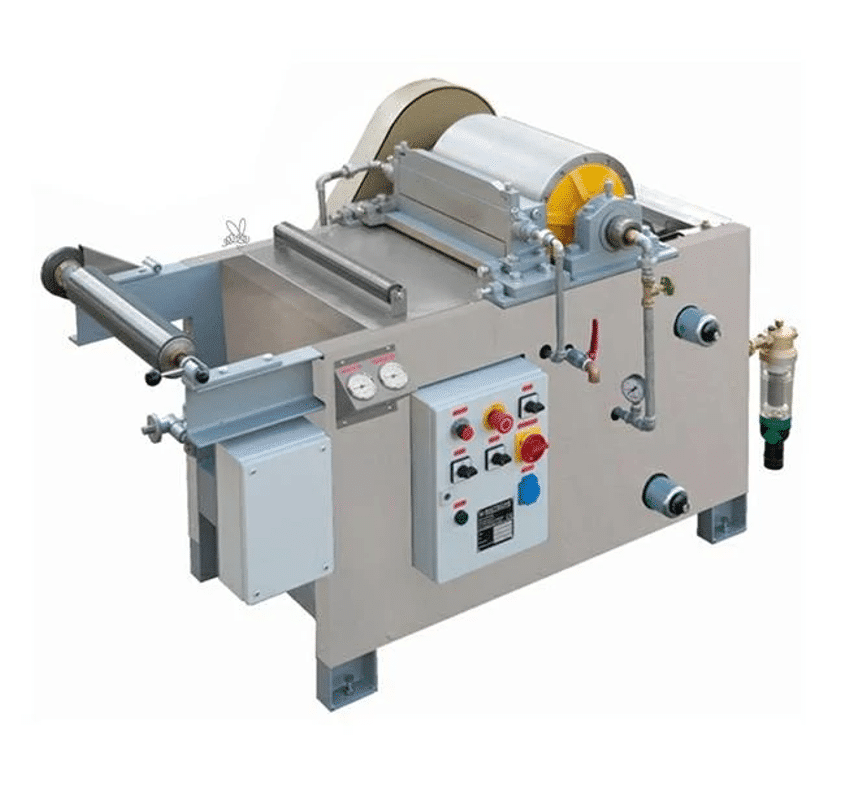
Two machines are used. In the first, molten wax falls onto a large rotating roller, which forms a reel of smooth wax that is slightly thicker than the finished sheet. These reels can be stored and embossed later.
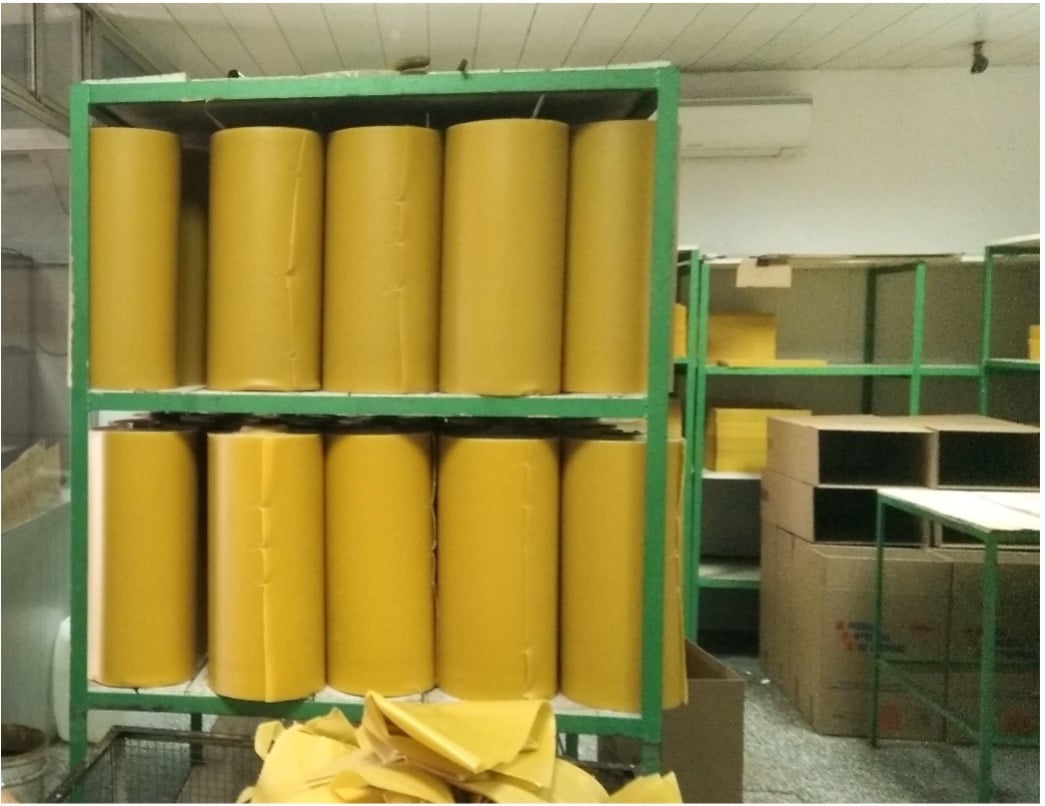
In the second stage, the smooth, pre-warmed reels pass through an embossing-roller machine, following the same principle as the hand-operated and fully automatic methods described above. Before entering this second machine, the reels must be immersed in a water bath until they reach the moulding temperature of approximately 40 °C.
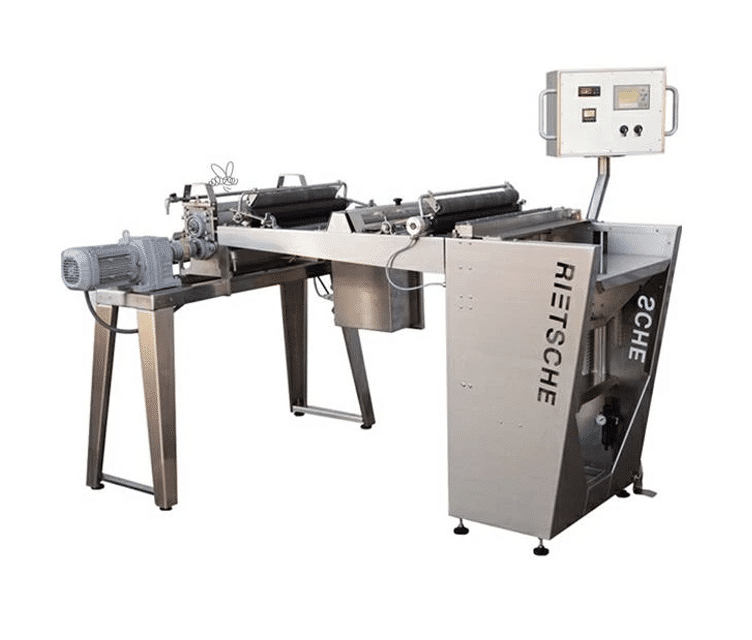
As in the fully automatic system, cutting blades trim the embossed wax band to the required sheet size. A stream of air removes excess surface moisture as the sheets leave the machine, and they fall onto a receiving table that lowers as their combined weight increases.
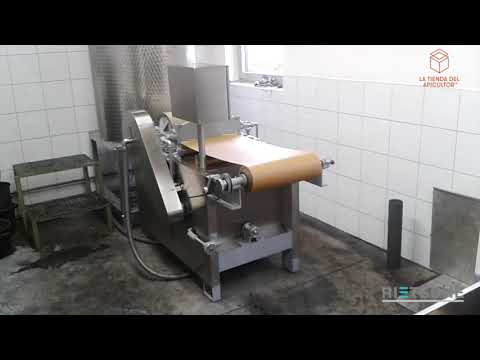
The choice of method and roller length—between approximately 40 and 80 cm—can vary the production rate from approximately 15 to 80 kg of foundation sheets per hour.

ISNI 0000 0005 1801 1100 | Joshua Ivars is the manager of LA TIENDA DEL APICULTOR and the author of this blog, where he shares technical and practical guidance for beekeepers. Drawing on extensive experience in the beekeeping sector, he offers advice and solutions based on beekeepers’ real needs, sharing his knowledge of equipment and essential beekeeping practices.


