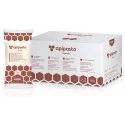
 Apipasta with vitamins 15kg
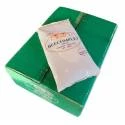 Beecomplet® Spring 14Kg
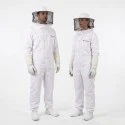 Beekeeper suit with round veil
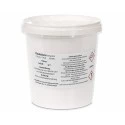 Oxalic acid 1kg
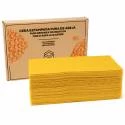 Beeswax Foundation 5kg
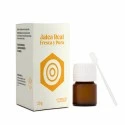 Fresh royal jelly 20g
 Classic honey jar 1kg comb-lines TO77 - Pack of 16 units
 Promotor L Apis 1 litre

 Share in WhatsApp
READY TO USE, NO MIXING | 27-29 % MOISTURE · THICKER THAN 2:1 |
1,400 kg IBC (SOLD BY WEIGHT) | pH 4.5 AS DECLARED BY THE MAKER |
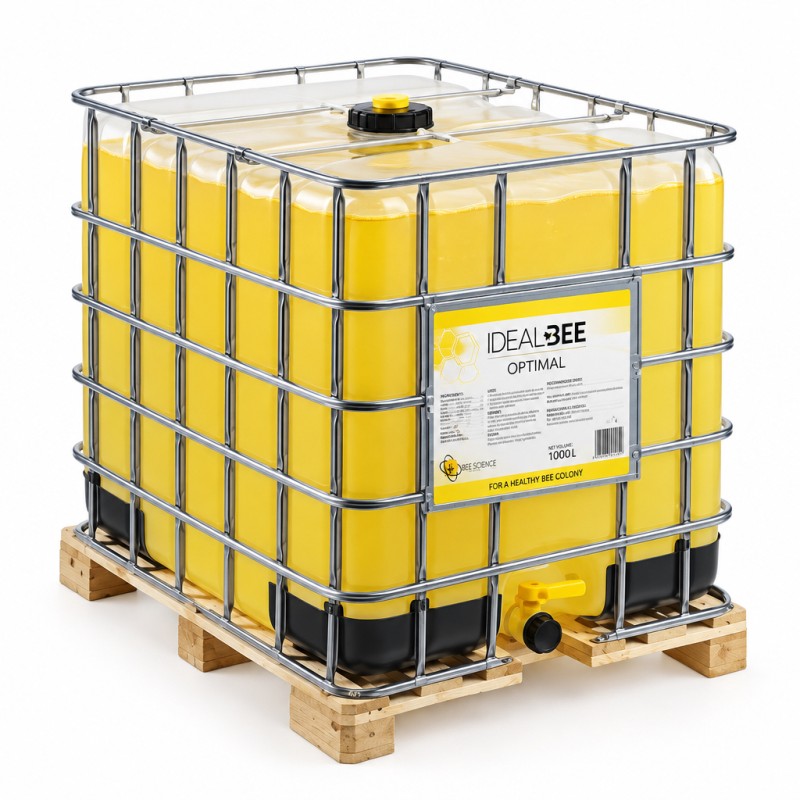
Invert syrup that is ready to use, thick (27-29 % moisture, thicker than a 2:1), with the three sugars balanced and an extract of seven plants. A 1,400 kg IBC.
The question these pages keep being asked is always the same: do I pour it as it is, or mix it with water and sugar? As it is. And there is only one thing you dilute it for.
01 · HOW TO FEED IT
Nothing to dissolve and nothing to heat: it comes inverted and thicker than a 2:1 syrup. Pour it and that is that.
| Autumn feed | Neat, untouched. This is where the density pays: less water for the bees to drive off before they cap it |
|---|---|
| Spring stimulation | Diluted 1:1: 0.44 L of water per kilo. This is the density bees read as nectar coming in |
Here is the sum, knowing that a litre of water weighs a kilo: water (L) = kg of syrup × (72 ÷ target dry matter − 1). A 1:1 is 50 % dry matter, so that comes to 0.44 L per kilo: 616 L for the IBC, which leaves you 2,016 kg. A 2:1 is 66.7 % and needs only 112 L. A stimulation feed sits between 30 and 50 % moisture, and that band runs exactly from 2:1 to 1:1.
The IBC is sold by weight, not by volume: it is 1,400 kg of thick syrup, appreciably less than 1,400 litres. This is the format for feeding a whole apiary without handling drums one at a time. One warning about diluting: thinned syrup does not keep the way the concentrate does, because more water means more risk of fermentation. Make up only what the colony will get through in a few days.
02 · THE THREE SUGARS
Home-made syrup is dissolved sucrose and little else; this one arrives inverted, that is, with the sucrose already split into the simple sugars a bee takes up without any prior work. The maker declares 32 % fructose, 34 % glucose and 19 % sucrose, and a pH of 4.5 — an acid figure, in line with honey, which is the environment a bee's gut is built for. Those numbers are also the useful way to compare syrups: read the declared moisture before the price per kilo. And without selling an easy comparison, because within this very range the Classic is thicker than this one (21.5-22.5 % against 27-29 %).
03 · THE HERBAL EXTRACT
This is what separates this syrup from the plain one in the range. It carries extract of thyme, nettle, rhubarb, St John's wort, basil, mint and wormwood, which bring plant polyphenols and tannins. It is worth saying plainly what it is and is not: this is a feed, not a treatment. It does not stand in for hive health work, it acts on no disease of the colony, and no such role is claimed for it here. What beekeepers do notice is the smell: it smells of herbs, and they take it down quickly.
04 · BEFORE YOU BUY
All three come in several formats, and what separates them is what sits on top of the sugar:
| Classic 1,400 kg IBC | Sugars only and the thickest of the three (21.5-22.5 % moisture). The budget one |
|---|---|
| Optimal 1,400 kg IBC (this one) | Balanced sugars (pH 4.5) plus an extract of seven plants |
| Complete ApiTotal 1,400 kg IBC | The fullest: adds B-group vitamins, minerals and amino acids |
| ✓ FITS | Feeding without making syrup at home, with the option of diluting it to stimulate. |
| ✕ DOESN'T FIT | Standing in for a health treatment. Or covering a pollen shortage: this is energy, not protein. |
| ⚠ NOT INCLUDED | The feeder: the syrup is poured, and the container in the hive is bought separately. |
| Product | Ready-to-use invert syrup · Dulcofruct |
|---|---|
| Format | 1,400 kg IBC |
| Sugars | Fructose 32 % · glucose 34 % · sucrose 19 % |
| Moisture | 27-29 % (71-73 % dry matter) · thicker than a 2:1 |
| pH | 4.5 |
| Plant extract | Thyme · nettle · rhubarb · St John's wort · basil · mint · wormwood |
| Directions for use | Neat in autumn · diluted 1:1 (0.44 L of water per kg) for stimulation |
Specific References
1 file available
check_circle
check_circle