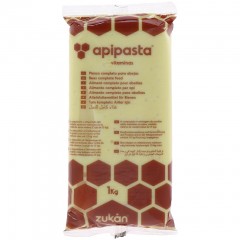
 Apipasta with vitamins 15kg
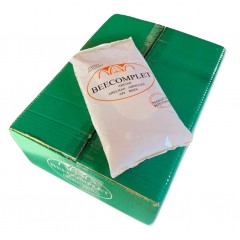
 Beecomplet® Spring 14Kg
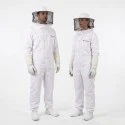 Beekeeper suit with round veil
 Oxalic acid 1kg
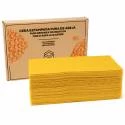 Beeswax Foundation 5kg
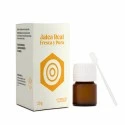 Fresh royal jelly 20g
 Classic honey jar 1kg comb-lines TO77 - Pack of 16 units
 Promotor L Apis 1 litre


 Share in WhatsApp
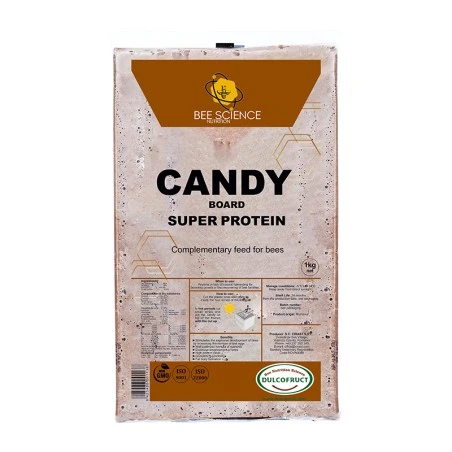
12.5 % CRUDE PROTEIN | 450 g SINGLE PATTY |
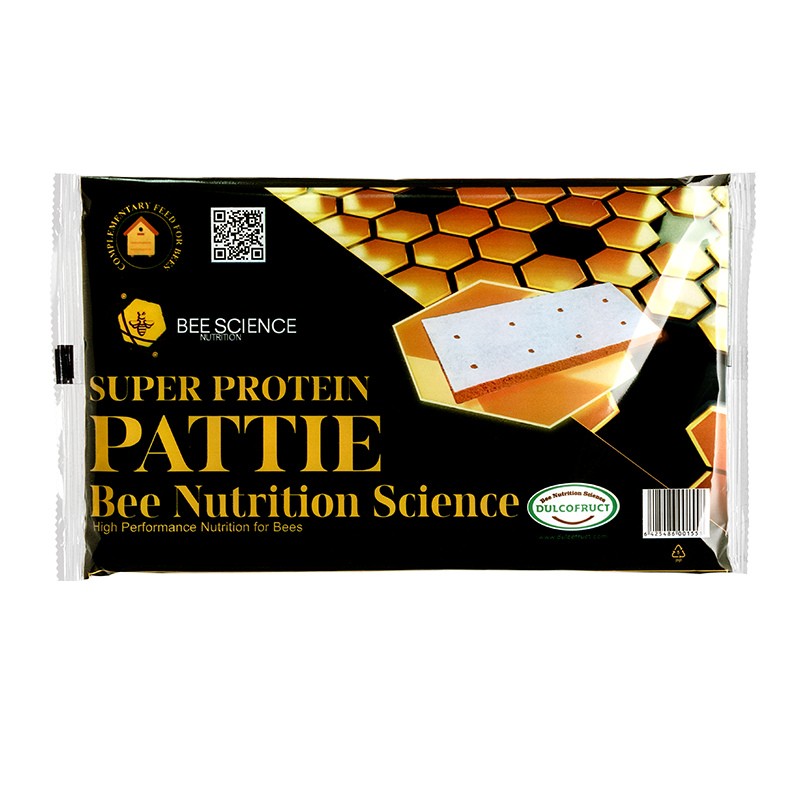
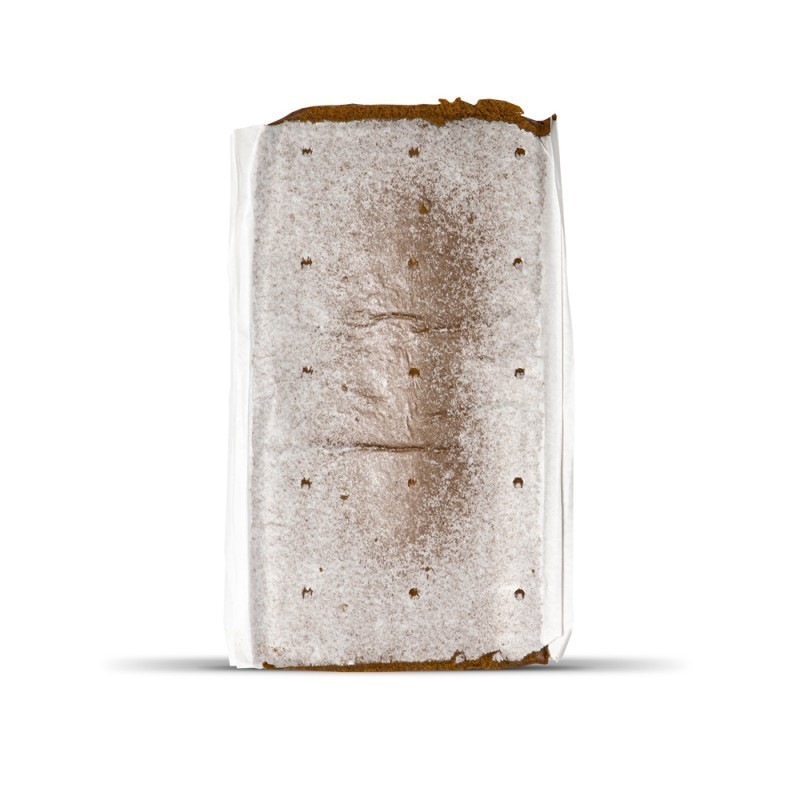
450 g protein patty at 12.5 % crude protein, for pollen gaps and for after a hard effort.
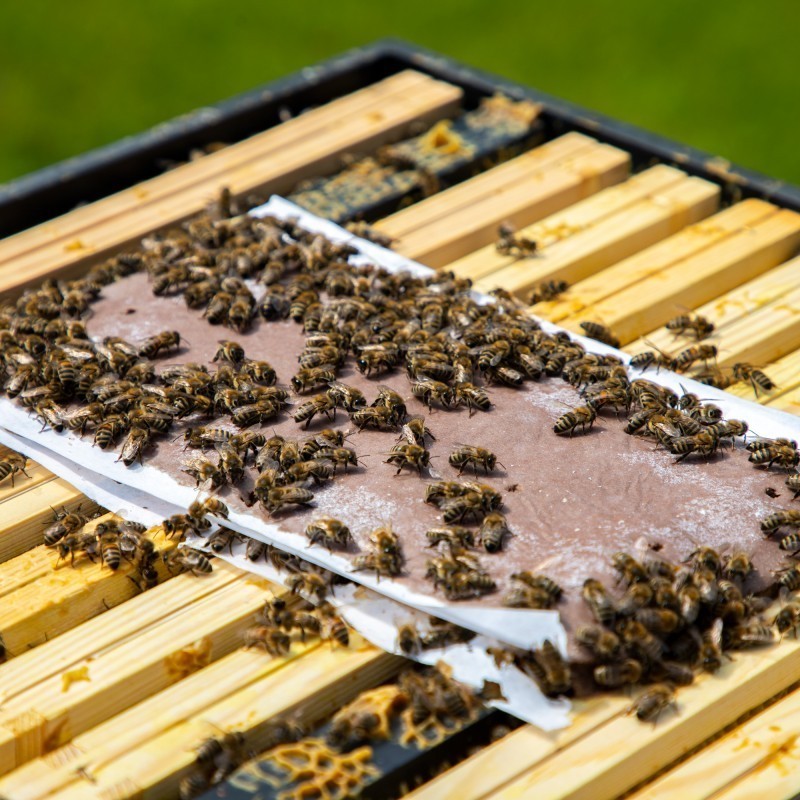
It goes on top of the frames, no feeder needed, and its moment is the weeks when there is brood to carry and no pollen coming in.
01 · WHY PROTEIN
Nurse bees feed the brood on royal jelly, and they make it in hypopharyngeal glands whose size depends directly on the pollen they ate in their first ten days of life. Without that pollen the glands do not develop and the brood is fed worse. That is why the effect of a protein feed shows up not in the bee that eats it but in the next generation: you give it two or three weeks ahead, not on the day you need it.
02 · WHERE IT SITS
The figure places the product better than any adjective. Below 12 % you are in maintenance patties, which hold a colony but do not build it; from 15-16 % upwards you are in build-up patties, for rebuilding a colony with nothing in the field. This 12.5 % sits between the two: it covers a pollen gap and backs up an effort, and it is the one that pays when some pollen is coming in but not enough.
03 · WHEN TO GIVE IT
The clear moments: after a demanding harvest or a pollination contract, when the colony has spent more than it has replaced; when making up nucs, where young bees are what counts; and in the summer dearth, with heat and little in flower. What it does not do: it does not cure, it does not replace varroa control, and it does not turn a colony without bees into a strong one.
04 · HOW TO PUT IT ON
Tear the wrapper and lay the patty face down on the brood frames, inside an empty super or under the crown board. The paper holds the paste and slows it drying out; cut a small slit, not a big hole — a patty dried on the surface is the number one reason a colony leaves it half eaten.
⚠ PRECAUTIONS
Do not give it during a flow or with honey supers on: what goes up into the super ends up in the honey you are going to jar. Take the remains out before supering.
05 · BEFORE YOU BUY
This reference is the single 450 g patty. If what you need is cheap energy to get through winter, a sugar patty works out better; if you are coming out of a long dearth with no pollen at all, look at a high protein one.
| ✓ FITS | Any hive: it sits on the top bars, no feeder needed. |
| ⚠ NOT INCLUDED | Winter energy feeding. For sugar stores, a fondant or syrup separately. |
| Format | Individual 450 g patty, in biodegradable bag and paper |
|---|---|
| Crude protein | 12.5 % |
| Protein source | Soya and yeast |
| Dry matter | 90-91 % (moisture 9-10 %) |
| Sugars | Fructose 25-26 % · sucrose 33-34 % · dextrose 17-18 % |
| pH | 4.2-4.5 |
| Vitamins | A · D · D3 · E · C · B2 · B3 · B12 |
| Minerals | Ca · Mg · S · P · K · Na · Fe · Cu · Zn · Mn · Co |
| Other components | Probiotic bacteria, herbal polyphenol extracts, essential oils and vegetable fats |
| Use | Pollen shortfall, after a harvest or pollination and when making up nucs |
| Placement | On the brood frames, with the wrapper torn open |
| Storage | Refrigerated or frozen, out of direct sunlight and always below 30 °C |
| Shelf life | 24 months |
| When not to use it | During a flow and with honey supers on |
Specific References
1 file available
SuperProtein Pattie is the result of over a decade of research and innovation by Dulcofruct Bee Nutrition Science. It has been developed as a high-quality protein feed for bees, rigorously tested and continuously improved to enhance colony strength. Its balanced composition not only provides essential nutrition, but also has a prophylactic effect, helping bees better cope with environmental challenges, including parasites like Varroa mites.