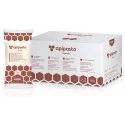
 Apipasta with vitamins 15kg
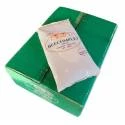 Beecomplet® Spring 14Kg
 Beekeeper suit with round veil
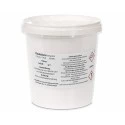 Oxalic acid 1kg
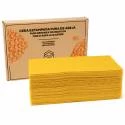 Beeswax Foundation 5kg
 Fresh royal jelly 20g
 Classic honey jar 1kg comb-lines TO77 - Pack of 16 units
 Promotor L Apis 1 litre

 Share in WhatsApp
Buy it now and receive it between Tuesday, 15 September and Thursday, 17 September with Ontime
12-30 % MEASURING RANGE | 3 s PER READING |
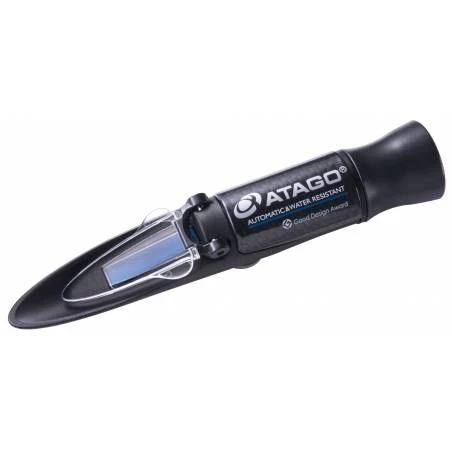
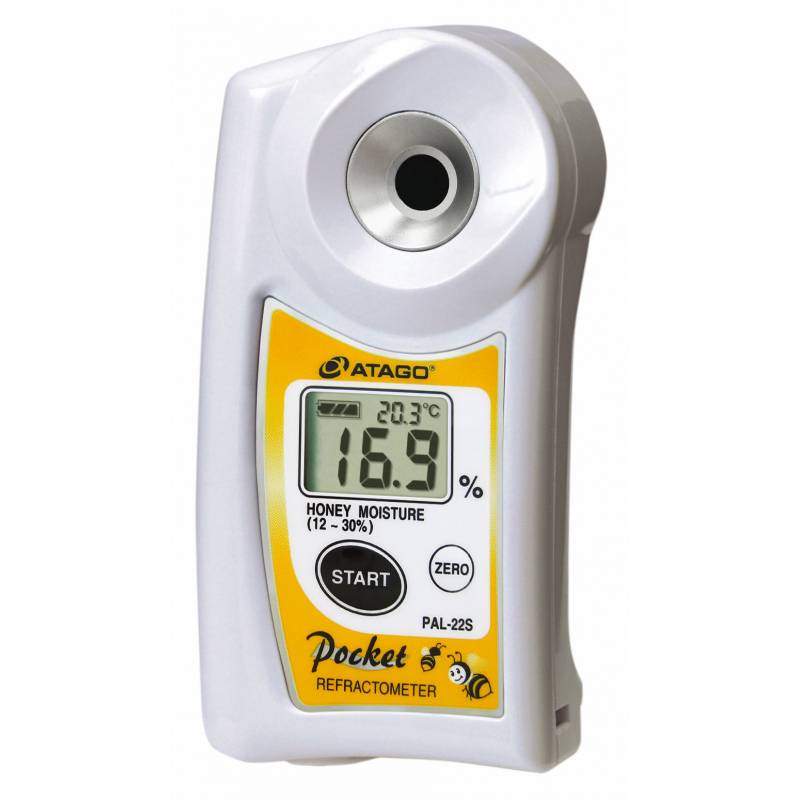
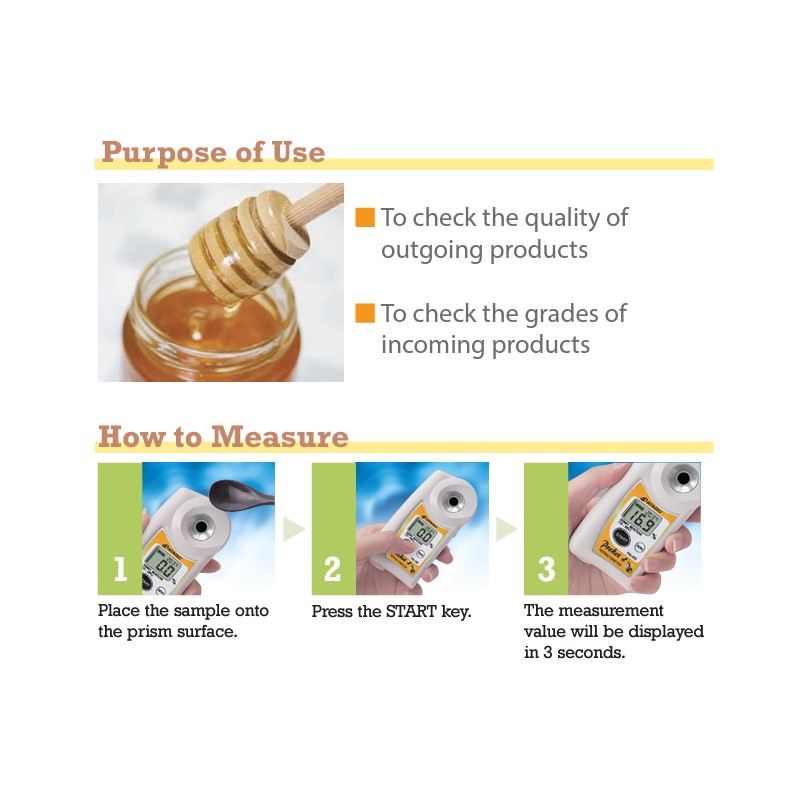
Digital pocket refractometer that measures honey moisture from 12 to 30 % with 0.1 % resolution and automatic temperature compensation.
Two drops and three seconds to decide whether to harvest, accept or bottle.
01 · WHAT THE NUMBER MEANS
Measuring is easy; interpreting is what pays. As a working reference: below 16 % the honey has margin to spare; between 17 and 18 % it is usually stable if the yeast load is low; between 19 and 20 % you are close to the general limit and the risk is real; and above 20 % there is a danger of fermentation and possible non-compliance, bar the exceptions the standard allows. Well-harvested Spanish honeys usually sit between 16 and 18 %, so a reading outside that is a signal to stop and look.
02 · WHEN YOU MEASURE CHANGES THE CALL
Capping is a good clue, but it is not a measurement. Measuring before extraction tells you whether the super is genuinely ripe or worth leaving; measuring on intake lets you accept, separate or negotiate a batch with a figure in hand; and measuring before bottling keeps you from jarring a problem that will surface months later. One nuance that costs money: above 18 % and over 20 °C, the risk of fermentation climbs sharply where yeasts are present — it is not the figure alone, it is the figure together with your storage temperature.
03 · THE SAMPLE MATTERS AS MUCH AS THE METER
Homogenise the batch before taking a representative sample; two or three drops are enough to cover the prism. Avoid foam, coarse crystals and traces of the previous reading. If a batch shows distinct zones, measure several points separately: a single drop does not describe a drum. And mind what happens after measuring — honey at 18.3 % or below can pick up moisture from the air if the drum is left open above 60 % relative humidity, so a good reading has to be protected by closing up.
04 · REPEATABILITY
Automatic compensation works between 10 and 40 °C, but it replaces neither a stable sample nor the manufacturer's procedure. Clean the prism between readings, check the zero as the manual sets out, and repeat when a result does not add up. Do not let cleaning water carry into the next sample, and dry without scratching the optics. Record batch, date and result: that is what later lets you tell a real variation in the honey from a sampling problem, and back your decision if anyone questions it.
WHAT THIS METER DOES NOT DO
It measures moisture within its range, and nothing else: it does not authenticate origin, does not detect adulteration and does not replace a laboratory analysis where one is required. If you work close to the limit of a commercial or legal specification, set your sampling plan and your criterion for repeating or confirming by analysis in advance. A figure is not a certificate.
05 · BEFORE YOU BUY
It is genuinely pocket-sized — 100 g — and runs on two AAA batteries: it travels in your overalls and needs no socket. The IP65 rating takes splashes and washdown in the extracting room, but does not make it submersible. And if you measure outdoors in real cold or heat, keep the 10 to 40 °C range in mind.
| Model | ATAGO PAL-22S · 4422 |
|---|---|
| Measures | Moisture in honey |
| Range / resolution | 12.0-30.0 % / 0.1 % |
| Accuracy | ±0.2 % moisture |
| Measuring temperature / ATC | 10-40 °C |
| Sample / time | 2-3 drops / about 3 s |
| Protection | IP65 |
| Power | 2 AAA batteries |
| Size / weight | 55 × 31 × 109 mm · 100 g |

check_circle
check_circle