 Apipasta with vitamins 15kg
 Beecomplet® Spring 14Kg
 Beekeeper suit with round veil
 Oxalic acid 1kg
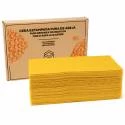 Beeswax Foundation 5kg
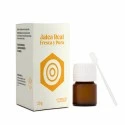 Fresh royal jelly 20g
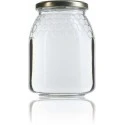 Classic honey jar 1kg comb-lines TO77 - Pack of 16 units
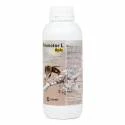 Promotor L Apis 1 litre
- Out of stock

 Share in WhatsApp
1 g AMITRAZ PER HIVE | 6 or 10 WEEKS, DEPENDING ON BROOD |
2 strips INSIDE THE BROOD AREA | 5 HIVES PER SACHET |
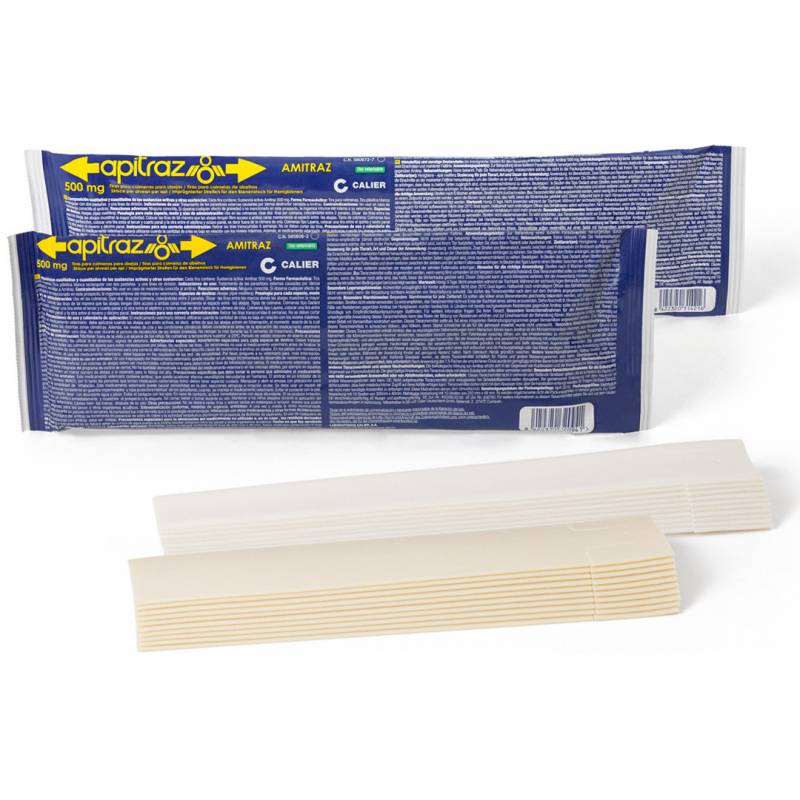
Plastic amitraz strip from Laboratorios Calier, made in Spain: 500 mg per strip, two per hive.
You hang it and forget it, buthow long depends on whether there is brood: six weeks if the hive is broodless or nearly so,ten if there is. It is the most-broken instruction in this sheet, and it explains a good share of the treatments that «did not work».
01 · HOW IT WORKS AND RESISTANCE
Amitraz interacts with theoctopamine receptors of the mite and kills it by contact: the bees brush the strip and spread the product through the colony. What sets this technical sheet apart is that itopenly acknowledges resistance — it has been detected in some populations ofVarroa destructor, linked to mutations in the octopamine beta-adrenergic receptor. Where resistance is known or suspected, it asks you to rely on asusceptibility test (the Beltsville assay) and to consult the vet. Hence its two insistences: use it within anintegrated control programme andmonitor the infestation during treatment and afterwards.
02 · PLACEMENT
It takes2 strips per hive, inside the brood area, with aminimum of two frames between them, where the bees are most active and with free access to both faces. Positions from the sheet: in Dadant and Langstroth, between combs 3-4 and 7-8; in Layens, between 5-6 and 9-10. Mind the size, because the sheet allows for two: this reference is thelong 300 × 40 mm strip, the one that matchesDadant and Layens. ForLangstroth the sheet assigns a shorter strip, of250 × 48 mm, which is not the one in this box. Three details that tend to go unread:the strips are not cut, if the brood moves they must be repositioned, and it has only been studied in hives witha single brood box.
03 · SIX WEEKS OR TEN
With no brood, or very little, the strips come out at6 weeks.With brood you have to wait for 10, and there is no shortcut: the varroa under the capping is only exposed as the brood emerges, and cutting at six leaves part of the mite population untreated. The sheet quantifies the target — with brood, and depending on the starting infestation, a reductionabove 95 % is expected after those 10 weeks. Taking them out early does not shorten the treatment: it leaves it half done.
04 · TIMING, HONEY AND WAX
The sheet places the treatmentwith no supers on: after the last harvest —late summer or autumn— or before the spring flow, taking the strips out before it starts. And it adds a condition that gets overlooked: apply itwhile the bees are still active, before overwintering, with an exact moment that shifts with the climate zone. On honey, the withdrawal iszero days, but the very same section forbids harvestingduring the 6 or 10 weeks and extracting honey from the brood box. In the long run,fresh wax in the brood combs every three years.
⚠ PRECAUTIONS
Do not exceedor reduce the dose or the duration: at one and a half times the dose over eight weeks, mortality was already somewhat higher. Nor has its safety been demonstrated inweak colonies. No other parasiticide is used at the same time, and the toxicity of amitraz rises withcopper salts while its activity drops withpiperonyl butoxide.
Wearwaterproof gloves and the usual beekeeping clothing, and open the sachet carefully so as not to inhale it: it can causeskin sensitisation, allergic reactions and eye irritation. It is a monoamine oxidase inhibitor, so take extra care if you are on MAOI medication. Used strips and empty sachetsdo not go into ponds or streams: amitraz is dangerous to fish.
05 · SUPPLY AND PACK
Apitraz is aprescription-only veterinary medicine and is administered under veterinary supervision or control. Because of that status itcannot be supplied by distance selling: this page is informational and does not process any purchase. The heat-sealed multilayer sachet holds10 strips — 5 hives at two per hive. Made by Laboratorios Calier in Spain.
| ✓ FITS | Dadant and Layens with a single brood box — this is the long strip, 300 × 40 mm. |
| ✕ DOESN'T FIT | Langstroth, which in the sheet takes the short 250 × 48 mm strip. Nor double brood boxes, weak colonies or use during the honey harvest. Amitraz is a synthetic acaricide, not allowed in organic production. |
| ⚠ NOTE | The stripsare not cut: a long strip is not trimmed down for Langstroth. And the sachet is heat-sealed, soonce opened, the strips get used. |
| Name | Apitraz 500 mg strips for hives for bees |
|---|---|
| Registration no. | 2782 ESP · Laboratorios Calier, S.A. · revision 03/2023 |
| Active substance | Amitraz, 500 mg per 27.6 g strip · ATCvet QP53AD01 |
| Dose | 2 strips per hive (1 g of amitraz), inside the brood area, at least two frames apart |
| Duration | 6 weeks with no brood or minimal brood · 10 weeks in the presence of brood |
| Placement | 300 × 40 mm strip (Dadant and Layens) · Dadant: between combs 3-4 and 7-8 · Layens: between 5-6 and 9-10 · Langstroth uses the 250 × 48 mm strip · do not cut the strips |
| Timing | No supers on, after the last harvest or before the spring flow, with the bees still active |
| Withdrawal period | Honey: zero days. Do not harvest during the 6 or 10 weeks of treatment, nor extract honey from the brood box |
| Pack and shelf life | Heat-sealed sachet of 10 strips (5 hives) · 18 months · use immediately once opened · below 25 °C |
| Supply status | Veterinary medicine subject to prescription, administered under veterinary supervision or control |
Data sheet
Specific References
Sorry, no results found.
Write your question
check_circle
check_circle
La información de esta sección, a la que está intentando acceder, se dirige exclusivamente a profesionales veterinarios residentes en España y a las personas autorizadas para dispensar medicamentos veterinarios sujetos a prescripción.
¿Es usted profesional veterinario o establecimiento dispensador de medicamentos veterinarios?