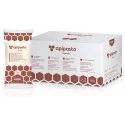
 Apipasta with vitamins 15kg
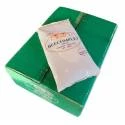 Beecomplet® Spring 14Kg
 Beekeeper suit with round veil
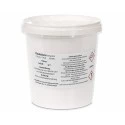 Oxalic acid 1kg
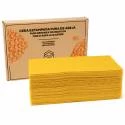 Beeswax Foundation 5kg
 Fresh royal jelly 20g
 Classic honey jar 1kg comb-lines TO77 - Pack of 16 units
 Promotor L Apis 1 litre
- Out of stock

 Share in WhatsApp
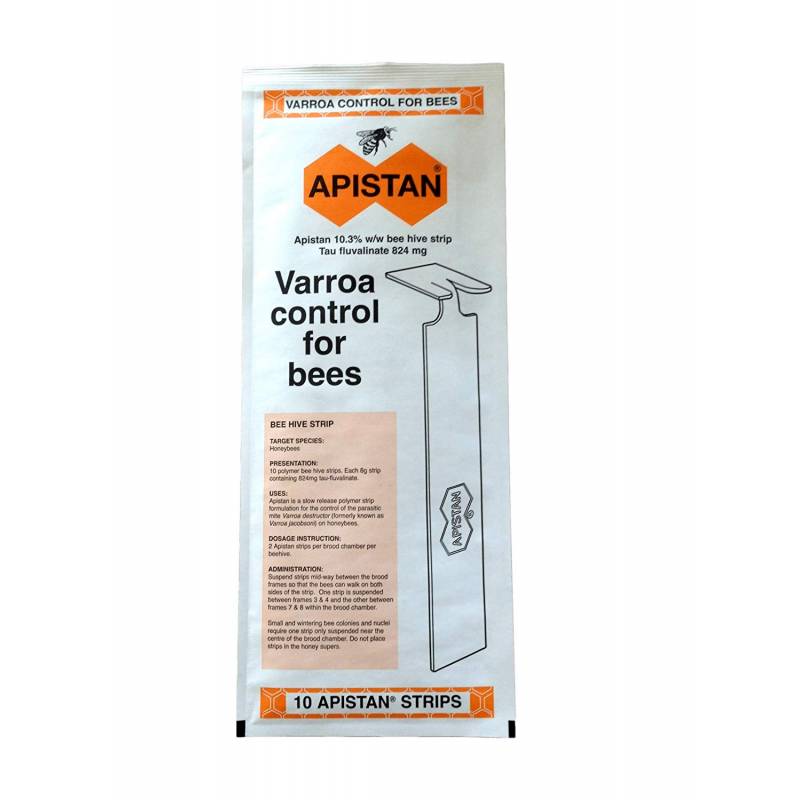
800 mg TAU-FLUVALINATE PER STRIP | 6-8 WEEKS IN THE HIVE |
1 year MINIMUM BEFORE REPEATING | 5 HIVES PER SACHET |
Tau-fluvalinate strip from Vita: you snap it apart, hang it, and it releases acaricide steadily for eight weeks.
Apistan is not amitraz: it is apyrethroid, and that difference governs everything else. It brings the advantage —very low toxicity to the bee, which lacks the specific receptors— and the obligation: its technical sheet requiresnot using it in consecutive years. It is not prudent advice, it is in the special warnings section.
01 · ROTATION IS NOT OPTIONAL
The technical sheet is explicit: Apistanmust not be used in consecutive years, and instead a strict rotation with acaricides fromdifferent chemical classes must be applied. Depending on the resistance situation in your area, it may need a rest of more than a year. And there is an important incompatibility if you already treat with other products:it is not used in colonies with known resistance to other pyrethroids —flumethrin, for example— because there is cross-resistance. Alternating between two pyrethroids is not rotating. Hence the sheet's advice to test susceptibility regionally, by bioassay or PCR, and to monitor the infestation before and after.
02 · PLACEMENT
The strips comejoined together from the factory: you separate them and hang them vertically between the combs by their built-in hook. It takes2 per hive, centrally placed among the brood combs. In a 10-frame Dadant, one between 3 and 4 and the other between 7 and 8; in Layens, at the centre andspaced 3-4 frames apart. The condition that decides the result is always the same:the strips must stay in contact with the brood combs, which is where the bees brush the plastic and pass the acaricide on to the rest by social contact.
03 · NO LESS THAN SIX, NO MORE THAN EIGHT
The plastic matrix holds steady acaricide levelsfor eight weeks: that is the window. Less than6 weeks falls short; more than8 is counterproductive, for a specific reason — the substance runs down, and a half-empty strip exposes the mites to low doses, which is exactly how resistance gets selected. For the same reason,the strips are never reused: they lose efficacy and, moved from hive to hive, they can carry diseases associated with varroa infestation. Except in severe reinfestations,one treatment a year is usually enough.
04 · TIMING, HONEY AND WAX
The best results come from treatingin spring, before the first flows, or in autumn after the harvest and with little brood. The honey withdrawal iszero days, but the very same section adds the other half:do not use during nectar income. And a long-term consequence: tau-fluvalinate islipophilic and builds up in the wax treatment after treatment. Hence two instructions that tend to be ignored — renew the brood combs with fresh wax periodically, anddo not recycle or melt down wax from treated hives for brood or honey foundation. It is also worth treating the whole apiary at once, or drift and robbing will reinfest what you treated.
⚠ PRECAUTIONS
Handle the strips withgloves and avoid contact with eyes, skin and mucous membranes; if it splashes in your eyes, rinse with plenty of water. Do not eat, drink or smoke while handling them and wash your hands afterwards. Keep the strips in theiroriginal packaging and protected from light; the sachet is heat-sealed, soonce opened they get used. If signs of disease appear or persist in the colony, consult your vet or your local bee inspector.
05 · SUPPLY AND PACK
Apistan is aprescription-only veterinary medicine and is administered under veterinary supervision or control. Because of that status itcannot be supplied by distance selling: this page is informational and does not process any purchase. The heat-sealed aluminium sachet holds10 strips — 5 hives at two per hive. Made by Vita (Europe) Limited.
| ✓ FITS | 10-frame Dadant and Layens, each with its own positions in the technical sheet. |
| ✕ DOESN'T FIT | Colonies with known pyrethroid resistance, two years running, and use during nectar income. Tau-fluvalinate is synthetic, not allowed in organic production. |
| ⚠ NOTE | The strips range frompale gold to pink and may come with small blotches: that is normal, not a defect. |
| Name | Apistan 800 mg strip for hives |
|---|---|
| Registration no. | 2680 ESP · Vita (Europe) Limited |
| Active substance | Tau-fluvalinate, 800 mg per 8 g strip · cyanopyrethroid · ATCvet QP53AC10 |
| Dose and duration | 2 strips per hive · between 6 and 8 weeks, never outside that range |
| Placement | Central, in contact with the brood combs · 10-frame Dadant: between 3-4 and 7-8 · Layens: at the centre, 3-4 frames apart |
| Rotation | Do not use in consecutive years · rotate with another chemical class · cross-resistance with flumethrin |
| Timing | Spring before the first flows, or autumn after the harvest, with little brood |
| Withdrawal period | Honey: zero days. Do not use while nectar is coming into the hive |
| Pack and shelf life | Heat-sealed aluminium sachet with 10 strips (5 hives) · 3 years · use immediately once opened · in its packaging, protected from light |
| Supply status | Veterinary medicine subject to prescription, administered under veterinary supervision or control |
Data sheet
Specific References
check_circle
check_circle
La información de esta sección, a la que está intentando acceder, se dirige exclusivamente a profesionales veterinarios residentes en España y a las personas autorizadas para dispensar medicamentos veterinarios sujetos a prescripción.
¿Es usted profesional veterinario o establecimiento dispensador de medicamentos veterinarios?