 Apipasta with vitamins 15kg
 Beecomplet® Spring 14Kg
 Beekeeper suit with round veil
 Oxalic acid 1kg
 Beeswax Foundation 5kg
 Fresh royal jelly 20g
 Classic honey jar 1kg comb-lines TO77 - Pack of 16 units
 Promotor L Apis 1 litre


 Share in WhatsApp
20 × 15 × 20 CENTIMETRES | 10-30 m FROM THE APIARY |
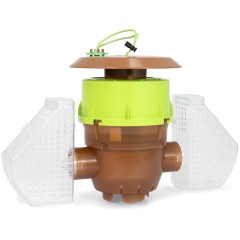
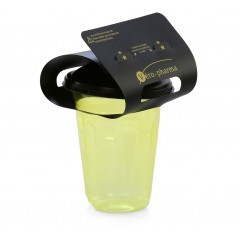
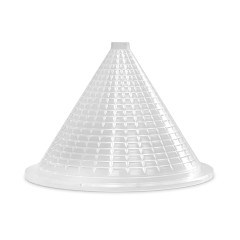
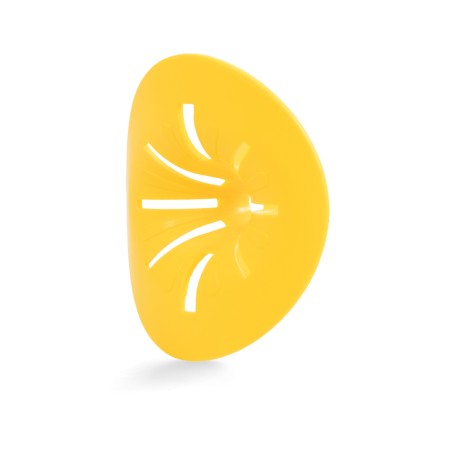
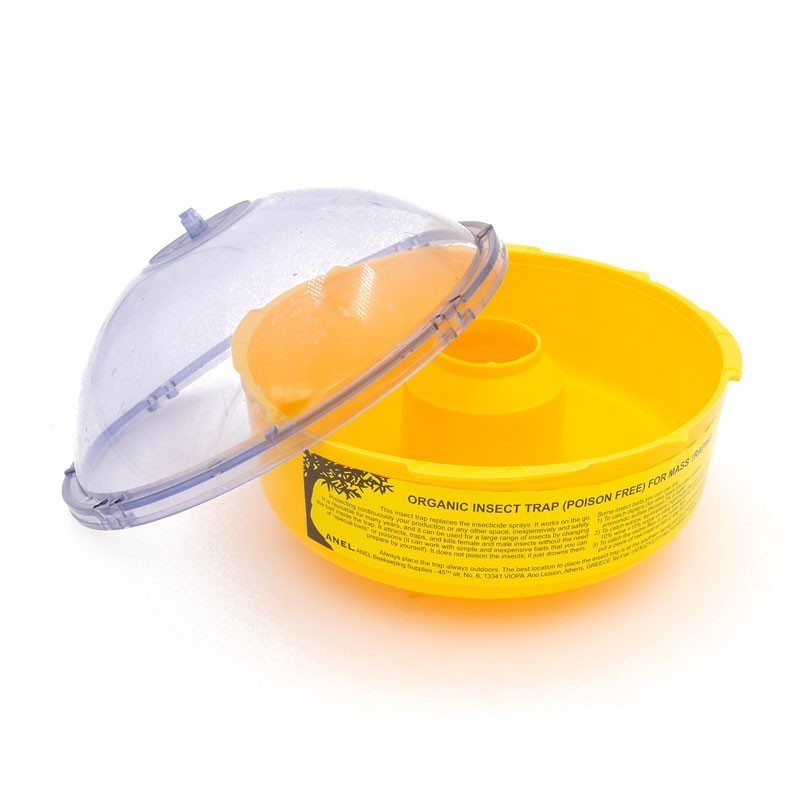
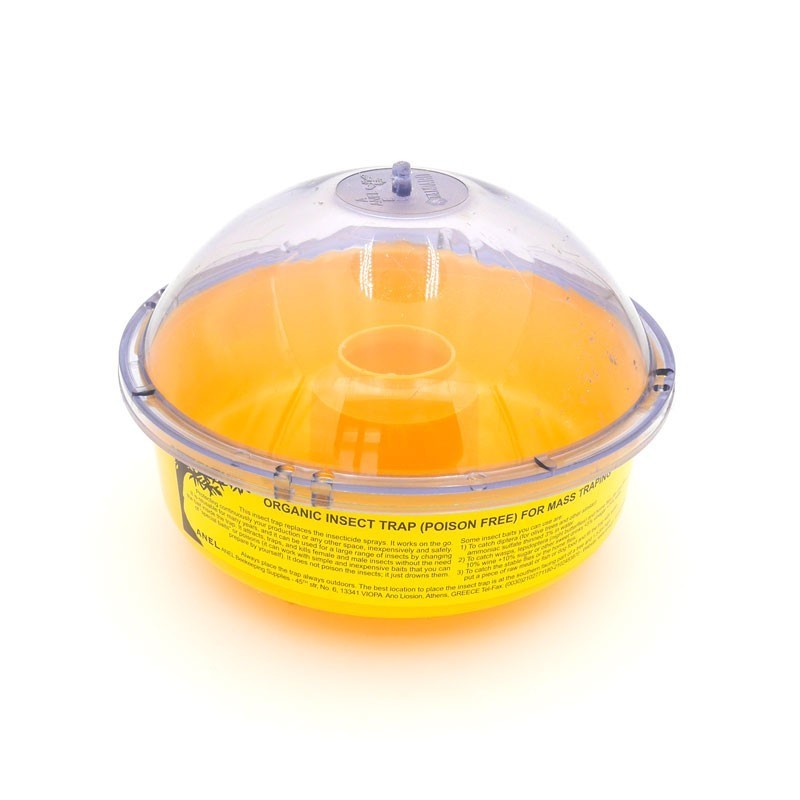
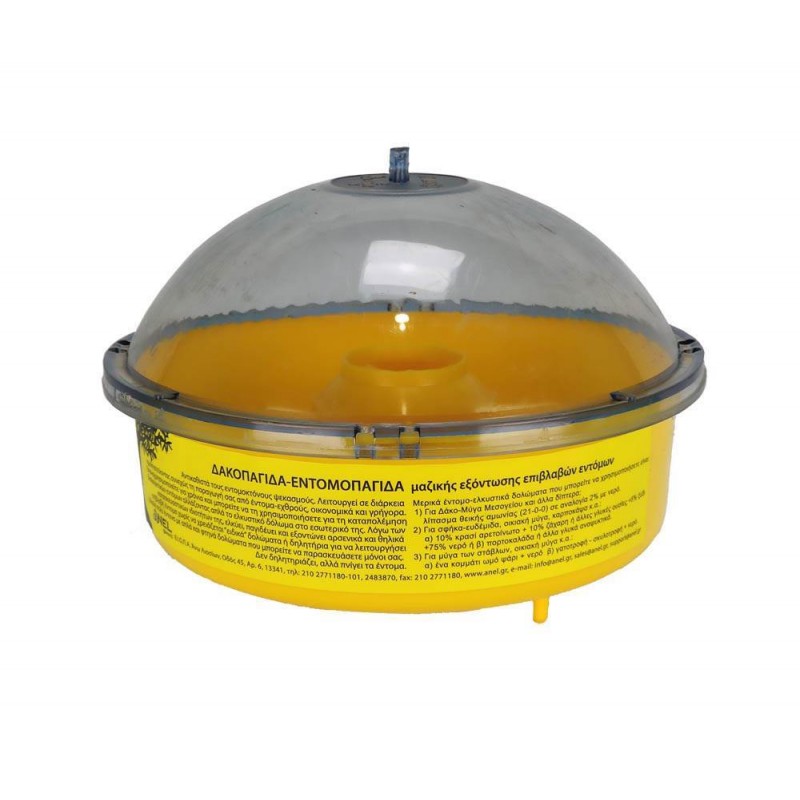
Plastic trap for detecting and monitoring the arrival of wasps and the Asian hornet around the apiary, before the damage shows in the hives.
Its job is to warn you. Reducing the pressure is another job.
01 · DETECTION, NOT MASS CONTROL
There are two families of hornet traps and they should not be mixed up. This one is for detection and monitoring: by size and design it catches a few dozen hornets over a whole season, enough to confirm they are there and for early scouting. Mass control traps are a different thing with a different capacity. If you buy this expecting to relieve the pressure on your hives, you will be disappointed; if you buy it to find out in time, it does exactly what it promises — and finding out in time is what decides the season.
02 · WHEN AND WHERE TO HANG IT
The strategy changes with the calendar. In spring you watch for founding queens, when a single catch is worth a whole nest that will never form; in summer and autumn, for workers circling the apiary. As for the site: 10-30 metres from the apiary and never right in front of the entrances — a baited trap by the doorway draws the problem to the place you want to protect. Check it often: what matters is not how many fall, but when the first one does.
03 · HANGING IT SO IT LASTS
Two warnings from people already using it. First: it goes off balance in the wind, so hang it from something firm and sheltered — a post, a thick branch, a taut wire — and not from a twig that swings with every gust. Second: it is plastic, and in strong heat the parts soften, which turns assembly into a chore; put it together in the cool or in shade, not with the pieces baking in midday sun. Neither breaks the trap, but both will cost you an afternoon.
04 · AND WHEN THE FIRST ONE FALLS
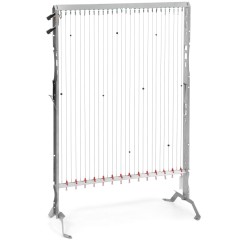
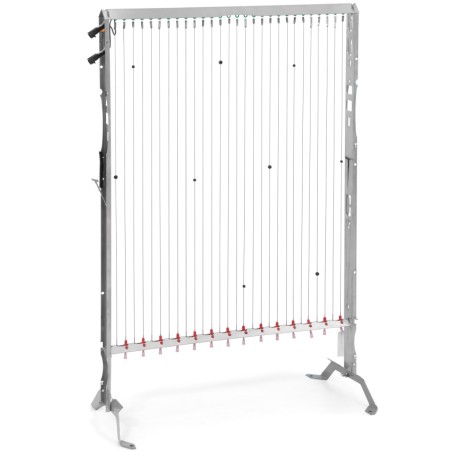
The catch is not the end, it is the starting signal. Once you confirm presence, it is time to bring in what actually reduces pressure: an electric harp in front of the hives, higher-capacity selective traps, and anti-hornet entrances so the colony can defend its doorway. We stock all three. The detection trap stays hanging through all of it, because it also tells you whether the pressure is rising or easing.
05 · BEFORE YOU BUY
It measures 20 × 15 × 20 cm and weighs 200 g. The attractant is separate — we stock a liquid wasp attractant in a 500 ml format — and it is worth knowing that no attractant guarantees catches: they depend on the pressure in your area, the time of year and the competing food sources around. And like any baited trap, it does not discriminate between what enters: check the catches and, if bees appear, change the location or the bait.
| LTA reference | AN60100 |
|---|---|
| Type | Detection and monitoring trap |
| Material | Plastic |
| Dimensions | 20 × 15 × 20 cm |
| Weight | 200 g |
| Placement | 10-30 m from the apiary, never in front of entrances |
| Attractant | Not included |
| It is not | A mass control trap |
| Complete it with | Electric harp, selective traps and anti-hornet entrance |
Specific References
Sorry, no results found.
Write your question