
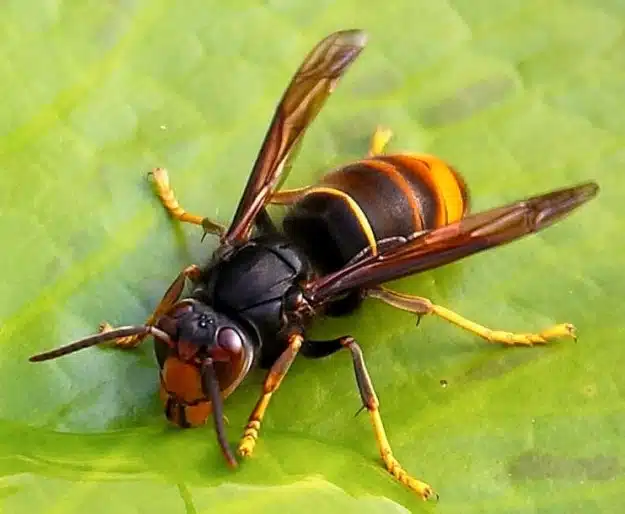
Where the Asian hornet came from
The Asian hornet, also called the yellow-legged hornet (Vespa velutina), is native to parts of Asia. The dark form established in Europe is generally referred to as Vespa velutina nigrithorax.
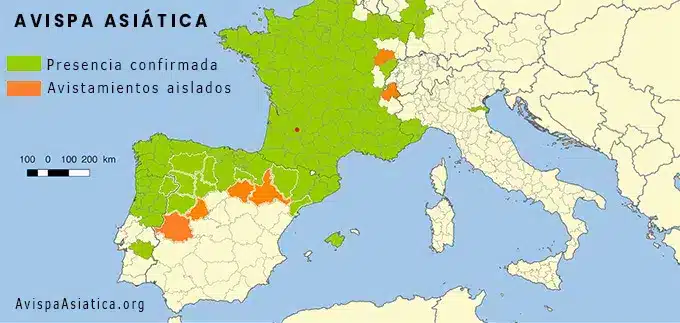
The first known European colony was recorded near Agen, south-western France, in 2004. An accidental introduction with goods imported from China is the leading explanation; imported pottery has been suggested as the pathway.
From that initial French population, the species has spread across much of western Europe, including parts of Spain and Portugal. The French National Museum of Natural History reported its presence throughout France in 2025. Distribution is changing: consult your regional surveillance service for current local records. A single annual spread rate or an old map cannot establish whether an individual apiary is at risk.
Asian hornet biology
Overwintering
Newly mated foundress queens spend the winter in sheltered places, such as bark crevices, wall cavities or other protected refuges. They become active again in spring and start new nests. The timing varies with local conditions rather than following an identical calendar everywhere.
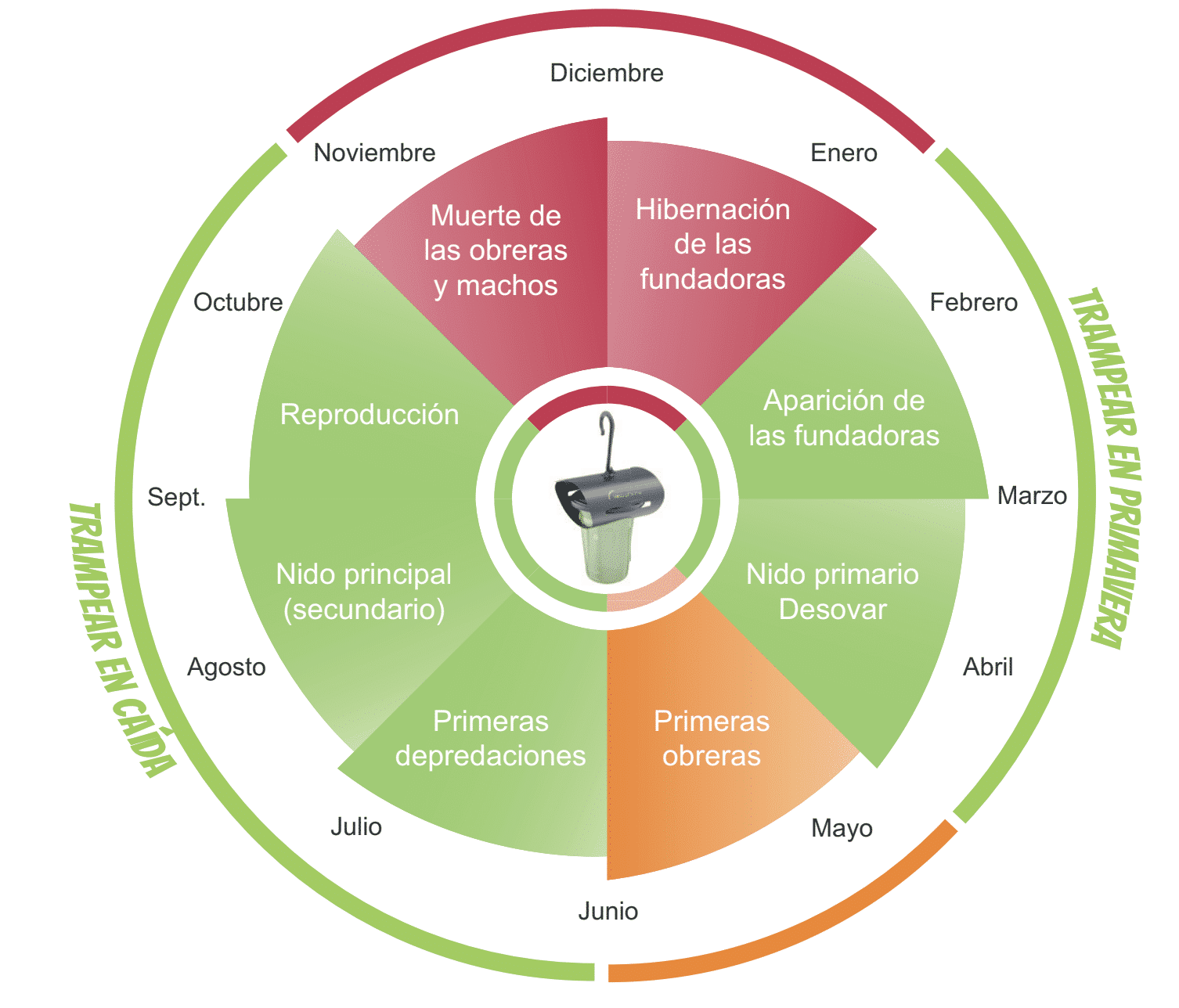
Overwintering queens enter diapause, a period of reduced activity and metabolism. The colony itself does not overwinter in the way a honey bee colony does. Understanding this annual cycle helps distinguish spring nest founding from later pressure by foraging workers.
Do not assume that a cold winter has eliminated the hornets. Equally, it is not sound to claim that winter temperature cannot affect their survival. Shelter, weather and access to food during spring nest founding all matter. A mild winter or a wet spring alone is not a reliable forecast of the pressure an apiary will face later in the year.
Nest sites and construction
Nest sites vary with the stage of colony development. Examples include:
- Trees and shrubs, often supporting the larger secondary nests.
- Sheltered structures, including sheds and overhangs, where small primary nests may be found.
- Wall cavities and other protected spaces; nests are not always high above the ground.
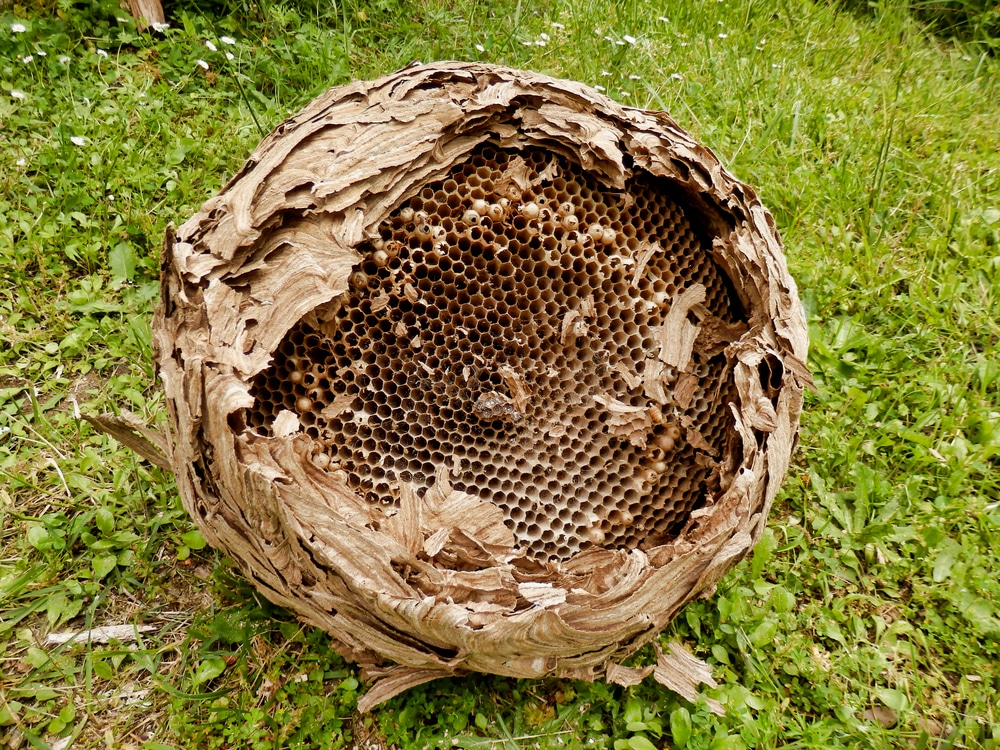
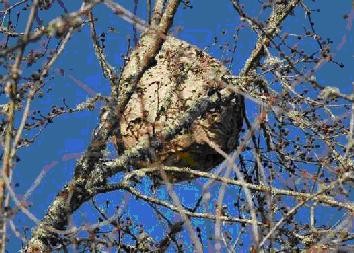
A foundress starts a small primary nest, and a growing colony may move to a larger secondary nest. Growth depends on colony strength and resources. Large secondary nests often have a lateral entrance, whereas the entrance to a small primary nest may face downwards. Neither entrance position nor nest size alone is sufficient for identification.
Nest structure and materials
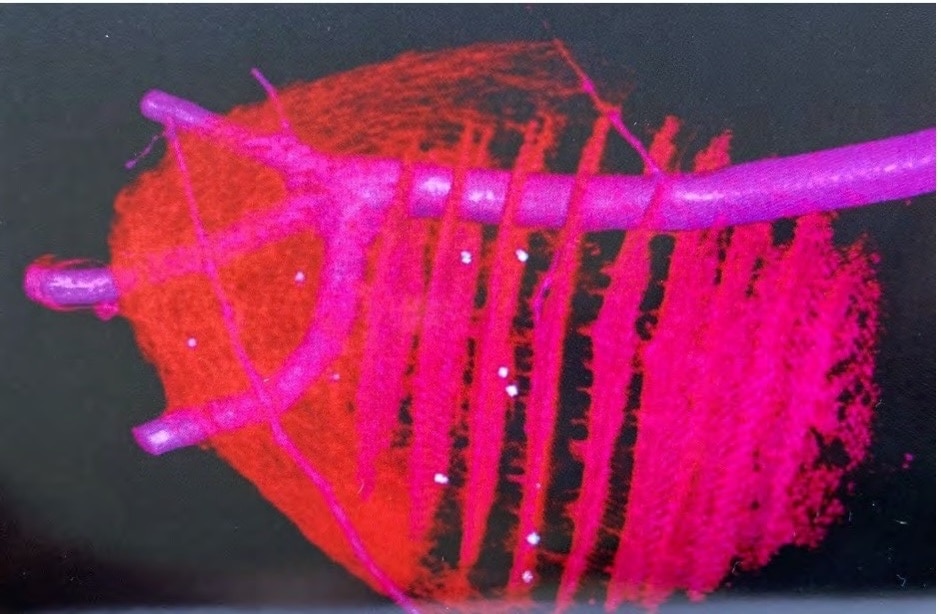
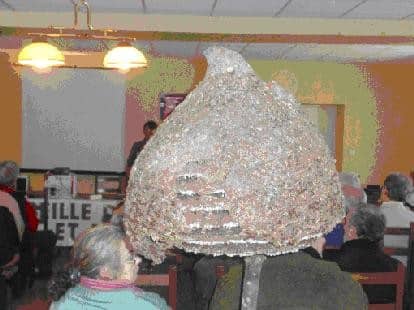
The nest contains several horizontal combs surrounded by a layered, papery envelope made from chewed wood fibres. Mature nests can be large and rounded or pear-shaped. The number of combs and the final dimensions vary considerably; these are paper nests, not beeswax combs.
Colony population and seasonal activity
Worker numbers build up through the season, with substantial pressure on apiaries often occurring in late summer and autumn. Mature nests can contain hundreds of workers and produce many more individuals over the whole season. Males and new queens appear during the reproductive phase. Newly mated queens leave to overwinter; the old queen, workers and males eventually die, and the old nest is not normally reused.
What Vespa velutina eats
This hornet captures a range of invertebrates, including honey bees, flies and other insects, to provide protein for its larvae. Honey bees can make up a substantial share of its prey around apiaries, but that proportion varies with the habitat and available food. Adult hornets also use carbohydrate sources such as nectar, plant sap and ripe fruit.
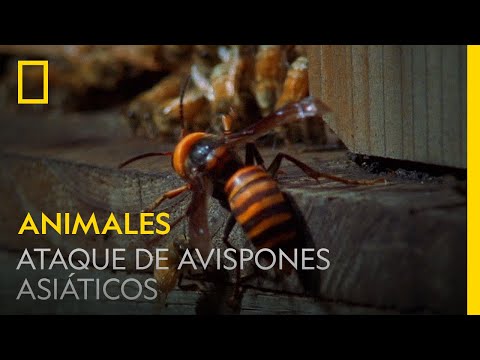
At an apiary, hornets often hover in front of hive entrances and intercept returning or departing bees. They process captured prey and carry food back to their larvae. Watching this hunting behaviour from a safe position can help a beekeeper recognise pressure on the colonies.
Natural predators
Hornets are themselves prey for other wildlife. Some birds investigate or raid their nests, but occasional predation does not establish that a species will control hornet numbers across a whole region.
The European honey buzzard (Pernis apivorus), a native raptor that feeds on social wasps, has attracted particular interest. Research in Bird Study and Pest Management Science documents attacks on Asian hornet nests and the removal of brood comb. The 2025 study found fewer hornet workers close to honey buzzard nests, but no significant reduction in the density of fully developed hornet nests.
This is encouraging evidence of a local ecological benefit, not proof that the bird will solve the invasion. Protecting native predators is part of a responsible approach. Do not use improvised poison baits or hornets coated with poison: uncontrolled poisoning can also expose other wildlife, including predators feeding on hornets or their brood.
How hornets affect honey bee colonies
Sustained hunting can weaken colonies both by removing bees and by disrupting their normal work. Reduced pollen and nectar intake can leave less food available for brood rearing and winter preparation. The effect depends on the colony, the duration of the pressure and the protection in place.
The damage is not limited to the bees that are caught: colonies may stop foraging. This response, often called foraging paralysis, can reduce incoming food even when the loss of individual bees looks modest. Field research on protected and unprotected colonies links hornet pressure with poorer foraging, brood development and winter survival. Extra feeding, lost honey and additional work can carry a real cost, but a single percentage or euro figure is not a universal forecast for every business.
Keep looking inside the colony as well as at the entrance. Hornet pressure does not remove the need to monitor Varroa, brood health and food stores. Do not attribute every failing colony to hornets without assessing other causes. Continue your normal integrated health plan and use veterinary medicines only in accordance with their current authorisation and label.
| What you observe at the entrance | What to assess and do |
|---|---|
| 🟢 Normal flights continue | Monitor pressure, pollen intake and stores; keep appropriate protection in place. |
| 🟡 Persistent disturbance | Check whether foraging is declining and whether guards or other protection need adjustment. |
| 🔴 Foraging has largely stopped | Assess stores and colony health promptly; seek local advice on additional protection or relocation. A fixed hornet count is not a universal decision threshold. |
How bees defend the entrance
Bees may cluster at the entrance and confront hovering hornets. Some attempt to seize or sting them. These defensive gatherings do not necessarily mean that the colony is coping: watch whether normal flights continue and whether pollen is still coming in.
Protecting the apiary
Basic measures
- Manage the hive entrance: use a suitable reducer or guard where appropriate, while maintaining ventilation and the passage needed by the colony. Do not apply a single opening dimension to every hive or season.
- Fit a suitable entrance barrier: an Asian hornet entrance barrier can restrict access while allowing bees through. Check compatibility and follow the model’s instructions.
- Report nests promptly: trained teams can assess and manage active nests under the local control programme. Never attempt removal yourself, including small primary nests.
🚨 If you find a nest, do not intervene
Hornets defending a disturbed nest can attack repeatedly. A normal beekeeping suit or veil should not be treated as sufficient protection for hornet nest removal. Keep people and animals away, and do not strike, shake, burn, spray or block the nest.
Move away and contact your local environmental service, council or the designated hornet-reporting service. Nest management belongs with trained teams using appropriate protective equipment and authorised methods. In Spain and elsewhere in the EU, call 112 for an immediate emergency, rather than using the emergency line for every routine sighting.
A single sting can cause a severe allergic reaction, while multiple stings can also cause harm through the accumulated venom. Call 112 immediately for breathing difficulty, swelling of the mouth or throat, faintness or collapse. Seek urgent medical advice after multiple stings or a sting in the mouth, throat or near the eye. Official sting guidance explains the warning signs; there is no sting-count threshold that guarantees safety.
Traps and other devices
Asian hornet traps and protective equipment serve different purposes: detecting an arrival, participating in a coordinated control programme, or reducing pressure at an established apiary. Choose the tool for that purpose. A high catch is not, by itself, proof of effective or environmentally acceptable control.
Spring trapping of foundress queens
A foundress queen can start a new colony, which is why spring trapping is included in some regional programmes. However, catching queens does not translate automatically into the same number of nests prevented. ITSAP and InterApi research indicates that effects depend on conditions and continues to assess both effectiveness and unwanted captures.
1. Timing:
Use observed local queen activity and the current regional programme to decide whether and when trapping is appropriate. Spring emergence varies between places and years; February to April should not be treated as a universal window.
2. Bait choice:
Use a bait suited to the approved monitoring or control approach, following its instructions. Fermented or sugary baits can attract other insects as well as hornets. There is no sound general rule that vinegar selects queens while sugar selects only workers.
3. How long to continue:
Do not automatically leave spring traps running until June. Follow the local programme, record what is being caught and reassess when the foundress period passes. Continuing after the useful period can add non-target losses without delivering the intended benefit.
Trapping workers
Workers hunt bees and other insects to feed the developing hornet brood. Where the species is established, reducing pressure around an apiary may be useful, but worker catches should be evaluated alongside bee flight, food intake and colony condition.
1. Baits for workers:
Carbohydrate baits can attract adult workers, but they may also draw in bees, native wasps and other insects. Do not assume that bee feed, sugar syrup or a homemade mixture is a selective hornet lure. Avoid open feeding that exposes bees to drowning or encourages robbing.
2. Homemade and commercial traps:
A plastic bottle is not automatically a selective trap, and an 8 mm hole does not exclude honey bees. Effective selectivity depends on the complete design, including escape routes and access to liquid, as well as how the trap is used. Commercial hornet lures also require careful use. Choose placement with the local programme and the device instructions: a blanket rule to put every trap 500 metres away is not justified.
3. Assess the result at the hives:
Record whether bees are flying normally and bringing in pollen, and inspect food stores. Captures alone do not show that a hornet nest has been eliminated or that the colony is safe. If pressure remains severe, seek local advice on additional physical protection and, where suitable, relocation rather than relying on more bait traps.
Queen and worker trapping: different objectives, not a simple bait rule
| 👑 Foundress queens | 🐝 Workers | |
|---|---|---|
| Timing | The locally observed spring emergence period, only where trapping is appropriate under the regional programme. | During observed hunting pressure, with the objective and non-target effects reviewed. |
| Bait | Use the programme’s recommended bait and device. Fermentation does not guarantee queen selectivity. | Select for the intended use; sugary liquids may also attract bees and native insects. |
| Purpose | Aim to limit nest establishment, while measuring effectiveness and incidental captures. | Aim to reduce pressure on bees; check colony response rather than assuming catches equal control. |
Entrance-hole size alone does not make a trap selective. Smaller insects can enter openings large enough for hornets. Judge the whole device and its actual non-target catch.
Selectivity and environmental care
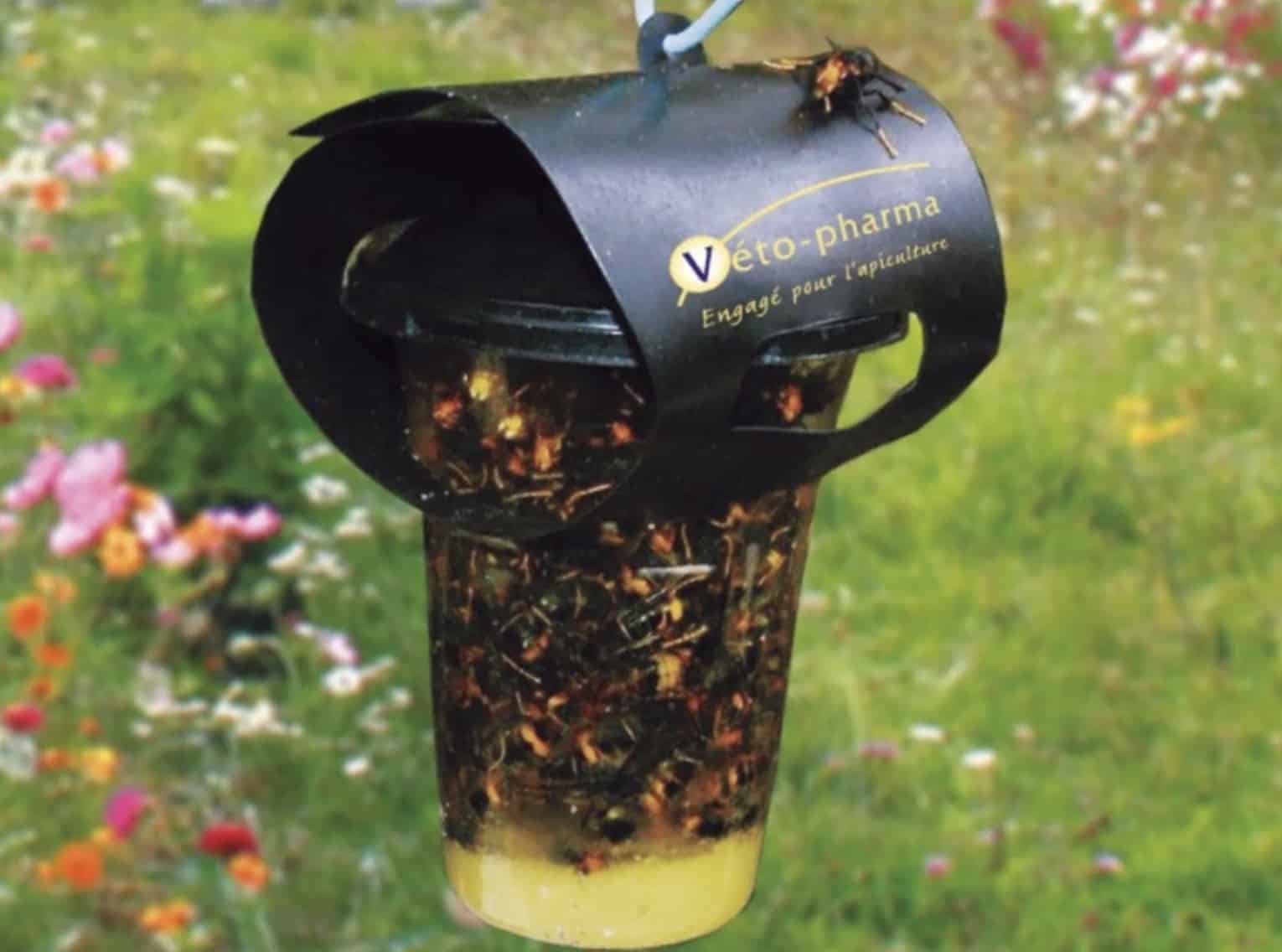
Choose devices with evidence for their intended use, and distinguish live-catch monitoring from drowning traps. For example, the Veto-pharma cup trap is a liquid-catch device; it should not be described as inherently harmless to other insects or as guaranteeing their escape.
Inspect and record non-target catches, and follow the inspection requirements of the local programme. ITSAP’s 2024 comparison found important differences between devices but no completely selective solution. Stop and seek advice if a device is harming bees or other non-target wildlife. In areas with few hornet records, reporting and carefully supervised detection are particularly important.
Weather and seasonal variation
Weather affects activity, food availability and the timing of nest founding. Cold, wet spells can interrupt foraging, but they should not be treated as a dependable natural control method. Base decisions on observations in your apiary and local surveillance, not on a prediction drawn from the previous winter alone.
Other protection methods
1. Electric harps
Electric hornet harps use electrified wires to intercept hornets near hives. A 2022 field study found reduced predation pressure and better colony performance with harps. They are local protection, not nest eradication, and their selectivity is not absolute. Use purpose-built equipment, follow electrical-safety and installation instructions, and check both bee passage and non-target effects.
2. Open buckets of sugary liquid: avoid non-selective drowning
An open bucket may catch many hornets, but it can also drown bees and other insects. A large total catch is not a reason to recommend it. Prefer an assessed device within a coordinated programme and combine it with physical hive protection; do not leave open sugary drowning containers around the apiary.
3. Entrance guards and hive muzzles
Entrance reducers, barriers and hive muzzles are not identical tools. A reducer limits access to the hive, while a suitable muzzle gives bees a protected space outside the entrance. Choose a robust model compatible with your hive and colony. Check clearances for workers and drones, ventilation and the manufacturer’s seasonal guidance rather than adopting one aperture size for every situation.
Physical protection may help bees continue foraging, but it does not remove hornets hunting outside the protected area. Watch how bees use the device after fitting it, and check regularly for blocked openings, dead bees or congestion. Combine it with inspection of brood and stores rather than assuming that the guard alone resolves the problem.
Entrance management also has uses in ordinary seasonal beekeeping. However, a configuration suitable for cold weather or a small colony may be unsuitable during heavy traffic or hot conditions. Adjust the equipment to the colony’s actual needs.
4. Supplementary feeding
If hornet pressure has reduced foraging and stores are inadequate, appropriate supplementary feeding can help meet the colony’s needs. Assess available honey and pollen, colony strength and the season before deciding what is necessary. Feed within a managed hive system that avoids robbing; feeding supports the bees but does not control hornets.
A coordinated approach
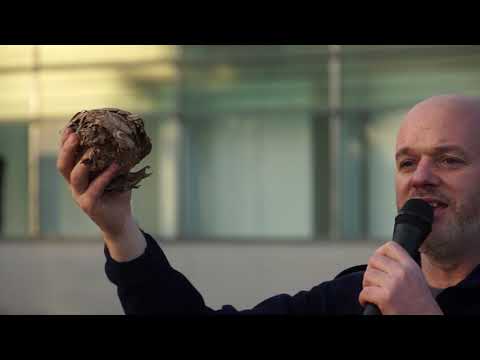
Combine reliable identification and reporting, professional nest management, suitable physical protection and routine colony care. Where trapping is part of a local programme, use its timings and record both target and non-target catches. Assess success through bee activity and colony condition, not just the number of hornets killed. The original Spanish video below is background material; any nest intervention shown is for trained professionals, not a do-it-yourself guide.
Further reading: our article on electric harps and other traps. Use equipment in accordance with its current instructions and local guidance.
Before choosing a trap: consult the ITSAP–InterApi comparison of spring trapping devices (French). It distinguishes attraction from selectivity and explains why incidental catches matter. A homemade bait recipe is not a substitute for evidence about the complete device.
Species that can be confused with the Asian hornet
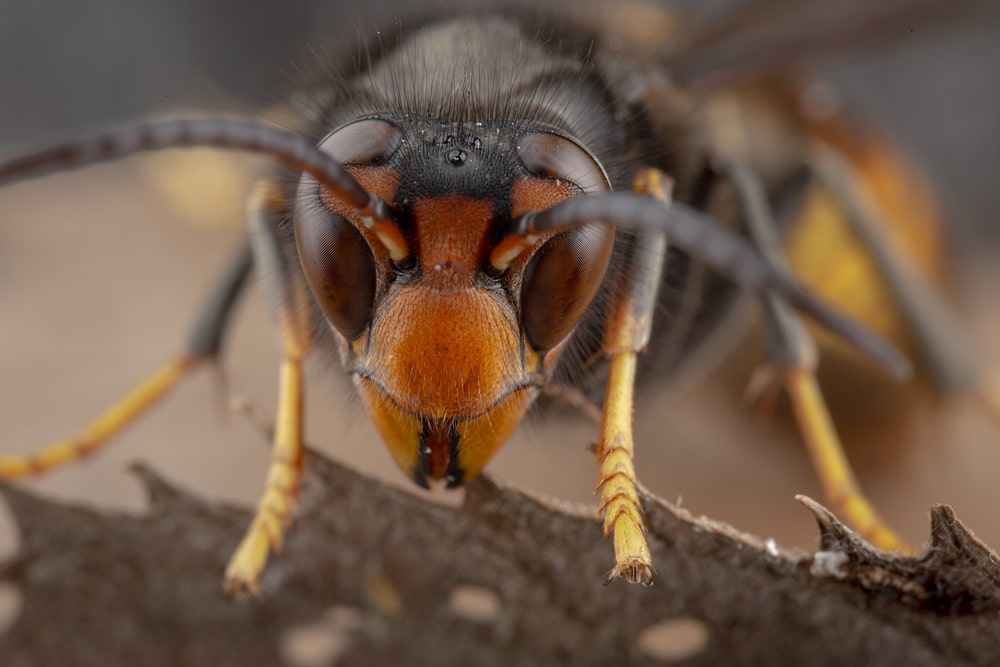
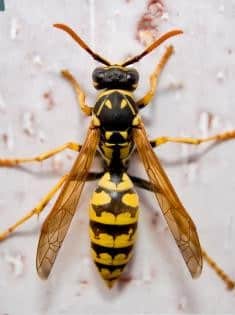
Correct identification protects native insects as well as bees. Look for the dark thorax, mostly dark abdomen with a broad orange band, orange face and yellow lower legs of Vespa velutina. Compare several features; size alone is unreliable.
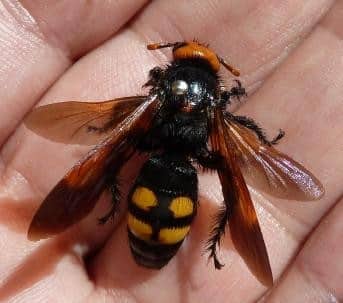
- European hornet (Vespa crabro): this native species has a more extensively yellow abdomen and reddish-brown markings. It also takes insects, including bees, but it is not the invasive yellow-legged hornet and should not be targeted as if it were.
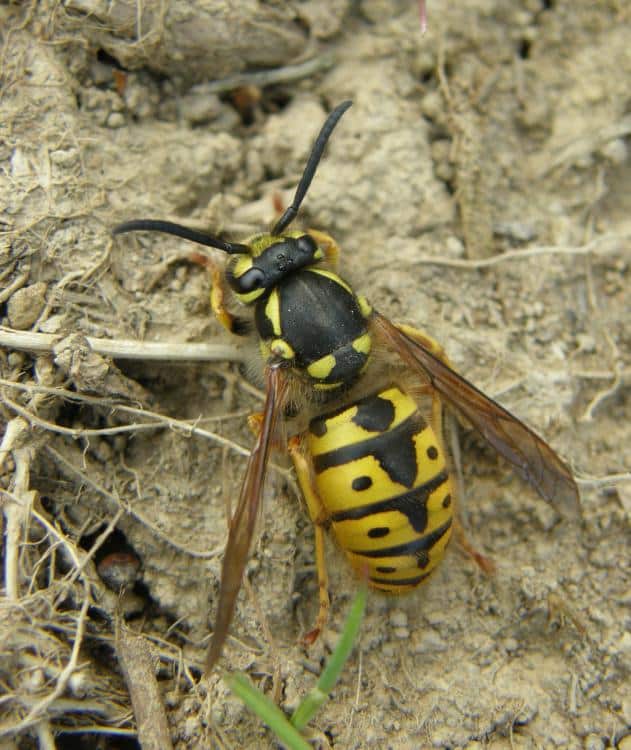
- Other wasps and scoliid wasps: several native species share yellow and dark markings. Their presence does not justify hornet control. If identification is uncertain, send a photograph taken from a safe distance to the appropriate local service.
The photographs below are identification aids, not a reason to handle a live insect or approach a nest. Body size varies with caste and individual, and nest appearance should be assessed alongside the insect itself.
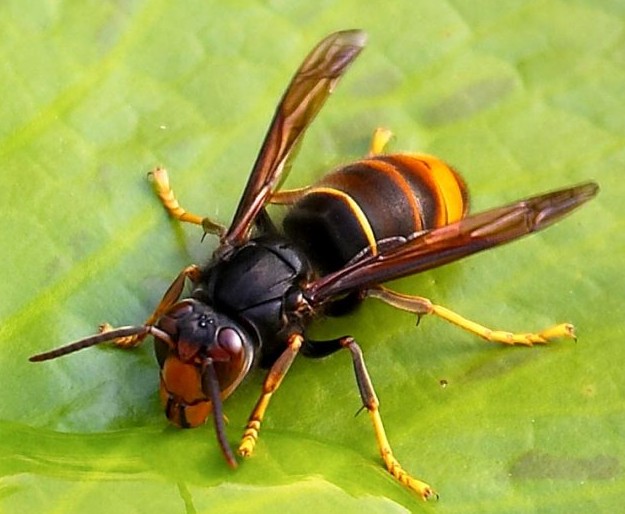
Asian or yellow-legged hornet, Vespa velutina nigrithorax. | 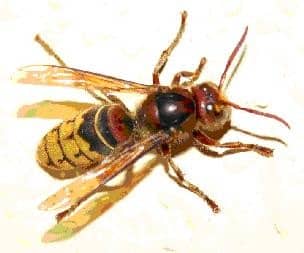
European hornet, Vespa crabro. |
Asian hornet nest. | 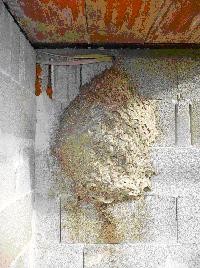
|
| German wasp, Vespula germanica. |
| 
|
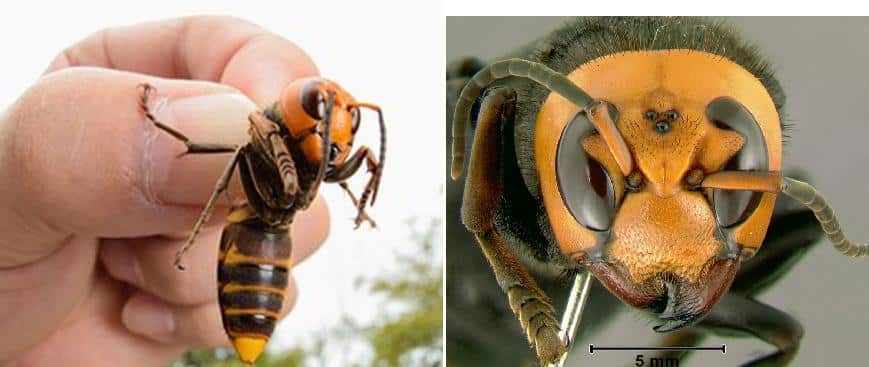
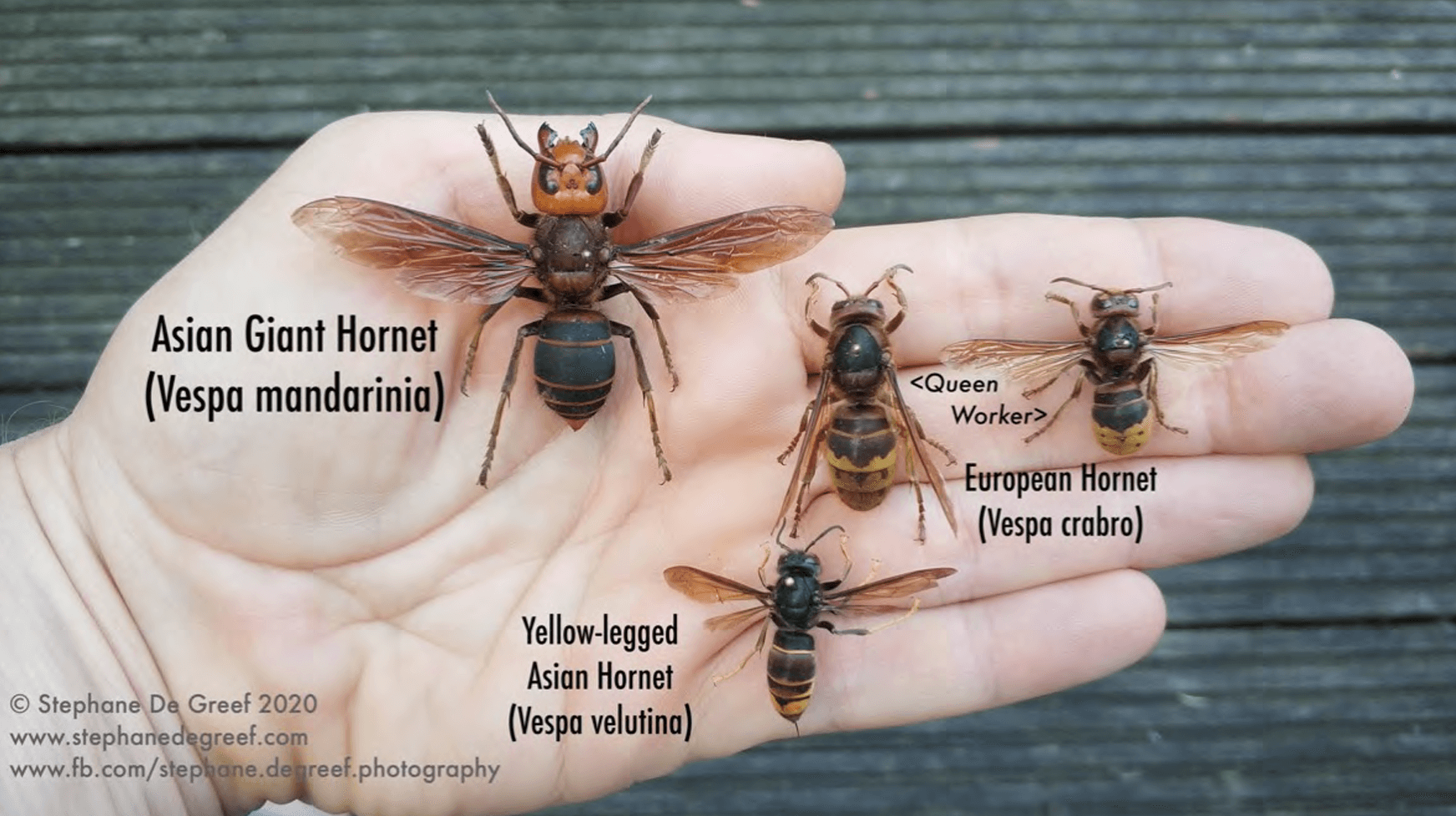
The northern giant hornet (Vespa mandarinia) is a different Asian species, not another name for Vespa velutina. Its much larger orange head and different body pattern are useful distinctions. Do not use photographs of giant hornets to identify the yellow-legged hornet, and never handle live specimens as shown in some comparison photographs. NOT THE YELLOW-LEGGED HORNET |
Living with established Asian hornet populations is demanding, but appropriate protection can reduce their impact. Understanding the annual cycle, recognising actual pressure at the entrance and keeping up normal colony care provide a more useful basis for decisions than a fixed trap calendar or a dramatic catch count.
Keep learning from reliable identification guides, current local programmes and well-designed field studies. The aim is to protect honey bee colonies while avoiding unnecessary harm to the other insects and wildlife around them.
🛡️ Choose protection suited to your apiary
Browse entrance barriers, traps, harps and lures in our Asian hornet protection section. If you need help choosing compatible apiary equipment, contact us. Equipment advice does not replace the trained teams responsible for nest removal.

ISNI 0000 0005 1801 1100 | Joshua Ivars is the manager of LA TIENDA DEL APICULTOR and the author of this blog, where he shares technical and practical guidance for beekeepers. Drawing on extensive experience in the beekeeping sector, he offers advice and solutions based on beekeepers’ real needs, sharing his knowledge of equipment and essential beekeeping practices.


