
American foulbrood (AFB) is a serious, contagious disease of honey bee brood caused by the spore-forming bacterium Paenibacillus larvae. Young larvae become infected by swallowing spores, including those passed on in food by nurse bees. Spores can remain infective for decades in dried larval remains. An undetected outbreak can destroy colonies and spread through an apiary; there is no sound basis here for claiming that a fixed percentage of all hives carries the infection.
Affected brood can break down into a brown, sticky or ropy mass, later drying into a dark scale firmly attached to the lower cell wall. Death may occur before or after capping, depending on the strain and course of infection. A foul smell may be present, but it is not a reliable stand-alone diagnosis.
Poor nutrition, bad weather, loss of adult bees or Varroa do not themselves cause AFB: infection requires the bacterium. Assess those problems as part of colony management, but do not mistake improving food or weather conditions for eliminating an infectious disease.
Prevention combines careful sourcing of bees and equipment, avoiding robbing and not transferring potentially contaminated comb or stores. Choosing package bees instead of nucleus colonies does not guarantee freedom from AFB: packages can also carry spores. Hygienic behaviour—the removal of diseased brood—can contribute to resistance, but neither strong colonies nor hygienic stock should be treated as immune. Continue inspecting brood and investigate suspicious changes promptly.
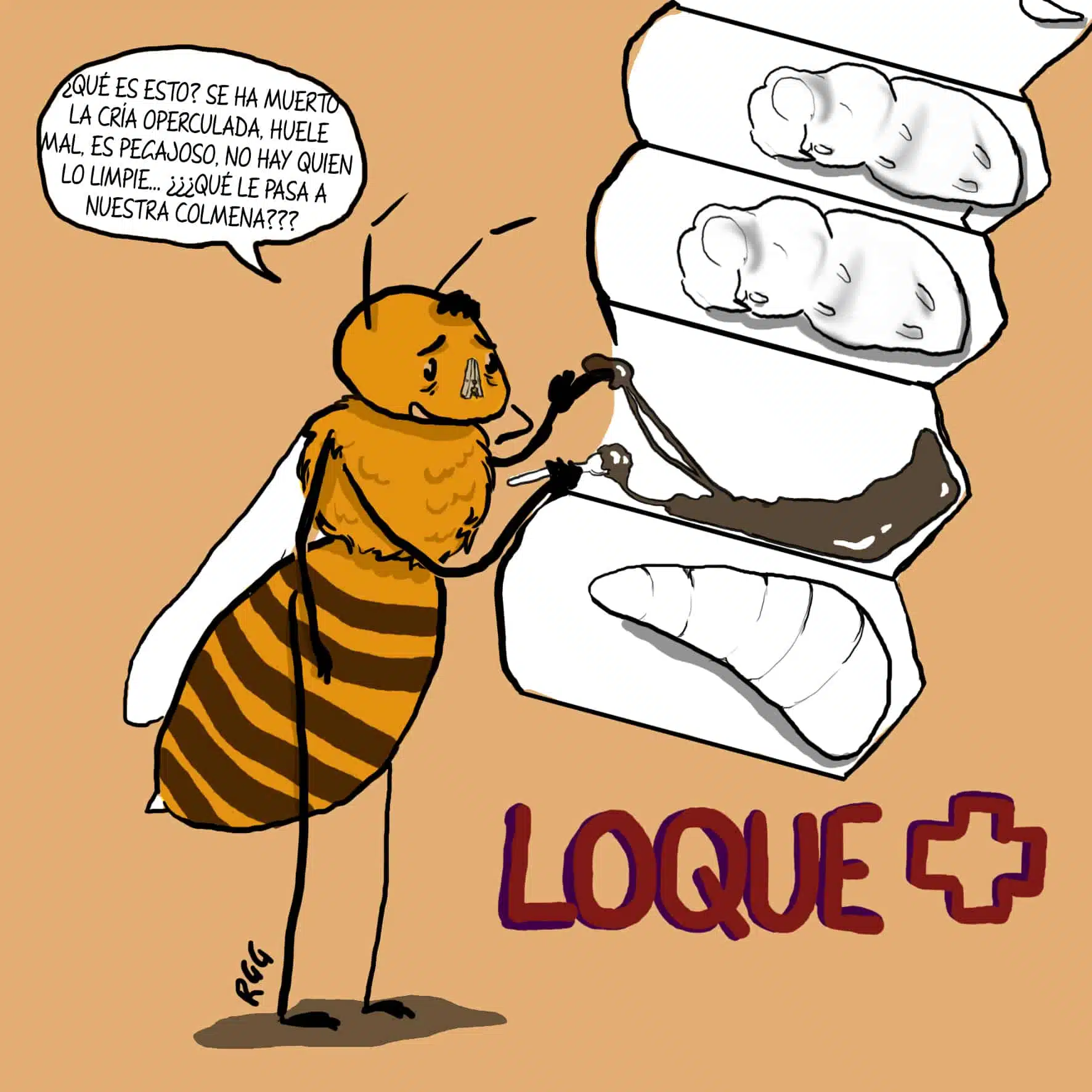
Recognising American foulbrood in the hive
Do not look only for dead brood under intact cappings. The WOAH diagnostic manual describes differences between bacterial genotypes: some infections kill larvae earlier, leaving fewer of the familiar ropy remains beneath sealed cells. The diagram below is a simplified illustration, not a timetable that applies to every case.
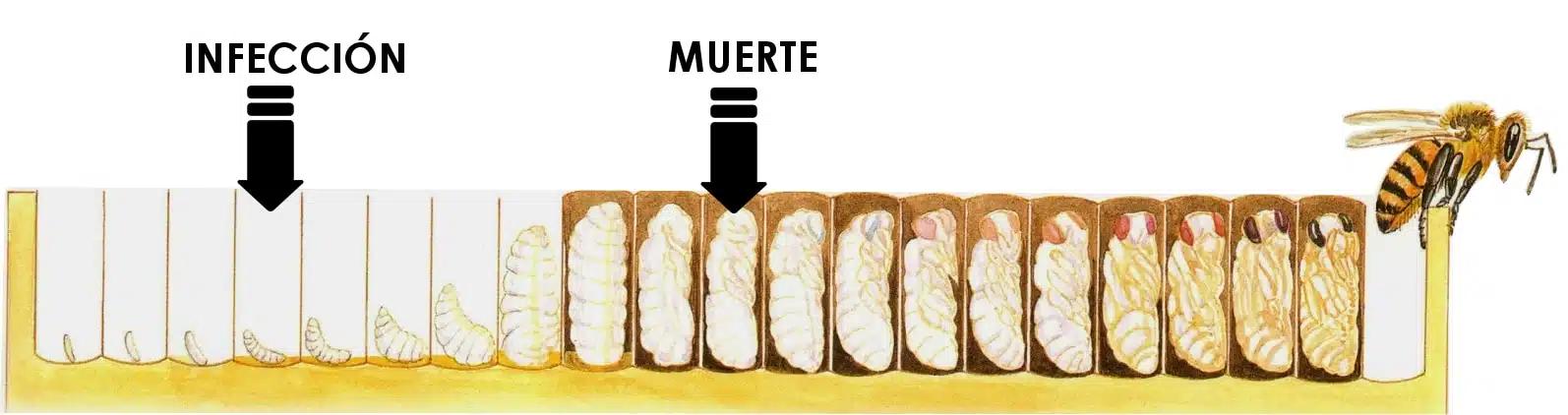
Look for a combination of changes, rather than treating any one of the following as proof:
- Patchy brood: capped brood mixed with empty cells and diseased brood. This pattern also occurs with other problems.
- Abnormal brood, not simply curled larvae: a healthy young larva normally lies curled in its cell. A live, pearly-white curled larva is not, by itself, a sign of AFB.
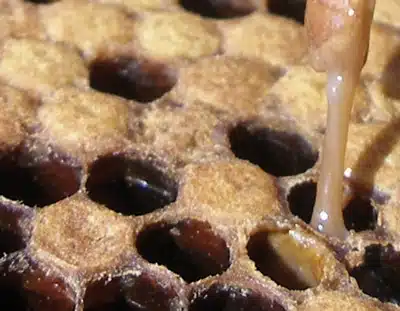
- Dead brood and ropy remains: brown larval remains may stretch into a thread, but not all cases show this.
- An unusual, unpleasant smell: it can raise suspicion, but its absence does not establish that the colony is healthy.
- Moist or greasy-looking cappings: inspect the brood-cell caps closely rather than judging the whole comb by colour alone.
- Discoloured remains and scales: brood changes from its normal pale appearance to brown; old remains may form tightly adherent dark scales.
- Sunken or perforated cappings: these warrant investigation. The important observation is the damaged capping and brood underneath, not an assumed “fermentation vacuum”.
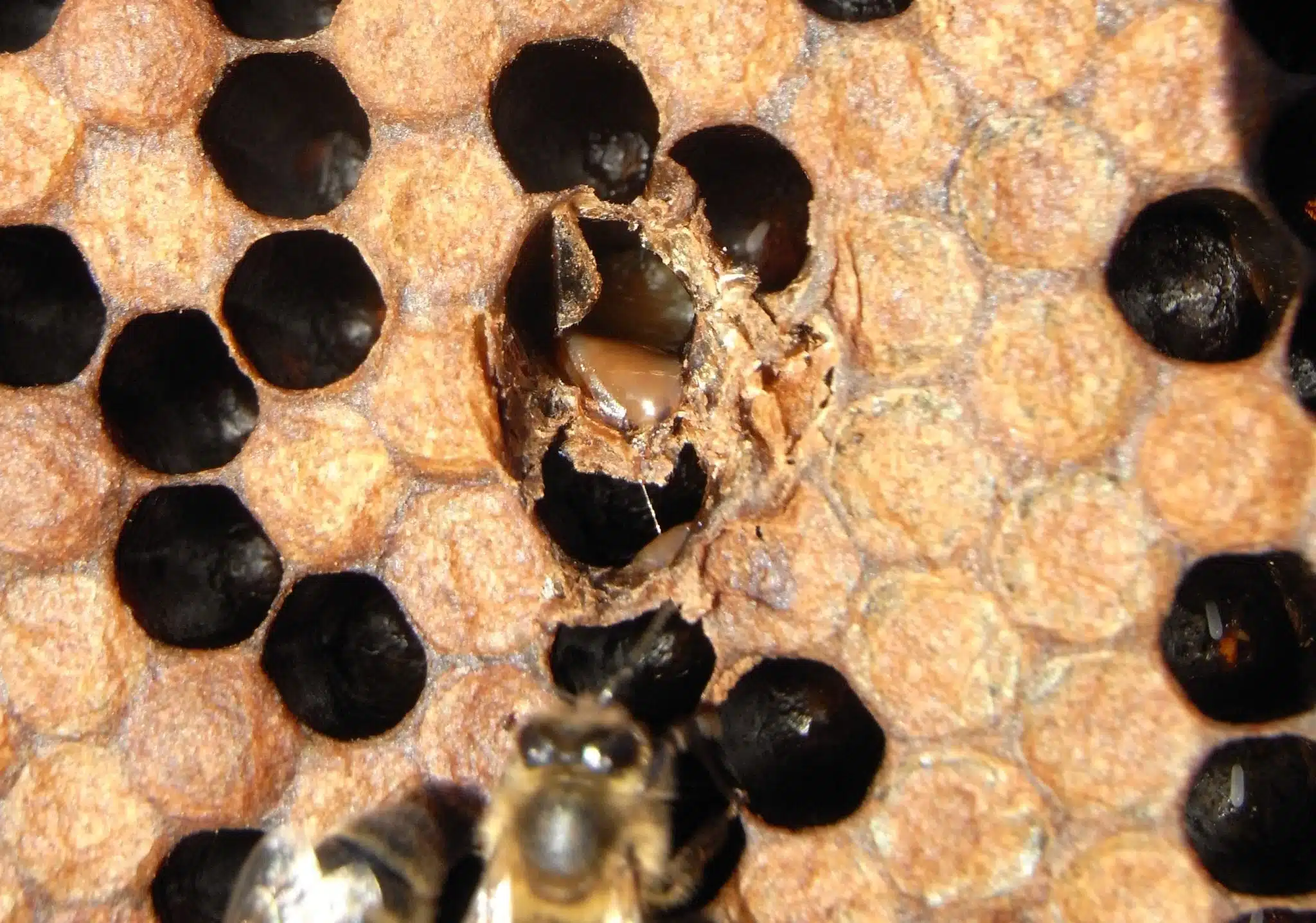
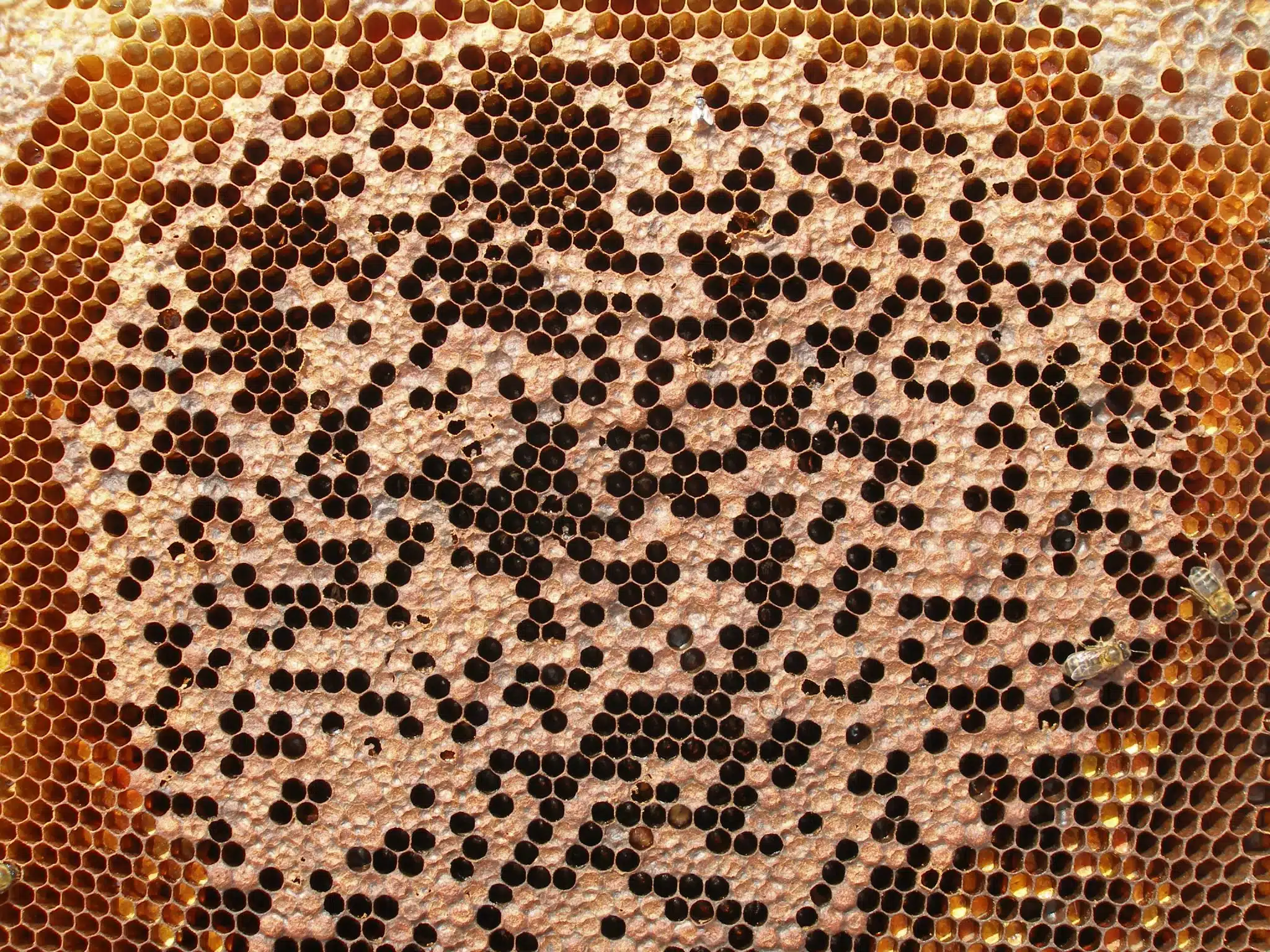
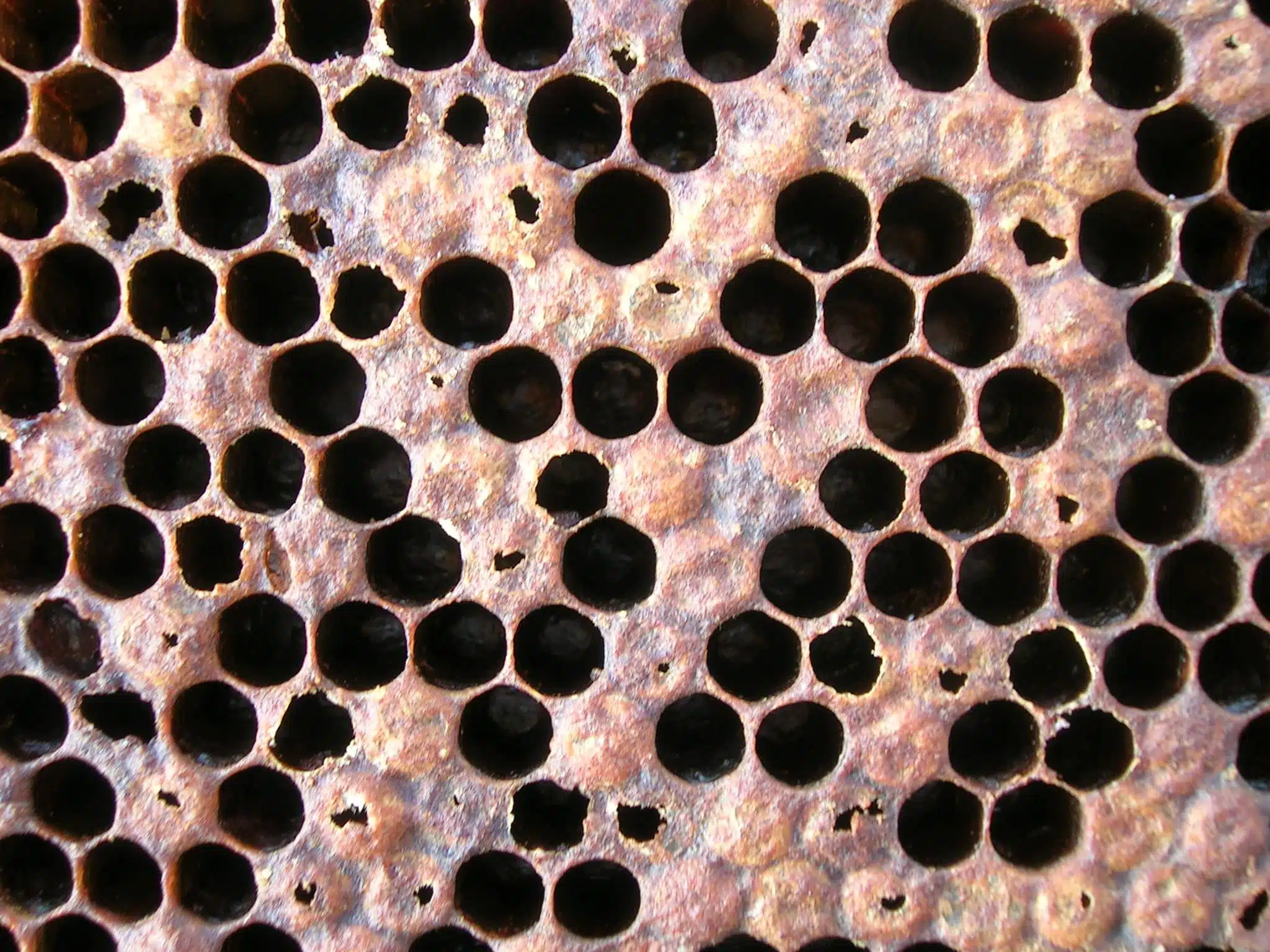
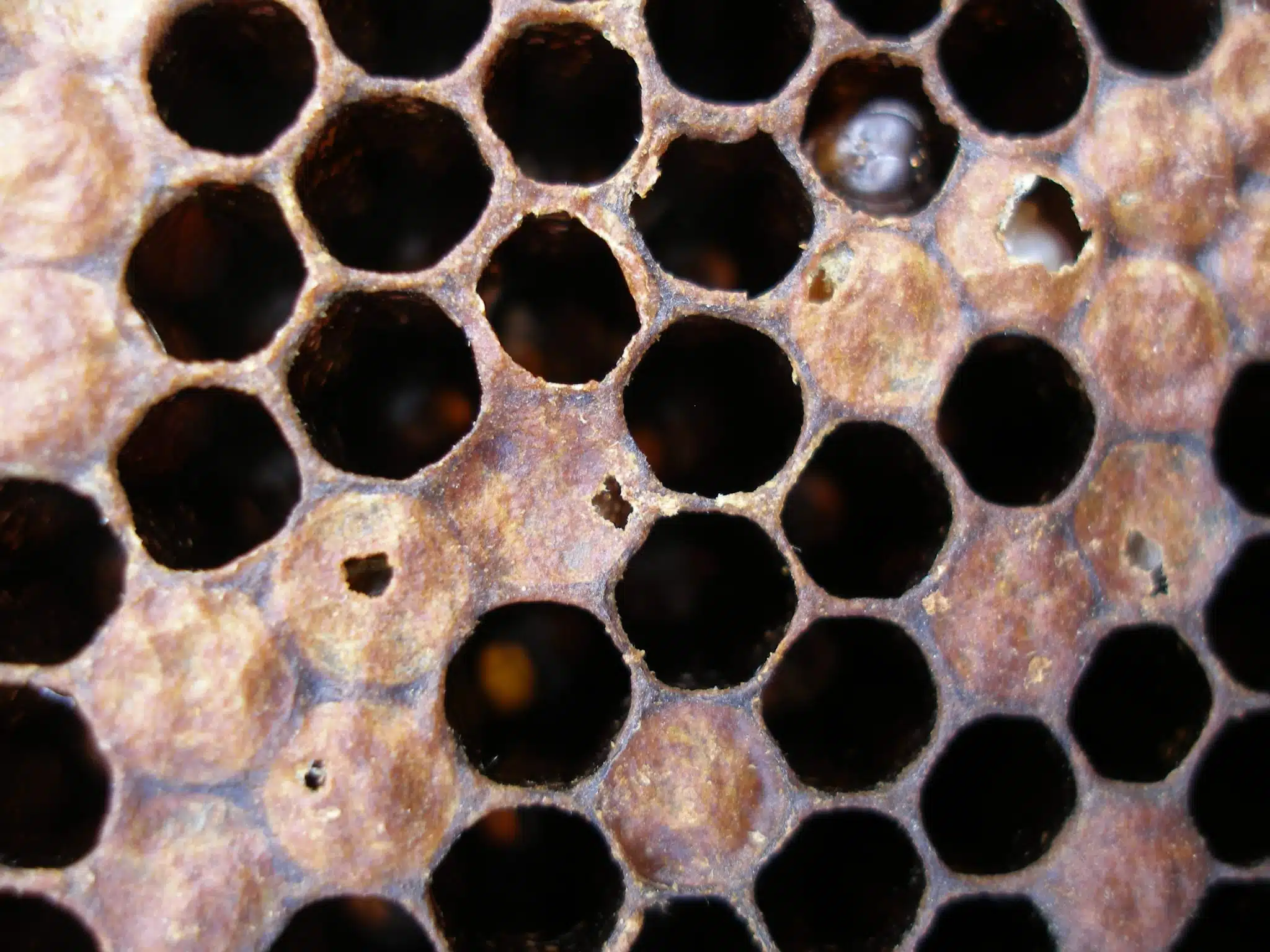
The matchstick test and diagnostic kits
The matchstick or rope test examines the consistency of dead larval remains: material may draw out as a sticky thread when a disposable wooden probe is withdrawn gently. This is a useful field clue, not a dependable centimetre-based pass/fail rule. Some affected remains are watery and do not rope. A negative result does not rule out AFB. Avoid spreading material between cells or colonies, and ask a bee inspector or veterinarian how to handle samples and contaminated tools.
A Vita AFB diagnostic test kit can help test suspicious larval material in the apiary. Follow the manufacturer’s current instructions, including its handling precautions and reading window. A valid control line is essential; a negative result means the pathogen was not detected in that sample, not that the whole colony is disease-free. Do not delay reporting a continuing suspicion while waiting for another test.
What to do if you suspect AFB
When only a few cells appear affected
1. Contain the risk first, even if only a few cells look affected. Stop the inspection, replace the hive cover and contact your local bee-health authority, bee inspector or veterinarian promptly. Follow the reporting and movement requirements where the apiary is located. Official UK guidance, for example, requires immediate reporting and no removal of colonies, equipment or honey from a suspect site; the responsible service and exact legal process differ between countries.
- Do not move or share comb, brood, pollen or honey. Keep suspect material separate and protected from robbing. Do not feed its honey to another colony, and do not destroy potential diagnostic material before receiving instructions.
- Use an AFB-specific decontamination plan. Ordinary cleaning is not the same as destroying resistant spores. Scorching, chemical treatment or specialist heat treatment depends on the material and a validated protocol. Do not improvise bleach or caustic-soda mixtures, or a hot-paraffin bath, from a generic recipe; these also introduce chemical, burn and fire hazards.
2. Do not try to solve suspected AFB with routine colony-strengthening measures:
- Do not unite a suspect weak colony with a healthy one. Combining them can transfer contaminated bees, comb and stores instead of solving the problem.
- Nutrition is support, not an AFB treatment. Do not rely on grapefruit-seed products, NeoApiciclina or another supplement to clear an outbreak. The recommendations here do not establish their efficacy against AFB, their composition or their authorisation as veterinary medicines.
- Do not migrate the colony to a new honey flow while AFB is suspected. Better forage is not a reason to move potentially infectious bees or equipment. Obtain clearance from the responsible service first.
- Do not use a propolis-in-syrup recipe as a substitute for diagnosis and control. Nor should an approach to European foulbrood (Spanish guide) be transferred automatically to AFB. If medicines are considered, discuss local authorisation and veterinary supervision; antibiotics do not destroy AFB spores.
When colonies are severely affected
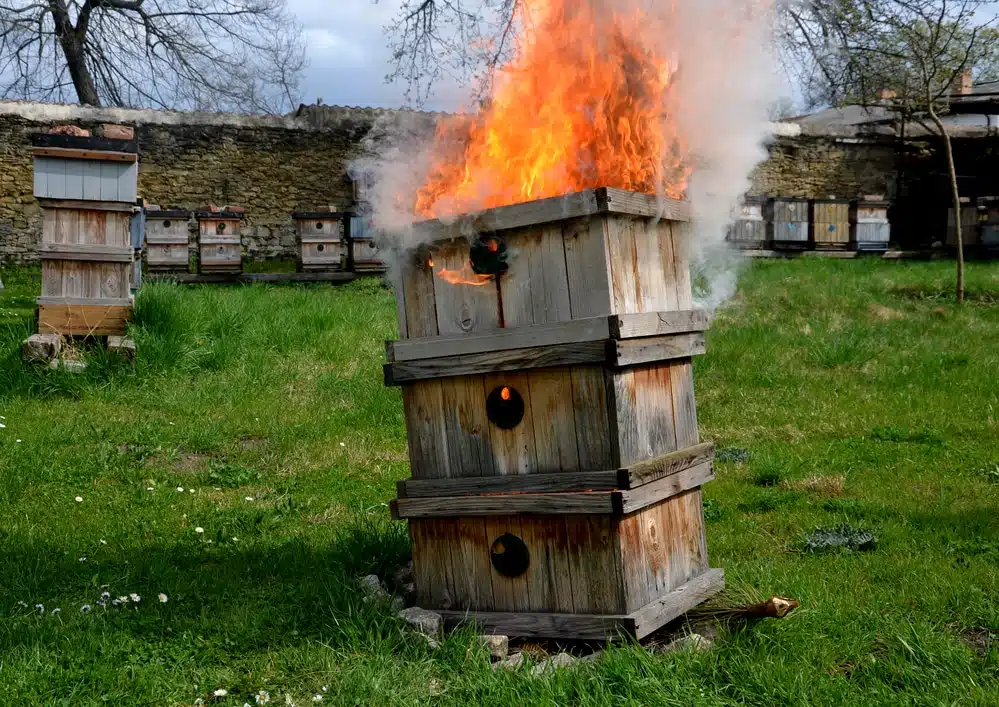
Severely affected colonies require an urgent official control decision. Destruction of infected colonies and contaminated comb may be required; the method, equipment that can be retained and any authorised decontamination must be agreed with the competent service. Do not interpret a photograph or this article as permission to burn a hive. Follow fire, environmental and animal-health requirements. Our bee-health equipment category is a commercial catalogue, not a validated disinfection protocol: a product being sold there does not establish that it kills AFB spores.
Keep honey from suspect colonies out of bee feed and inaccessible to other bees. AFB is not considered a human foodborne disease, but that is not automatic clearance to harvest, move or sell honey from an affected apiary. Ask the competent service about its disposition and any applicable food-safety or residue requirements. The FDA’s AFB overview explains the distinction between the disease’s effects on bees and human health, as well as the persistence of spores. Its veterinary-drug rules apply to the United States, not automatically elsewhere.

ISNI 0000 0005 1801 1100 | Joshua Ivars is the manager of LA TIENDA DEL APICULTOR and the author of this blog, where he shares technical and practical guidance for beekeepers. Drawing on extensive experience in the beekeeping sector, he offers advice and solutions based on beekeepers’ real needs, sharing his knowledge of equipment and essential beekeeping practices.


