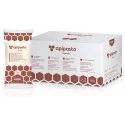
 Apipasta with vitamins 15kg
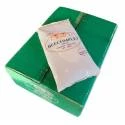 Beecomplet® Spring 14Kg
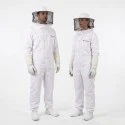 Beekeeper suit with round veil
 Oxalic acid 1kg
 Beeswax Foundation 5kg
 Fresh royal jelly 20g
 Classic honey jar 1kg comb-lines TO77 - Pack of 16 units
 Promotor L Apis 1 litre
- Out of stock

 Share in WhatsApp
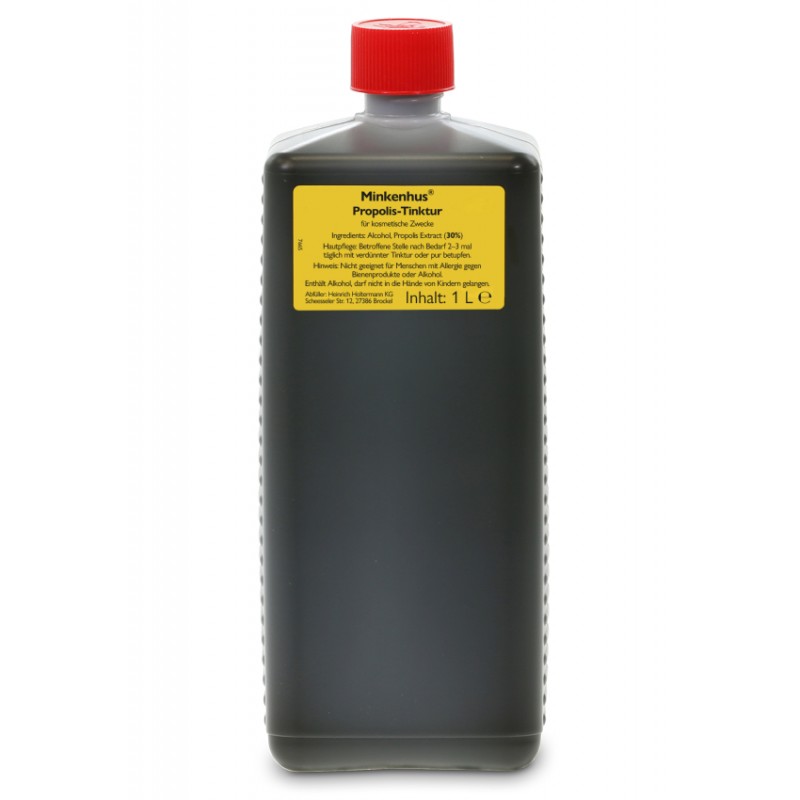
Propolis Tincture 1L (30%) Ideal for beekeepers, for repackaging into small formats and commercialization.
Hydroalcoholic propolis extract in a one-litre container, at 30 % propolis on a 70 % alcohol base. A format meant for repackaging or formulating, not for direct use.
The 30 % is not a marketing label: it is the ratio that defines the extract. And the other 70 % — the alcohol — is not filler: it is what decides which fraction of the propolis reaches the bottle.
01 · WHAT THE 30 % MEANS
Ethanol is the classic solvent for propolis because it takes up balsams, resins and phenolic compounds well. Wax, on the other hand, is barely soluble in alcohol and is removed in filtering: a clean extract does not carry the waxy fraction of raw propolis.
Which is why extracts are not interchangeable. A water extract, a glycolic one and an oil macerate start from the same propolis but do not carry the same profile, and dropping the alcohol makes an extract neither milder nor equally concentrated.
02 · THE YIELD
The litre goes into roughly 33 bottles of 30 ml or 50 of 20 ml, the two usual retail formats.
For that, amber glass or otherwise light-protected bottles, and a tight closure: alcohol evaporates from a badly closed bottle and what is left is no longer the extract you bought.
03 · WHAT WILL HAPPEN IN THE GLASS
Mixed with water the liquid turns whitish or milky. That is not a fault or a sign of poor quality: the resins the alcohol was holding in solution are not water-soluble and come out.
And it stains. On clothes, worktops and plastic it leaves a resin film that water will not lift, so work over a washable surface.
04 · IF YOU REPACKAGE IT
Repackaging and selling makes you responsible for the product you place on the market: labelling, batch, date and whatever formalities its category requires. The container is a raw material, not a finished product with its label already on.
Propolis is a relevant allergen for some people. Not to be used in case of known allergy to bee products, and always follow the manufacturer's label.
05 · BEFORE YOU BUY
A litre is a working format: you buy it to split it or to formulate with it.
| ✓ FITS | Beekeepers and shops repackaging into 20-30 ml, and anyone formulating with propolis extract. |
| ✕ DOESN'T FIT | If you want a ready-to-use dosed format, or a glycerine or glycol extract. |
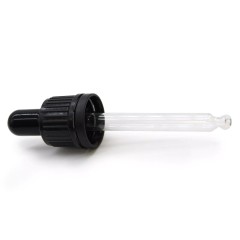
| ⚠ NOT INCLUDED | No bottles, no droppers, no labels. |
| Format | Hydroalcoholic propolis extract (tincture) |
|---|---|
| Content | 1,000 ml |
| Concentration | 30 % propolis · 70 % alcohol base |
| Yield | About 33 bottles of 30 ml or 50 of 20 ml |
| Intended use | Repackaging and formulation |
| Storage | Tightly closed, away from light and heat |
| Expiry | As stated on the manufacturer's label |
| Warning | Contains alcohol |
1 file available
Propolis Tincture 1L (30%) Ideal for beekeepers, for repackaging into small formats and commercialization.
check_circle
check_circle