 Apipasta with vitamins 15kg
 Beecomplet® Spring 14Kg
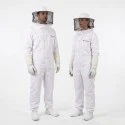 Beekeeper suit with round veil
 Oxalic acid 1kg
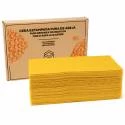 Beeswax Foundation 5kg
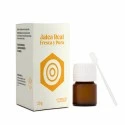 Fresh royal jelly 20g
 Classic honey jar 1kg comb-lines TO77 - Pack of 16 units
 Promotor L Apis 1 litre
- Best seller


 Share in WhatsApp
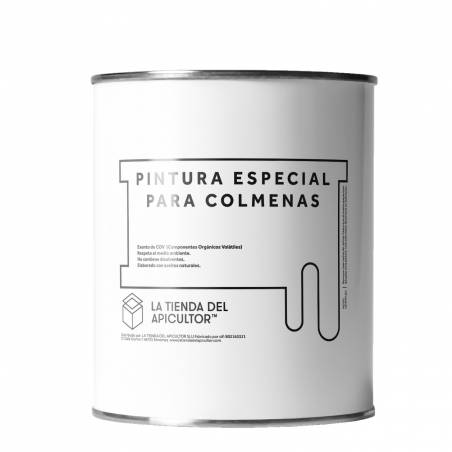
9 m² PER COAT, 1 KG TIN | 6 h BETWEEN COATS |
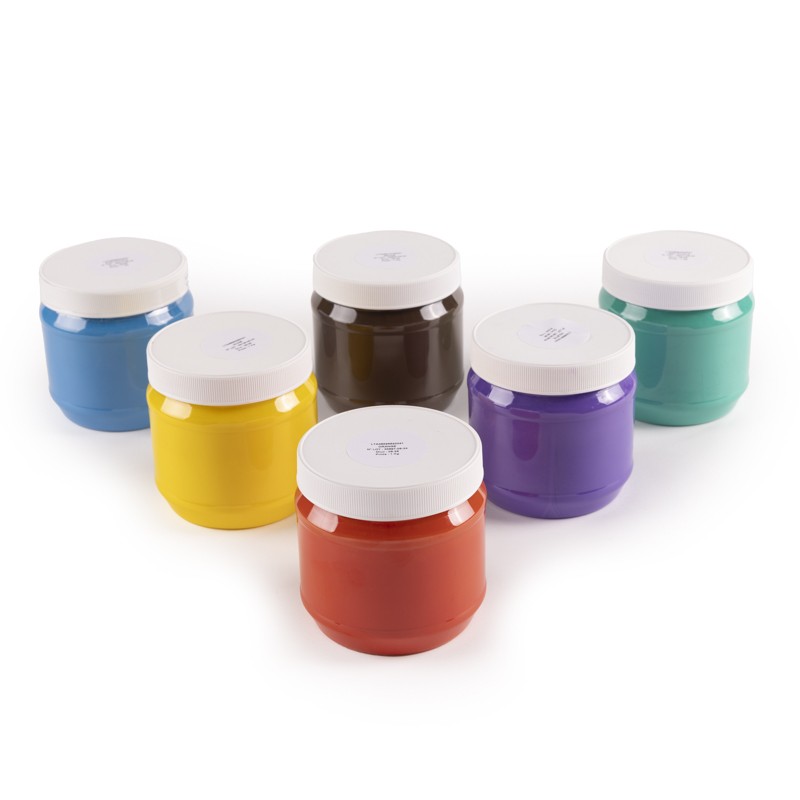
2.4 g/l MAXIMUM VOC | 7 INTERMIXABLE COLOURS |
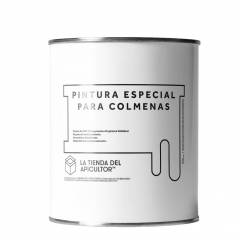
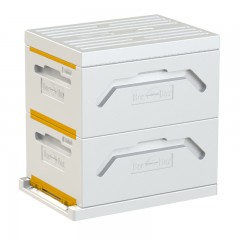
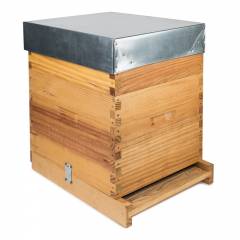
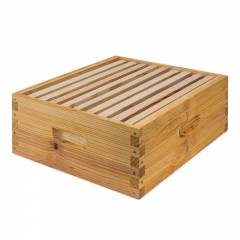
Plant-based hive paint for timber and polystyrene hives: water-thinnable, microporous and with an anti-mould agent.
A hive is not a garden fence: there is a colony inside evaporating water all season, and that is what decides which paint lasts and which one flakes off in two years.
01 · BREATHABILITY
A colony ripens nectar and respires, so water vapour leaves the hive continuously. If the timber is sealed under a conventional plastic paint, that vapour cannot cross the wall: it condenses beneath the film and eventually lifts it off in flakes. This paint is microporous, holding rainwater out while letting vapour escape, so the timber dries instead of staying waterlogged. It also carries an anti-mould agent that holds growth back on the faces that never see the sun.
02 · APPLICATION
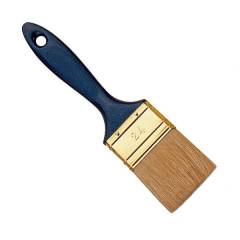
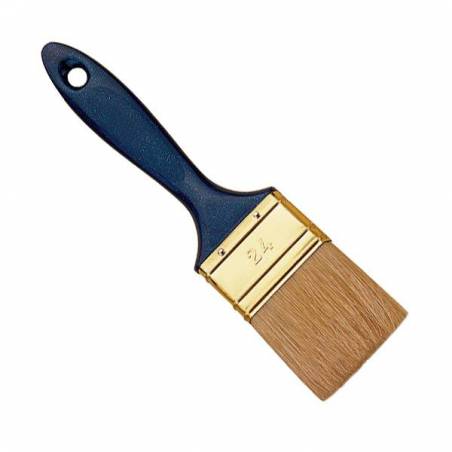
This is a thick, thixotropic paint. A foam gloss roller whips air into it and leaves the surface covered in bubbles; a brush, a wide flat brush, a short-pile roller or a spray unit will not. If it feels stiff for your tool, thin it with water only.
And the figure most often confused: it is touch-dry in an hour, but recoating takes 6 hours at 20 °C. Going over it sooner drags the first coat. Two coats on bare timber; one is enough for the annual touch-up.
03 · SURFACES
A solvent-based enamel attacks polystyrene and eats into it, which is why a waterborne paint is the only sensible choice on poly hives. There is no solvent here: maximum VOC content is 2.4 g/l, against the 130 g/l the regulations allow for this category. Galvanised metal roofs must be abraded first to key the surface, because nothing grips smooth galvanising.
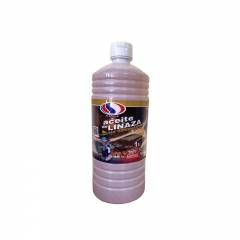
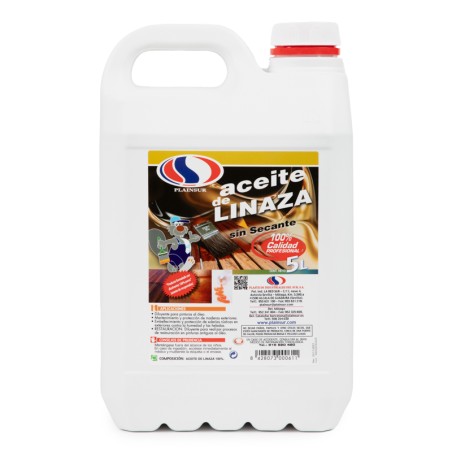
One case apart, and the one most often asked about: timber already treated with linseed oil. You can paint over it, but only once the oil has polymerised: while it is still greasy it repels the water in the emulsion and the paint will not key. With raw linseed oil that is weeks, not days, and sanding matt gives the coat something to grip. What you must never do is mix the paint with oil in the tin.
04 · BEFORE YOU BUY
The tin holds 1 kg net, about 0.75 litres at its density of 1.3: at 12 m² per litre per coat, it covers around 9 m² per coat. The seven colours are intermixable, and painting hive fronts in different colours helps foragers recognise their own entrance and cuts drifting. It smells while it dries — a plant base with casein — and the smell goes within a few days outdoors.
| ✓ FITS | Bare timber, polystyrene hives and previously abraded galvanised sheet. |
| ✕ DOESN'T FIT | Poorly bonded old paint and linseed oil that is not fully cured. |
| Type | Plant-based paint in water emulsion, microporous, with anti-mould agent |
|---|---|
| Binder | Hemp, castor and sunflower vegetable oils, stand-oil linseed and casein |
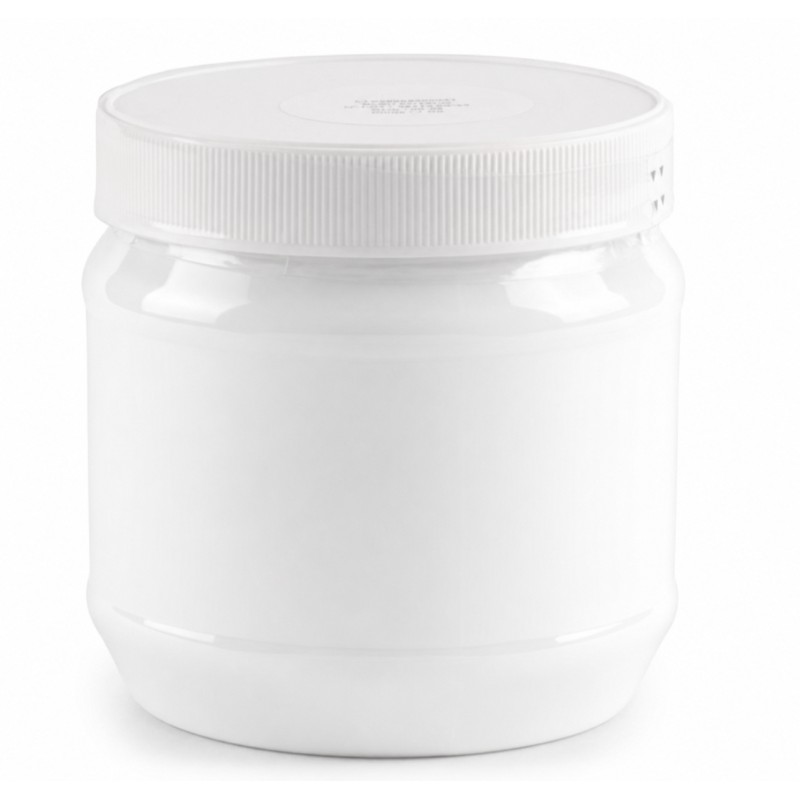
| Pack size | 1 kg net (≈ 0.75 l) |
| Colours | White, yellow, green, blue, brown, coral orange and violet; intermixable |
| Coverage | 12 m² per litre per coat · 80 ml/m² per coat |
| Solids content | 56 % by weight |
| Density | ≈ 1.3 |
| VOC | Max. 2.4 g/l (EU limit category d: 130 g/l) |
| Drying at 20 °C | Dust-free 30 min · touch-dry 1 h · recoatable 6 h · fully hard 96 h |
| Thinning and cleaning | Water; tools with soapy water |
| Surfaces | Timber, polystyrene and galvanised sheet after abrading |
| Shelf life | 2 years in the unopened original tin, between 5 and 30 °C |
| Labelling | EUH208: contains 1,2-benzisothiazol-3(2H)-one and octhilinone; may produce an allergic reaction. Keep out of reach of children |
1 file available
Yes, provided the oil has fully polymerised. While the timber is still greasy it repels the water in the emulsion and the paint never keys properly.
How long depends on the oil: with raw linseed oil that means weeks, not days, and cold or poor ventilation stretches it further. It is ready when the surface is no longer tacky to the touch and no longer smells of oil. Before painting, sand matt to give the coat something to grip and test adhesion on a small area.
The paint is thinned with water only: never mix it with oil in the tin.
With water only. It is a water-emulsion paint with no solvent in it, so you can let it down with water if it feels thick for your tool, and brushes and rollers wash out in soapy water as soon as you finish.
Do not use solvents, white spirit or oils: they would break the emulsion. Add the water a little at a time, since over-thinning costs opacity and will have you applying more coats.
Sorry, no results found.
Write your question